


Secondary sourcePainting1853
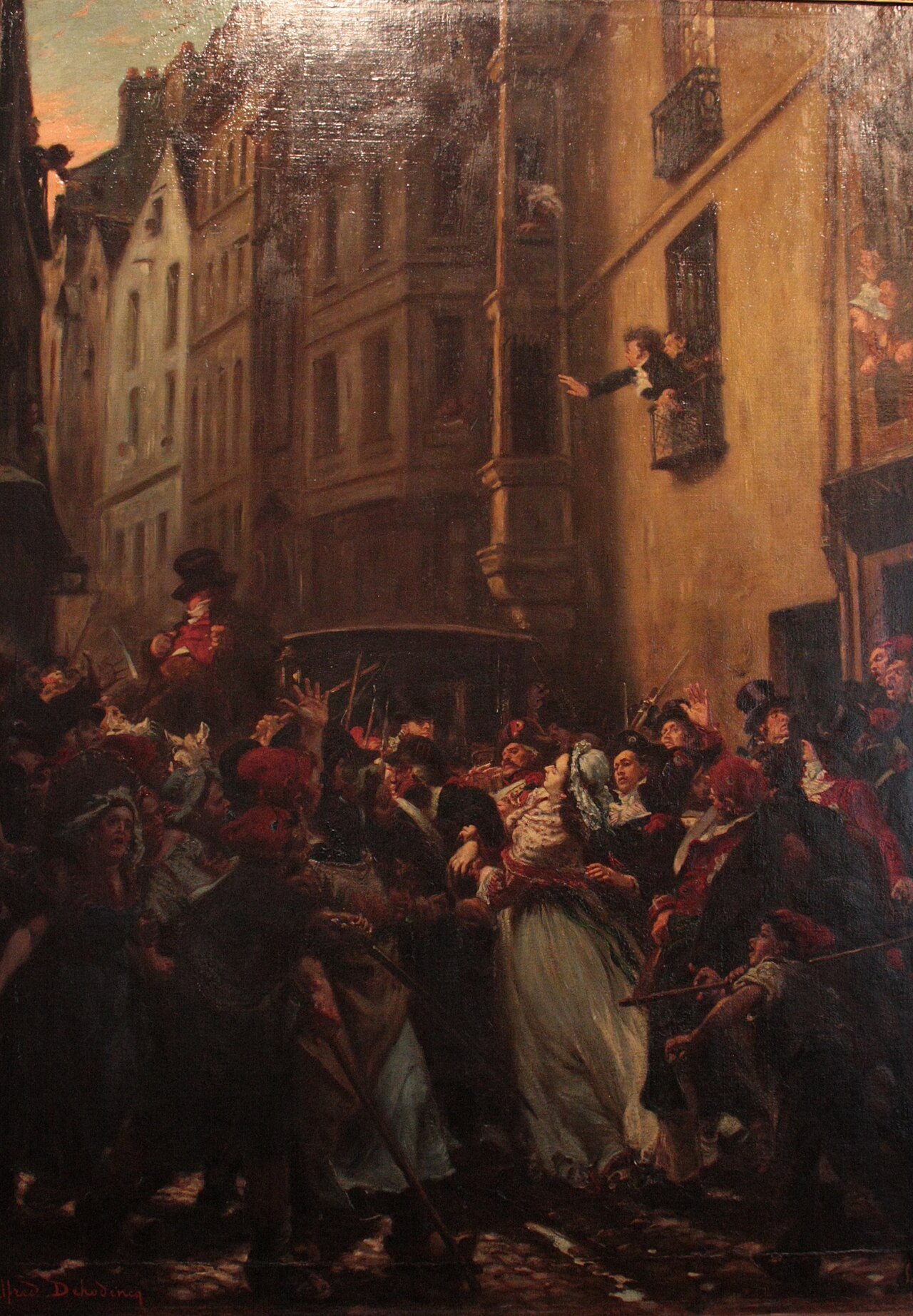
The Arrest of Charlotte Corday after Marat's Murder
Alfred Dehodencq · 1853
An 1853 painting imagining the moment Corday was seized by a crowd after killing Marat on 13 July 1793.
This 1853 painting imagines Corday's arrest by an angry crowd right after she killed Marat.
About this source
What it is
This painting by Alfred Dehodencq, made in 1853, shows a crowded street scene in which a young woman in white is held by men in a tense mob, following the murder of Jean-Paul Marat on 13 July 1793.
Why it matters
Painted about sixty years after the event, this work reflects how 19th-century artists dramatized Corday's arrest as a moment of public outrage. It shows the strong reactions her act provoked and how later generations imagined the chaos that followed Marat's death.
Look closer
- What does the crowd's behaviour suggest about how people reacted to the murder?
- Why might the artist focus on the arrest rather than the murder itself?
- What can and can't a painting made decades later tell us about what really happened?
This painting is part of the curated material that grounds the AI version of Charlotte Corday on Humy.ai — when students ask about related events, the AI can quote it and cite it.
More Charlotte Corday sources
Browse all 78 →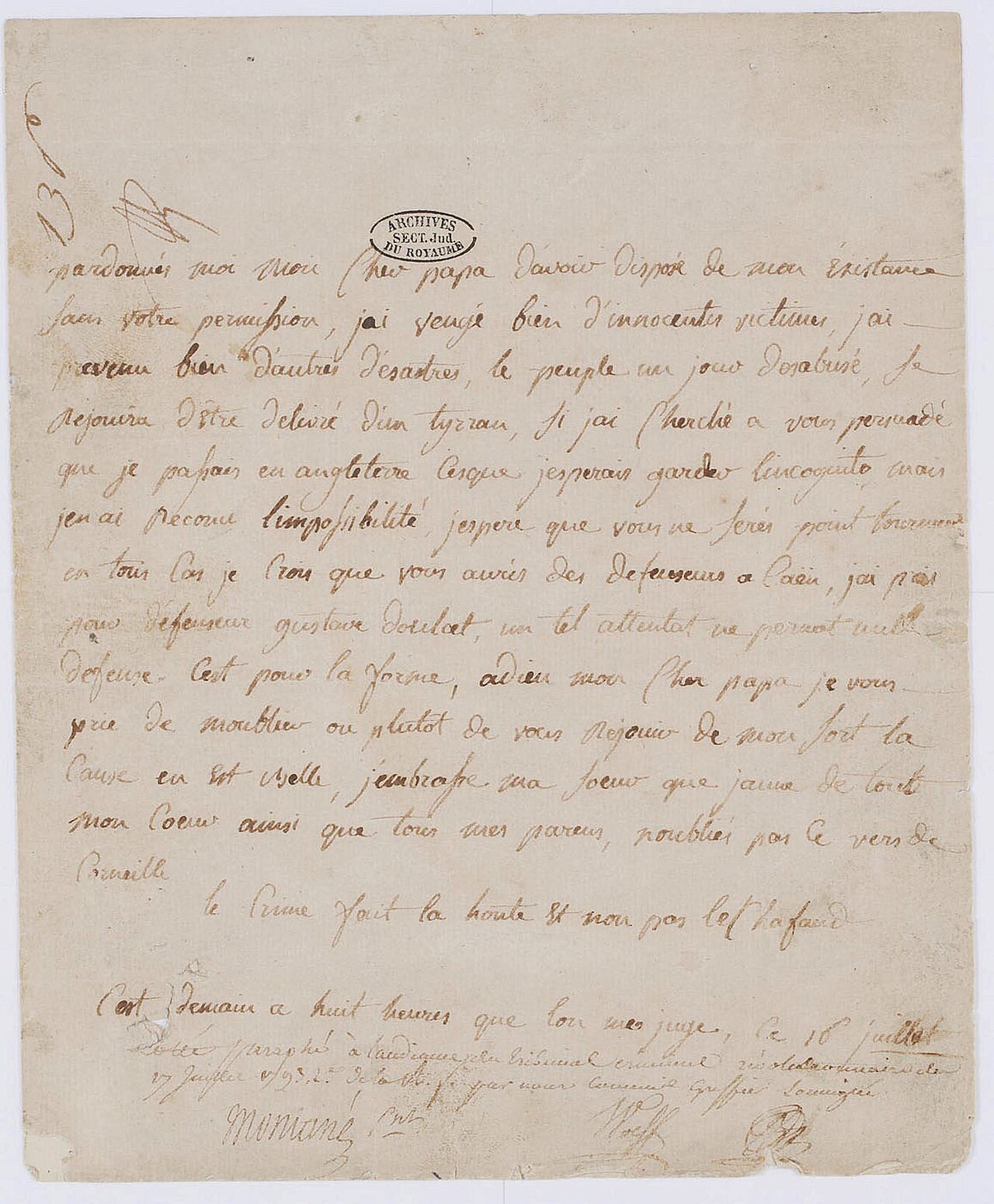 Letter
Primary source
Farewell Letter to Her Father
Charlotte Corday · 16 July 1793
 Painting
Primary source
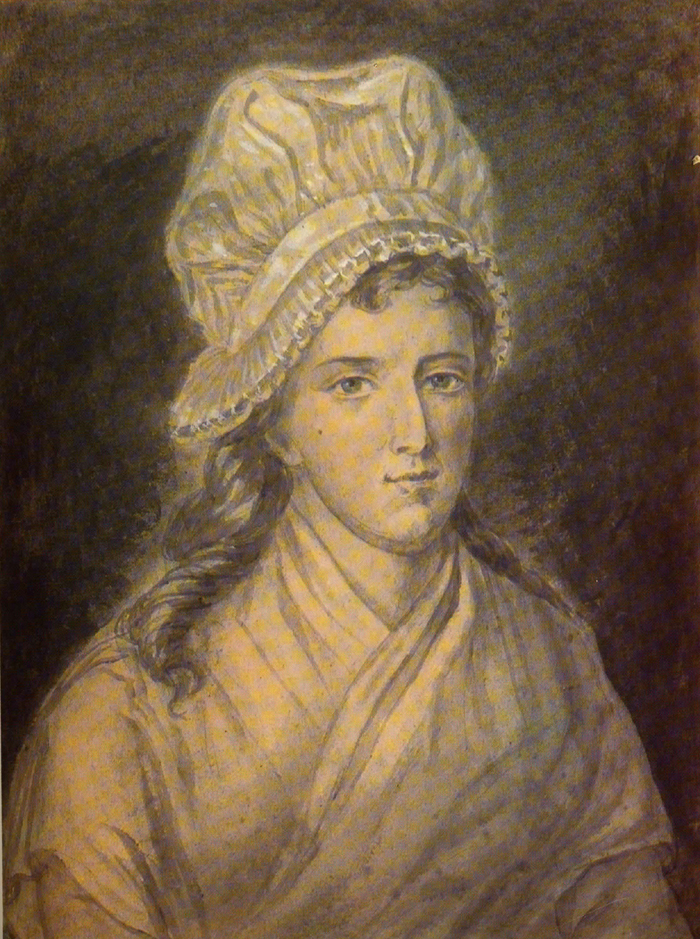
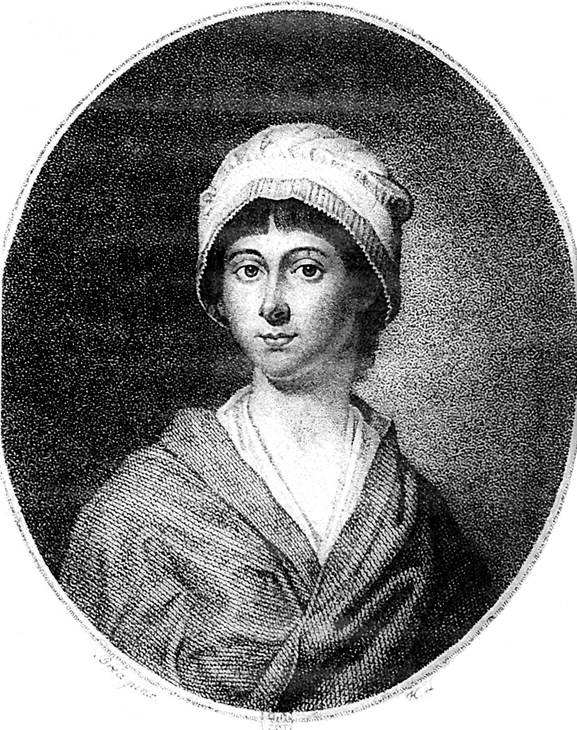
Portrait of Charlotte Corday by Hauer
Jean-Jacques Hauer · 17 July 1793
 Painting
Primary source
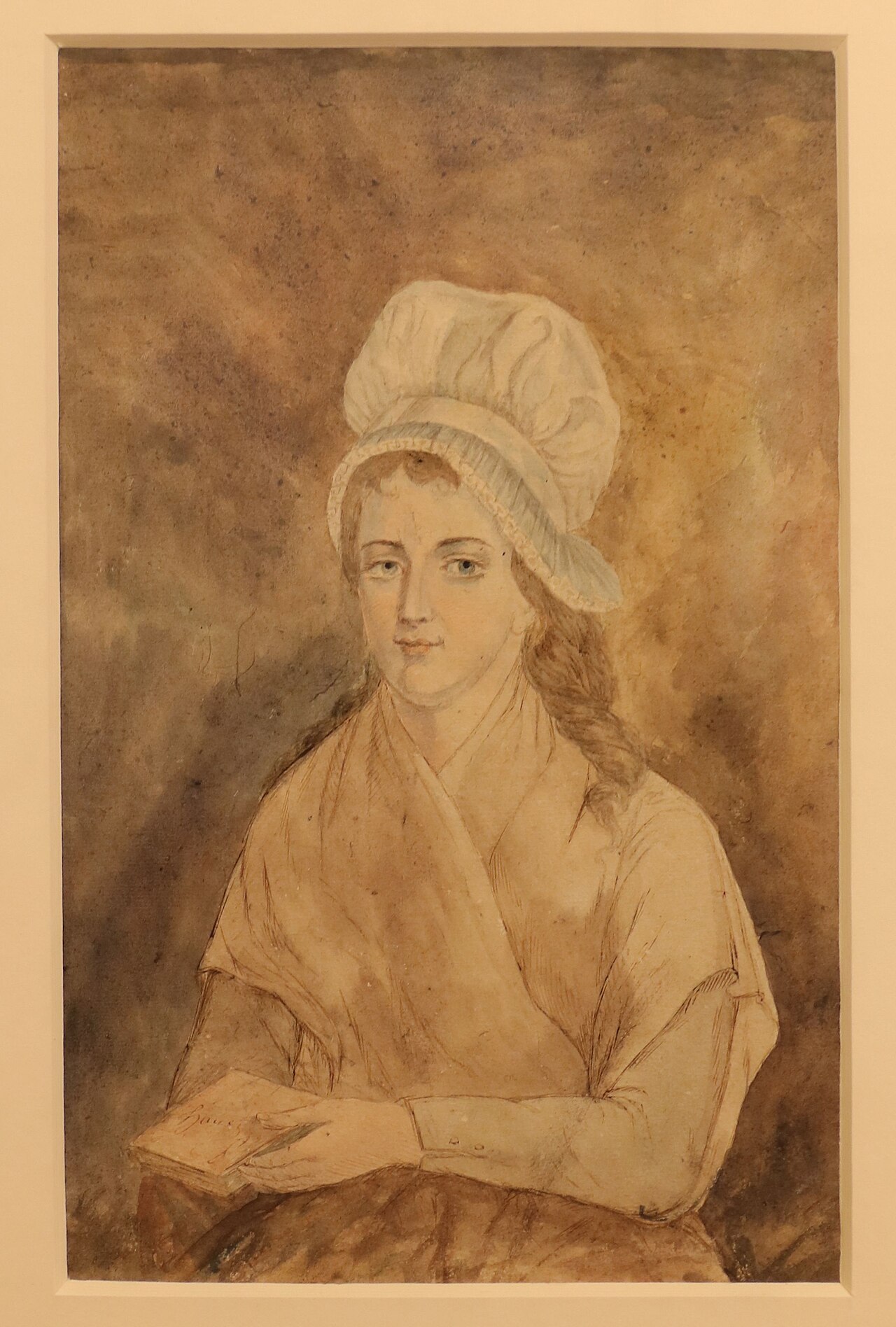
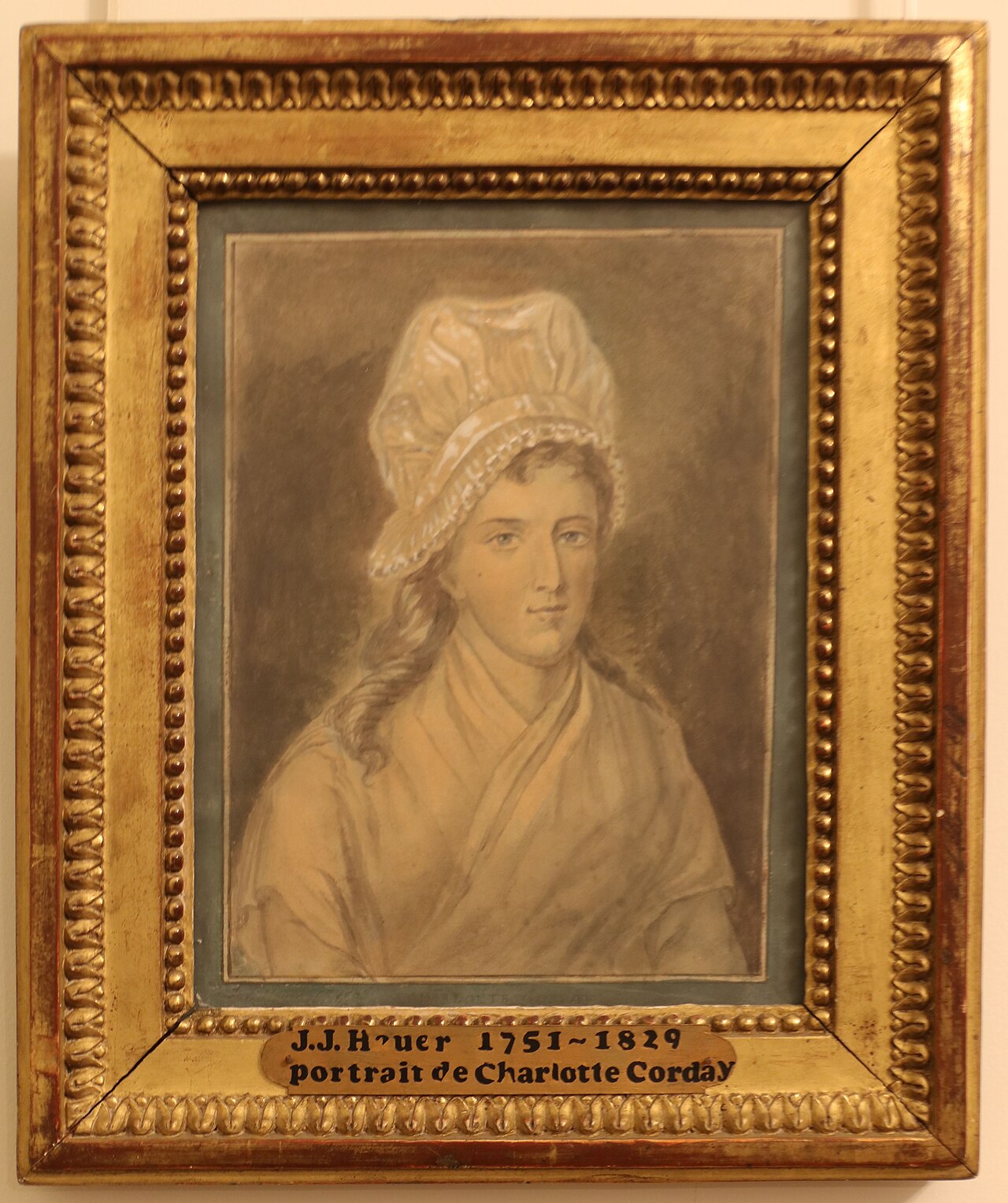
Charlotte Corday Holding a Book
Jean-Jacques Hauer · 1793
 Document
Primary source
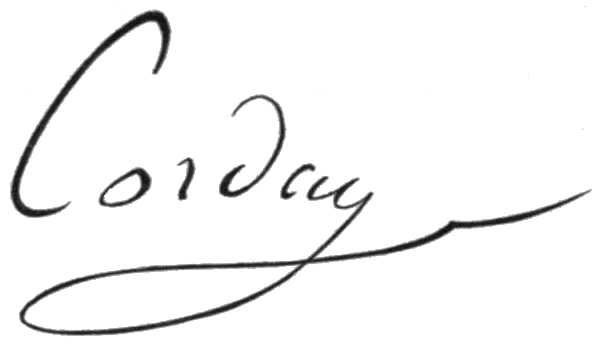
Signature of Charlotte Corday
Charlotte Corday
Free account
Read every Charlotte Corday source
Sign up free →
Ready when you are
Start chatting with Charlotte Corday now.
20 messages free · No credit card · Available in 50+ languages.