


Primary sourceBook1889
The Ballad of East and West
Rudyard Kipling · 1889
A 1889 Kipling poem about a chase and duel between a British officer's son and a frontier chieftain, ending in mutual respect.
One of Kipling's best-known poems, central to debates over his true views on race and cultural difference.
Free Humy account · No credit card · 120,912 sources to read
About this source
What it is
"The Ballad of East and West" is a poem by Rudyard Kipling, first published in 1889. It tells of a tribal chieftain, Kamal, who steals a British colonel's horse, and the colonel's son who pursues him across the North-West Frontier of British India.
Why it matters
The poem is best known for its opening line, "Oh, East is East, and West is West, and never the twain shall meet," often quoted to suggest Kipling believed in unbridgeable cultural divides. But the following lines argue the opposite: that individual courage and honour matter more than nationality or race. The poem has been central to debates about whether Kipling's view of empire and cultural difference was more complicated than his reputation suggests.
Look closer
- Why is the poem's opening line often quoted without the lines that follow it?
- What does the ending, where the two men become 'blood brothers,' suggest about the poem's real message?
- How does the poem use the style of old border ballads to tell a story set in colonial India?
This book is part of the curated material that grounds the AI version of Rudyard Kipling on Humy.ai — when students ask about related events, the AI can quote it and cite it.
More Rudyard Kipling sources
Browse all 93 →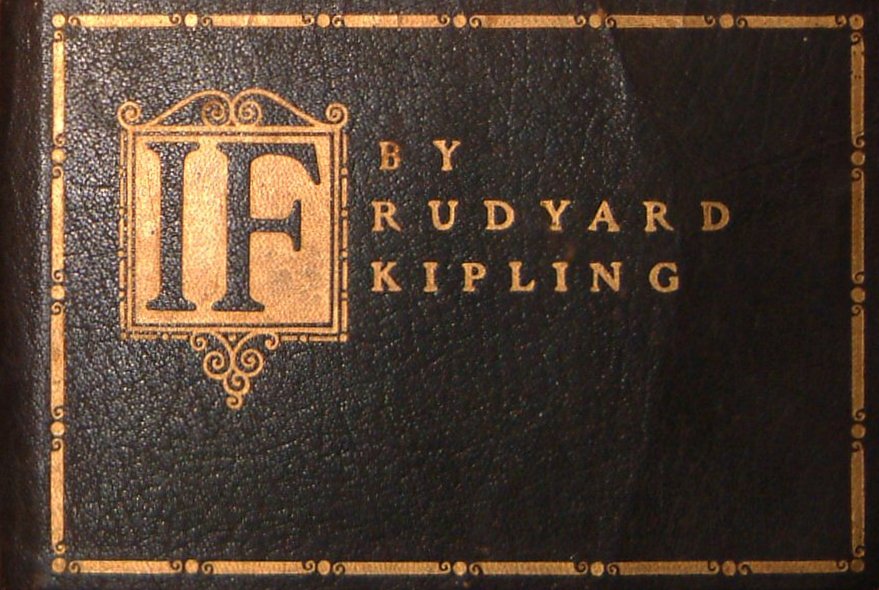
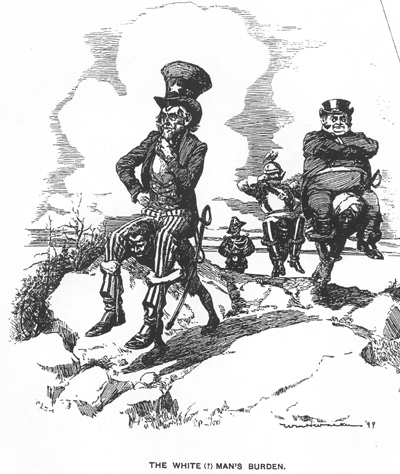
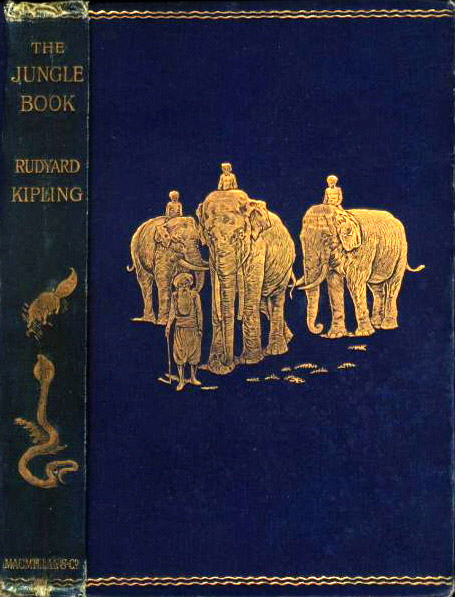
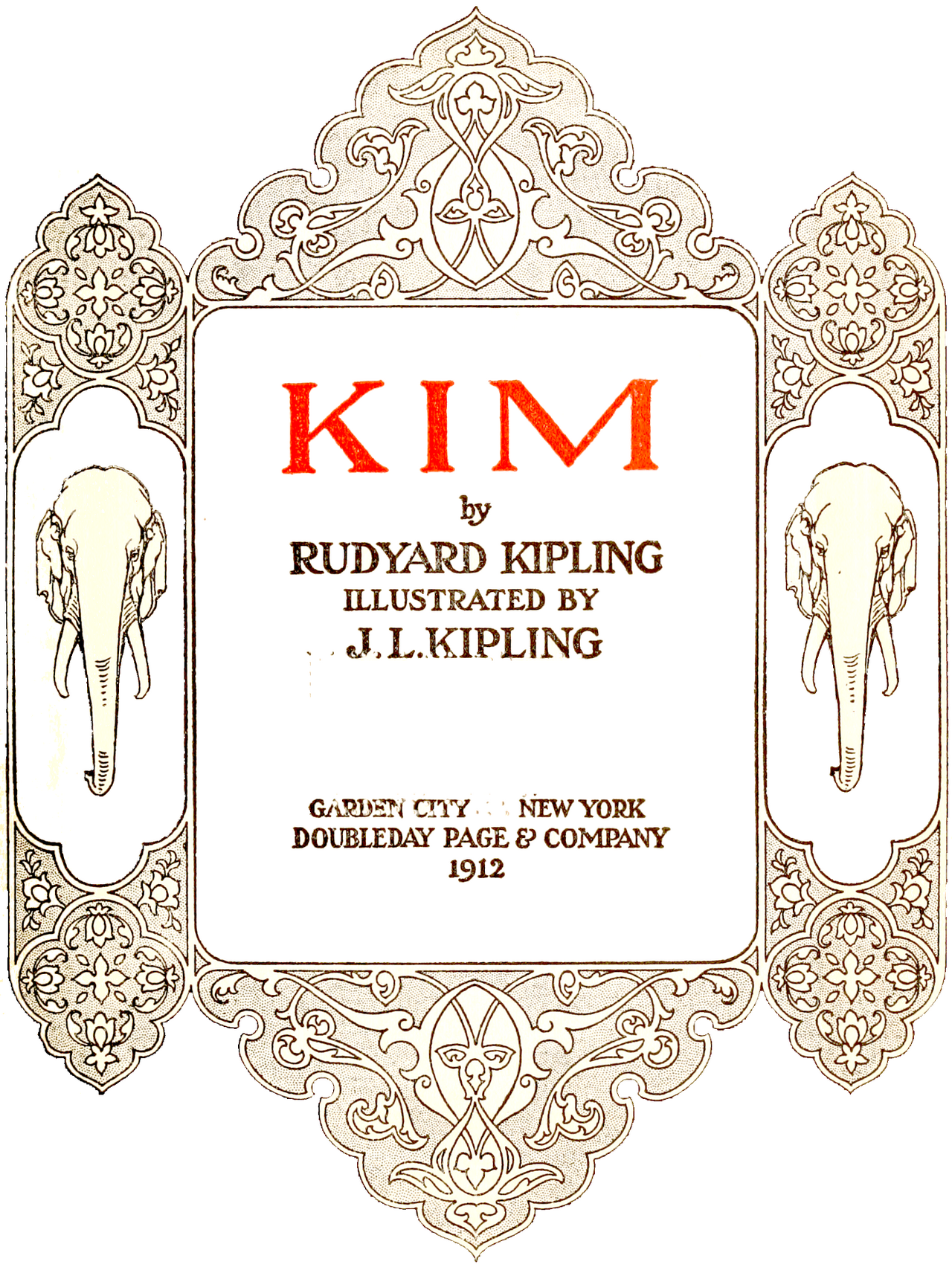
Ready when you are
Start chatting with Rudyard Kipling now.
20 messages free · No credit card · Available in 50+ languages.