


Secondary sourceDocumentary1966
The Battle of Algiers
Gillo Pontecorvo · 1966
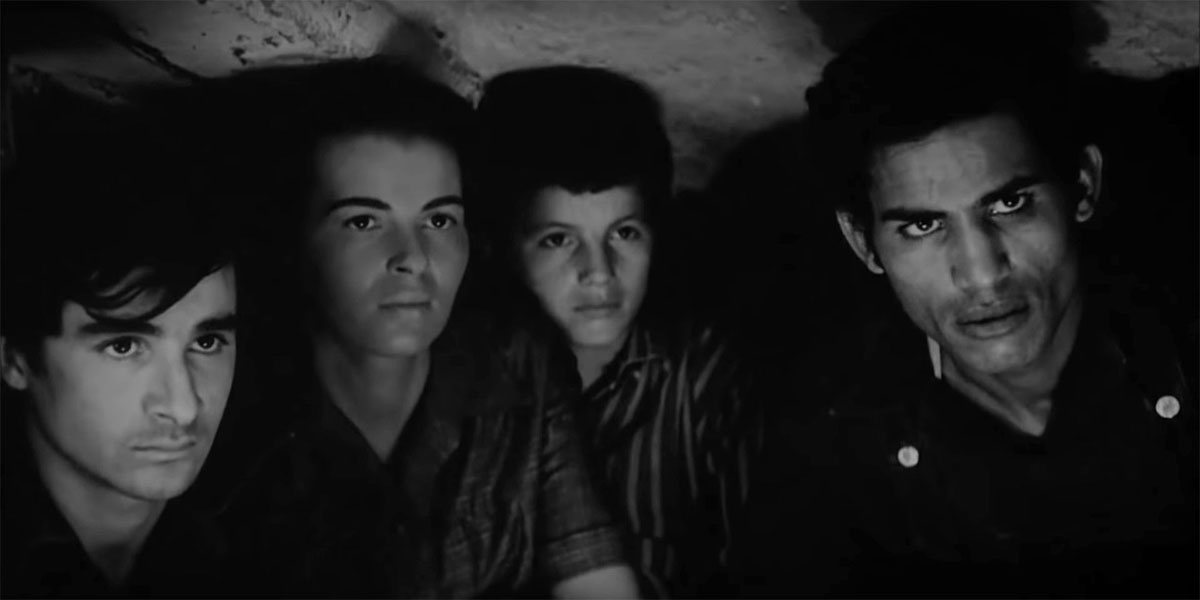
A 1966 film reconstructing the FLN's urban guerrilla war against French forces in Algiers, depicting the struggle Fanon analysed in his writings.
This film dramatises the Algerian war Fanon lived through and wrote about, illustrating the struggle his work analysed.
About this source
What it is
This is a 1966 Italian-Algerian film directed by Gillo Pontecorvo, with a score by Pontecorvo and Ennio Morricone. Shot in a documentary-like black-and-white style with many non-professional actors who had lived through the real events, it reconstructs the Algerian War's Battle of Algiers between 1954 and 1957.
Why it matters
The film shows the tactics of the FLN independence fighters and the French paratroopers sent to stop them, including torture and violence on both sides. It visualises the kind of colonial and revolutionary violence that Fanon, writing at the same time as these events, analysed in his work on the Algerian war and on race, gender and resistance.
Look closer
- Why did Pontecorvo use non-professional actors and a documentary style — what effect does this create?
- How does the film show violence committed by both the French authorities and the FLN fighters?
- What does the film choose to show or leave out about the people involved in the conflict?
This documentary is part of the curated material that grounds the AI version of Frantz Fanon on Humy.ai — when students ask about related events, the AI can quote it and cite it.
More Frantz Fanon sources
Browse all 14 →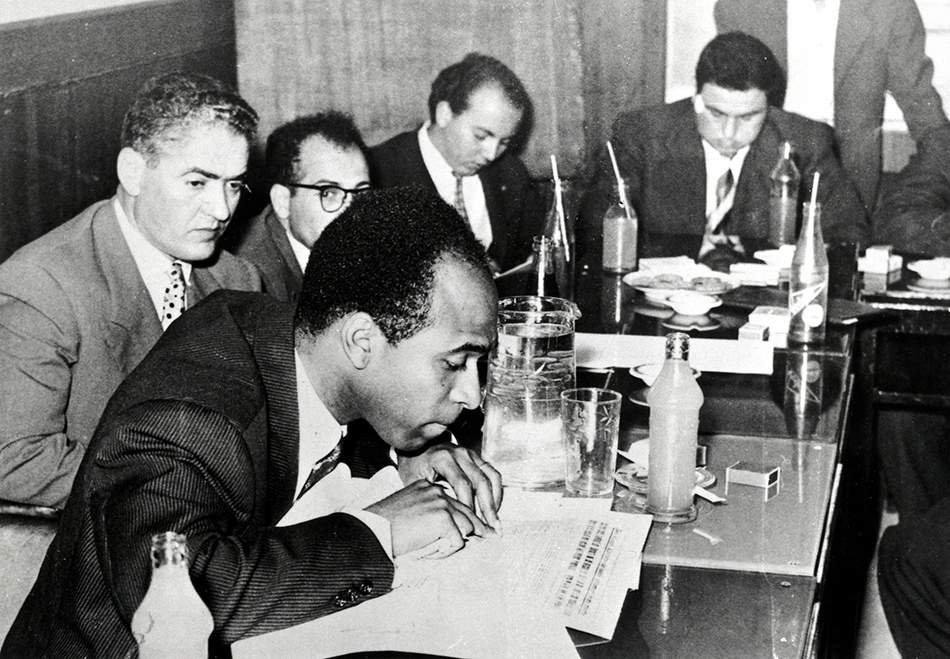 Photograph
Primary source
Frantz Fanon at a Press Conference in Tunis
1959
 Photograph
Primary source
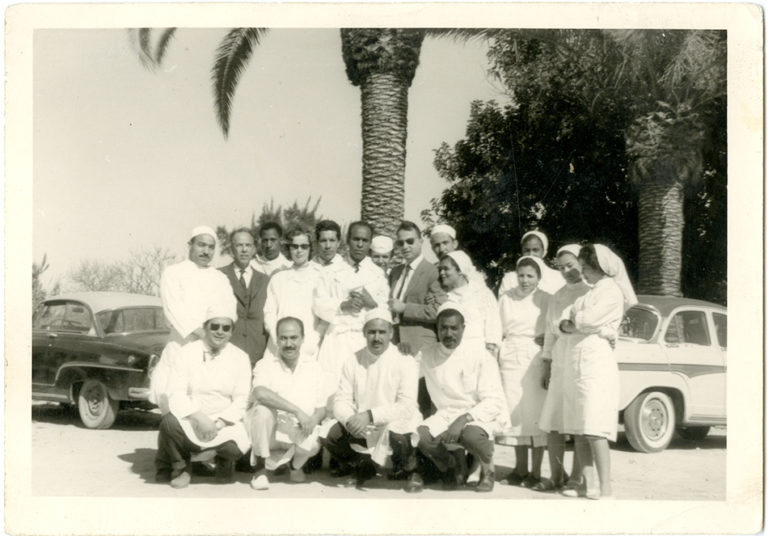
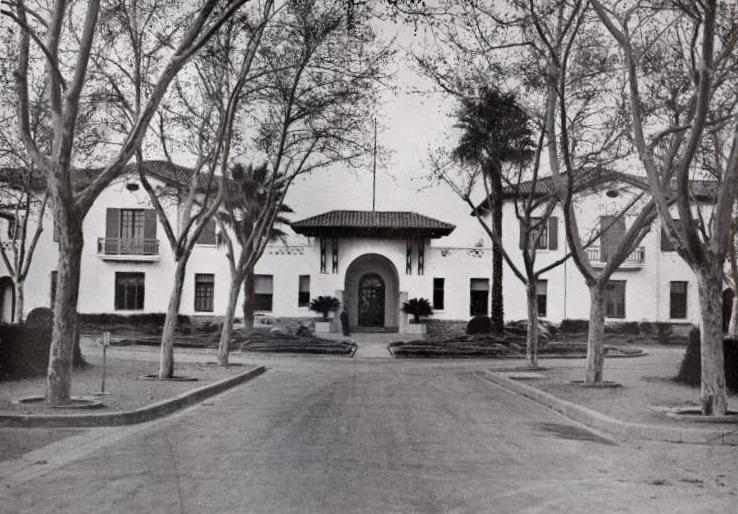
Frantz Fanon with Medical Team at Blida
1953-1956
 Photograph
Primary source
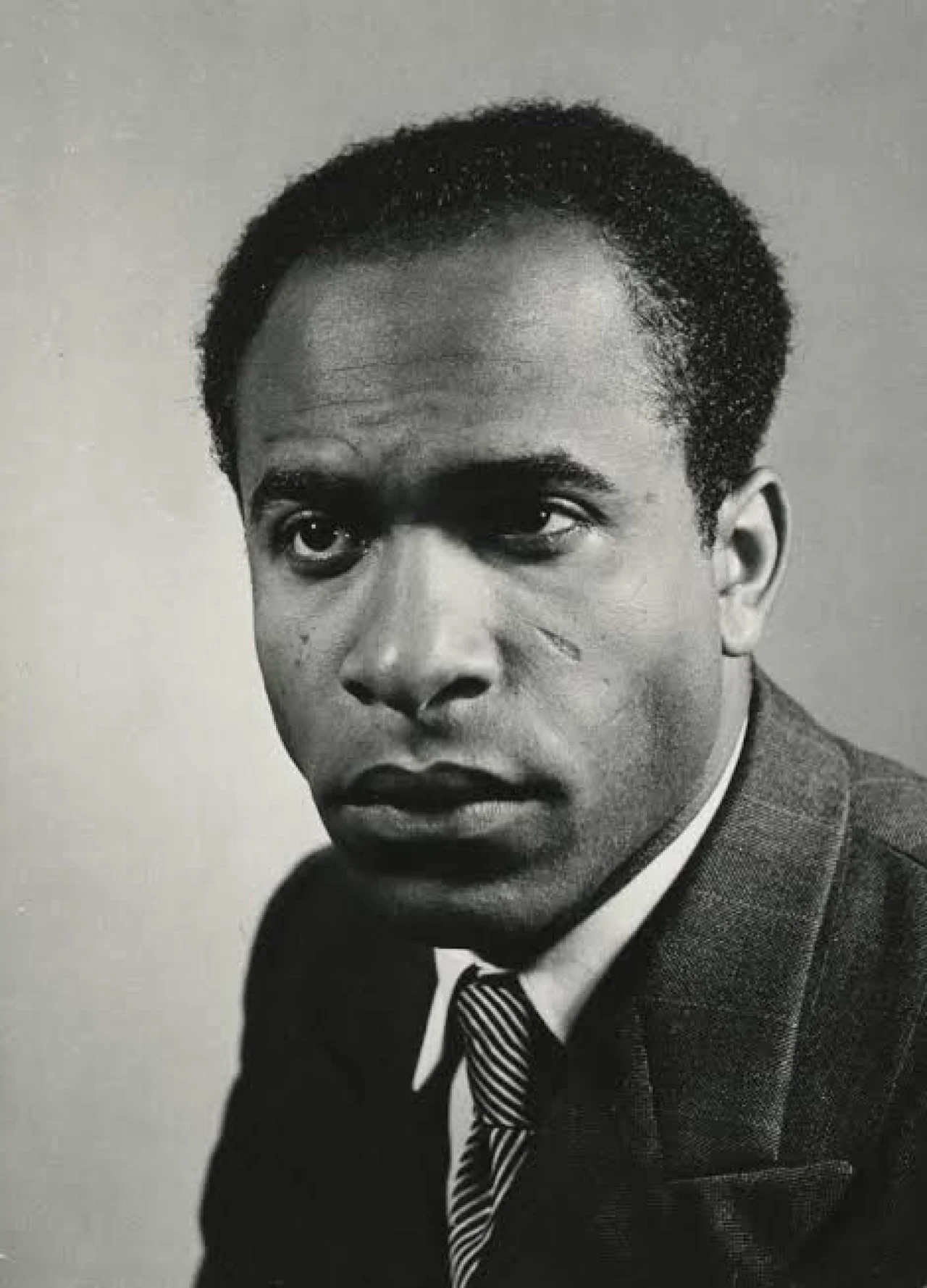
Portrait of Frantz Fanon
 Document
Primary source
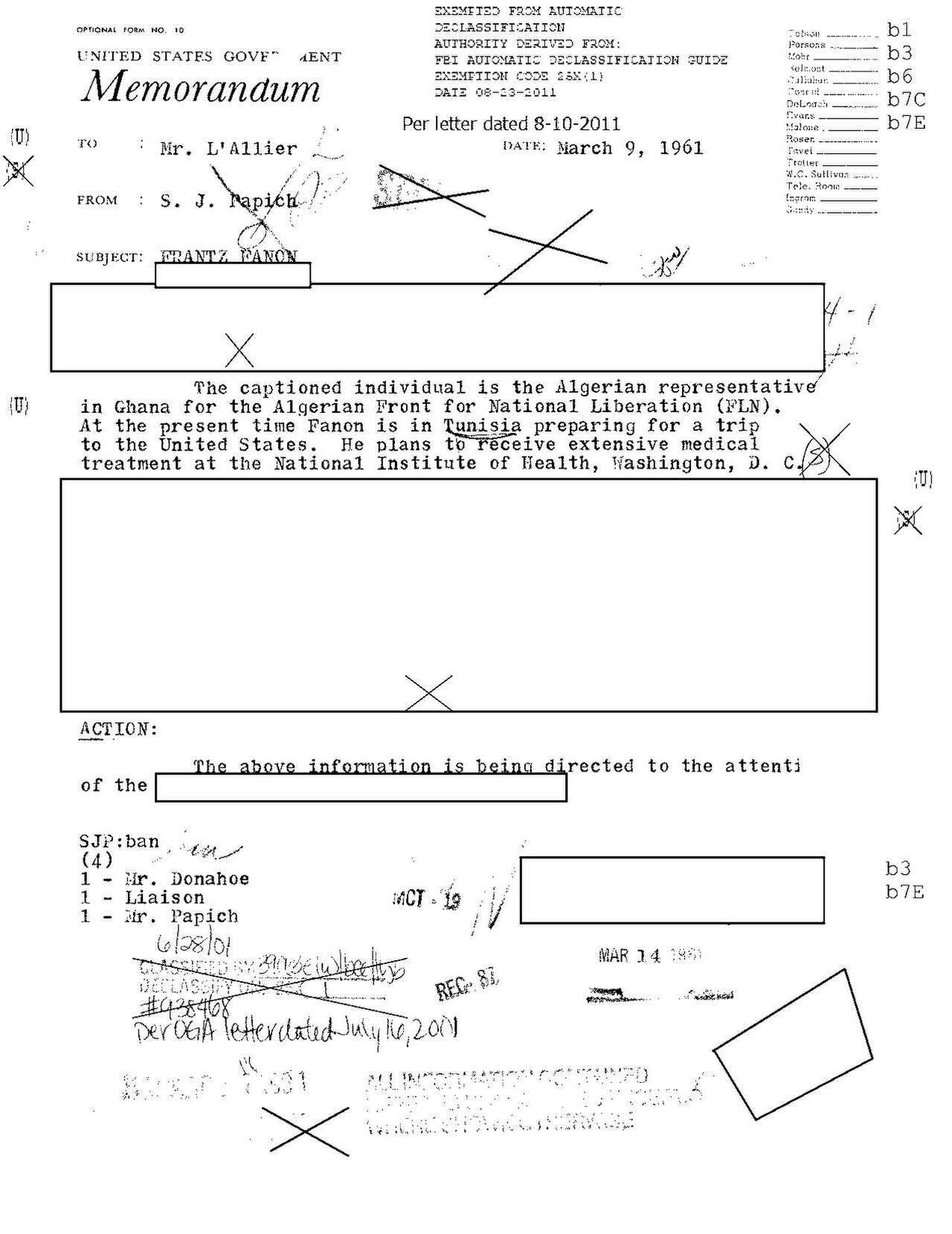
FBI Memorandum on Frantz Fanon
S. J. Papich, Federal Bureau of Investigation · 9 March 1961
Free account
Read every Frantz Fanon source
Sign up free →
Ready when you are
Start chatting with Frantz Fanon now.
20 messages free · No credit card · Available in 50+ languages.