


Primary sourcePainting
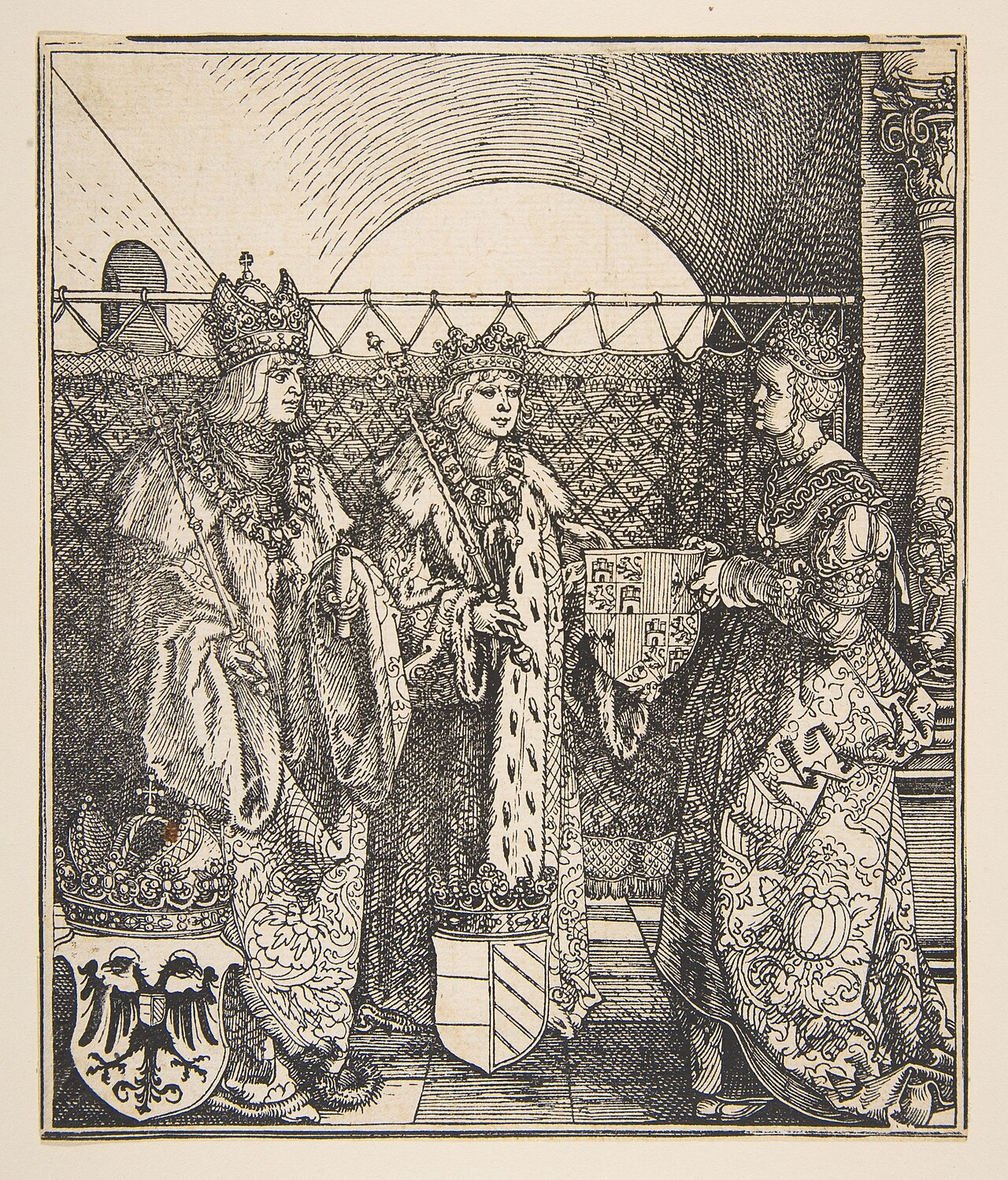
The Betrothal of Philip and Joanna
Albrecht Dürer
A woodcut print by Albrecht Dürer showing the betrothal of Philip the Fair and Joanna of Castile in 1496.
This print commemorates Joanna's 1496 betrothal to Philip the Fair, a marriage that shaped her later reign.
About this source
What it is
This woodcut print was made by the German artist Albrecht Dürer as part of a larger series of prints created for Emperor Maximilian I's Triumphal Arch, a monumental printed artwork celebrating the achievements of the Habsburg dynasty. It depicts the 1496 betrothal of Philip the Fair and Joanna of Castile.
Why it matters
The betrothal shown here linked the Habsburg and Spanish royal houses, a marriage alliance with enormous consequences for European history, since it eventually brought Joanna's inheritance into the Habsburg family. Dürer's print was propaganda art meant to glorify Maximilian's family, showing how rulers used images to shape how their dynasty's history was remembered.
Look closer
- Why would a betrothal be chosen as a subject worth commemorating in a monumental print?
- What symbols of rank and heraldry can you find in the image?
- Since this was made for Maximilian's glory, whose point of view does it represent, and whose might be missing?
This painting is part of the curated material that grounds the AI version of Joanna of Castile on Humy.ai — when students ask about related events, the AI can quote it and cite it.
More Joanna of Castile sources
Browse all 90 →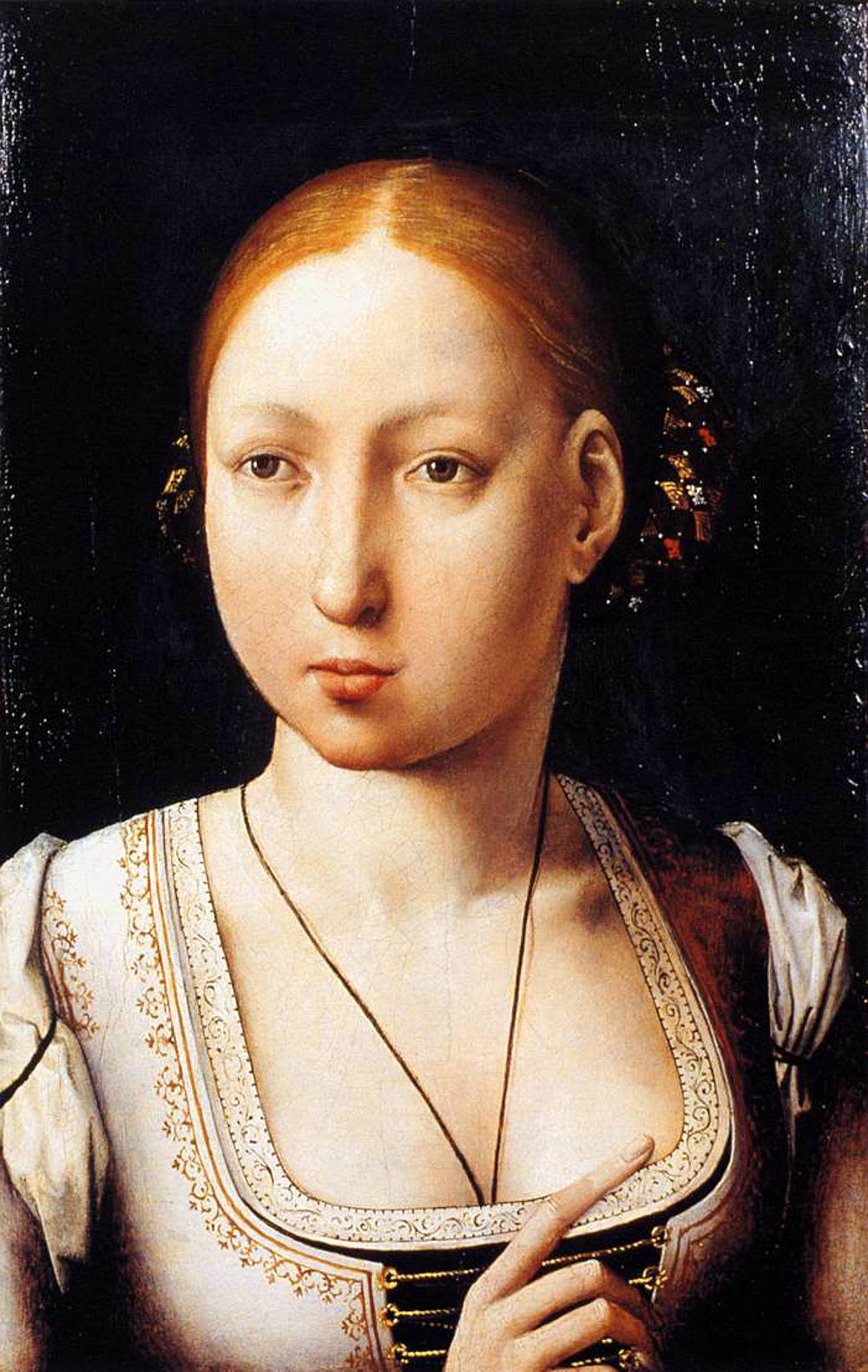 Painting
Primary source
Portrait of Joan the Mad
Juan de Flandes
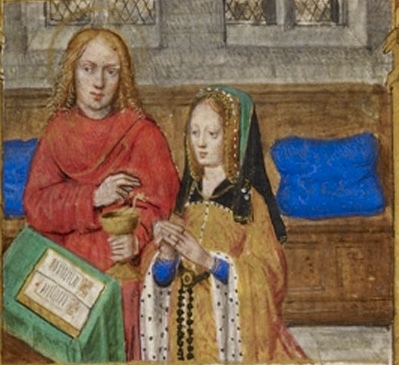 Artifact
Primary source
Hours of Joanna of Castile
Flemish illuminators (Ghent-Bruges school) · c. 1496-1506
Primary source
Testament of Isabella I of Castile
Isabella I of Castile · 12 October 1504
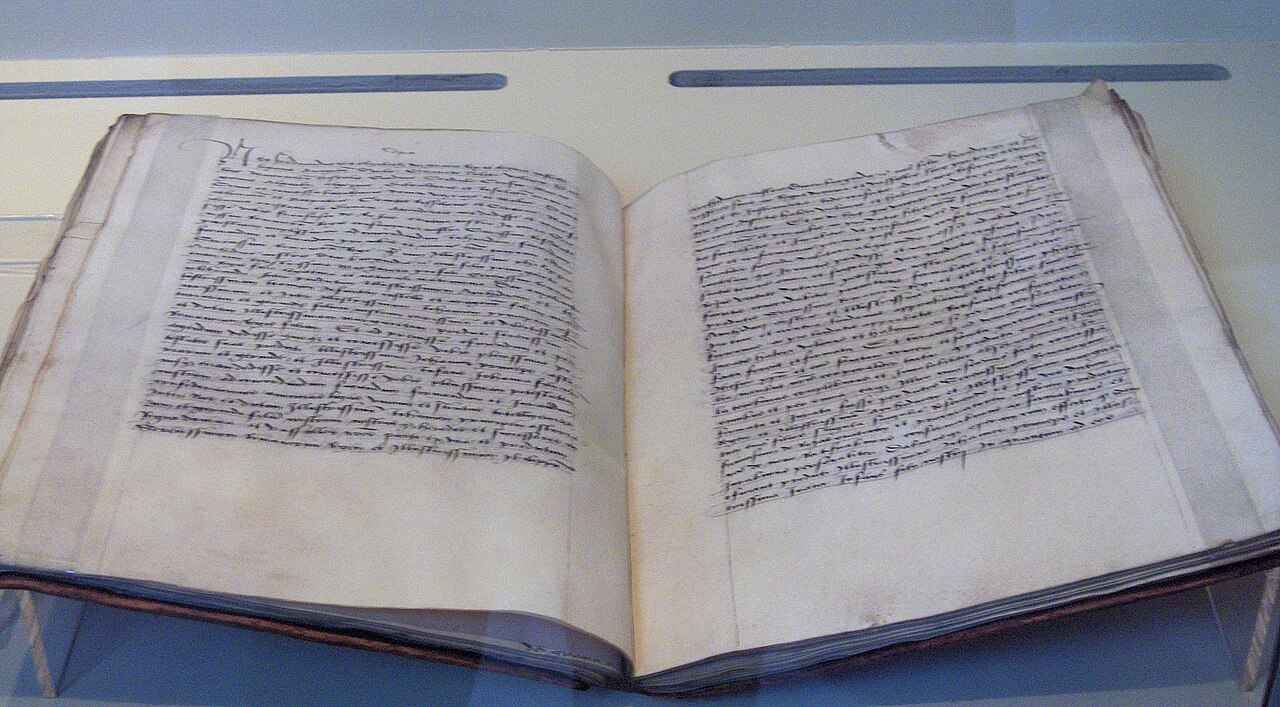 Document
Primary source
Marriage Articles of Philip the Handsome and Joanna of Castile
1495
Free account
Read every Joanna of Castile source
Sign up free →
Ready when you are
Start chatting with Joanna of Castile now.
20 messages free · No credit card · Available in 50+ languages.