


Primary sourceBook1906
The Birch-Bark Roll of the Woodcraft Indians
Ernest Thompson Seton · 1906
Ernest Thompson Seton's 1906 Woodcraft manual, developed with Eastman's counsel, that fed into the founding of the Boy Scouts of America.
Seton developed this Woodcraft manual after taking Eastman's counsel, linking Eastman to the roots of the Boy Scouts movement.
About this source
What it is
This is Ernest Thompson Seton's 1906 manual The Birch-Bark Roll of the Woodcraft Indians, collecting articles originally written for the Ladies Home Journal about his Woodcraft Indians youth movement, a group made up of non-Native boys and girls.
Why it matters
Seton developed this outdoor program after taking counsel from Charles Eastman, who advised him on Dakota-inspired outdoor lore and skills. The book shows how ideas drawn from Native culture were adapted by a non-Native organizer into a movement for white youth, work that fed directly into the founding of the Boy Scouts of America, in which Eastman played a role.
Look closer
- Why might Seton have sought Eastman's advice, and what does the book credit to that advice?
- What does it mean that a group called "Woodcraft Indians" was made up of non-Native children?
- How does this book connect Native knowledge to the later Scouting movement?
This book is part of the curated material that grounds the AI version of Charles Eastman on Humy.ai — when students ask about related events, the AI can quote it and cite it.
More Charles Eastman sources
Meet the AI Charles Eastman → Book
Primary source
From the Deep Woods to Civilization
Charles Alexander Eastman · 1916
 Book
Primary source
Indian Boyhood
Charles Alexander Eastman · 1902
 Book
Primary source
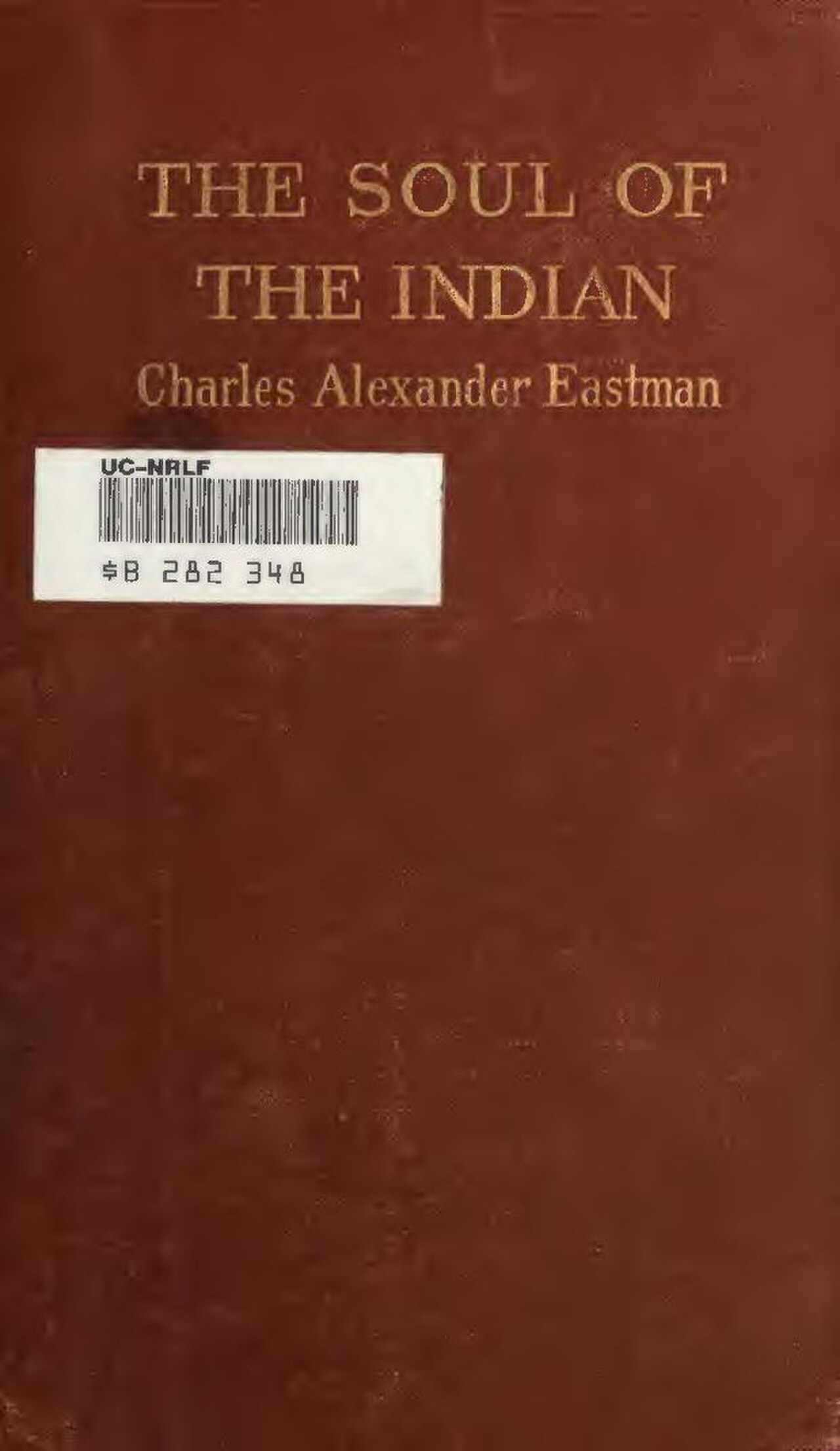
The Soul of the Indian
Charles Alexander Eastman · 1911
 Photograph
Primary source
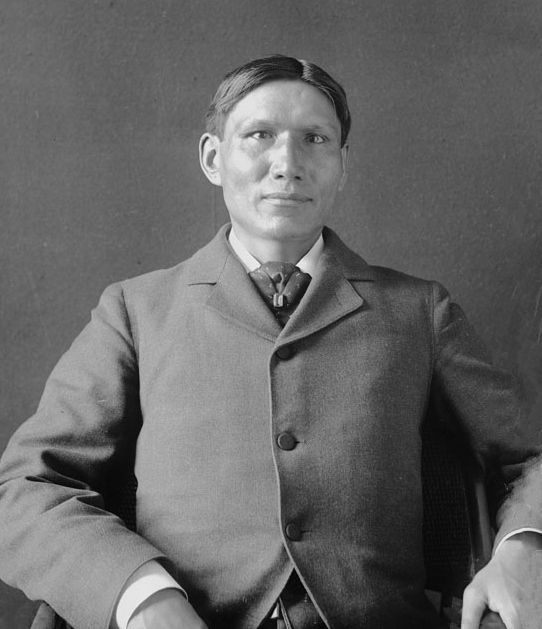
Portrait of Charles Eastman
April 1897
 Book
Primary source
The Indian To-day
Charles Alexander Eastman · 1915
Ready when you are
Start chatting with Charles Eastman now.
20 messages free · No credit card · Available in 50+ languages.