


Primary sourcePainting1485
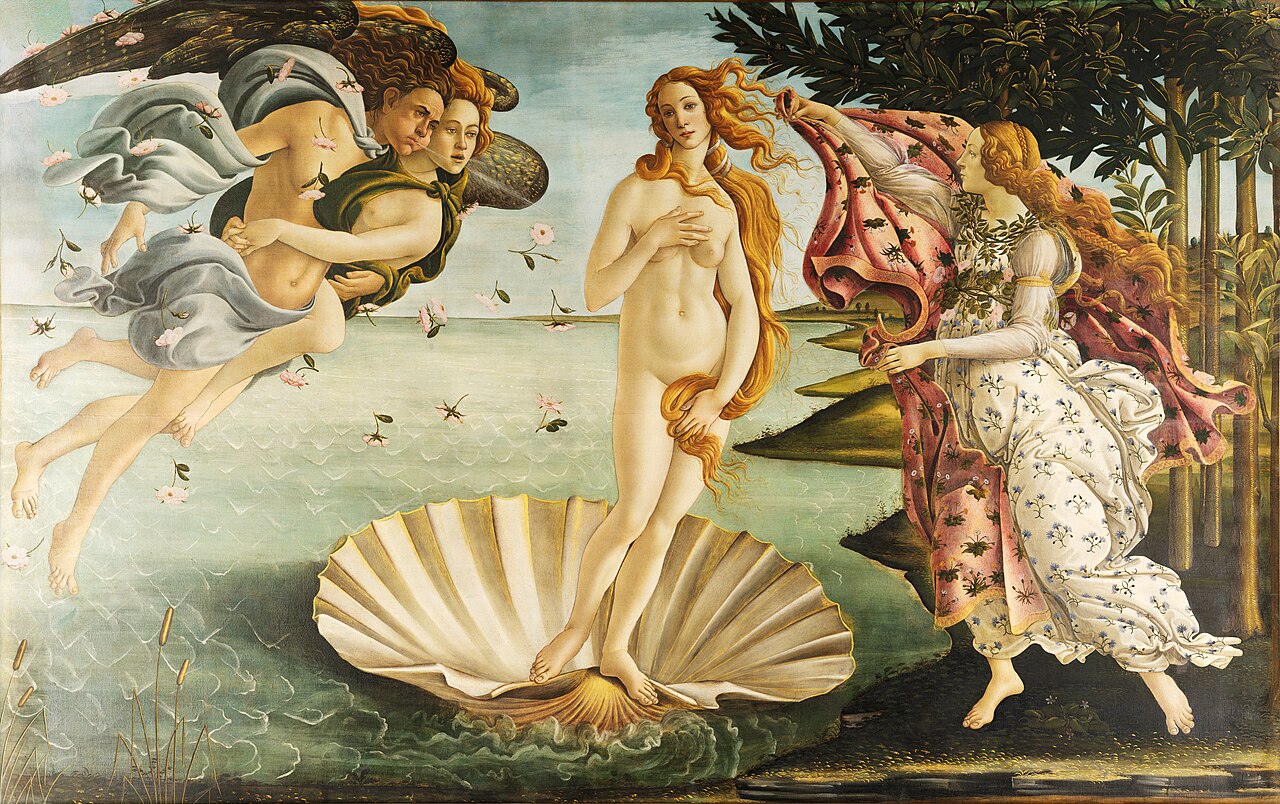
The Birth of Venus
Sandro Botticelli · 1485
A monumental painting of the goddess Venus arriving at shore on a shell, one of Botticelli's two famous large-scale mythological works.
Botticelli's best-known painting, showing his mature style and the mythological imagery he developed for Medici-circle patrons.
About this source
What it is
A large canvas painting by Sandro Botticelli, made in the mid-1480s, showing the goddess Venus newly born from the sea, standing on a giant scallop shell as the wind god Zephyrus and a companion blow her to shore, and a figure waits with a cloak to cover her. It hangs today in the Uffizi Gallery in Florence.
Why it matters
This was one of the first very large paintings of a nude female figure from classical mythology made in Western art since antiquity, and it is closely linked to the artistic circle around the Medici family in Florence. It reflects the Renaissance revival of ancient myth and philosophy, and shows Botticelli's distinctive style of flowing lines and graceful figures.
Look closer
- Why might an artist in Christian Florence choose to paint a nude pagan goddess on such a large scale?
- What does the painting leave out about who actually paid for it and why?
- How does Botticelli use line and movement to make the figures seem weightless?
This painting is part of the curated material that grounds the AI version of Sandro Botticelli on Humy.ai — when students ask about related events, the AI can quote it and cite it.
More Sandro Botticelli sources
Browse all 95 →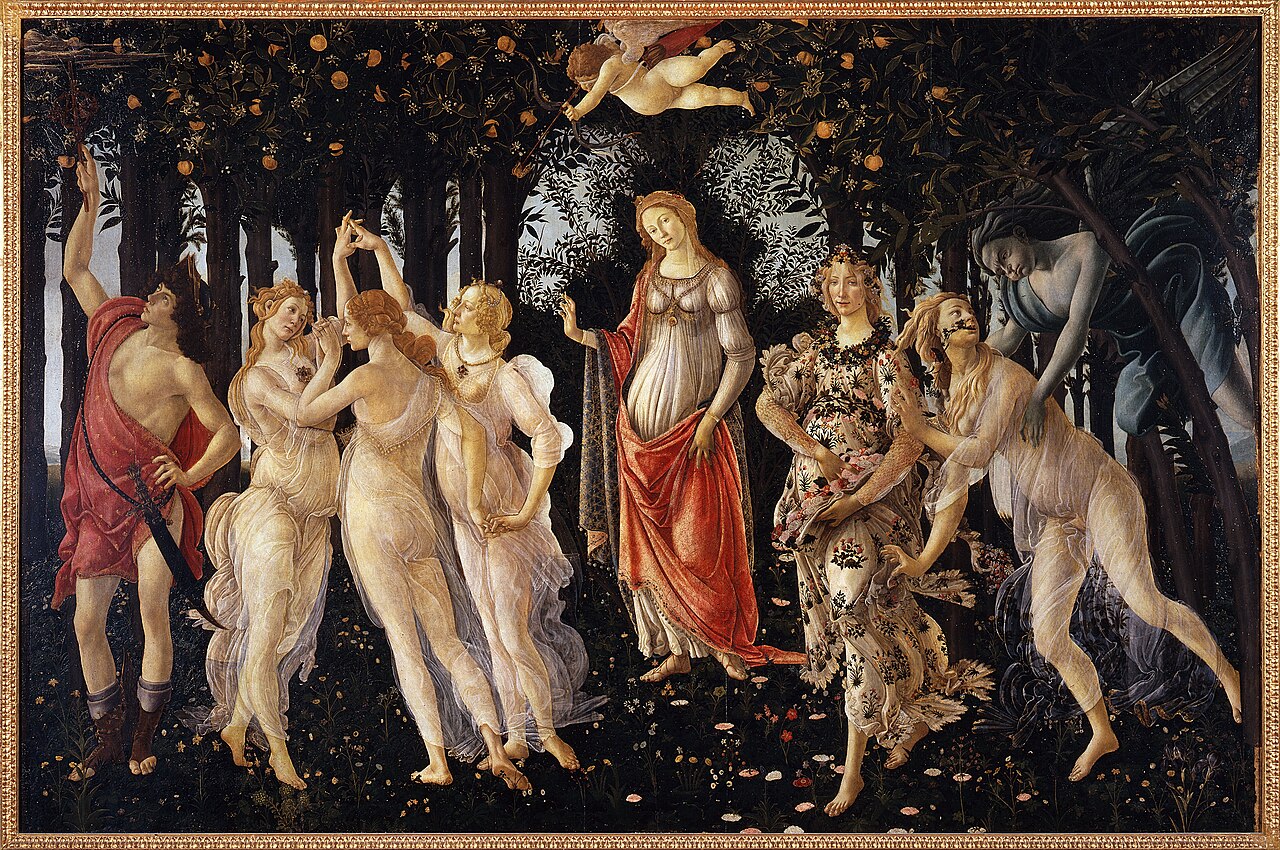 Painting
Primary source
Primavera
Sandro Botticelli · 1480
 Painting
Primary source
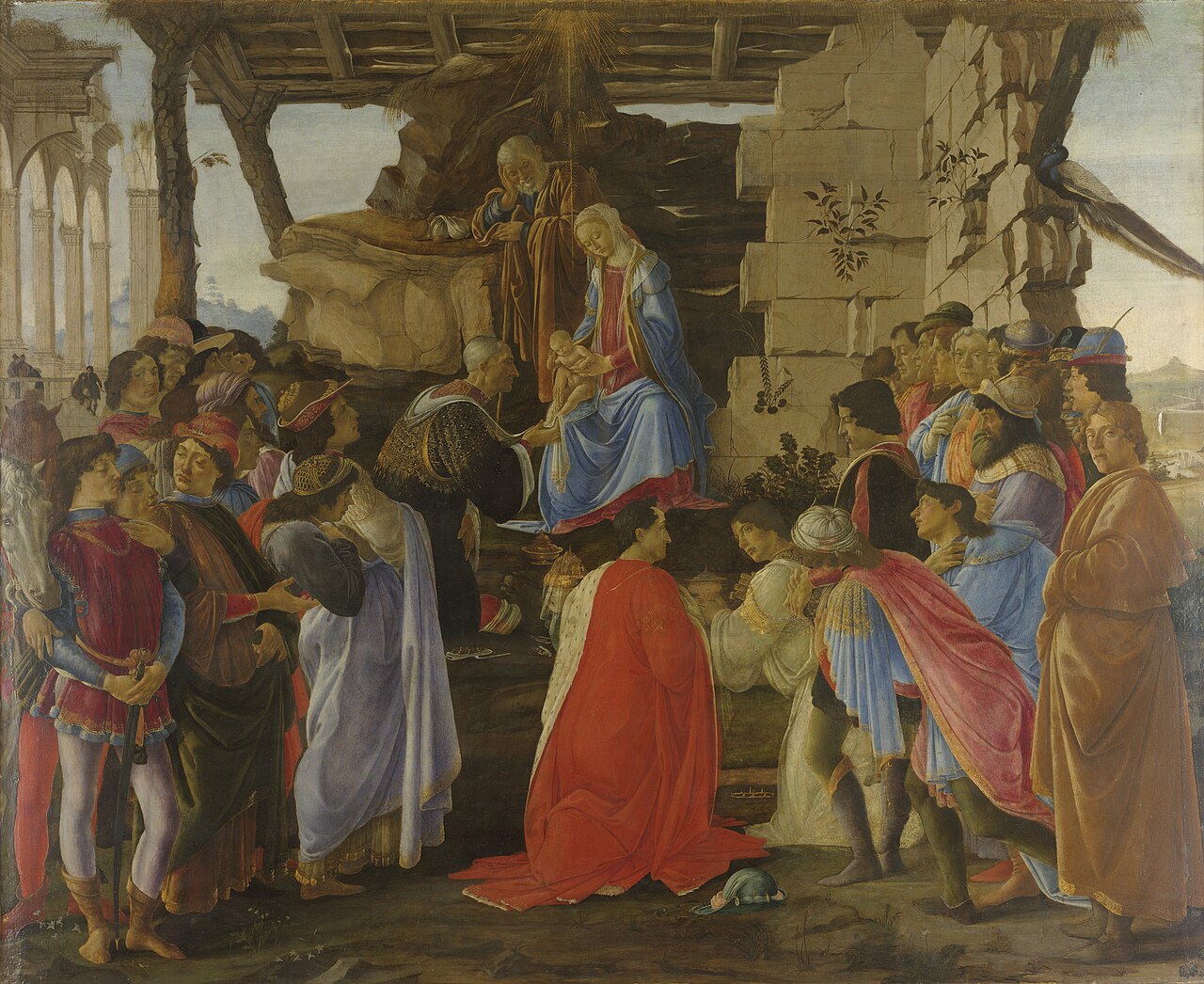
Adoration of the Magi
Sandro Botticelli · c. 1475
 Painting
Primary source
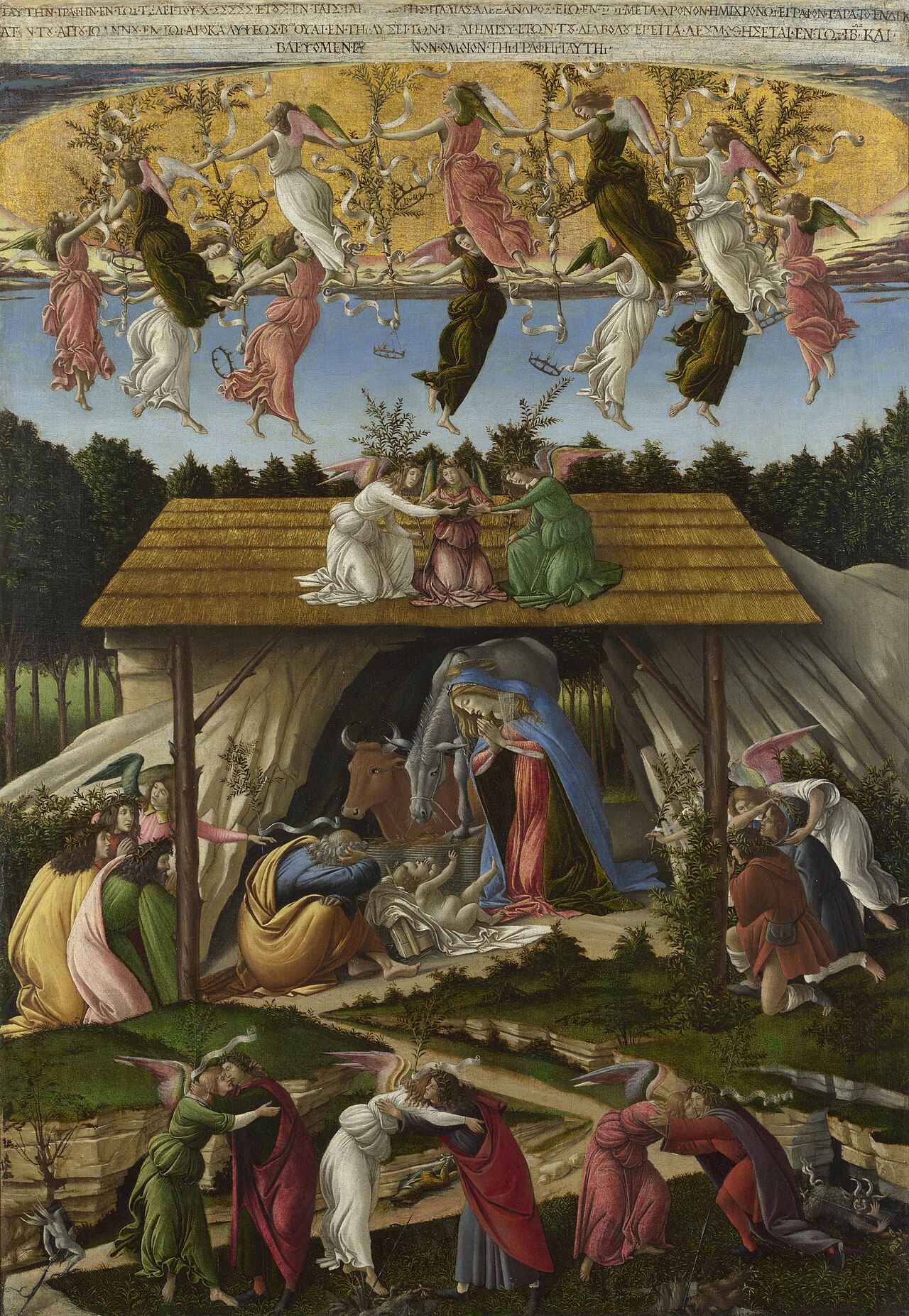
The Mystical Nativity
Sandro Botticelli · 1500-1501
 Painting
Secondary source
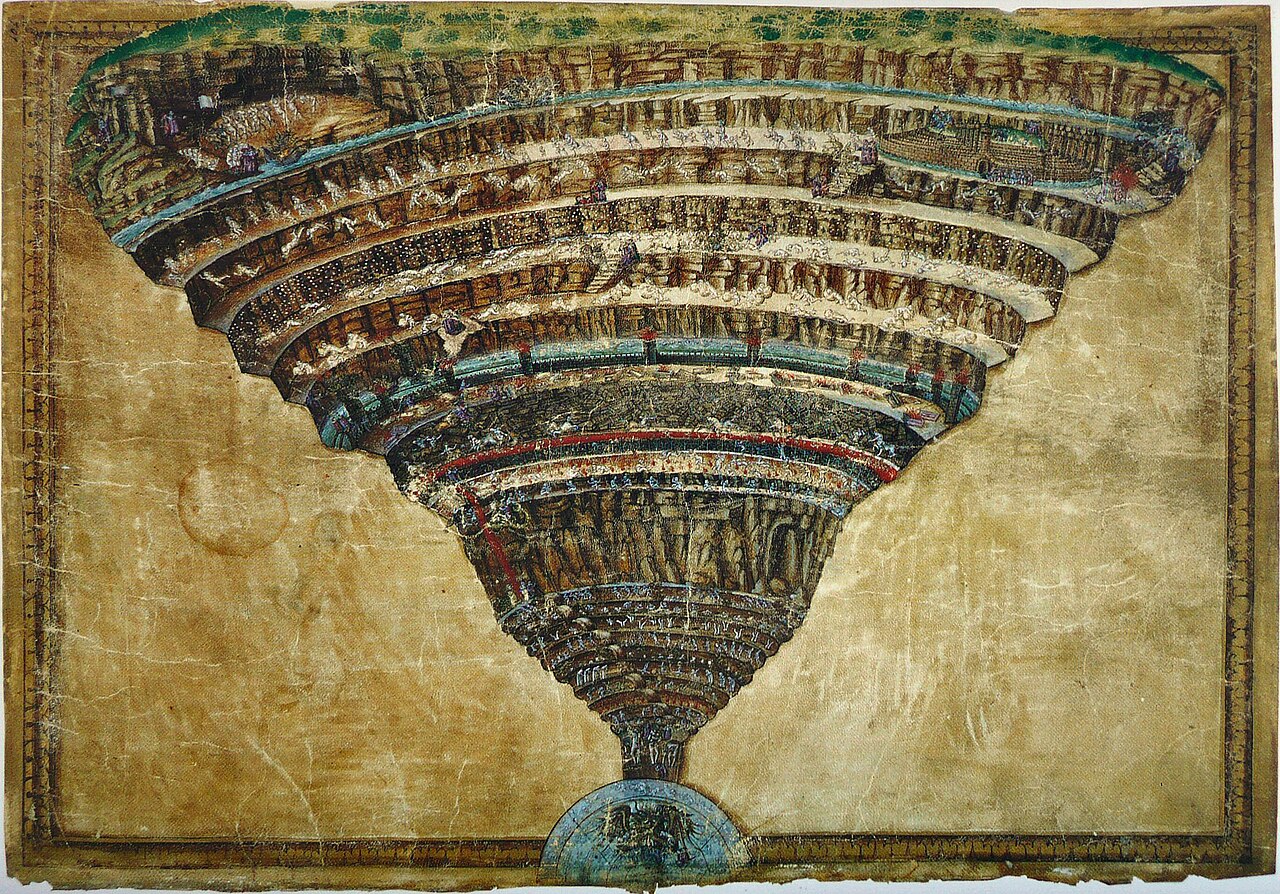
Divine Comedy Illustrated by Botticelli
Sandro Botticelli · 1485
Free account
Read every Sandro Botticelli source
Sign up free →
Ready when you are
Start chatting with Sandro Botticelli now.
20 messages free · No credit card · Available in 50+ languages.