


Secondary sourceNewspaper article
The Bitter Root, National Geographic Magazine, Our State Flowers
A magazine article on the bitterroot flower, the state flower of Montana. It notes that a specimen from Meriwether Lewis's herbarium was the basis for the plant's scientific name.
This article links Lewis to botany through his herbarium specimen of bitterroot, which is how it names him in relation to the expedition.
About this source
What it is
This is a magazine article titled The Bitter Root, part of a National Geographic series called Our State Flowers. It is mostly about the flower, which is named Lewisia rediviva. The article explains that a specimen taken from the herbarium of Meriwether Lewis was first described by the botanist Pursh and given that name. It also describes how the flower became the chosen state flower of Montana and gave its name to a mountain range, a river and a valley.
Why it matters
The article connects Lewis to botany, showing that the expedition also gathered plant specimens. Pursh, the botanist who described the flower, shows how scientists in the early 1800s worked with specimens collected on the journey. The article is a later popular account, so it reflects how the flower and the expedition were celebrated in the 20th century. It reminds readers that the expedition's scientific work was part of its legacy.
Look closer
- Why is Lewis's personal specimen important to the story of this flower?
- What does the article focus on, and how much does it say about Lewis himself?
- How does a popular magazine account of a plant differ from a scientific record made at the time?
This newspaper article is part of the curated material that grounds the AI version of Meriwether Lewis on Humy.ai — when students ask about related events, the AI can quote it and cite it.
More Meriwether Lewis sources
Meet the AI Meriwether Lewis →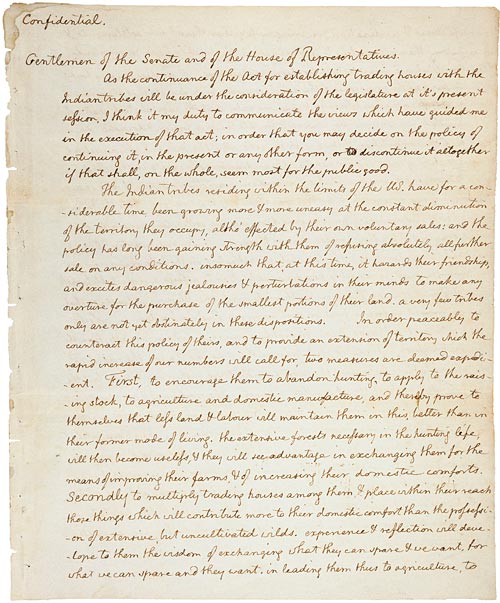 Document
Primary source
Jefferson's Secret Message to Congress Regarding the Lewis and Clark Expedition
Thomas Jefferson · 18 January 1803
Primary source
The Journals of Lewis and Clark
Meriwether Lewis and William Clark · 1804-1806
Primary source
Louisiana Purchase Treaty
30 April 1803
 Painting
Primary source
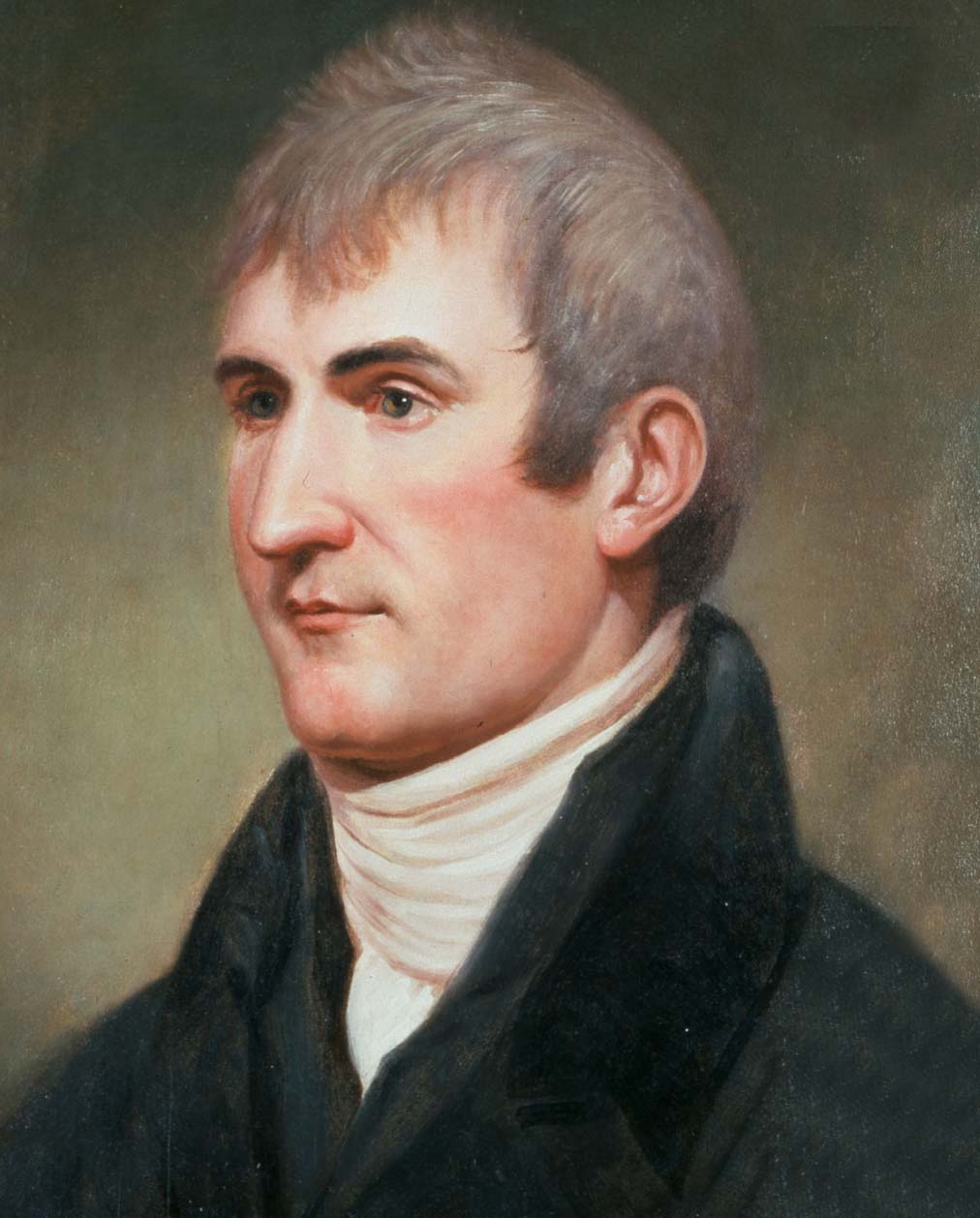
Portrait of Meriwether Lewis
Charles Willson Peale · c. 1807
 Painting
Primary source
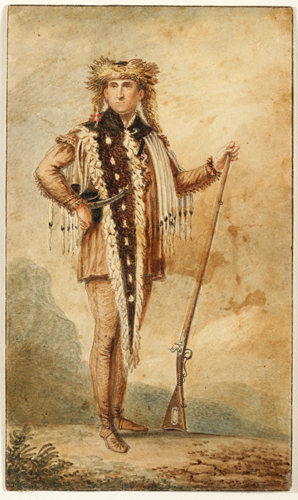
Meriwether Lewis in Frontiersman's Regalia
Charles-Balthazar-Julien Fevret de Saint-Mémin · 1806-1807
Ready when you are
Start chatting with Meriwether Lewis now.
20 messages free · No credit card · Available in 50+ languages.