


Primary sourcePainting1761
The Black Drop Effect
Torbern Bergman · 1761
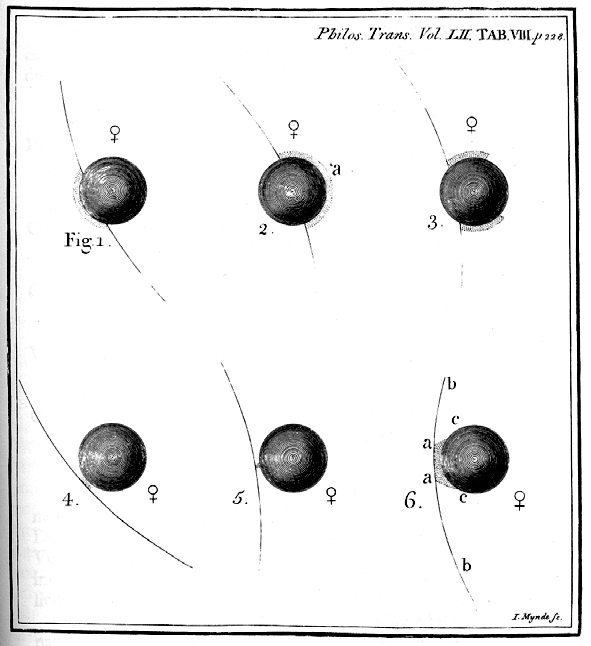
A 1761 drawing by Torbern Bergman showing the black drop effect seen during the transit of Venus, linked to Celsius's Swedish scientific circle.
Created by a Swedish scientist within the circle connected to Celsius, showing the scientific world he helped shape.
About this source
What it is
This engraved plate, published around 1761, shows drawings by the Swedish scientist Torbern Bergman of the "black drop effect" — an optical phenomenon seen when Venus crossed the Sun's disk. It appeared in the Philosophical Transactions and was engraved by J. Mynde.
Why it matters
Torbern Bergman was part of the Swedish scientific community connected to Anders Celsius, who had died in 1744. The black drop effect puzzled astronomers observing the transit and shows the kind of careful visual recording scientists of this era relied on before photography existed.
Look closer
- What do the labelled points in the diagrams suggest the artist was trying to measure or explain?
- Why might an unusual visual effect like this have been worth recording so carefully?
- What does this drawing reveal about the limits of observing with the human eye alone?
This painting is part of the curated material that grounds the AI version of Anders Celsius on Humy.ai — when students ask about related events, the AI can quote it and cite it.
More Anders Celsius sources
Meet the AI Anders Celsius →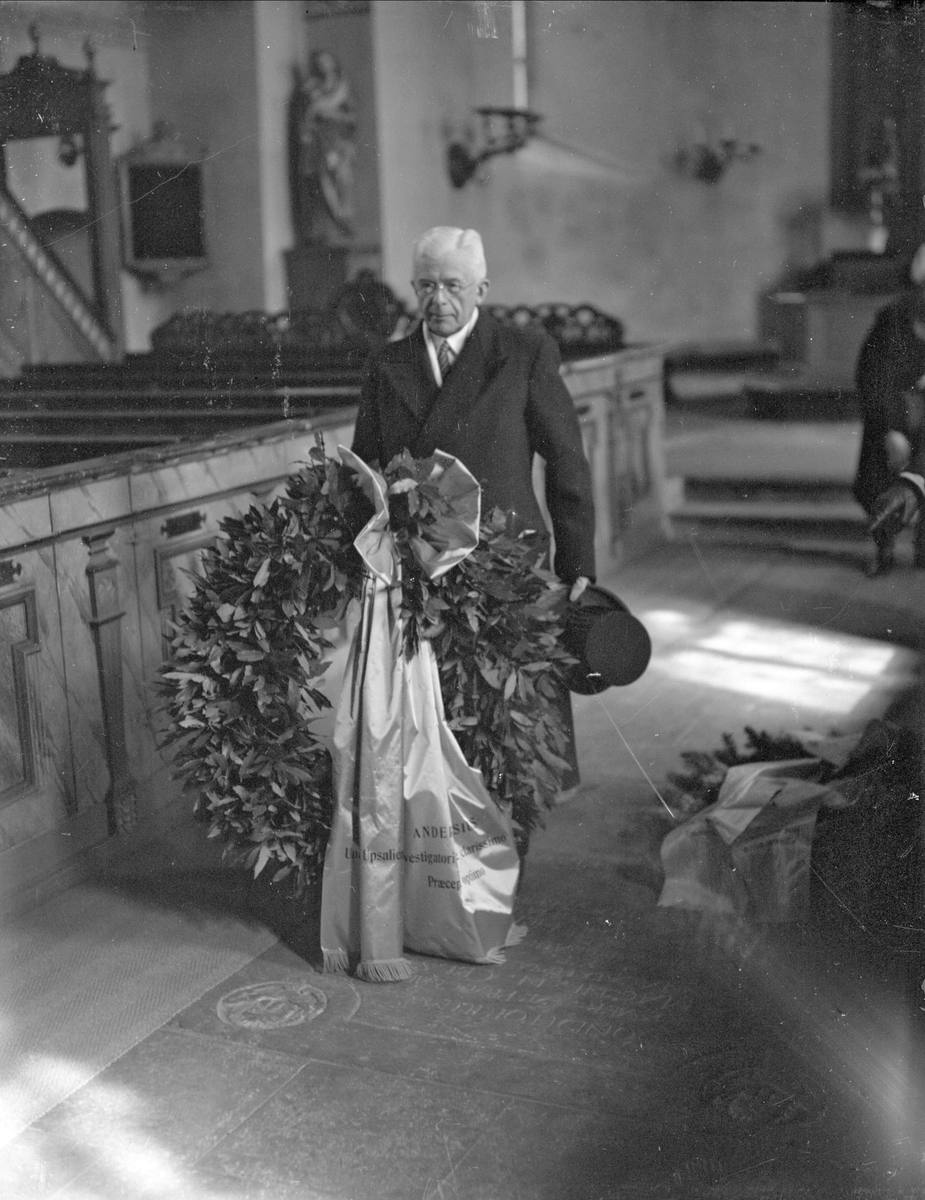 Photograph
Secondary source
Wreath-Laying at Anders Celsius's Grave
Axel Sagerholm · 1944
 Artifact
Primary source
Celsius Original Thermometer Illustration
Anders Celsius · 1742
 Photograph
Secondary source
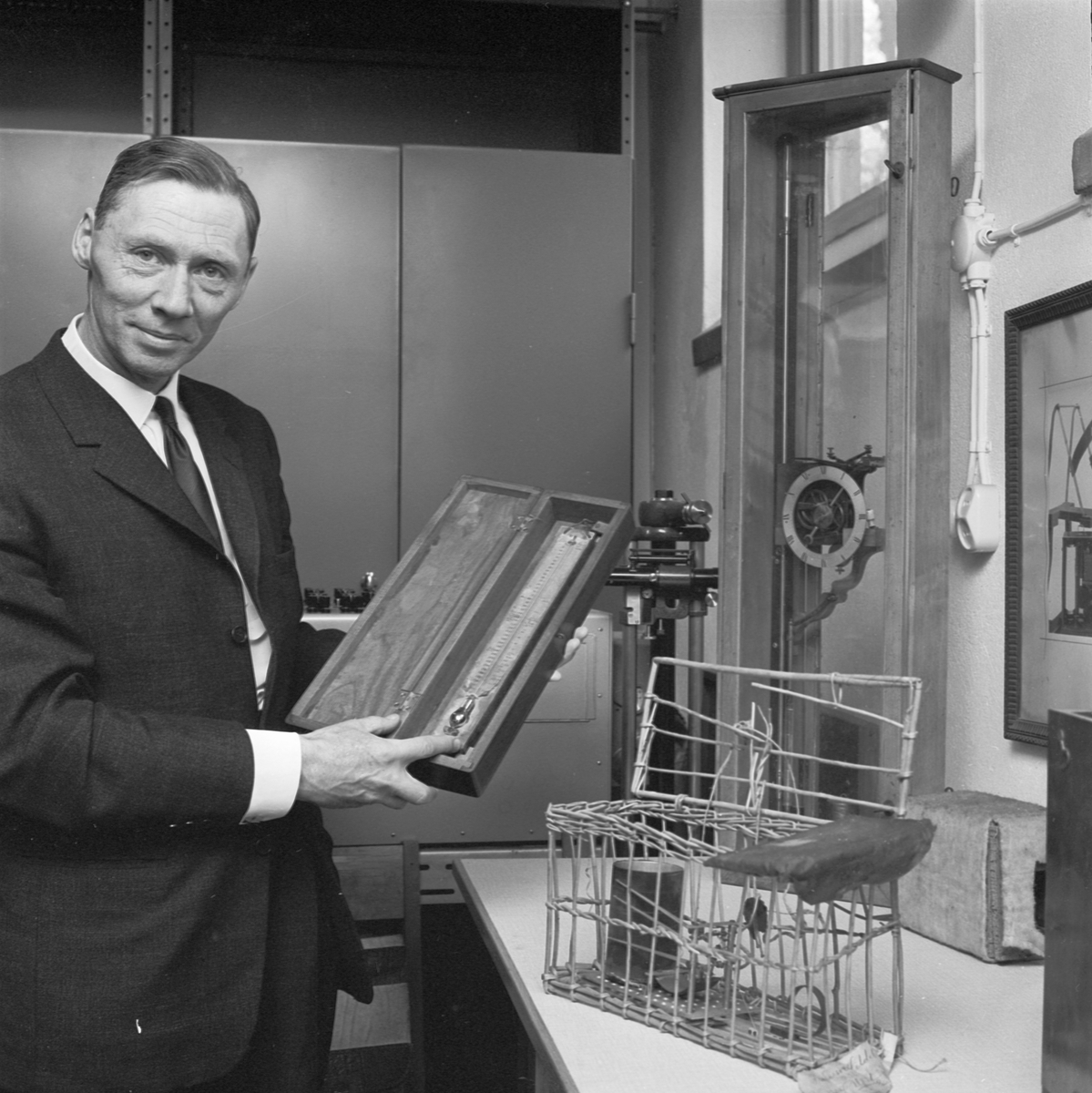
Celsius's Inverted Thermometer in the Uppsala Meteorology Museum
Uppsala-Bild · 1963
 Painting
Primary source
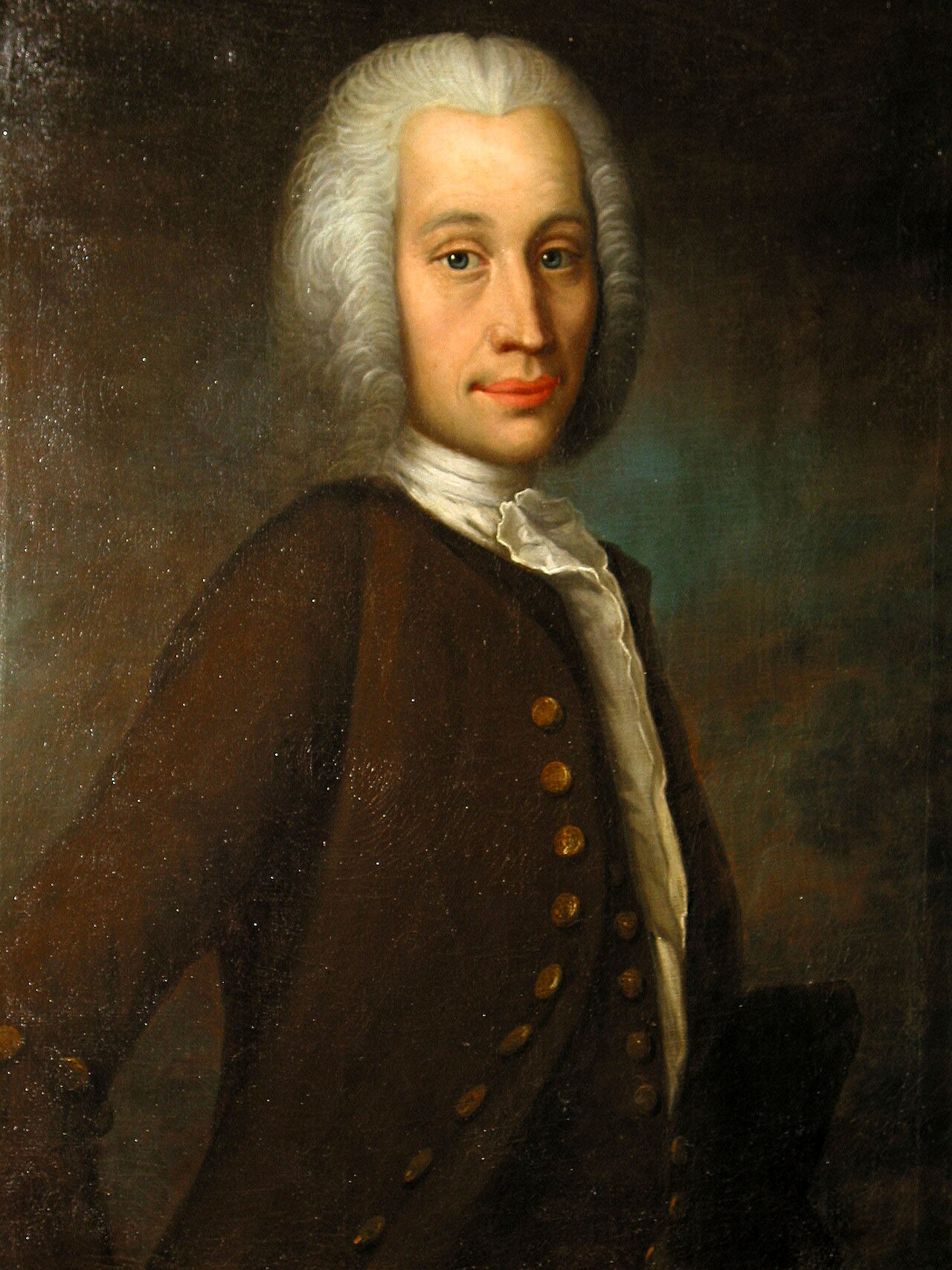
Portrait of Anders Celsius
Olof Arenius · 1733
 Photograph
Secondary source
Celsius House, Former Observatory
Uppsala-Bild · 1964
Ready when you are
Start chatting with Anders Celsius now.
20 messages free · No credit card · Available in 50+ languages.