


Secondary sourceBook1852
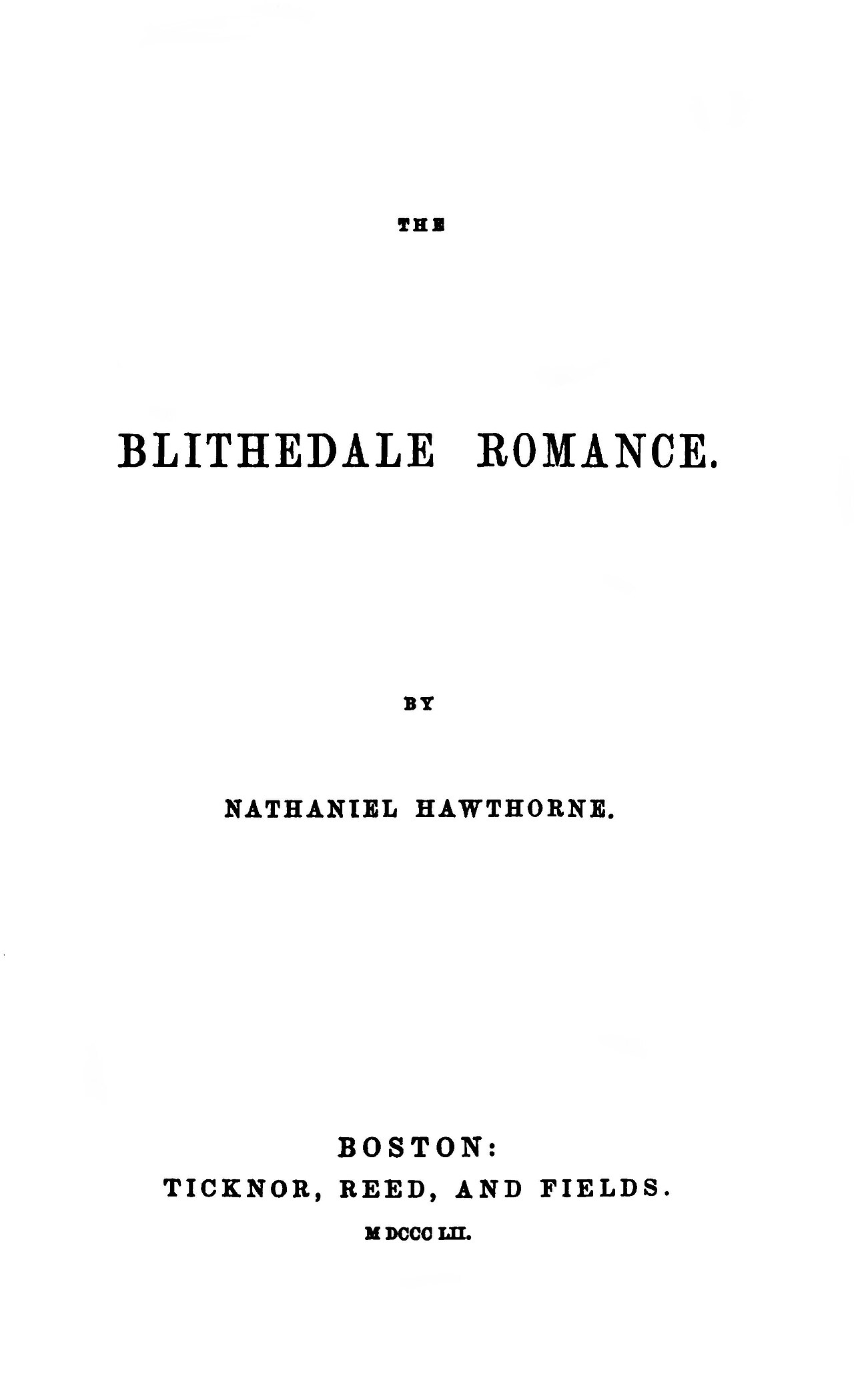
The Blithedale Romance
Nathaniel Hawthorne · 1852
Hawthorne's 1852 novel set at a utopian commune features a reformer character, Zenobia, widely read as inspired by Margaret Fuller.
The novel's reformer character Zenobia is widely interpreted as a literary portrait inspired by Fuller.
About this source
What it is
This is a novel by Nathaniel Hawthorne, published in 1852 and set at a fictional utopian farming community modeled on Brook Farm, where Hawthorne himself had lived. The story follows several characters, including the charismatic reformer Zenobia.
Why it matters
Readers have long connected the character of Zenobia to Margaret Fuller, seeing the novel as a reflection of how contemporaries like Hawthorne viewed strong, outspoken women reformers of the era. The novel also shows how real communities such as Brook Farm inspired fiction exploring the tension between ideals and personal desires.
Look closer
- Why might a novelist base a fictional character on a real person instead of writing directly about them?
- What can comparing a real person to a fictional character tell us, and what might it distort?
- Why do you think readers linked Zenobia specifically to Fuller?
This book is part of the curated material that grounds the AI version of Margaret Fuller and Nathaniel Hawthorne on Humy.ai — when students ask about related events, the AI can quote it and cite it.
More Margaret Fuller sources
Meet the AI Margaret Fuller →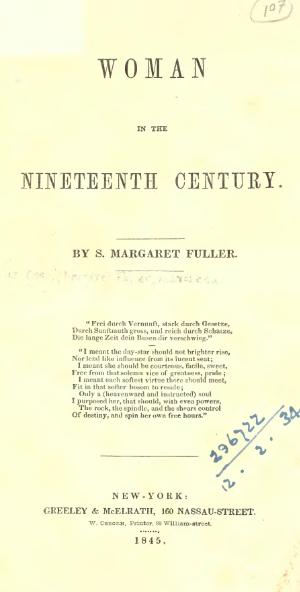 Book
Primary source
Woman in the Nineteenth Century
Margaret Fuller · 1845
 Newspaper article
Primary source
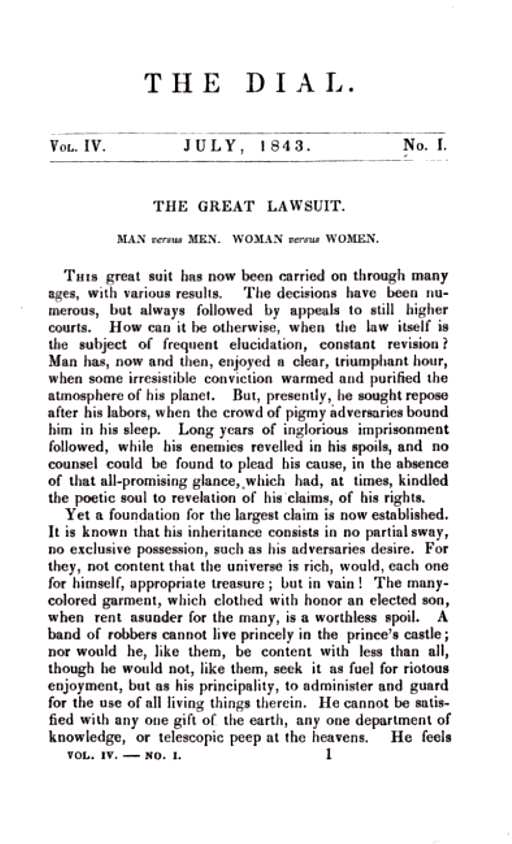
The Great Lawsuit
Margaret Fuller · July 1843
 Photograph
Primary source
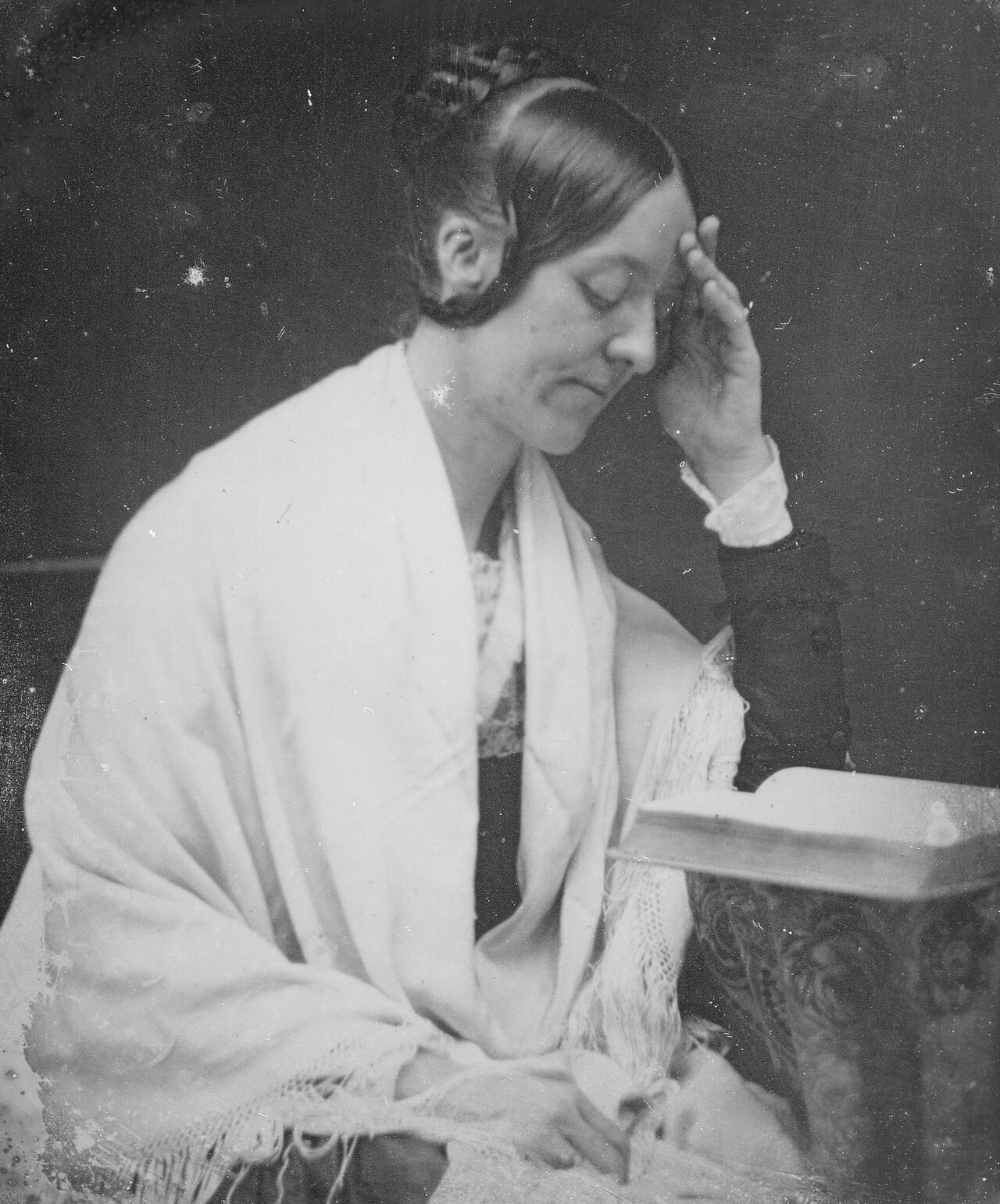
Margaret Fuller by John Plumbe, Jr.
John Plumbe, Jr. · 1846
 Book
Primary source
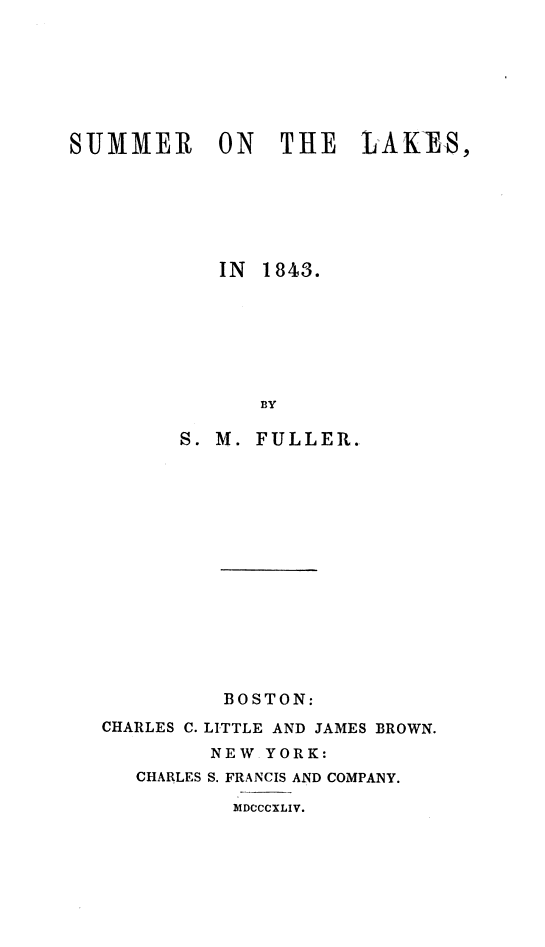
Summer on the Lakes
Margaret Fuller · 1844
Newspaper articlePrimary source
The Dial
Margaret Fuller · 1840
Ready when you are
Start chatting with Margaret Fuller now.
20 messages free · No credit card · Available in 50+ languages.