


Primary sourceBook1794
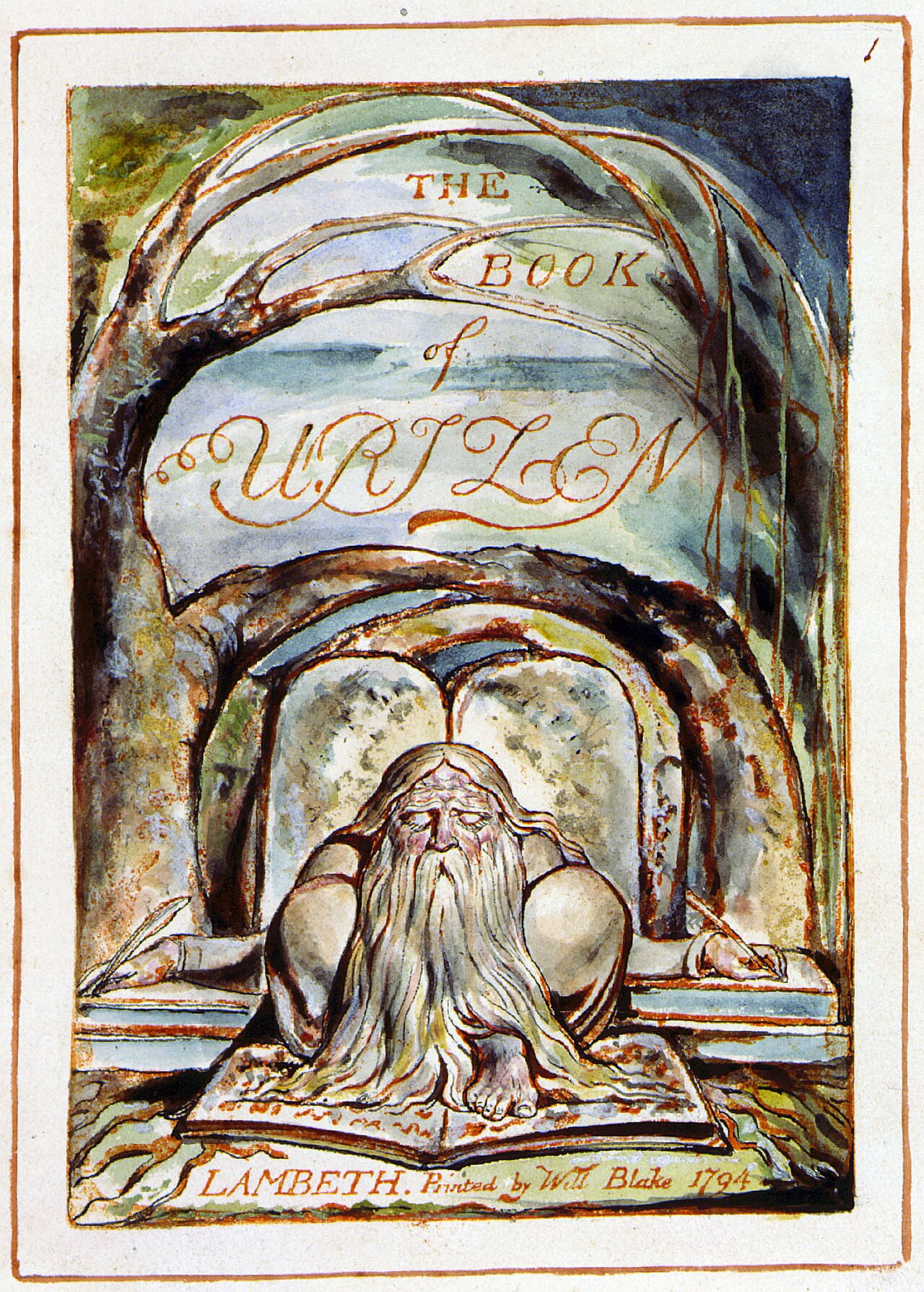
The Book of Urizen
William Blake · 1794
Blake's 1794 illuminated anti-Genesis myth, introducing the tyrannical lawgiver Urizen as a symbol of oppressive reason.
Blake wrote, engraved and coloured this book, using it to criticise reason and religious dogma through his own mythology.
Free Humy account · No credit card · 120,912 sources to read
About this source
What it is
Written and illustrated by William Blake and first printed in 1794 as The First Book of Urizen, this illuminated book survives in only eight known copies, all colour-printed. It was produced, like Blake's other 'Lambeth Books', entirely at his home.
Why it matters
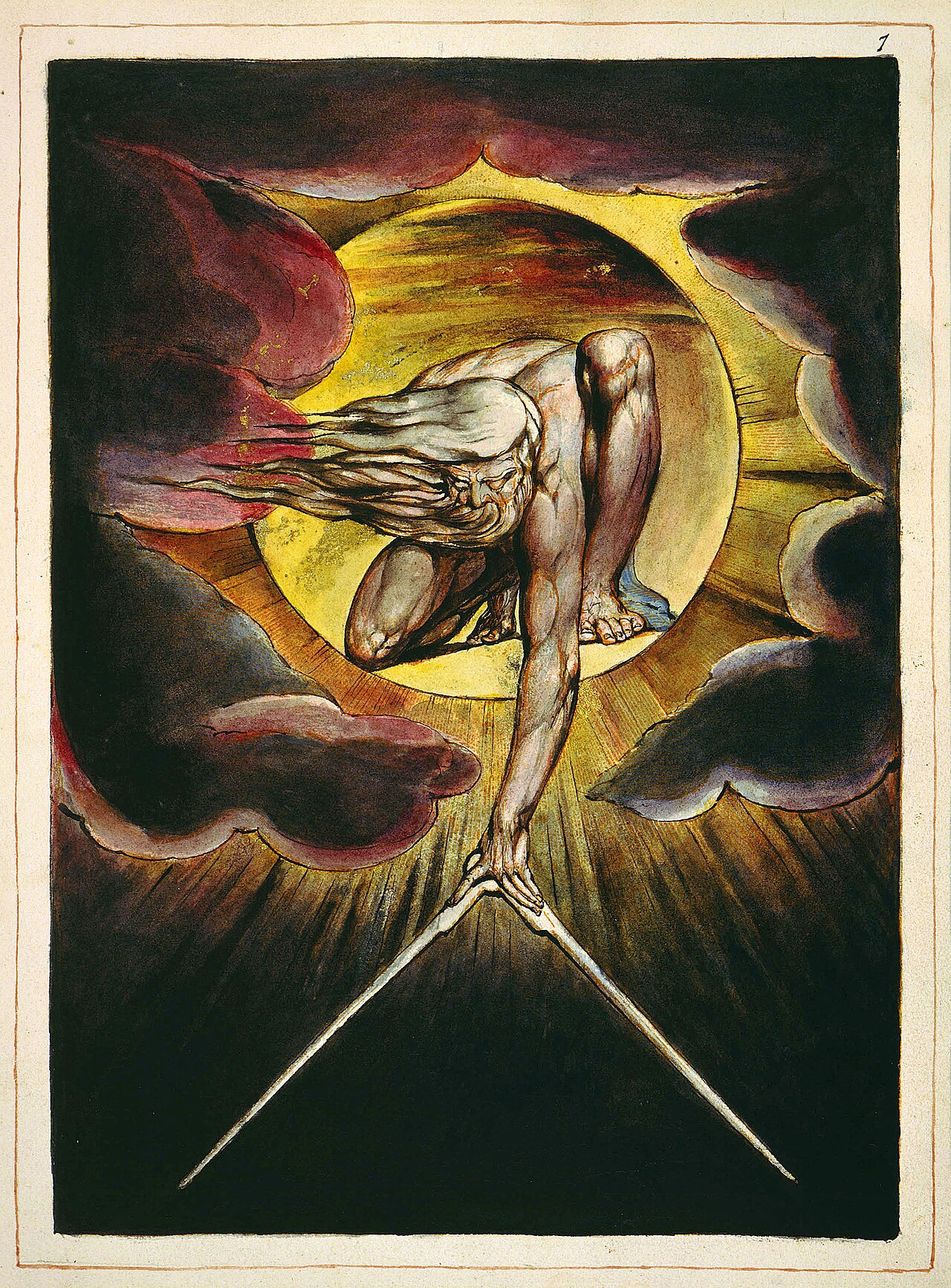
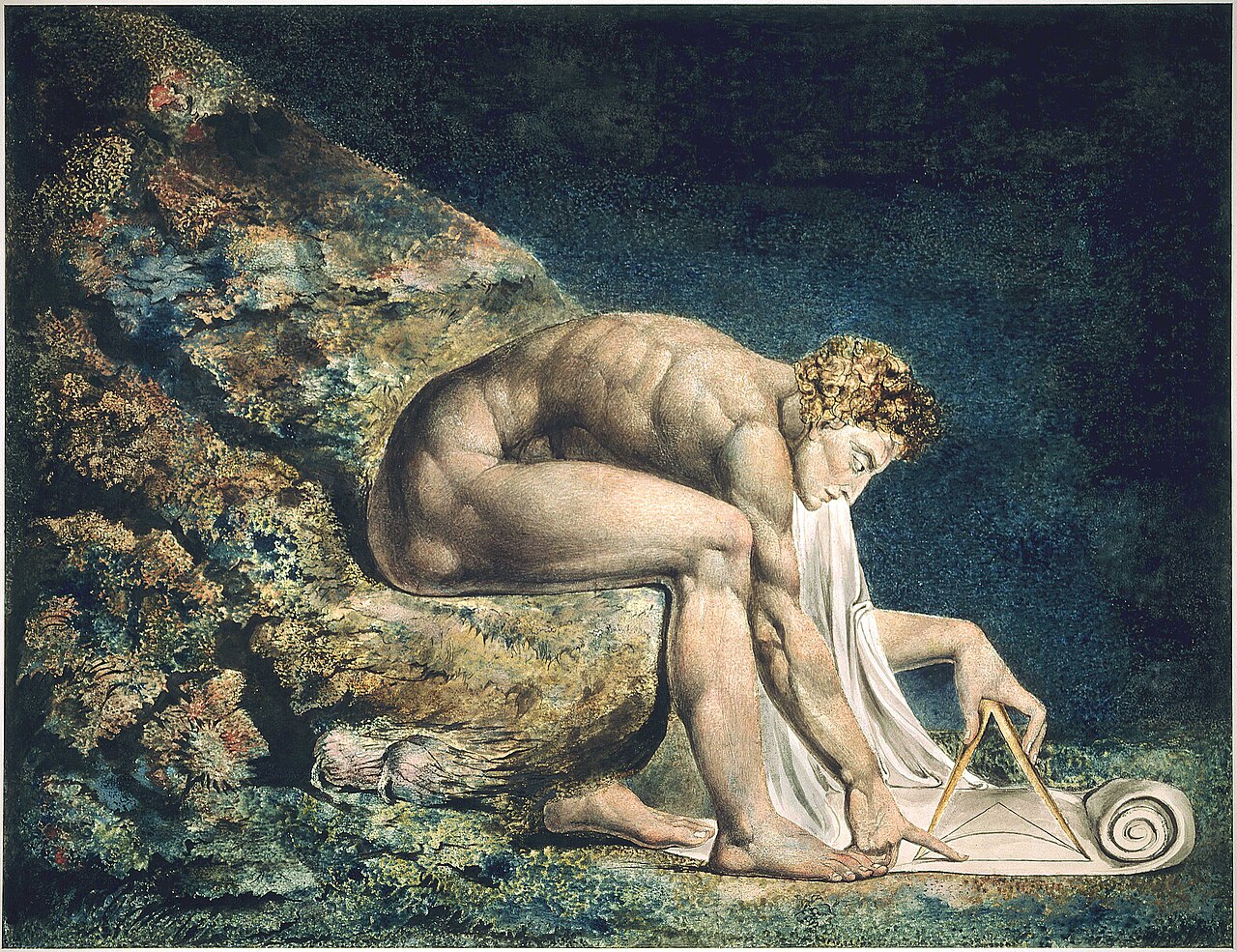
The book parodies the biblical Book of Genesis, telling how the character Urizen separates from eternity to create his own world of laws and religious dogma. Blake used this myth to criticise Enlightenment reason and Newtonian science, which he believed trapped human imagination in chains. The work reveals how Blake used invented mythology to comment on real philosophical and religious debates of his time.
Look closer
- What might the image of an old man writing in a book suggest about Urizen's role?
- Why would Blake choose to parody the Bible's creation story instead of writing directly about religion?
- What does the survival of only eight copies tell us about how this book was made and shared?
This book is part of the curated material that grounds the AI version of William Blake on Humy.ai — when students ask about related events, the AI can quote it and cite it.
More William Blake sources
Browse all 75 →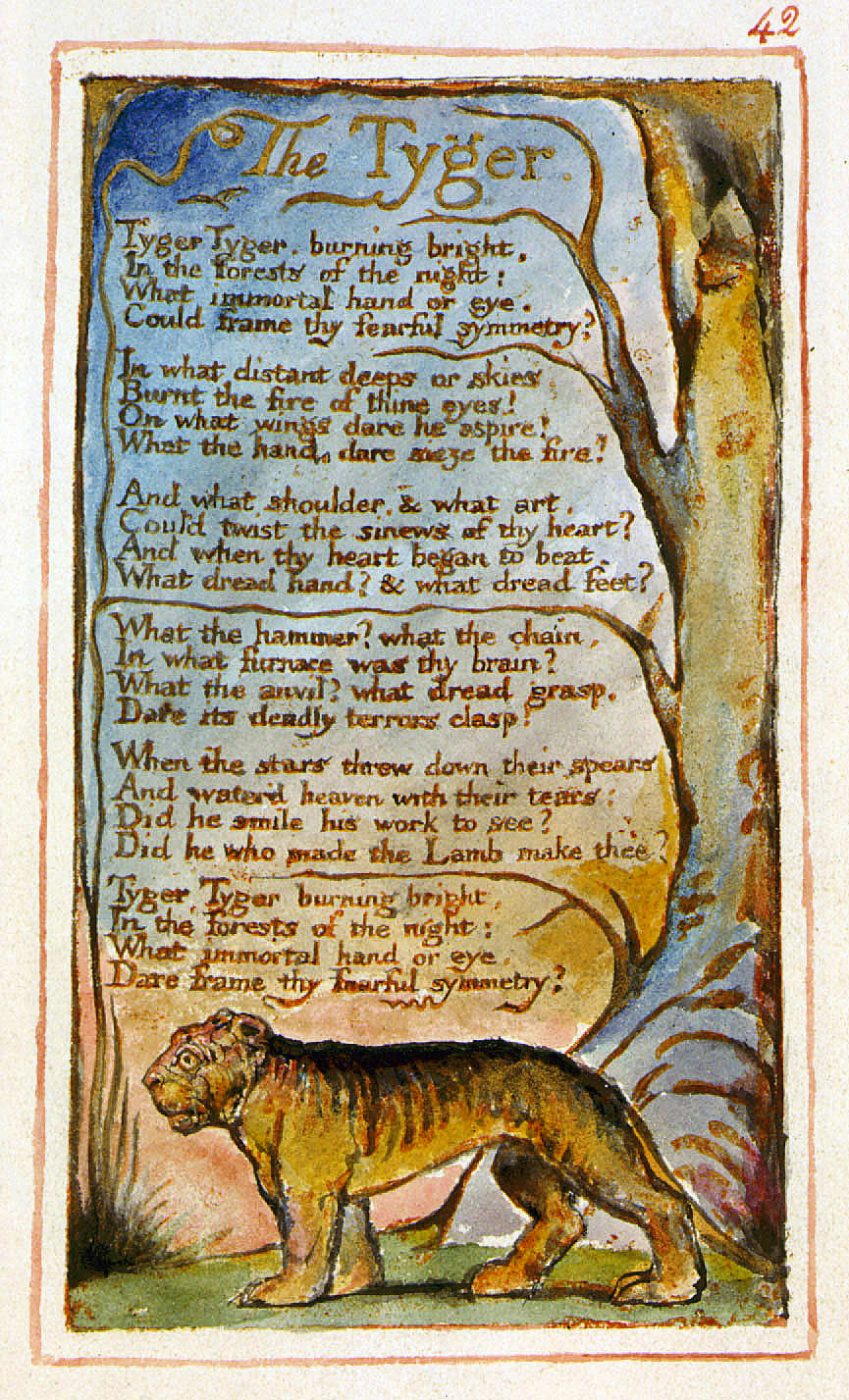 Book
Primary source
The Tyger
William Blake · 1794
 Book
Primary source
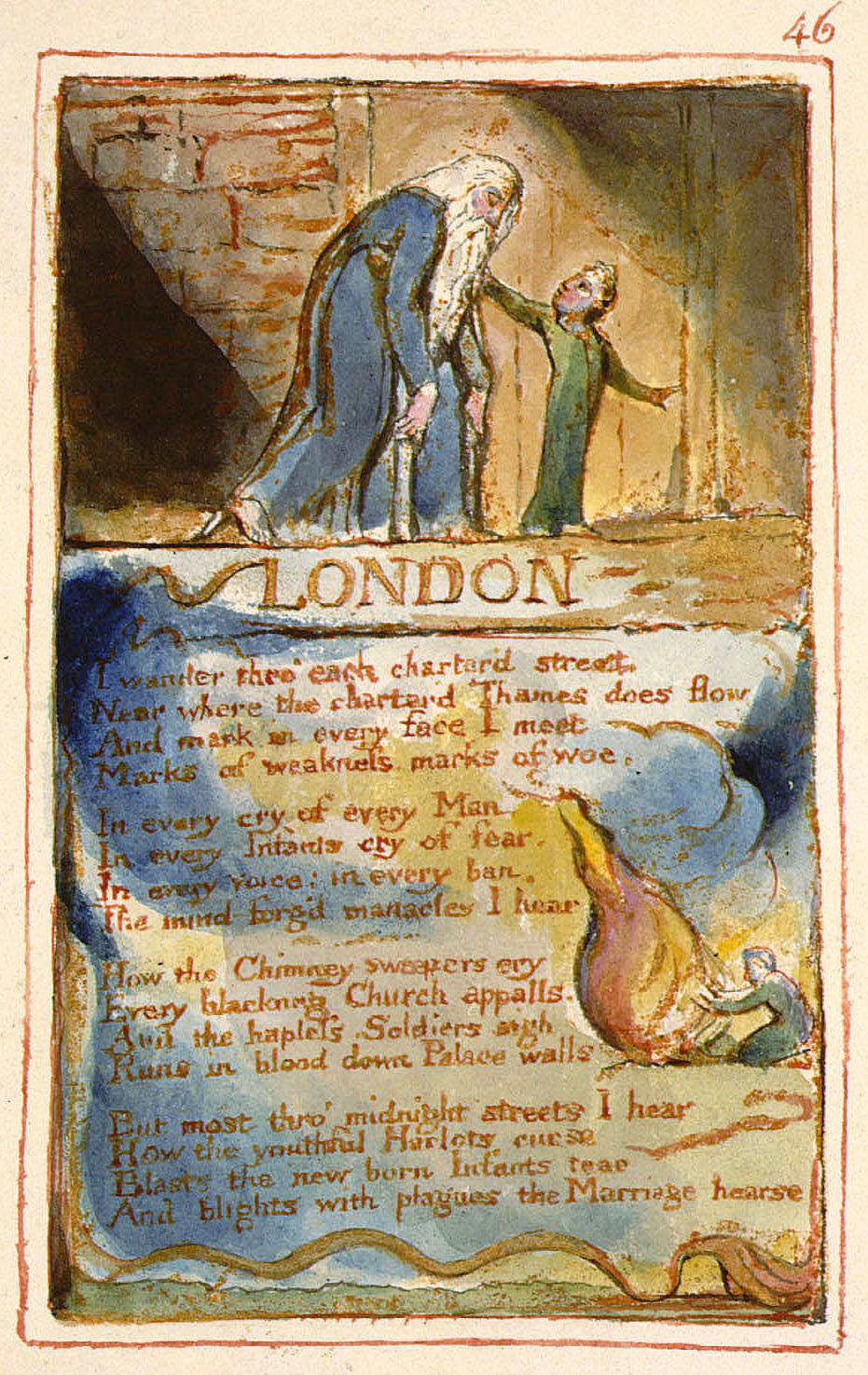
London
William Blake · 1794
 Book
Primary source
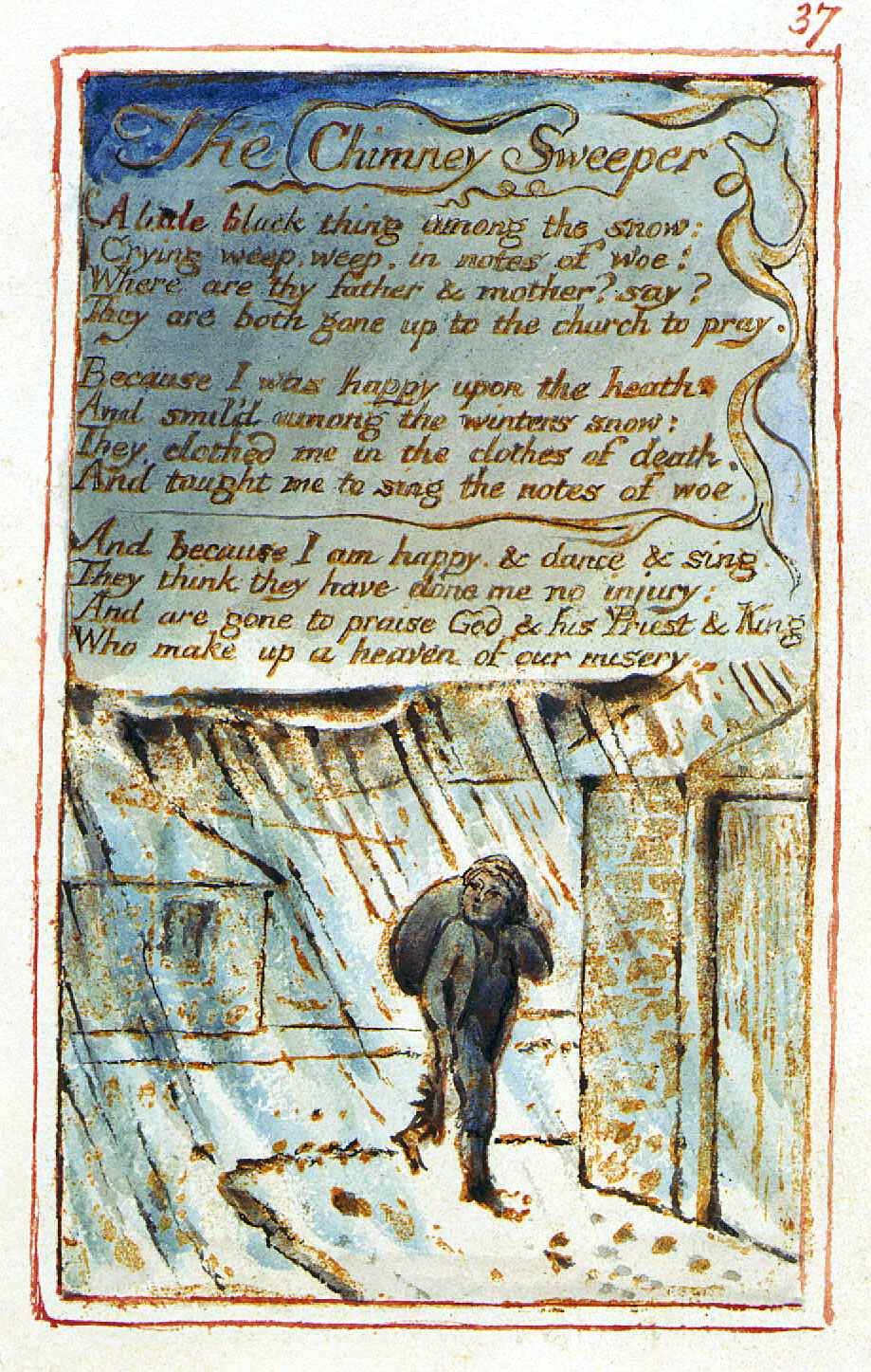
The Chimney Sweeper
William Blake · 1789 and 1794
 Book
Primary source
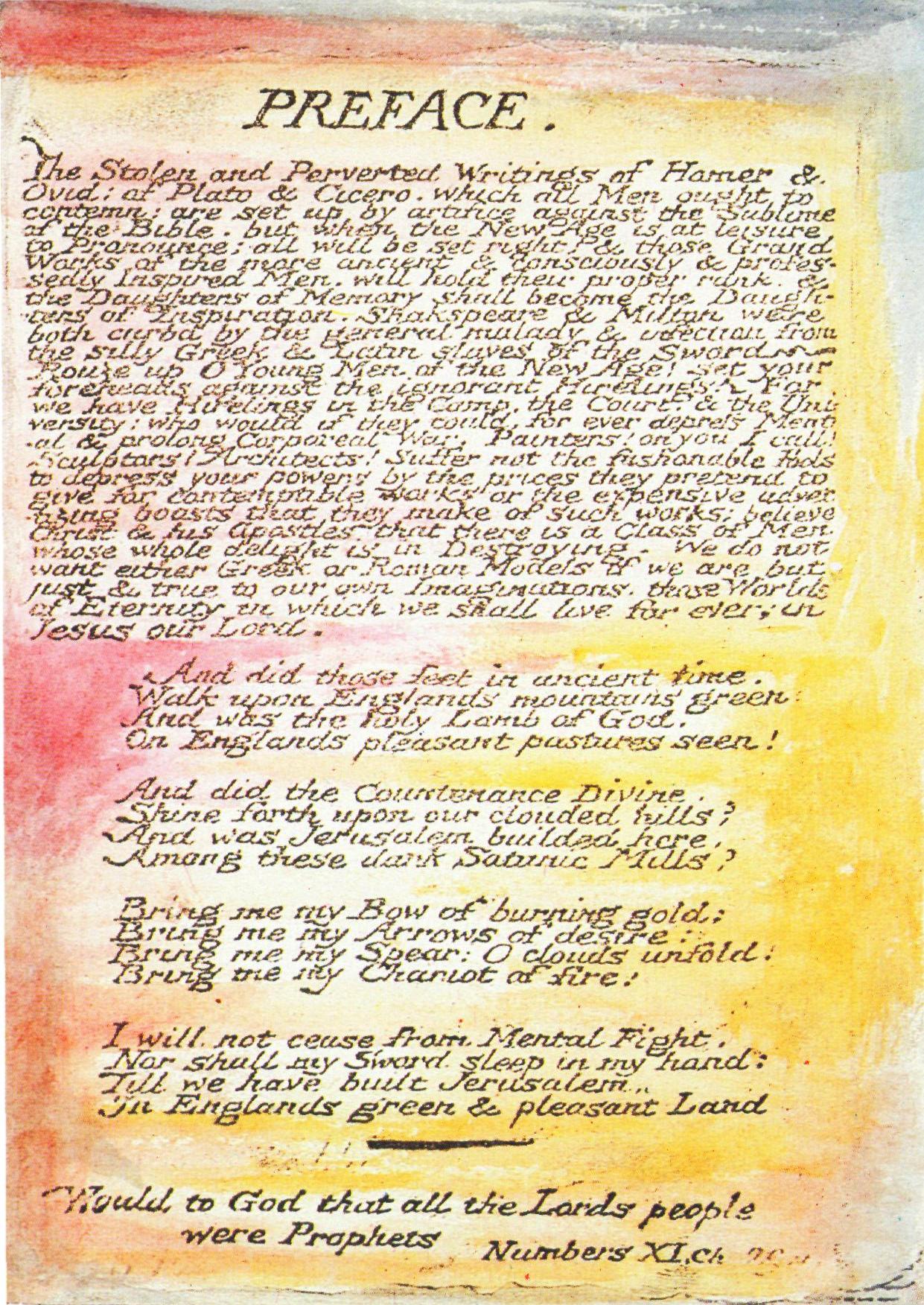
And did those feet in ancient time
William Blake · 1804 (printed c. 1808)
Free account
Read every William Blake source
Sign up free →
Ready when you are
Start chatting with William Blake now.
20 messages free · No credit card · Available in 50+ languages.