


Primary sourcePainting28 June 1842
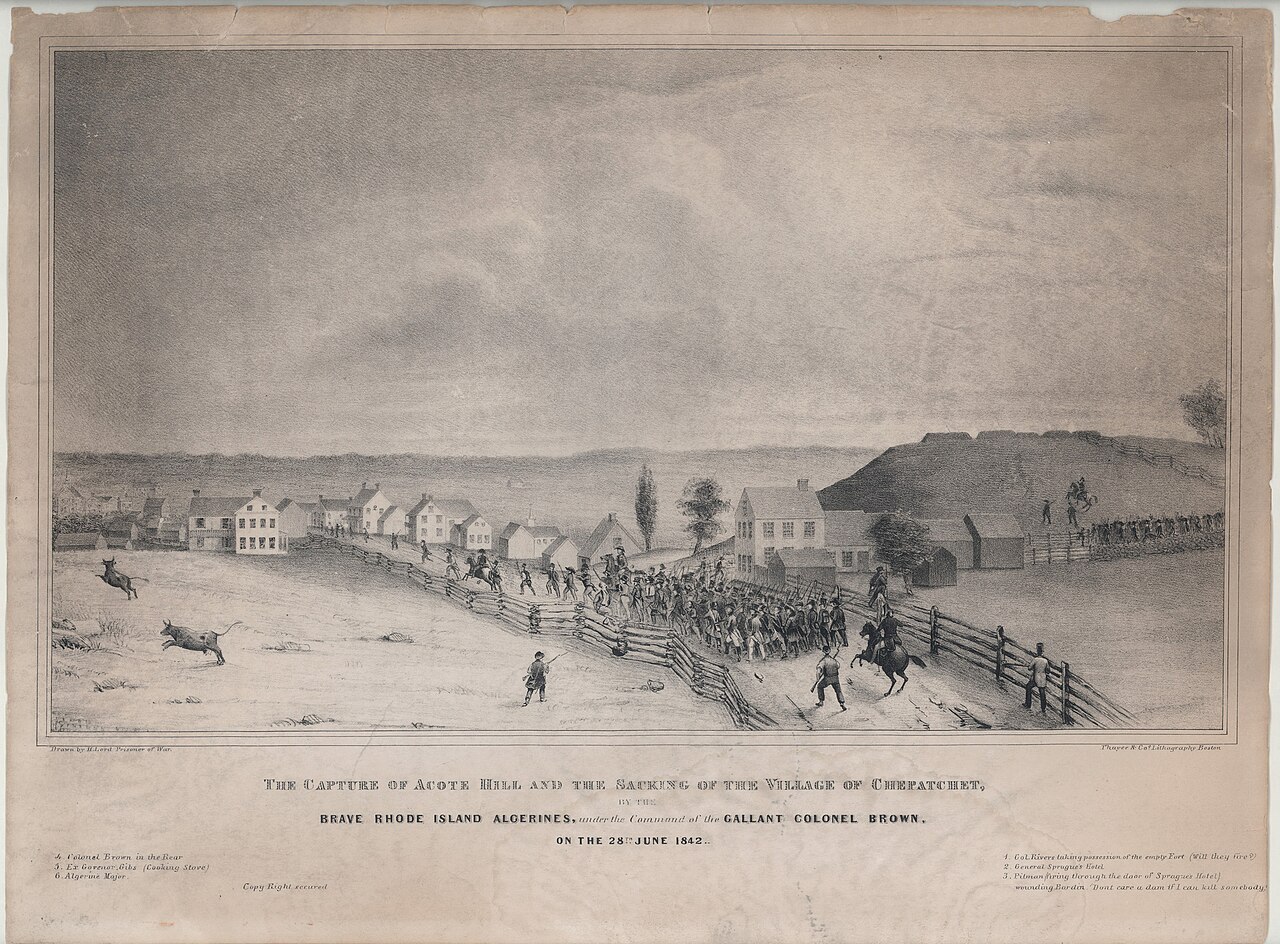
The Capture of Acote Hill and the Sacking of the Village of Chepatchet
Henry Lord · 28 June 1842
An 1842 eyewitness print depicting the final defeat of Dorr's rebel forces at Acote Hill and Chepatchet.
This eyewitness print depicts the military defeat that ended Dorr's rebellion.
About this source
What it is
This lithograph was made in 1842 by Henry Lord, who was present at the event it depicts. It shows the village of Chepatchet, armed men marching under command, and a fortified hill, titled with a mocking reference to the militia as "Rhode Island Algerines" under Colonel Brown.
Why it matters
This print records the final military defeat of the uprising led by Thomas Wilson Dorr in June 1842. Made by someone who witnessed the event, it is a rare firsthand visual account of how the rebellion ended, and its sarcastic title shows strong feelings about the militia's actions.
Look closer
- Why might the title mock the militia as "brave" and "gallant" rather than praise them sincerely?
- What does the depiction of fleeing figures suggest about the impact on ordinary villagers?
- Since Lord was an eyewitness, how might his personal viewpoint have shaped what he chose to show?
This painting is part of the curated material that grounds the AI version of Thomas Wilson Dorr on Humy.ai — when students ask about related events, the AI can quote it and cite it.
More Thomas Wilson Dorr sources
Browse all 40 →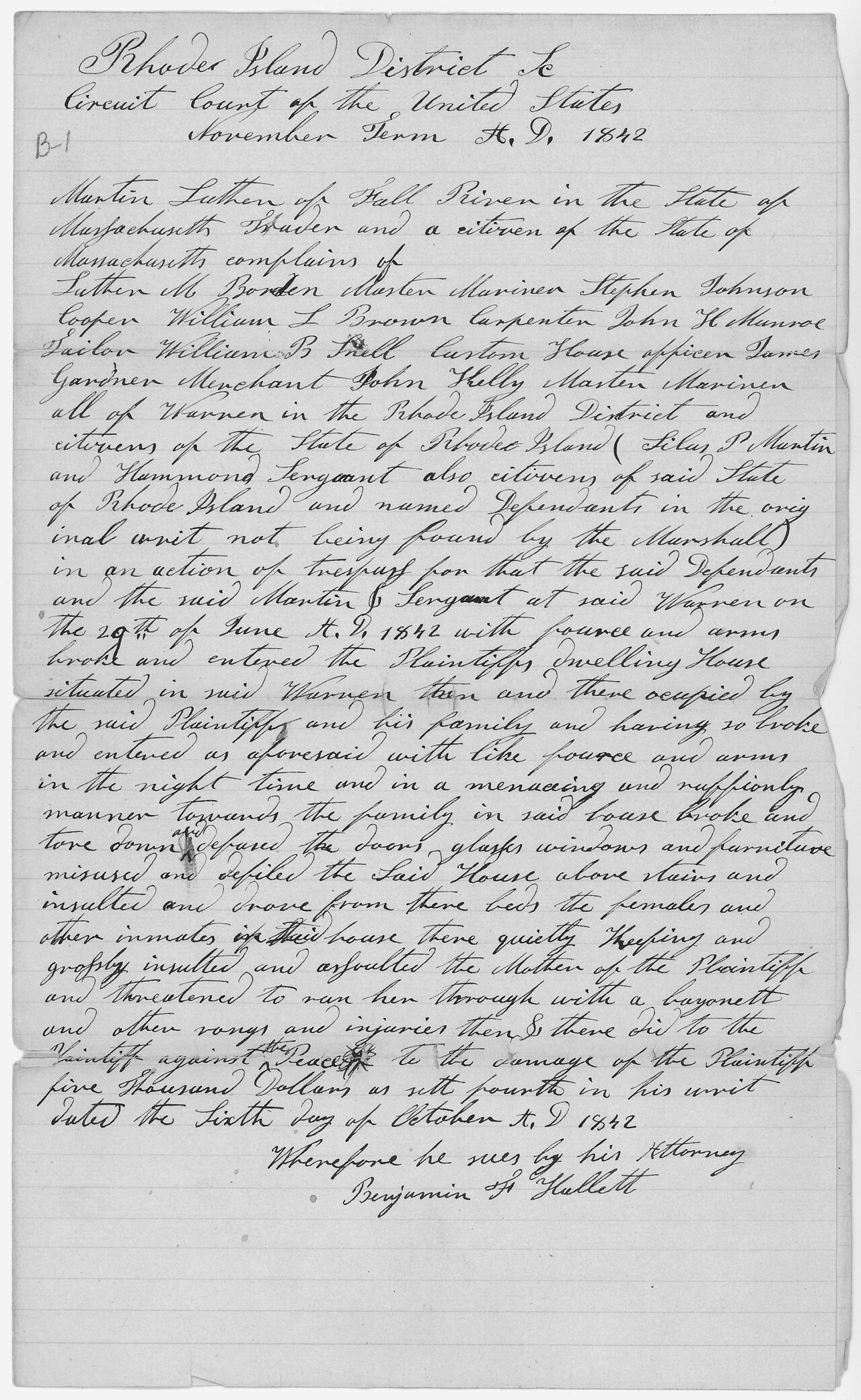 Document
Primary source
Luther v. Borden
U.S. Supreme Court (Chief Justice Roger B. Taney) · 1849
 Painting
Primary source
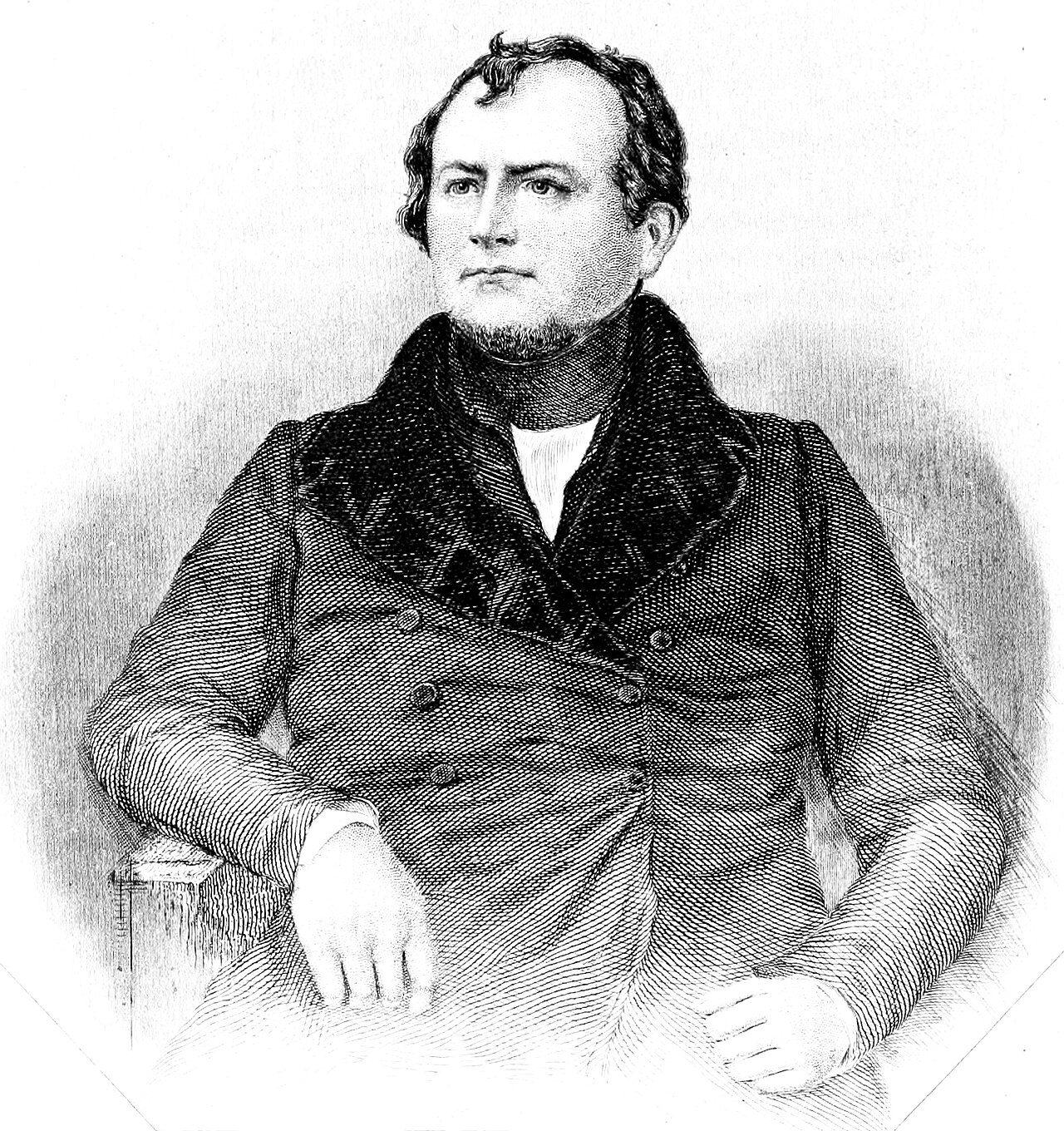
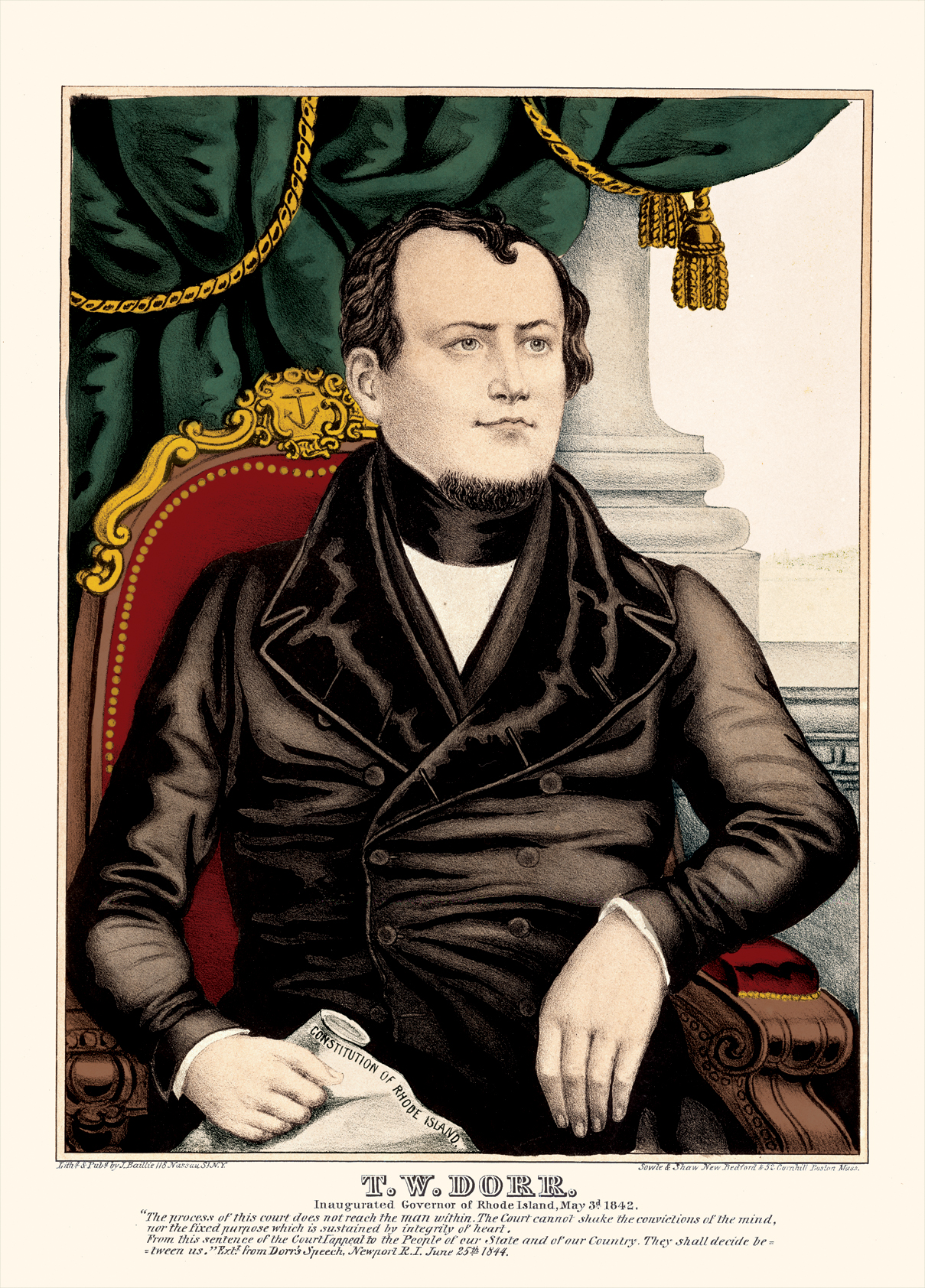
Portrait of Thomas Wilson Dorr
1845
 Painting
Primary source
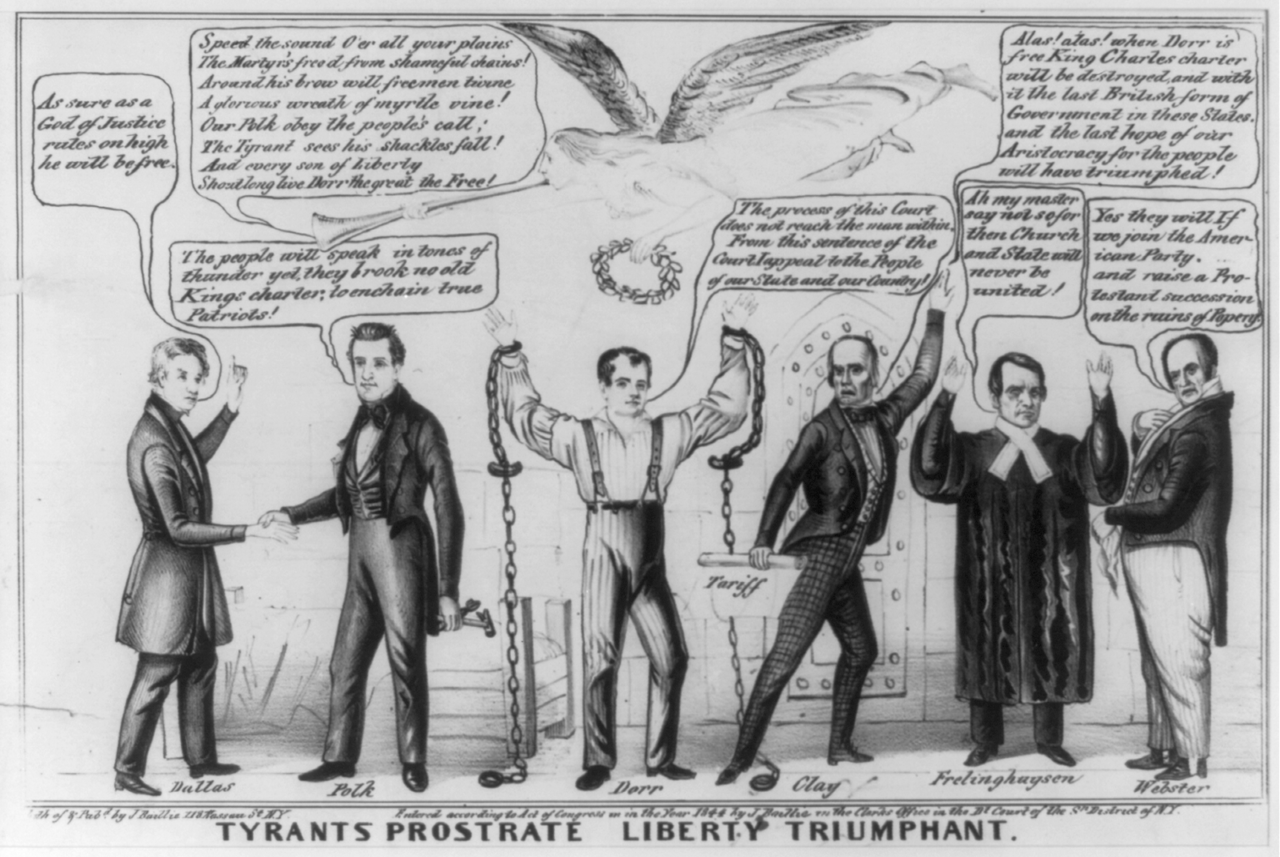
Tyrants Prostrate Liberty Triumphant
Primary source
Ex parte Dorr
Supreme Court of the United States · 1845
Free account
Read every Thomas Wilson Dorr source
Sign up free →
Ready when you are
Start chatting with Thomas Wilson Dorr now.
20 messages free · No credit card · Available in 50+ languages.