


Secondary sourceArtifactComposed 1886; recorded c. 1980
The Carnival of the Animals: L'Éléphant (The Elephant)
Camille Saint-Saëns · Composed 1886; recorded c. 1980
An excerpt from Saint-Saëns's 1886 orchestral suite The Carnival of the Animals, in a recording made around 1980.
This movement is part of a suite Saint-Saëns composed, shown here in a later recording made long after his death.
Free Humy account · No credit card · 120,912 sources to read
About this source
What it is
This is the movement "L'Éléphant (The Elephant)" from Camille Saint-Saëns's suite The Carnival of the Animals, composed in 1886. The audio file is a recording made about a century later, around 1980.
Why it matters
Saint-Saëns's suite pokes gentle fun at other composers and musical styles while portraying animals. "L'Éléphant" is known for giving heavy, low double-bass music to a tune usually played lightly elsewhere, a joke that shows his cleverness and deep knowledge of the musical repertoire of his time.
Look closer
- What low or heavy sounds suggest an elephant's size?
- Why might composers write musical jokes referencing other pieces?
- What is lost or gained by hearing this piece in a much later recording?
This artifact is part of the curated material that grounds the AI version of Camille Saint-Saëns on Humy.ai — when students ask about related events, the AI can quote it and cite it.
More Camille Saint-Saëns sources
Browse all 92 →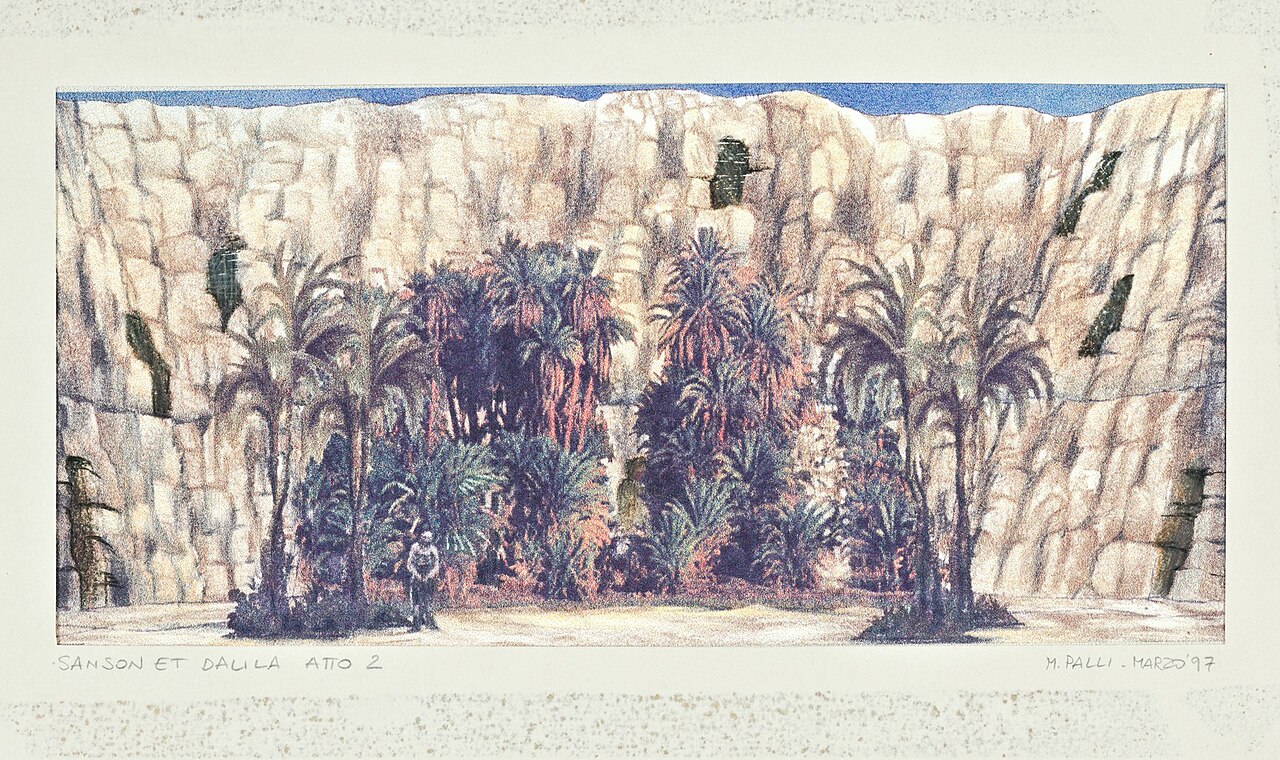 Document
Secondary source
Samson and Delilah
Camille Saint-Saëns · 1877 (premiere); composed from 1867
 Document
Primary source
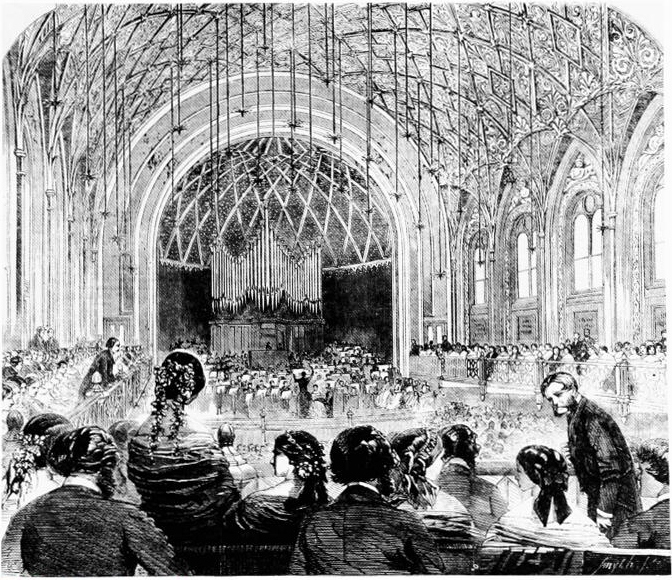
Symphony No. 3 (Organ Symphony)
Camille Saint-Saëns · 1886
Primary source
Musical Memories
Camille Saint-Saëns · published 1919 (English translation)
 Documentary
Primary source
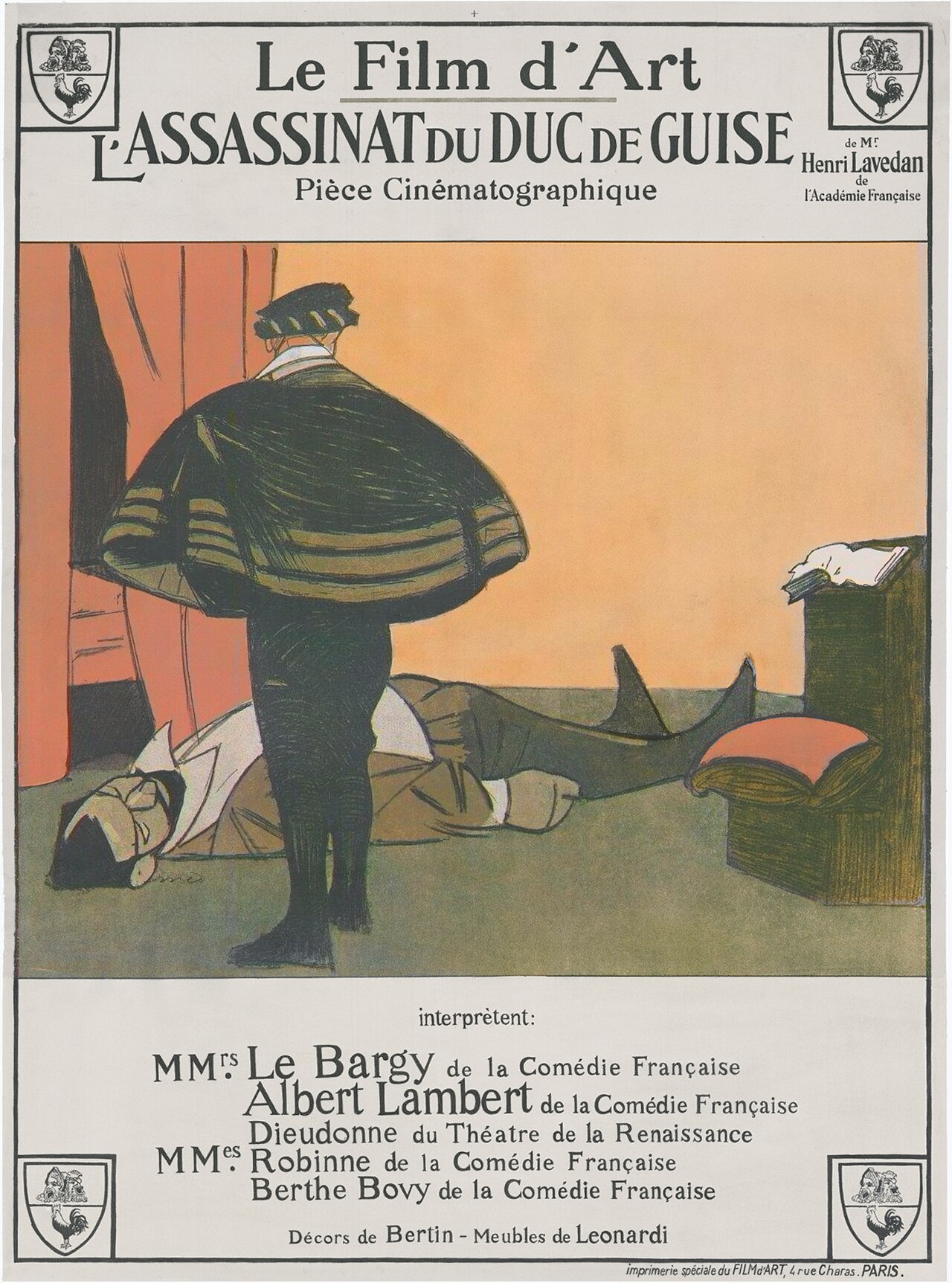
The Assassination of the Duke of Guise
Charles le Bargy and André Calmettes (film); score by Camille Saint-Saëns · 1908
Free account
Read every Camille Saint-Saëns source
Sign up free →
Ready when you are
Start chatting with Camille Saint-Saëns now.
20 messages free · No credit card · Available in 50+ languages.