


Primary sourceBook1835
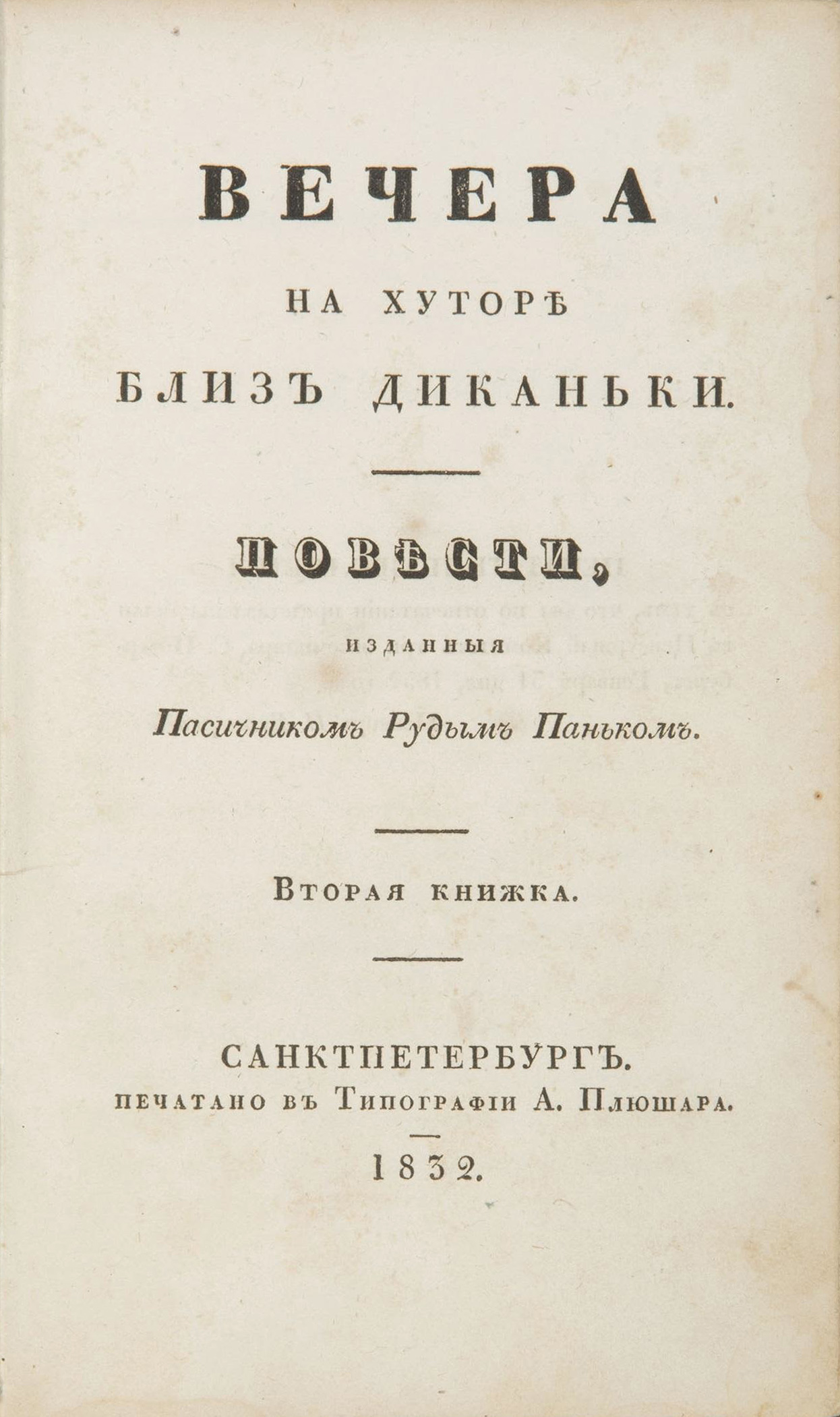
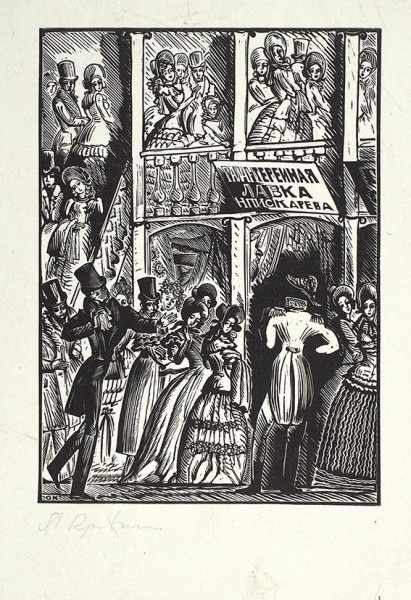
The Carriage
Nikolai Gogol · 1835
A short satirical story by Gogol about a boastful retired officer whose lie about owning a grand carriage leads to public embarrassment, published in Pushkin's journal in 1836.
A satirical tale by Gogol, published in Pushkin's journal, showing his mature comic style beyond the Dikanka folklore.
Free Humy account · No credit card · 120,912 sources to read
About this source
What it is
A short story by Nikolai Gogol, published in the first volume of Alexander Pushkin's literary journal The Contemporary in 1836. It is one of Gogol's so-called Petersburg tales.
Why it matters
The story satirizes boastfulness and vanity among provincial landowners and military officers, using irony and compact storytelling admired by later writers, including Anton Chekhov, who praised it highly in a letter. It reflects Gogol's skill at using small anecdotes to reveal social pretension.
Look closer
- What does Chertokutsky's lie about his carriage reveal about the society Gogol is satirizing?
- Why might Gogol have chosen such a short, anecdotal form to make his point?
- How does the story's ending, with the general simply closing the carriage door, affect its comic effect?
This book is part of the curated material that grounds the AI version of Nikolai Gogol on Humy.ai — when students ask about related events, the AI can quote it and cite it.
More Nikolai Gogol sources
Browse all 77 →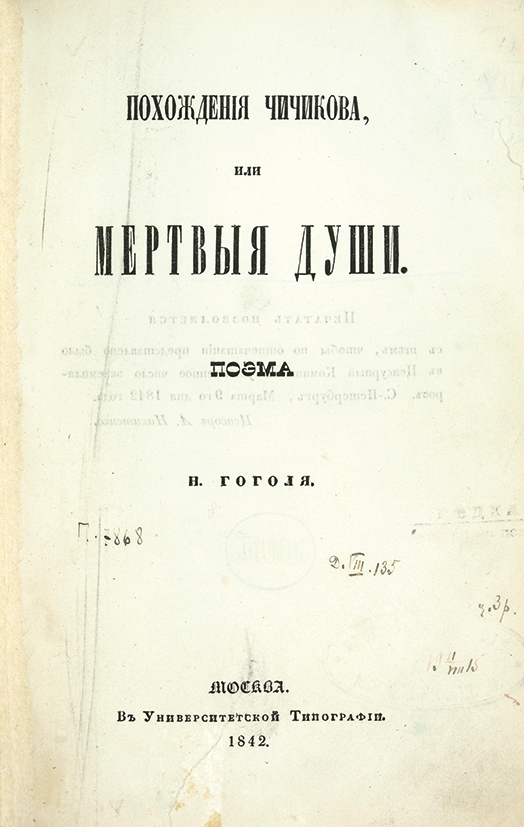
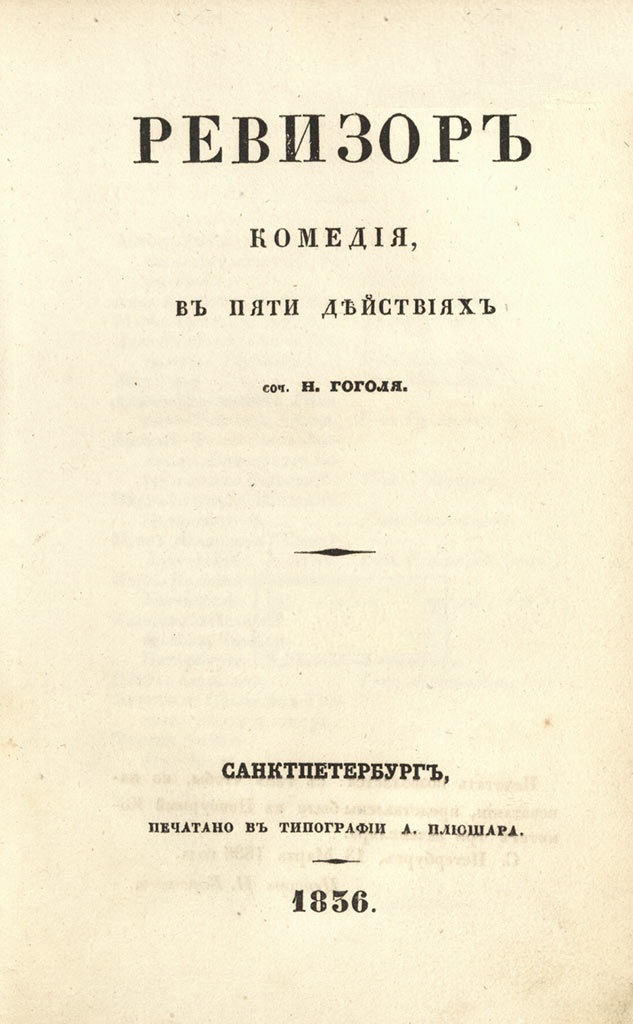
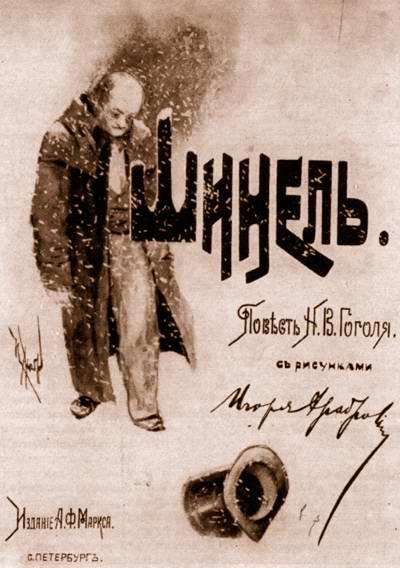
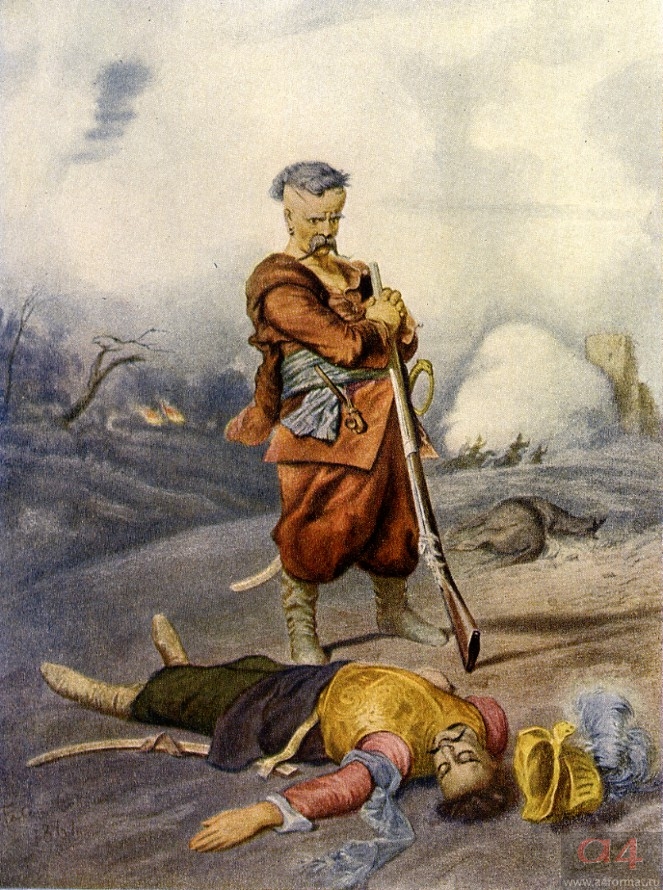
Ready when you are
Start chatting with Nikolai Gogol now.
20 messages free · No credit card · Available in 50+ languages.