


Primary sourcePainting1858
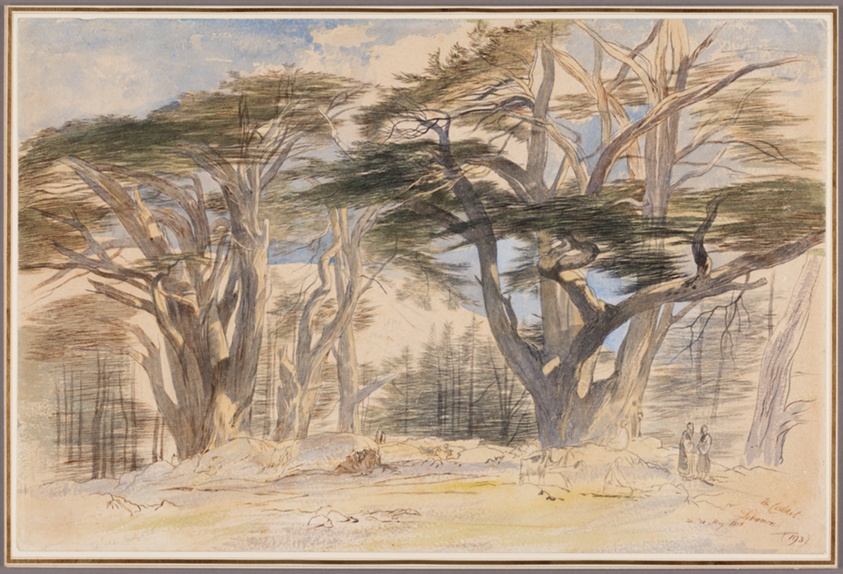
The Cedars of Lebanon
Edward Lear · 1858
A watercolor by Edward Lear showing ancient cedar trees in Lebanon, made during his Near East travels.
Lear painted this watercolor himself during his travels in the Near East.
About this source
What it is
This watercolor, with pen, brown ink and graphite, was made by Edward Lear in 1858. It depicts the famous cedar trees of Lebanon, with small robed figures standing near their trunks. The work is held by the Art Institute of Chicago.
Why it matters
Lear traveled through the Near East making detailed landscape studies, and this watercolor is an example of his careful observation of nature combined with artistic skill. It reflects the nineteenth-century fascination with ancient and biblical landscapes, and shows Lear's work as a serious topographical artist, separate from his comic verse.
Look closer
- How does Lear use color and line to show the age and size of the trees?
- Why might the human figures be drawn so small compared to the trees?
- What does this image not tell us about the people who lived near these famous cedars?
This painting is part of the curated material that grounds the AI version of Edward Lear on Humy.ai — when students ask about related events, the AI can quote it and cite it.
More Edward Lear sources
Browse all 76 →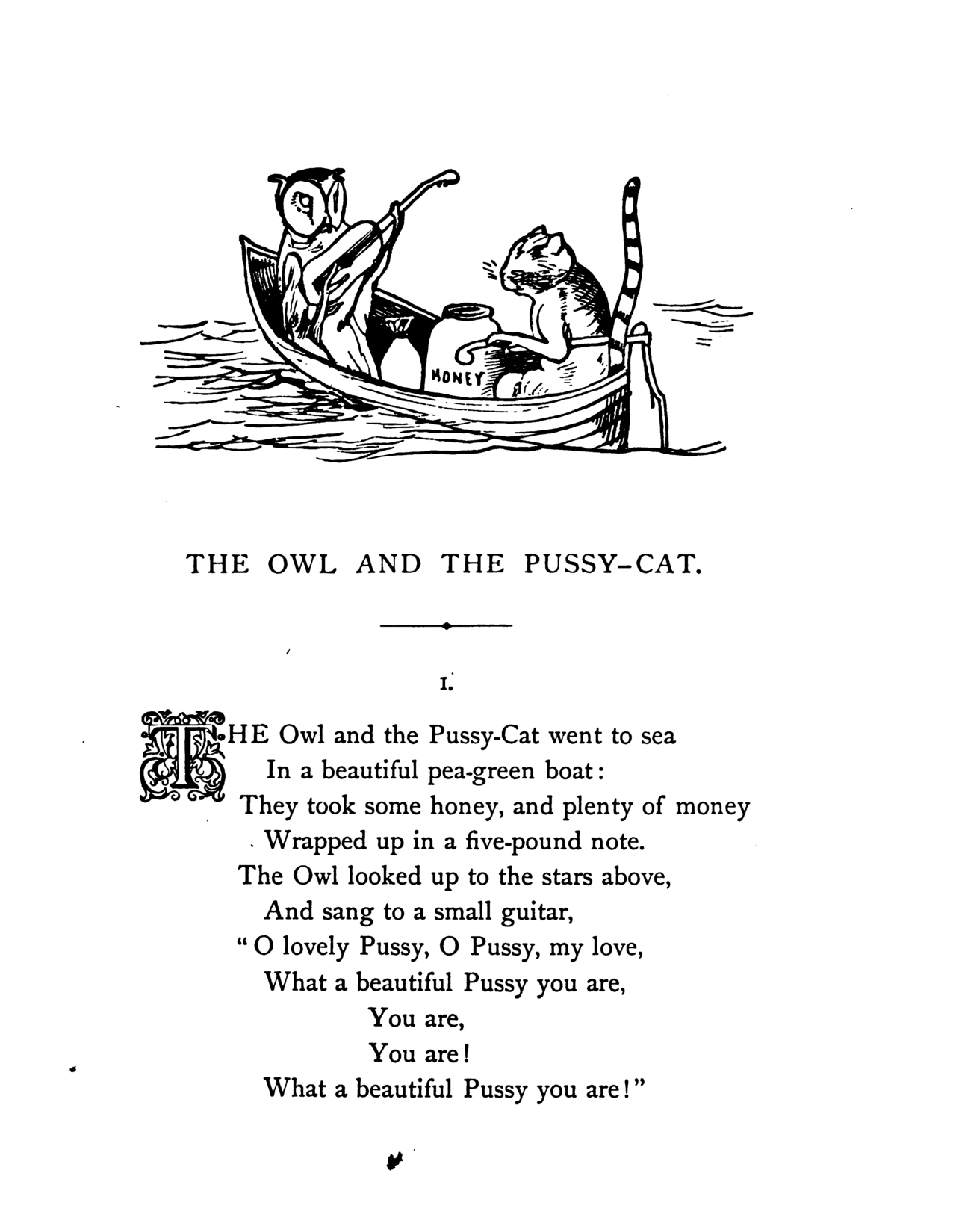 Book
Primary source
The Owl and the Pussy-cat
Edward Lear · 1871
 Book
Primary source
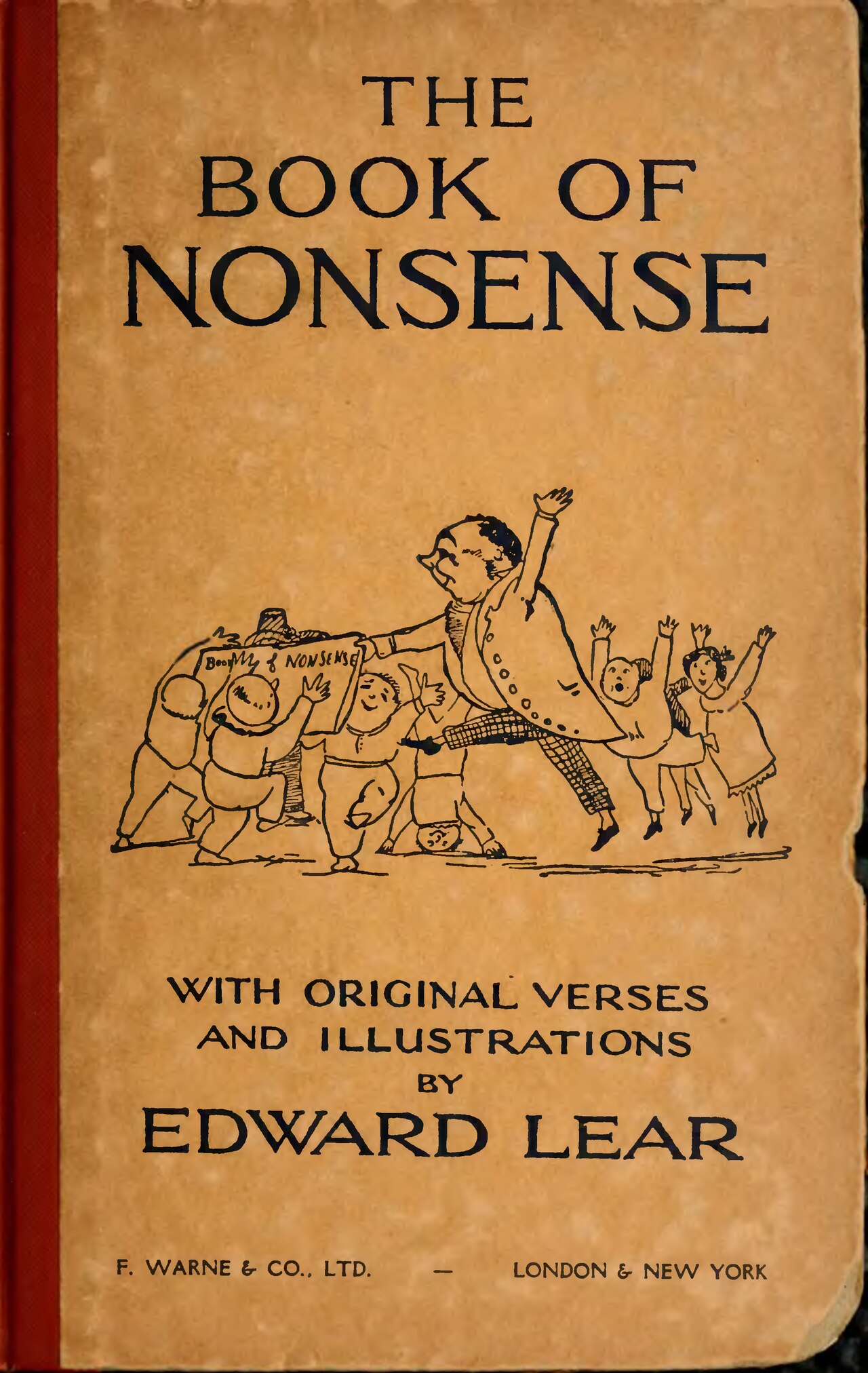
The Book of Nonsense
Edward Lear · 1887 (edition shown; first published 1846)
 Book
Primary source
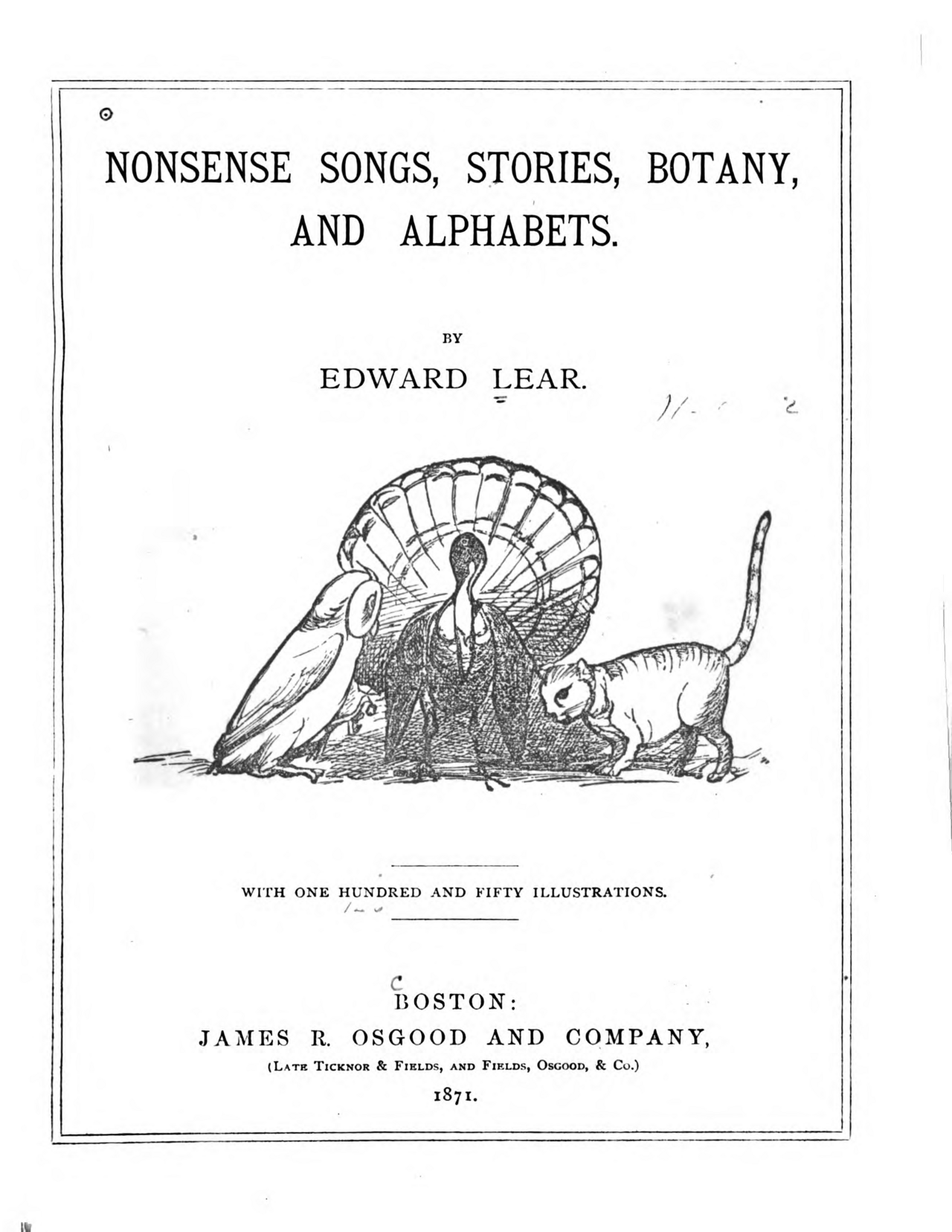
Nonsense Songs, Stories, Botany, and Alphabets
Edward Lear · 1871
 Book
Primary source
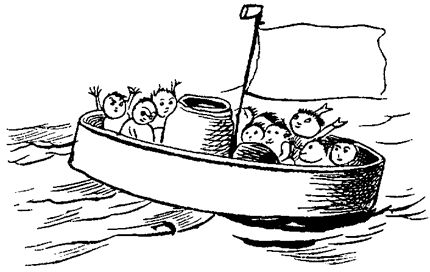
The Jumblies
Edward Lear
Free account
Read every Edward Lear source
Sign up free →
Ready when you are
Start chatting with Edward Lear now.
20 messages free · No credit card · Available in 50+ languages.