


Primary sourceBook
The Christian System
Arthur Schopenhauer
A critical essay by Arthur Schopenhauer on Christian doctrine. It argues that the church's dogmas are allegorical and that their absurdities mark what is mythical in them.
Schopenhauer wrote this critical essay himself, and it shows his atheistic and ethical view of Christian doctrine.
Free Humy account · No credit card · 120,288 sources to read
About this source
What it is
This is a critical essay by Arthur Schopenhauer, listed on Wikisource under Works. It argues that when the Church says reason is incompetent in the dogmas of religion, it admits that these dogmas are allegorical. The essay claims that the absurdities of a dogma mark what is allegorical and mythical in it.
The essay describes how the allegory grew from the combination of the Old and New Testaments and was completed by Augustine. It says that Luther confirmed the Augustinian doctrine.
Why it matters
The essay shows how Schopenhauer read Christian doctrine as allegory rather than literal truth. It names Augustine and Luther as the figures who shaped the doctrine, and it criticises Protestants who take Revelation literally.
Look closer
- Why does Schopenhauer argue that the absurdities in a dogma point to its allegorical nature?
- Which thinkers does the essay name as shaping the doctrine, and what role does it give each?
- What might this essay leave out about how believers themselves understood these teachings?
This book is part of the curated material that grounds the AI version of Arthur Schopenhauer on Humy.ai — when students ask about related events, the AI can quote it and cite it.
More Arthur Schopenhauer sources
Browse all 94 →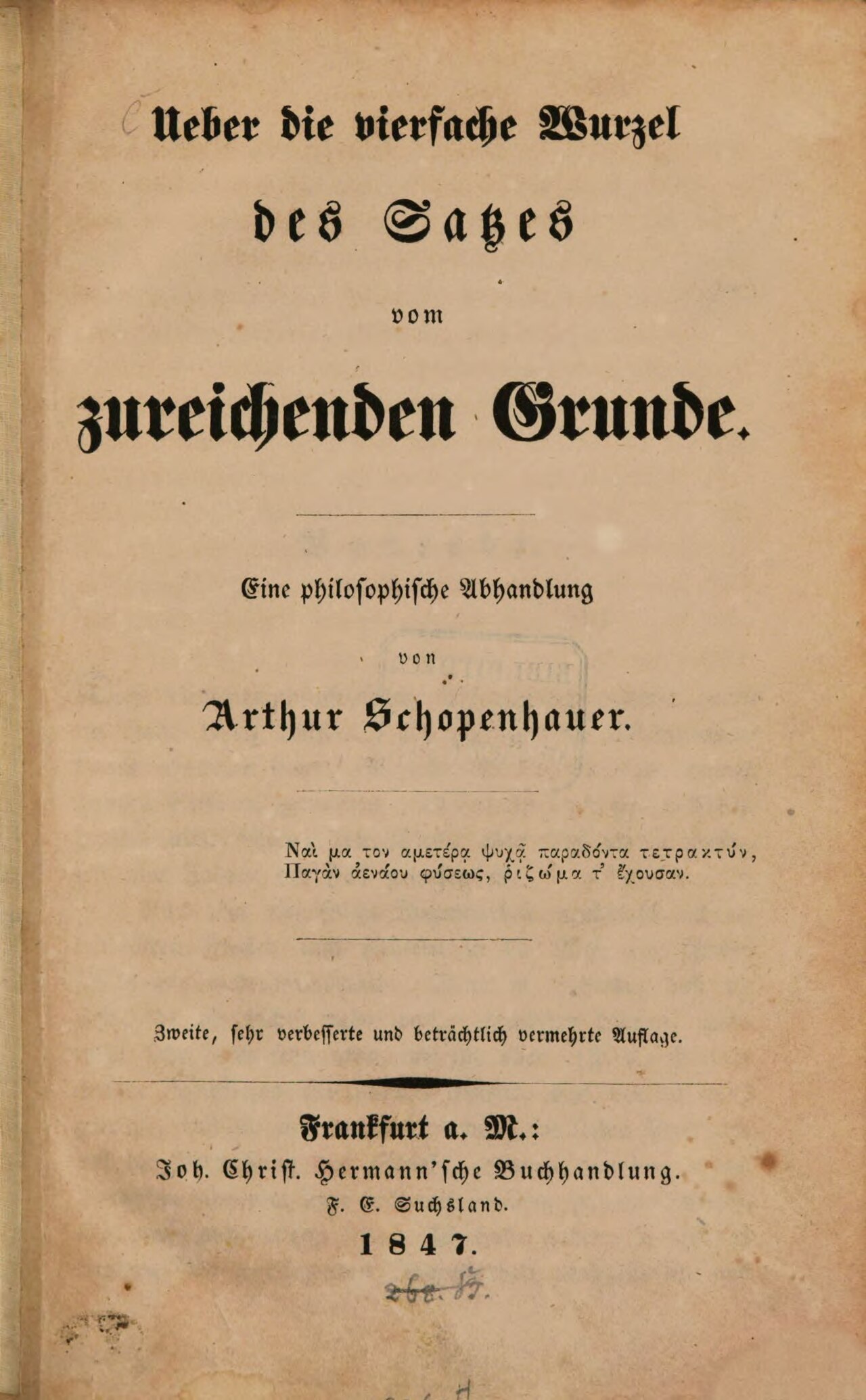 Book
Primary source
On the Fourfold Root of the Principle of Sufficient Reason
Arthur Schopenhauer · 1813, revised 1847
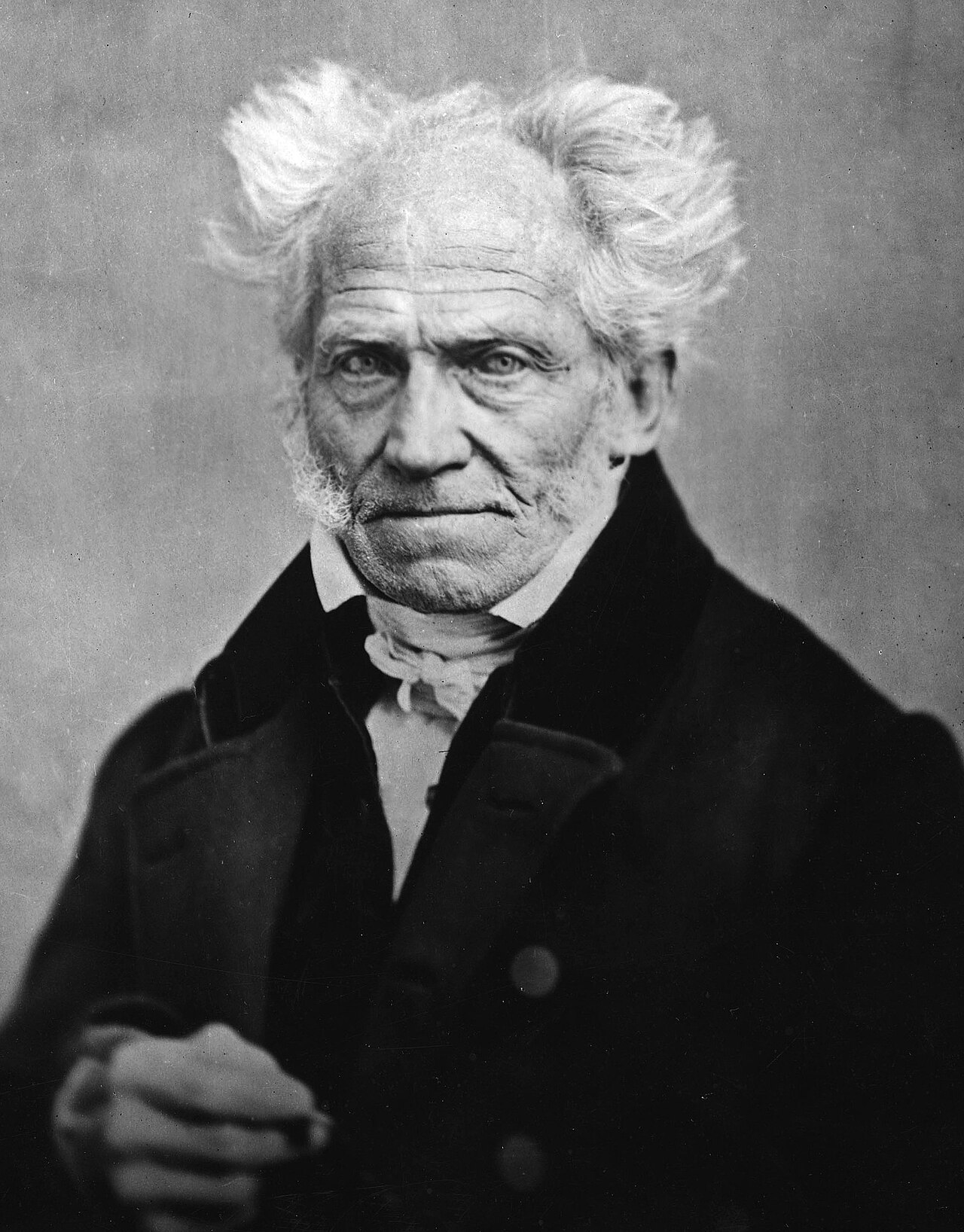 Photograph
Primary source
Portrait of Arthur Schopenhauer
Johann Schäfer · 1859
 Painting
Primary source
Arthur Schopenhauer Portrait by Ludwig Sigismund Ruhl
Ludwig Sigismund Ruhl · 1815
Primary source
On the Basis of Morality
Arthur Schopenhauer · 1839, published 1840/41
Free account
Read every Arthur Schopenhauer source
Sign up free →
Ready when you are
Start chatting with Arthur Schopenhauer now.
20 messages free · No credit card · Available in 50+ languages.