


Primary sourceBook1850; republished 1895
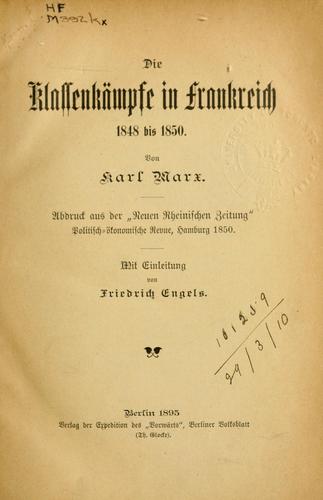
The Class Struggles in France, 1848 to 1850
Karl Marx · 1850; republished 1895
Marx's series of articles analysing why the 1848 revolution in France failed, collected and republished by Engels in 1895.
Marx wrote this analysis of the revolution he had personally witnessed, applying his theory of class conflict to recent events.
About this source
What it is
This is a set of articles Karl Marx wrote for the Neue Rheinische Zeitung in 1850, analysing the 1848 revolution in France. The articles were later collected and republished in 1895 by Friedrich Engels.
Why it matters
Marx argues the real conflict in 1848 was not simply workers against the bourgeoisie, but a split within the bourgeoisie itself between industrial and financial interests, with the working class used as a tool and then pushed aside. It shows Marx applying his class theory to events he had just witnessed, and reveals how he connected economic crises across countries to political upheaval.
Look closer
- Why might Marx focus on divisions within the bourgeoisie rather than only on workers versus owners?
- What does it tell us that Engels republished this work decades later — why might that matter for how it was read?
- What evidence does Marx use to connect an economic crisis in England to a revolution in France?
This book is part of the curated material that grounds the AI version of Karl Marx on Humy.ai — when students ask about related events, the AI can quote it and cite it.
More Karl Marx sources
Meet the AI Karl Marx →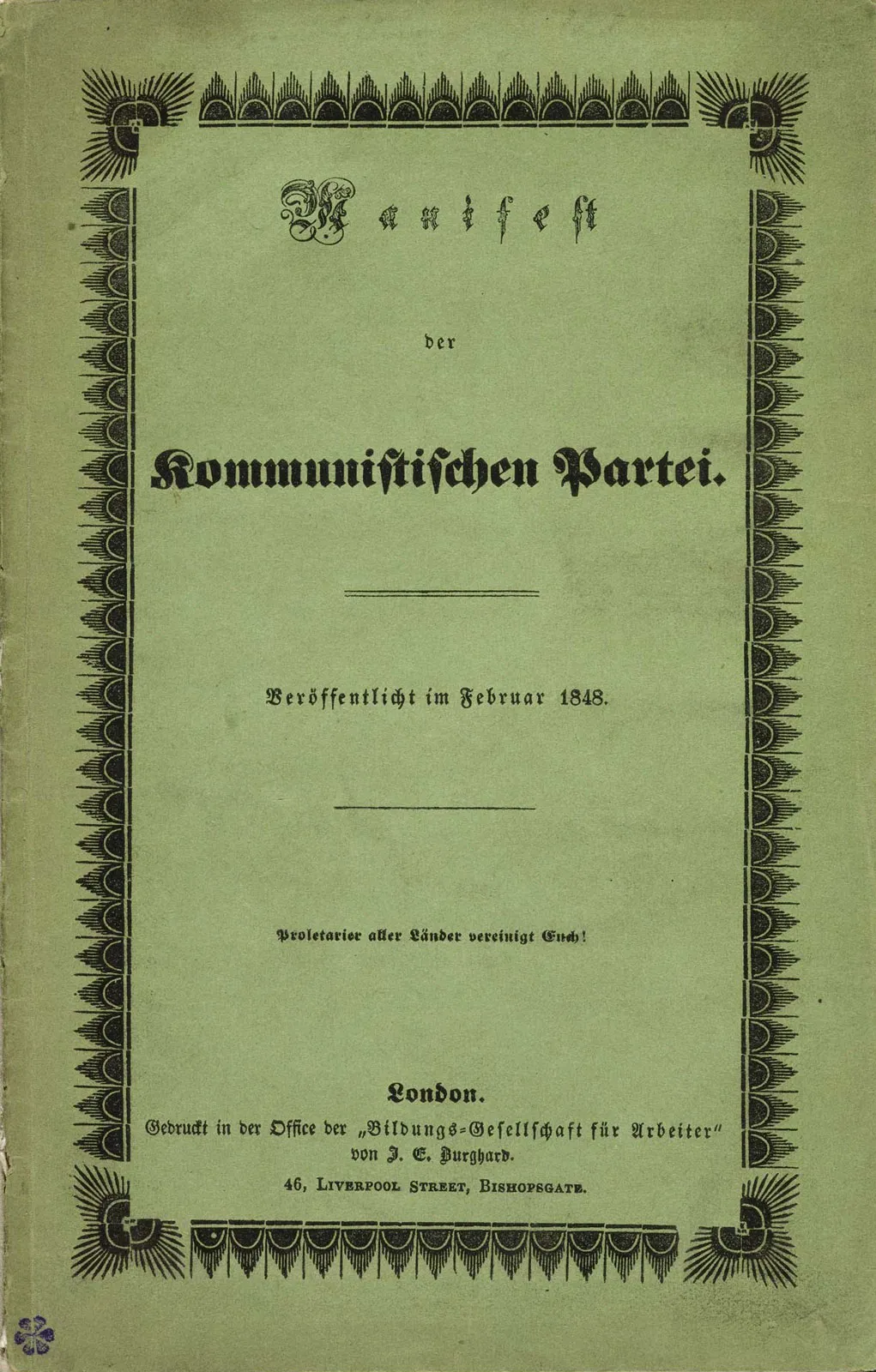 Book
Primary source
The Communist Manifesto
Karl Marx and Friedrich Engels · February 1848
 Book
Primary source
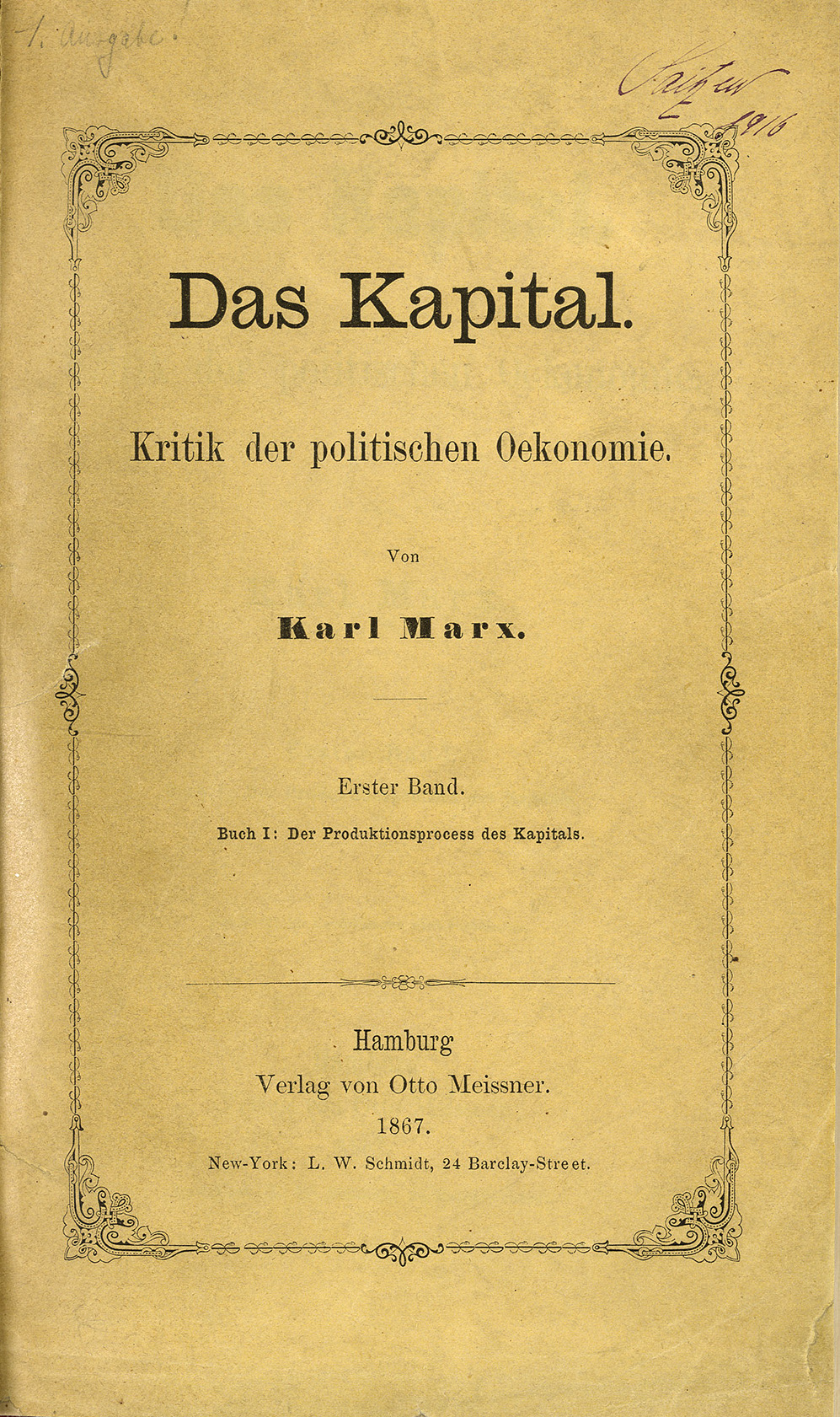
Capital: A Critique of Political Economy
Karl Marx · 1867
 Sculpture
Secondary source
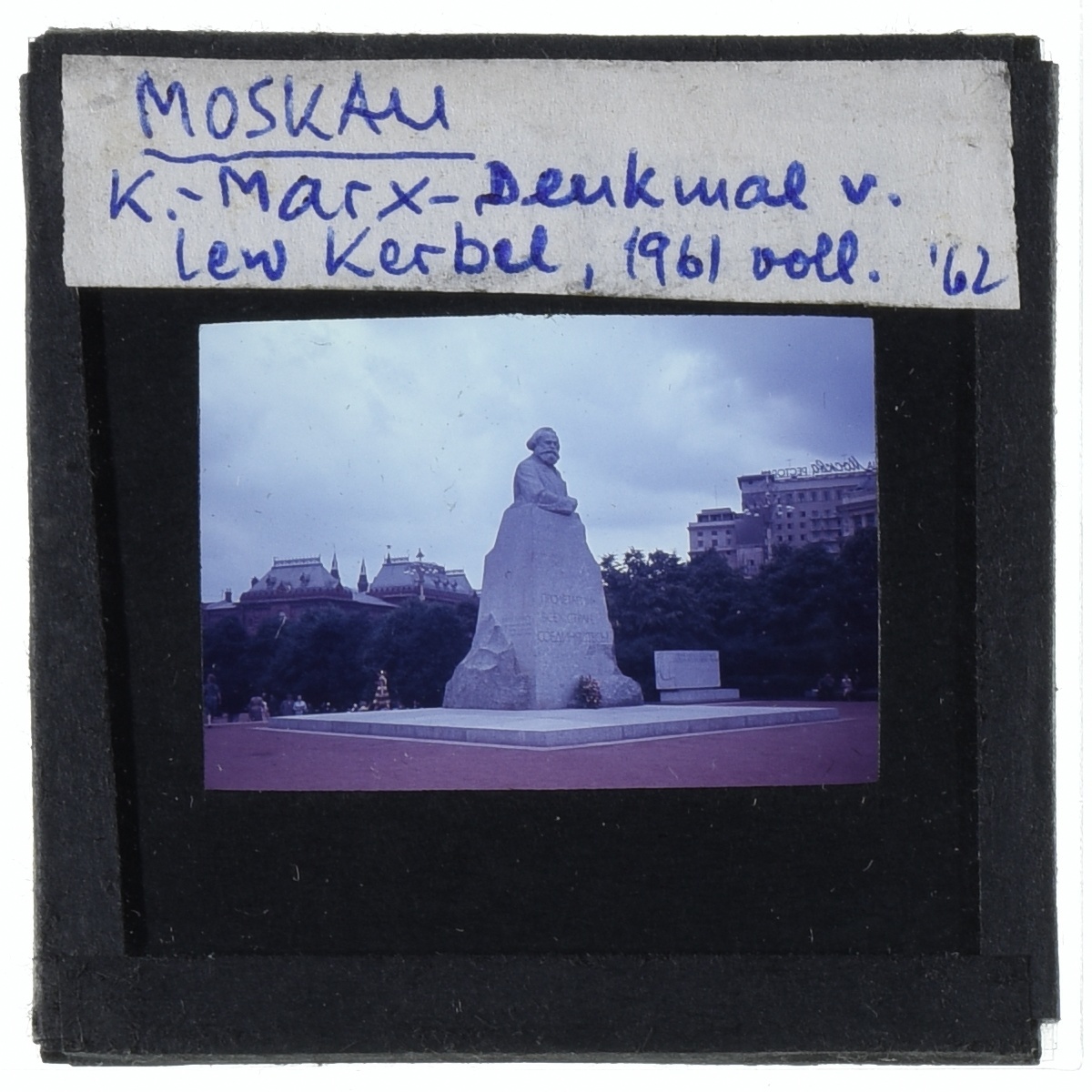
Karl Marx Monument in Moscow
Lew Kerbel · 1961-1962
 Photograph
Primary source
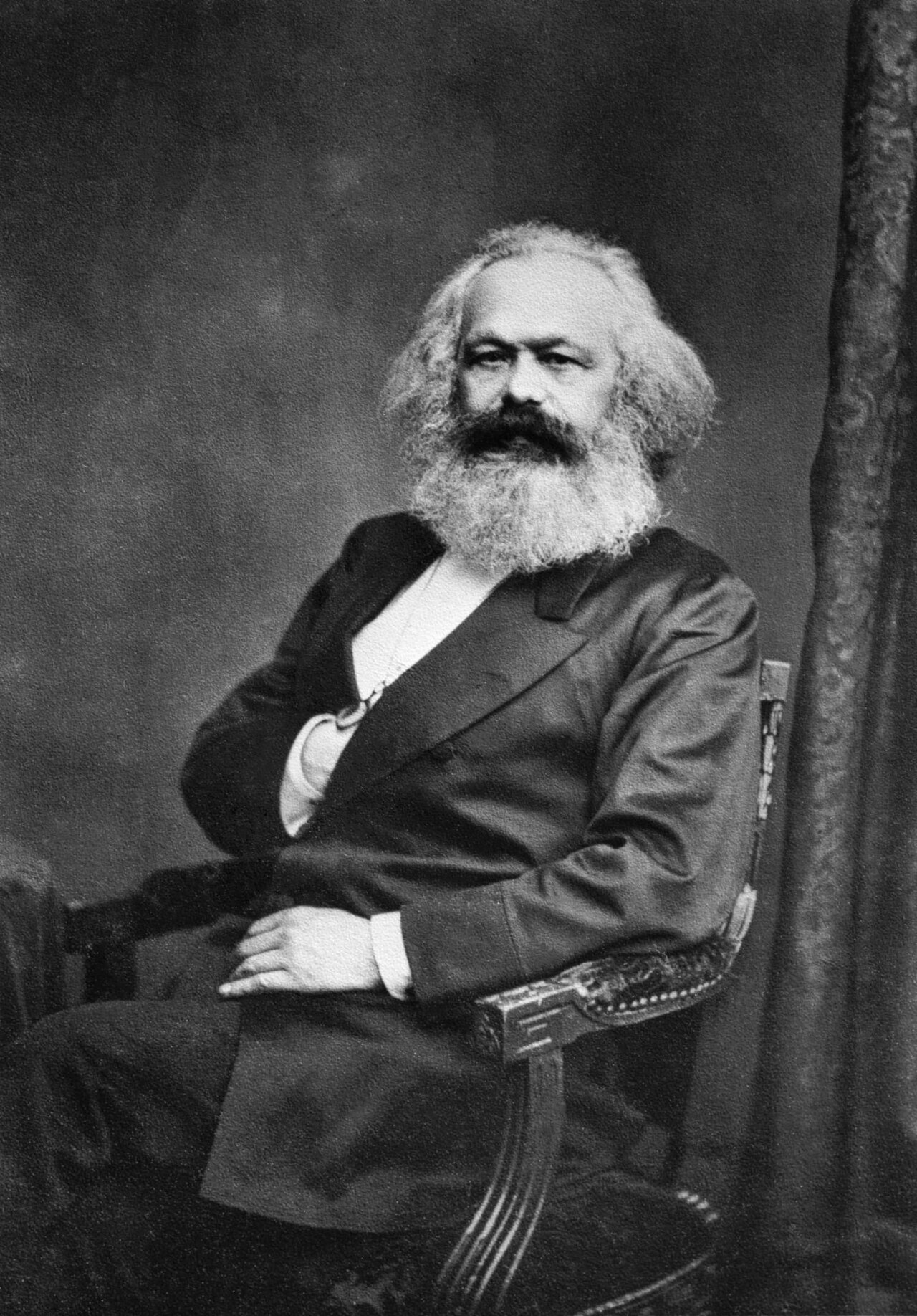
Portrait of Karl Marx
John Mayall · 1875
 Photograph
Secondary source
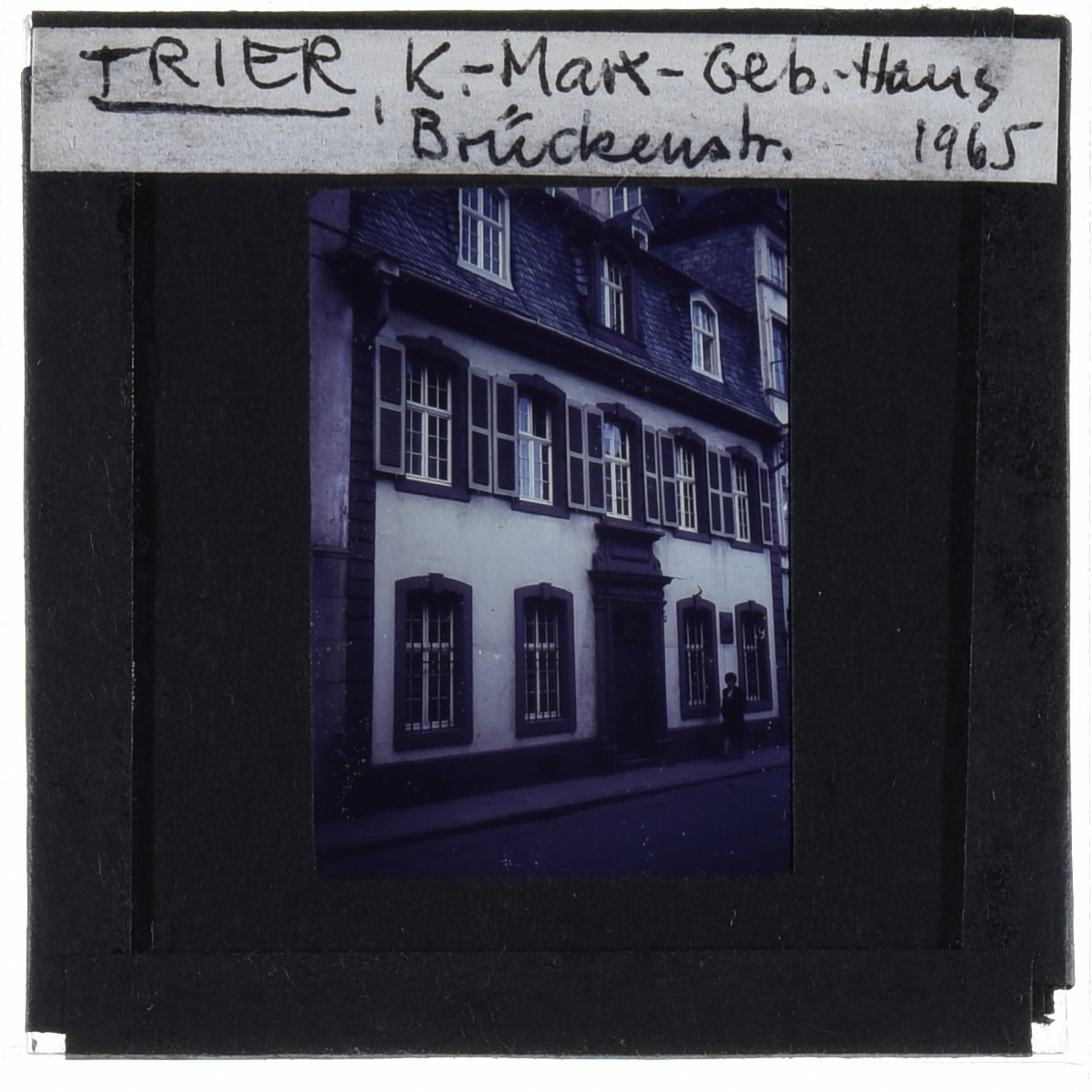
Karl Marx's Birthplace House in Trier
1965
Ready when you are
Start chatting with Karl Marx now.
20 messages free · No credit card · Available in 50+ languages.