


Primary sourceLetter1842
The Close of the Late Rebellion, in Rhode-Island
Charles C. Jewett · 1842
An eyewitness letter describing the collapse of the Dorr Rebellion at Chepachet, written from a hostile point of view.
This eyewitness letter describes Dorr's return to Providence as self-proclaimed Governor and the collapse of his rebellion.
Free Humy account · No credit card · 120,912 sources to read
About this source
What it is
This is an extract from a letter by Charles C. Jewett, a Massachusetts man living in Providence, describing the end of the rebellion led by Thomas Wilson Dorr. It opens by noting that most original members of the suffrage party disclaimed the violent schemes described, before recounting Dorr's arrival in Providence as self-proclaimed Governor and the armed procession that met him.
Why it matters
This firsthand account gives a contemporary, critical view of the dramatic events in Rhode Island in 1842, describing armed crowds, a procession with music, and the tension surrounding Dorr's claim to be governor. It shows how outside observers viewed the rebellion as dangerous and its leader as a divisive figure.
Look closer
- Why does the writer emphasize that most suffrage party members disclaimed violence?
- What words does the author use to describe Dorr and his supporters, and what do they reveal about his opinion?
- How might Dorr's own supporters have described this same scene differently?
This letter is part of the curated material that grounds the AI version of Thomas Wilson Dorr on Humy.ai — when students ask about related events, the AI can quote it and cite it.
More Thomas Wilson Dorr sources
Browse all 40 →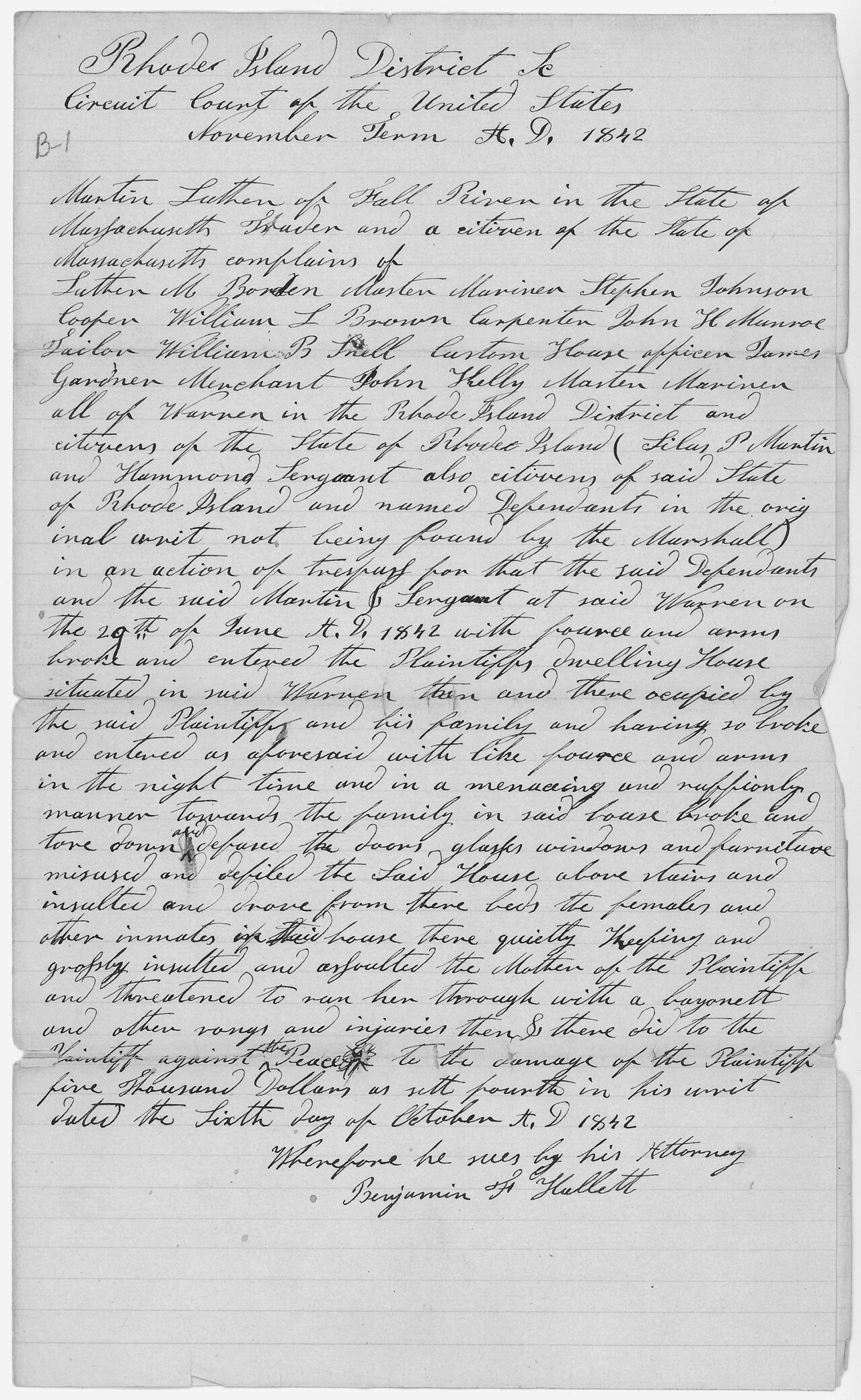 Document
Primary source
Luther v. Borden
U.S. Supreme Court (Chief Justice Roger B. Taney) · 1849
 Painting
Primary source
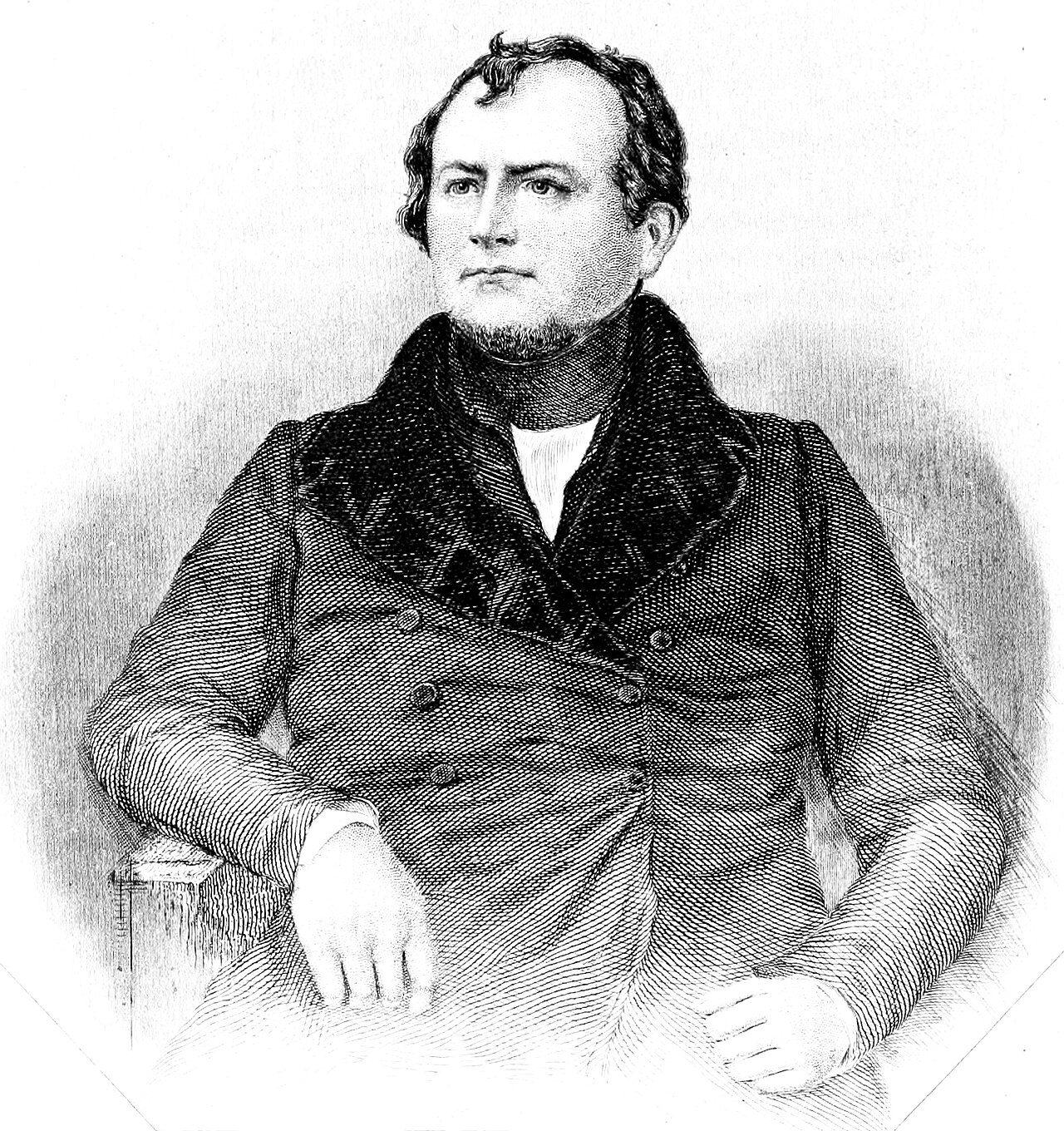
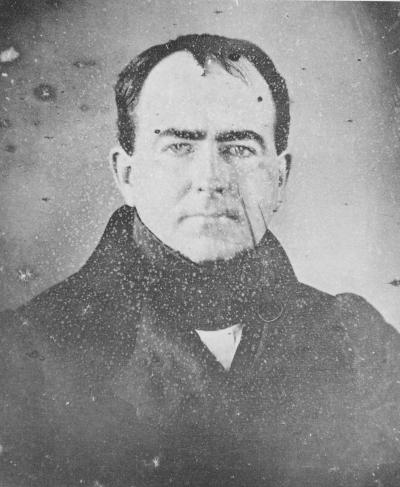
Portrait of Thomas Wilson Dorr
1845
 Painting
Primary source
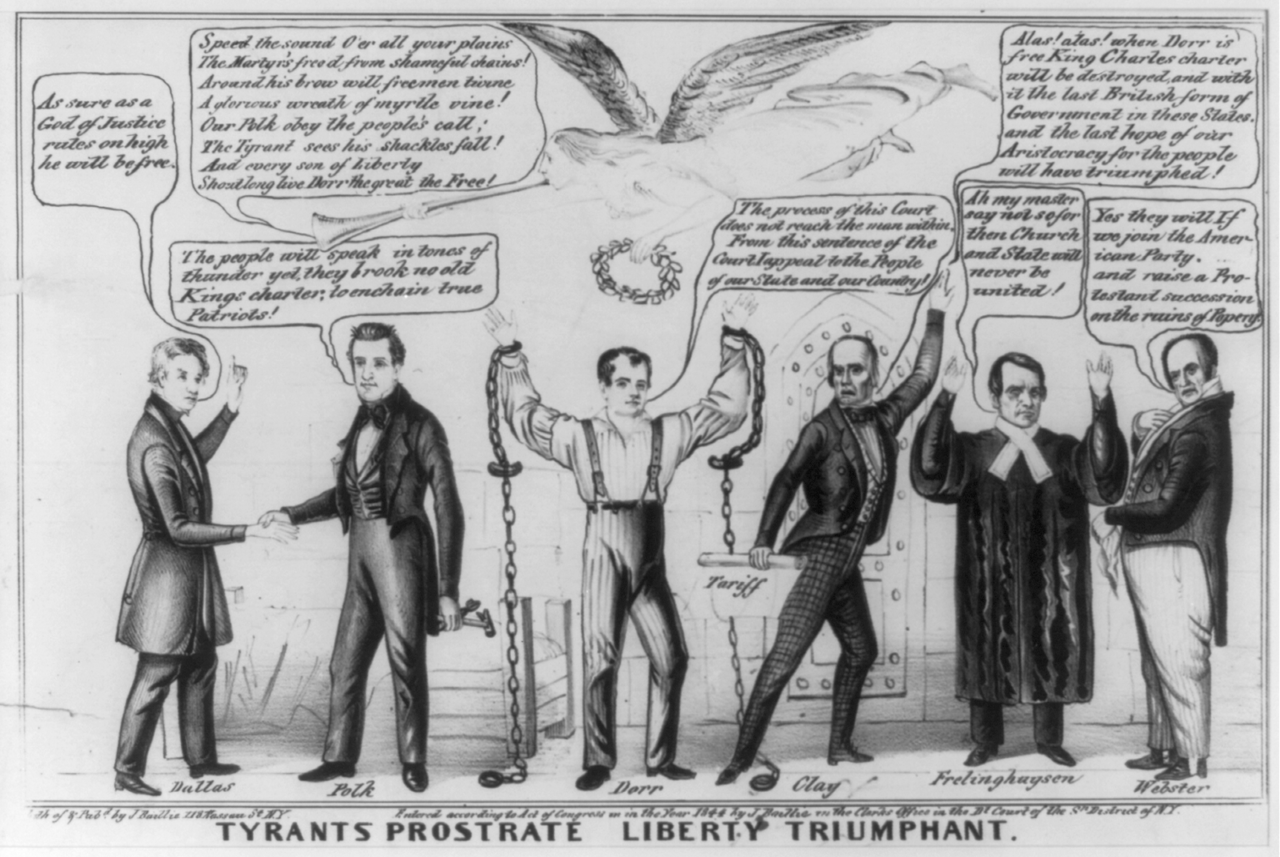
Tyrants Prostrate Liberty Triumphant
Primary source
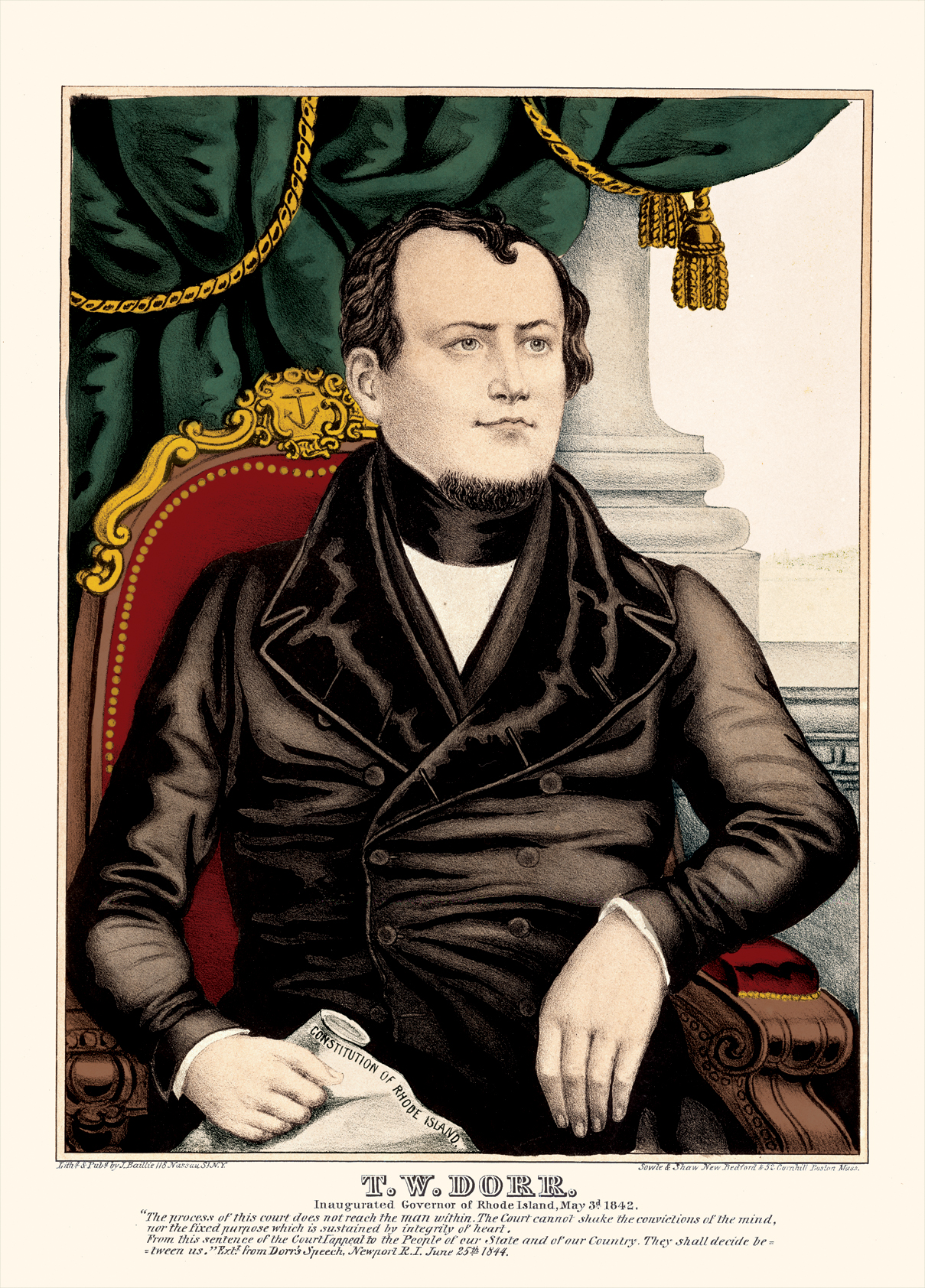
Ex parte Dorr
Supreme Court of the United States · 1845
Free account
Read every Thomas Wilson Dorr source
Sign up free →
Ready when you are
Start chatting with Thomas Wilson Dorr now.
20 messages free · No credit card · Available in 50+ languages.