


Primary sourceBookc. 1728–1729
The Compleat English Gentleman
Daniel Defoe · c. 1728–1729
An unfinished manuscript by Defoe, dating from about 1728 to 1729, arguing that merit and education, not birth, make a gentleman.
Shows Defoe's late argument that merit and education, not birth, make a gentleman.

About this source
What it is
The Compleat English Gentleman is a manuscript attributed to Daniel Defoe, dated about 1728 to 1729. It was left unfinished. The opening pages argue that the belief in noble birth as the mark of a gentleman has no support in reason, philosophy or anatomy. The manuscript is held by the British Library. The copy shown here is a photograph of the book's spine and cover, and no text of the manuscript is visible in the image.
Why it matters
In the 1700s, English society was divided by rank, and birth often decided who counted as a gentleman. Defoe, a trader and writer who had not come from a wealthy family, argued that merit and education were more important. The manuscript shows how a writer of his time questioned the social order, while the unfinished state of the text suggests the argument was never fully developed.
Look closer
- What does the opening argument reject, and which kinds of evidence does it test?
- Why might a writer who was not from a noble family care about this question?
- What does the unfinished state of the manuscript suggest about the author's plans?
This book is part of the curated material that grounds the AI version of Daniel Defoe on Humy.ai — when students ask about related events, the AI can quote it and cite it.
More Daniel Defoe sources
Browse all 86 →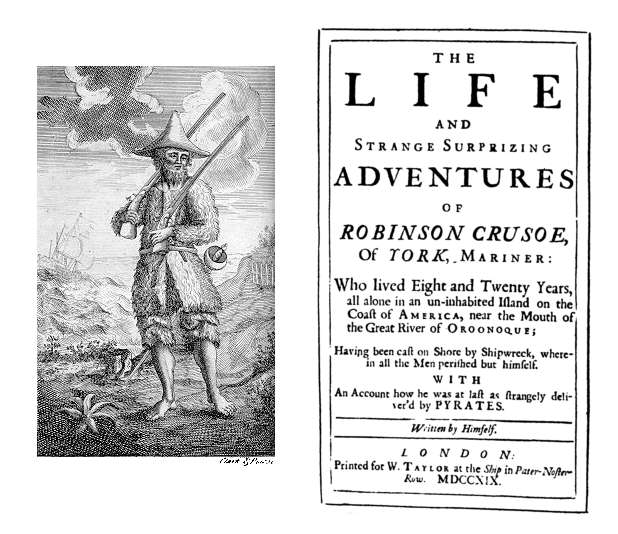 Book
Primary source
Robinson Crusoe
Daniel Defoe · 1719
 Book
Secondary source
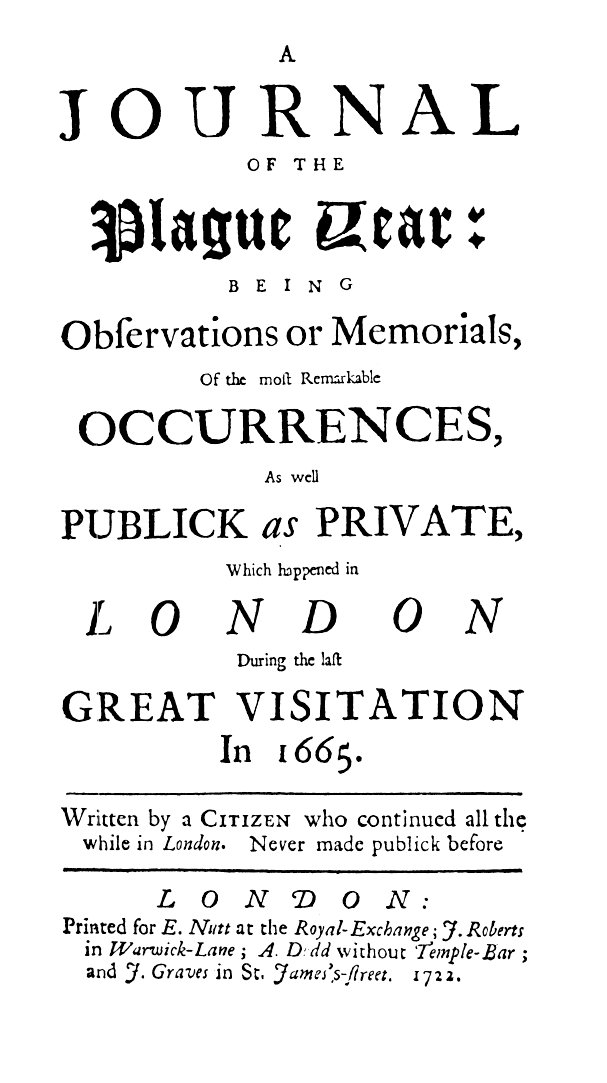
A Journal of the Plague Year
Daniel Defoe · 1722
Primary source
The Shortest Way with the Dissenters
Daniel Defoe · 1702
 Book
Secondary source
Moll Flanders
Daniel Defoe · 1722
Free account
Read every Daniel Defoe source
Sign up free →
Ready when you are
Start chatting with Daniel Defoe now.
20 messages free · No credit card · Available in 50+ languages.