


Primary sourceDocument1908
The Conservation of Natural Resources
Gifford Pinchot · 1908
A 1908 government bulletin by Gifford Pinchot explaining the goals of the conservation movement while he served as U.S. Forester.
Pinchot's own explanation of conservation principles, written while he headed the U.S. Forest Service.
Free Humy account · No credit card · 120,912 sources to read
About this source
What it is
This is a 1908 U.S. Department of Agriculture Farmers' Bulletin containing a paper by Gifford Pinchot, based on an address he gave to the National Geographic Society in January 1908. Pinchot was serving as Forester at the time.
Why it matters
The document lays out Pinchot's core ideas about managing forests, minerals, and soil for long-term public benefit rather than short-term profit. It reflects the conservation movement he helped lead under President Theodore Roosevelt, and shows how government agencies used plain-language bulletins to spread policy ideas to ordinary farmers and citizens.
Look closer
- Why might the government choose to publish this as a "Farmers' Bulletin" rather than a scientific report?
- What problems does Pinchot identify with how resources were being used?
- How does the table of contents reveal his main concerns?
This document is part of the curated material that grounds the AI version of Gifford Pinchot on Humy.ai — when students ask about related events, the AI can quote it and cite it.
More Gifford Pinchot sources
Browse all 76 → Book
Primary source
The Fight for Conservation
Gifford Pinchot · 1910
 Photograph
Primary source
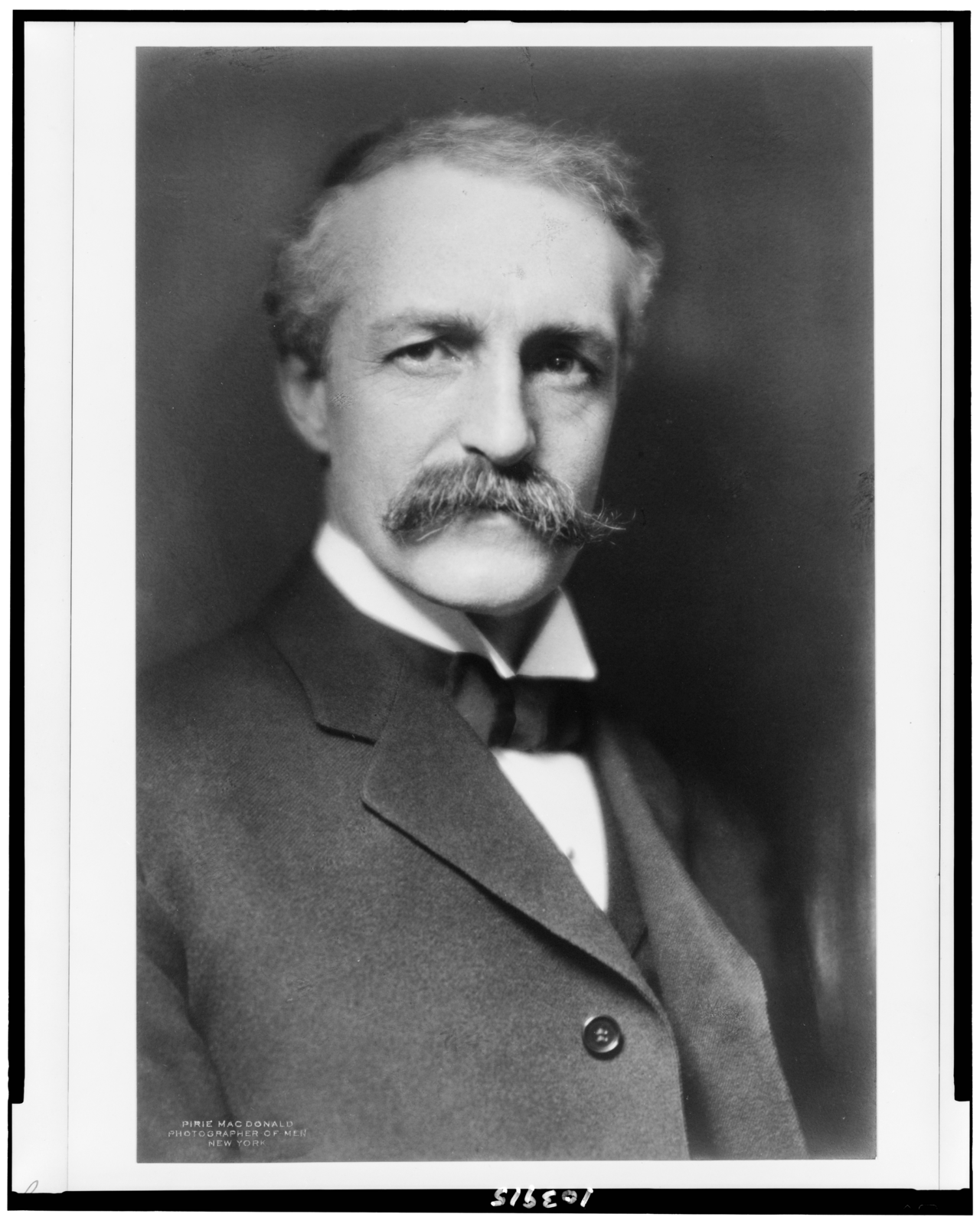
Gifford Pinchot Portrait, 1909
Pirie MacDonald · 1909
 Photograph
Primary source
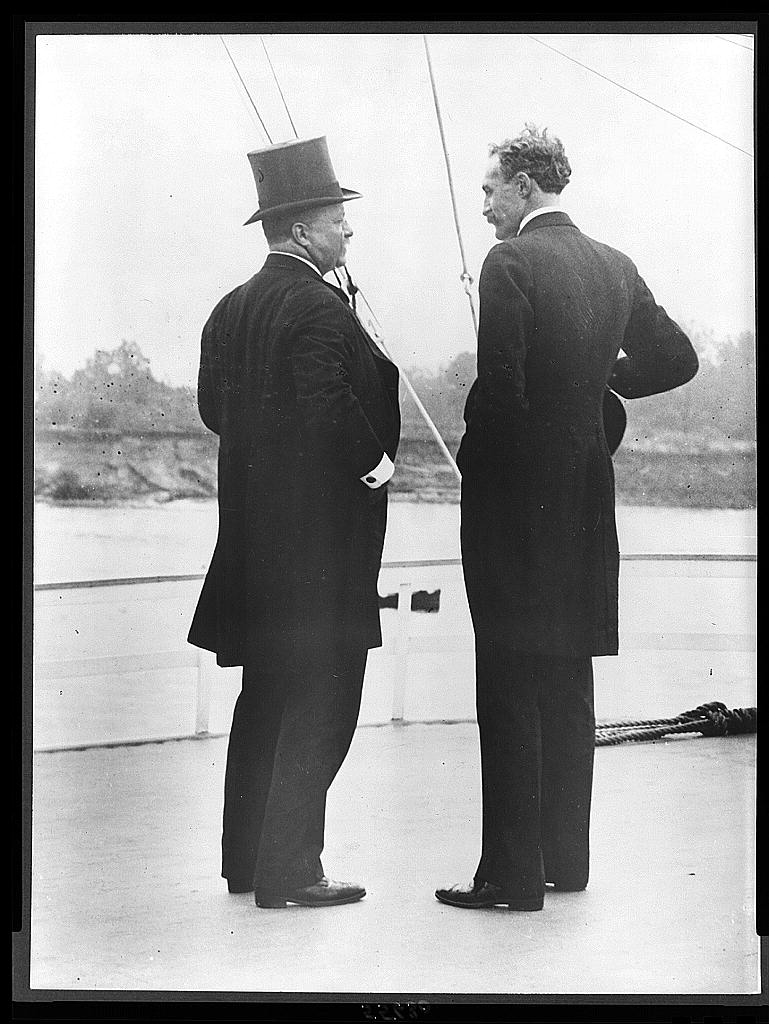
Theodore Roosevelt and Gifford Pinchot on the Steamer Mississippi
U.S. Forest Service · 1907
 Document
Primary source
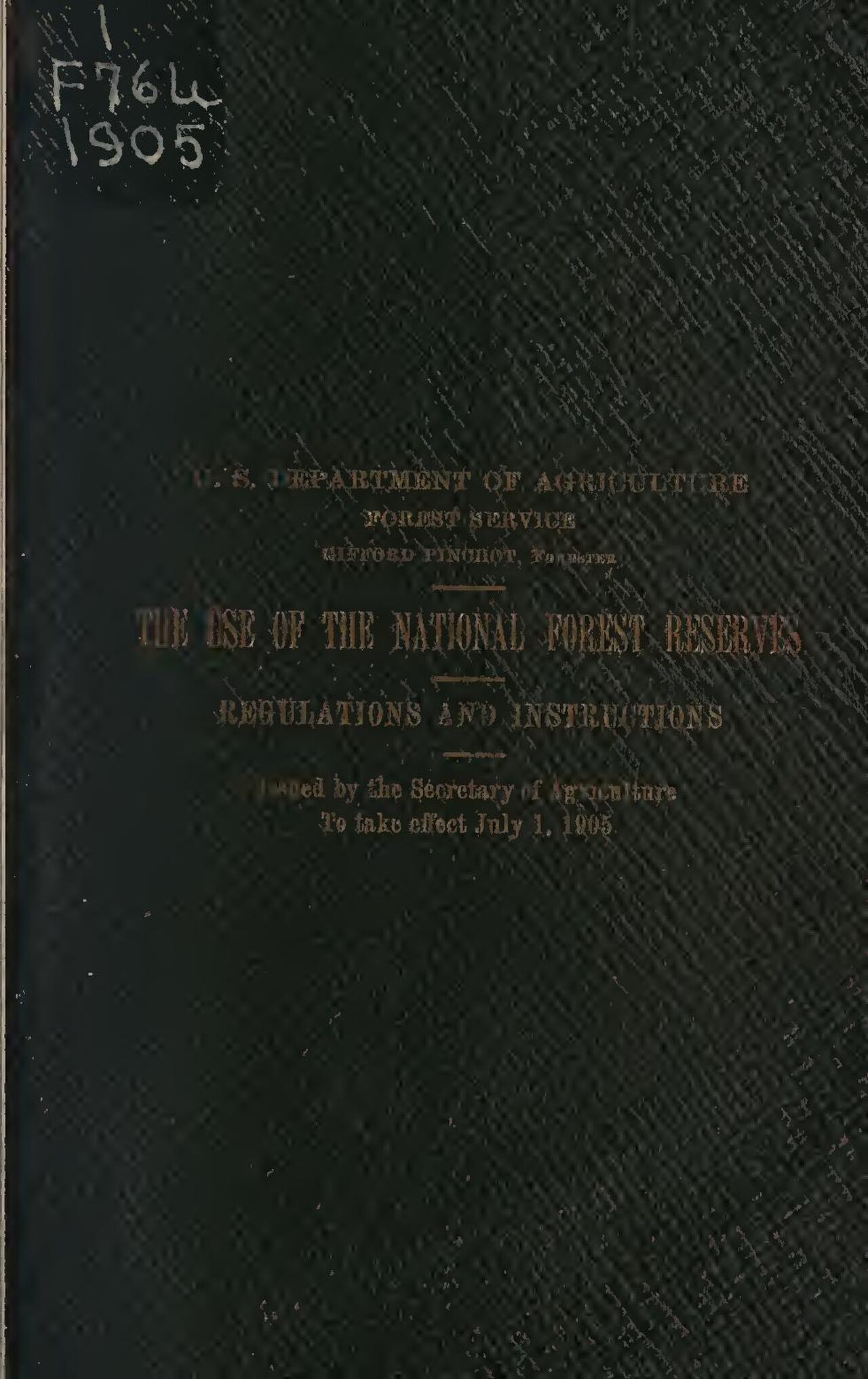
The Use of the National Forest Reserves (the Use Book)
U.S. Forest Service under Gifford Pinchot · 1905
Free account
Read every Gifford Pinchot source
Sign up free →
Ready when you are
Start chatting with Gifford Pinchot now.
20 messages free · No credit card · Available in 50+ languages.