


Secondary sourcePainting10 June 1776
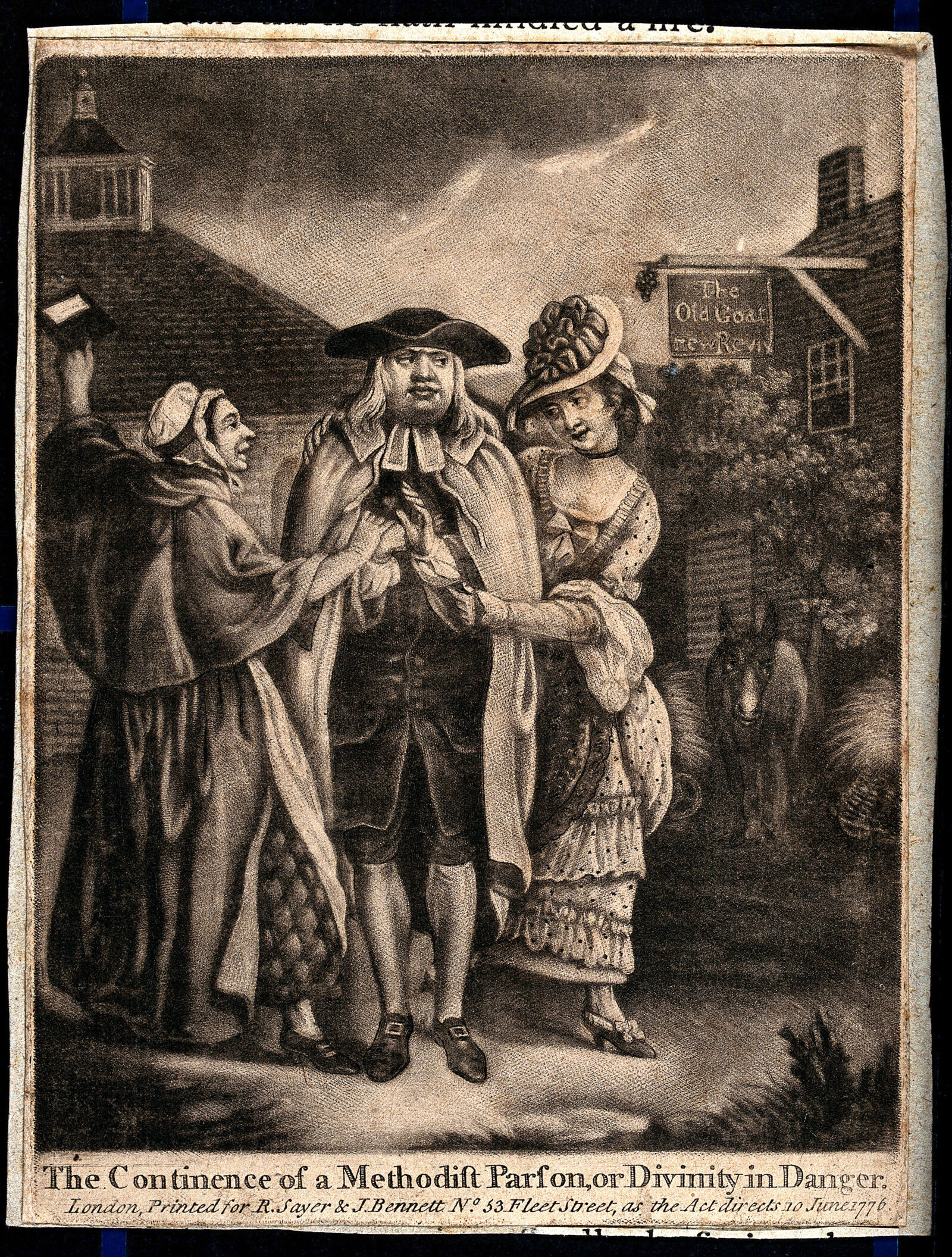
The Continence of a Methodist Parson, or Divinity in Danger
John Collett · 10 June 1776
A 1776 satirical mezzotint about a Methodist minister pulled between two women, made after Whitefield's death and only loosely about him.
A satire made six years after Whitefield's death that mocks Methodist preachers and loosely recalls his chapel.
About this source
What it is
This is a sepia mezzotint satire titled The Continence of a Methodist Parson, or Divinity in Danger, printed in London on 10 June 1776. The print is after a work by Collet and is credited to John Collett. It shows a stout man in a tricorn hat between an older woman holding a hymn book and a younger woman in a feathered hat, who both pull at him. An inn sign reads 'The Old Goat, New Rev'n'. The Wellcome Collection holds the print. Its creator made it after Whitefield had died, so it is not a record of his own time.
Why it matters
The print mocks Methodist preachers and their followers. Historians connect the chapel in the background to Whitefield's Tabernacle in London, though the print itself names no one. It reveals how Methodism was ridiculed in the late eighteenth century, and it shows how Whitefield's name could be used for a wider satire.
Look closer
- Which details show that the artist wanted viewers to laugh at the minister?
- Why might the artist have chosen a hymn book and a chapel for one side and an inn for the other?
- What does this satire leave out about the preacher's own beliefs and actions?
This painting is part of the curated material that grounds the AI version of George Whitefield on Humy.ai — when students ask about related events, the AI can quote it and cite it.
More George Whitefield sources
Meet the AI George Whitefield →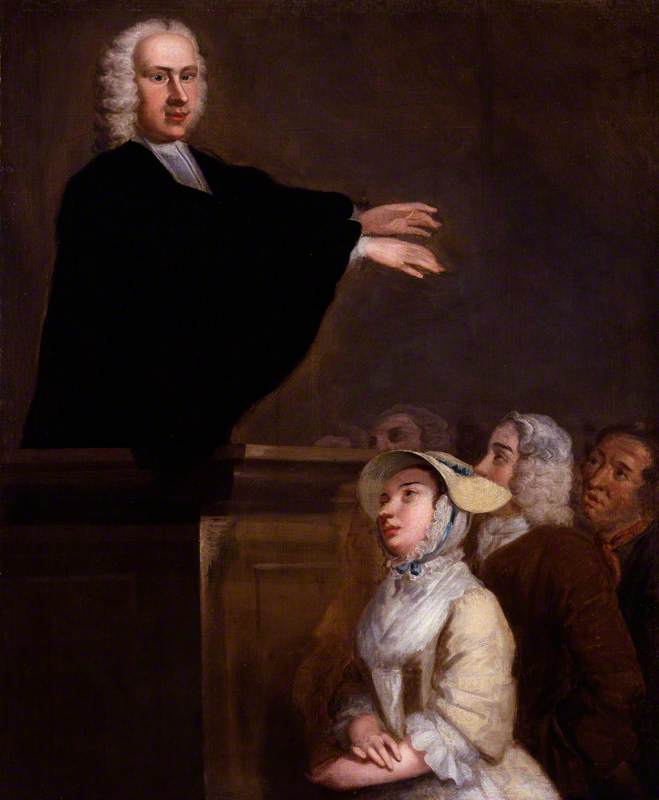 Painting
Primary source
George Whitefield
John Wollaston the Younger · 1742
 Speech
Primary source
The Nature and Necessity of our New Birth in Christ Jesus, in order to Salvation
George Whitefield · 1737
 Painting
Primary source
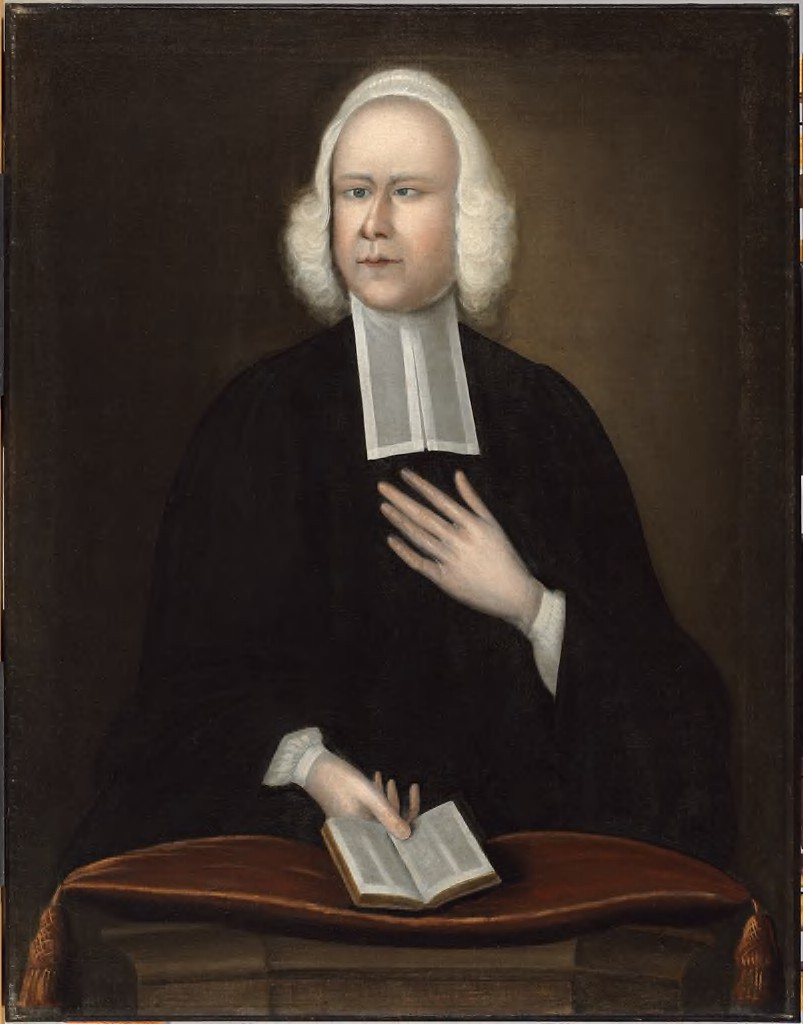
George Whitefield (1714-1770)
Joseph Badger · 1745
 Book
Primary source
Six Letters to the Rev. Mr. George Whitefield
Alexander Garden · 1740
 Book
Primary source
Hymns for Social Worship
George Whitefield (compiler) · 1753
Ready when you are
Start chatting with George Whitefield now.
20 messages free · No credit card · Available in 50+ languages.