


Secondary sourcePainting19th century
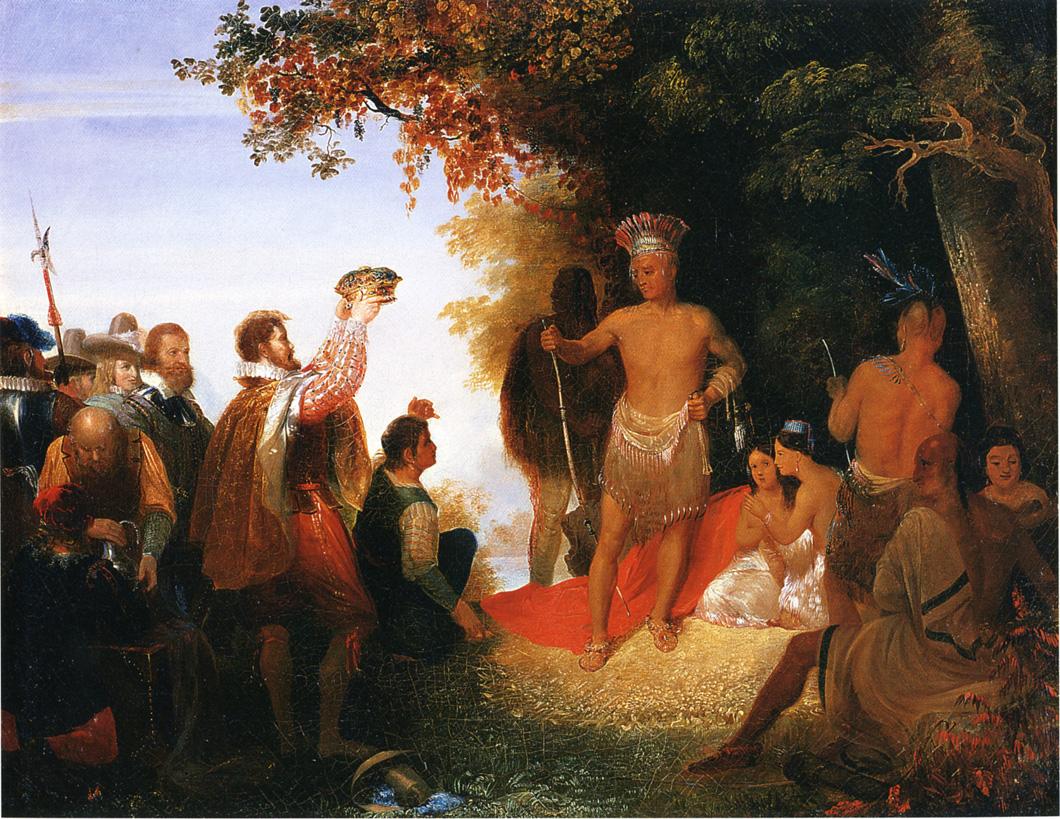
The Coronation of Powhatan
John Gadsby Chapman · 19th century
A 19th-century painting by John Gadsby Chapman imagining the 1608 ceremony where the English crowned Powhatan, staging his reluctance to kneel.
Depicts the English staging a coronation of Powhatan, portraying his reluctance to accept the ceremony.
About this source
What it is
Painted by American artist John Gadsby Chapman, this oil-on-canvas work imagines the ceremony in which English colonists crowned Powhatan. It is held at the Greenville Museum of Art in South Carolina.
Why it matters
The painting dramatizes a moment when the English tried to formalize Powhatan's authority on their own terms by crowning him, but shows him resisting the act of kneeling. Made long after the event by an American artist, it reflects 19th-century myth-making about early Virginia rather than a firsthand record, and can be compared with John Smith's written account of the same episode.
Look closer
- How does Chapman pose Powhatan compared to the English figures around him?
- Why might an artist in the 1800s choose to paint this scene, centuries after it supposedly happened?
- What does Powhatan's reluctance in the painting suggest about the power dynamics being depicted?
This painting is part of the curated material that grounds the AI version of Chief Powhatan (Wahunsenacawh) on Humy.ai — when students ask about related events, the AI can quote it and cite it.
More Chief Powhatan (Wahunsenacawh) sources
Browse all 26 →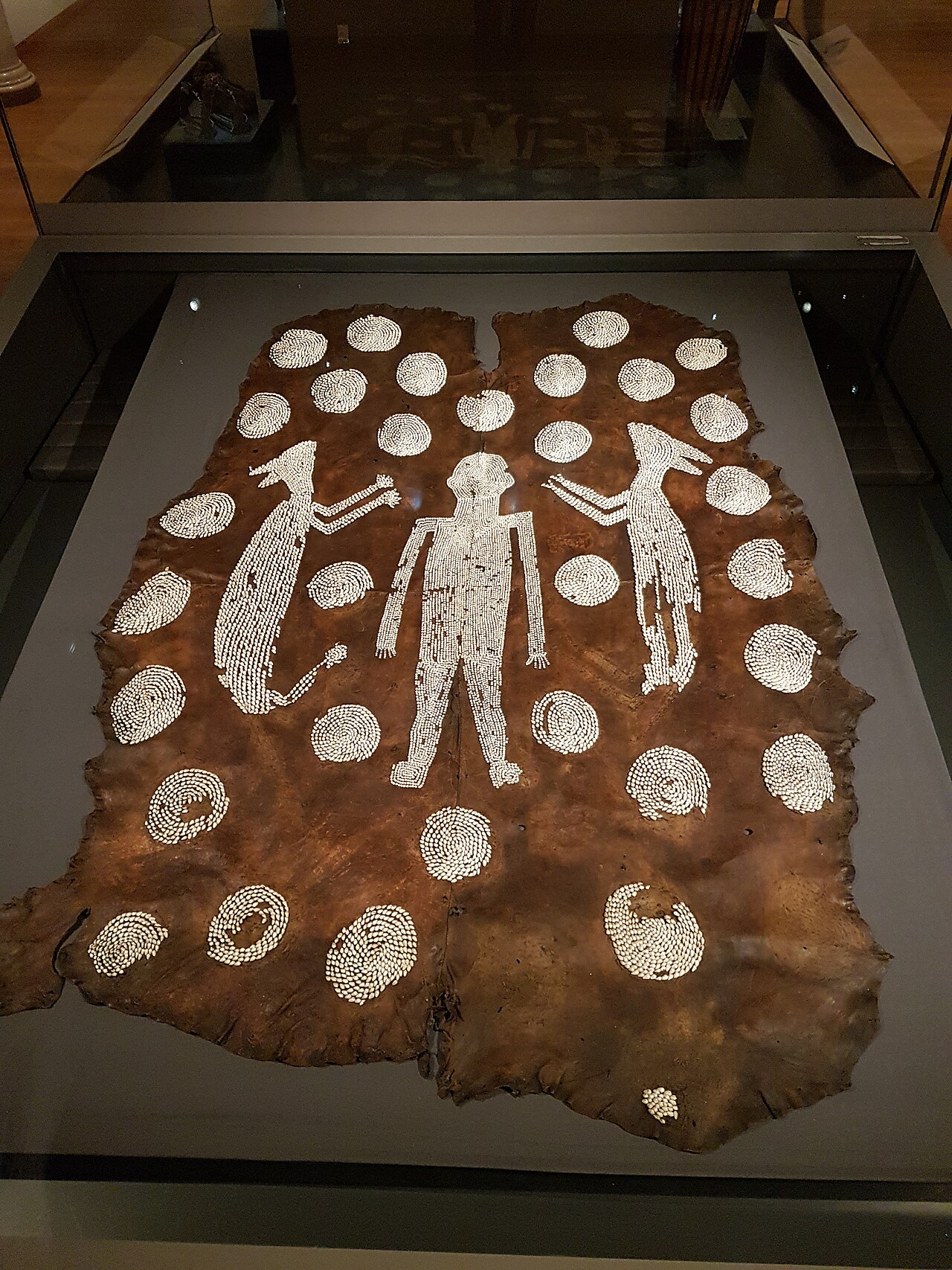 Artifact
Primary source
Powhatan's Mantle
Powhatan people · before 1656
 Painting
Primary source
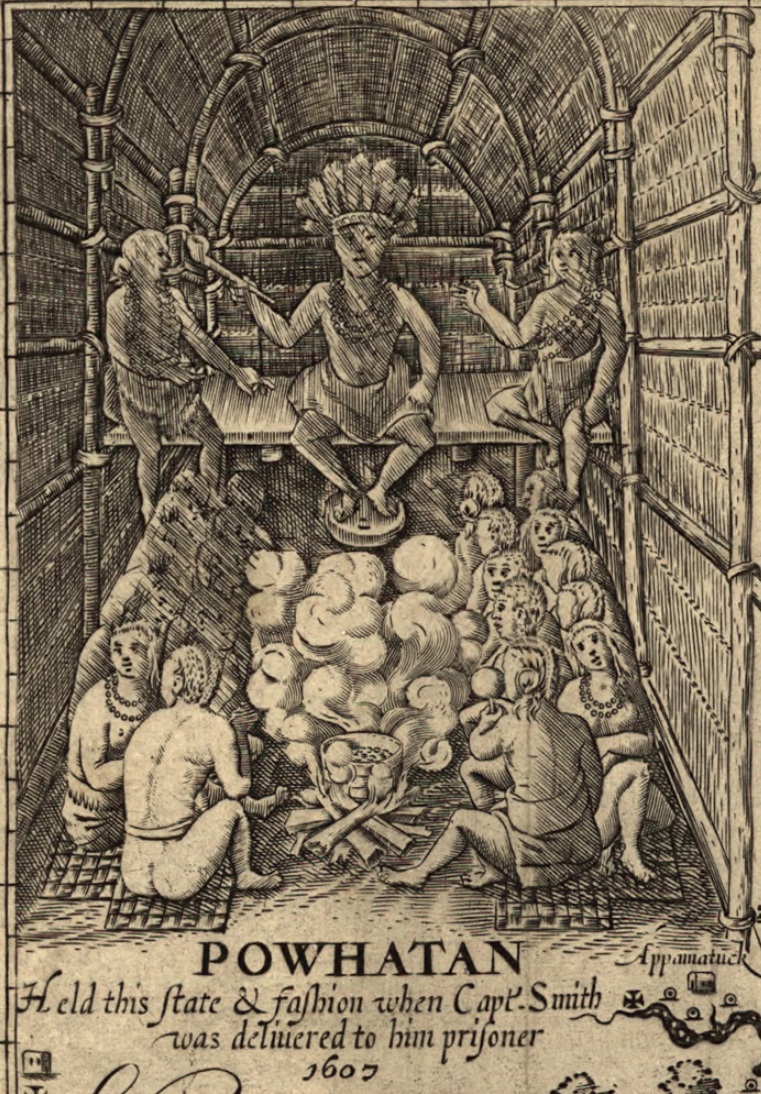
Powhatan and John Smith Map Detail
William Hole · 1606
 Book
Primary source
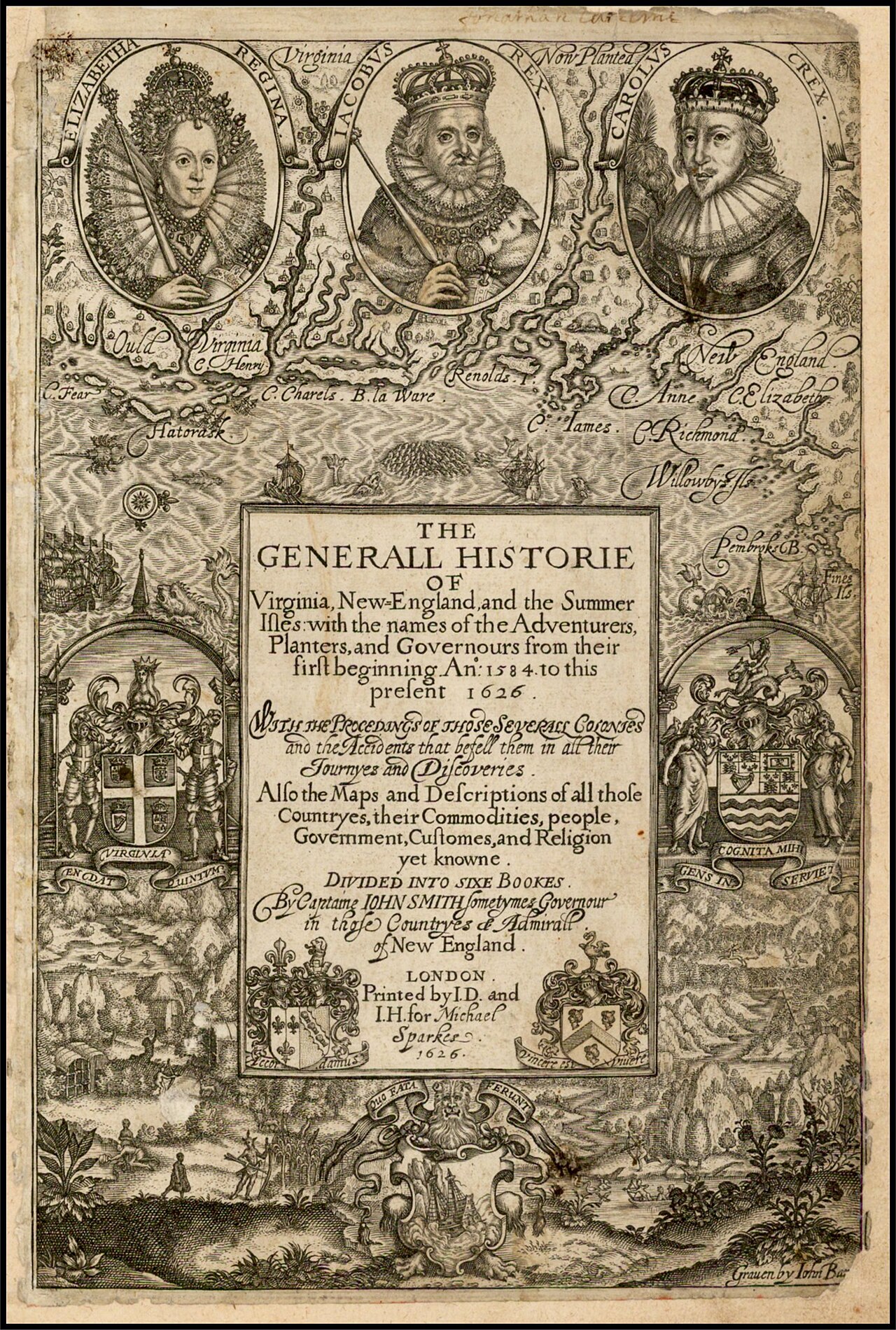
The Generall Historie of Virginia, New-England, and the Summer Isles
John Smith · 1624
 Painting
Secondary source
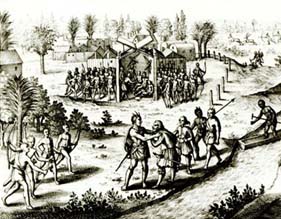
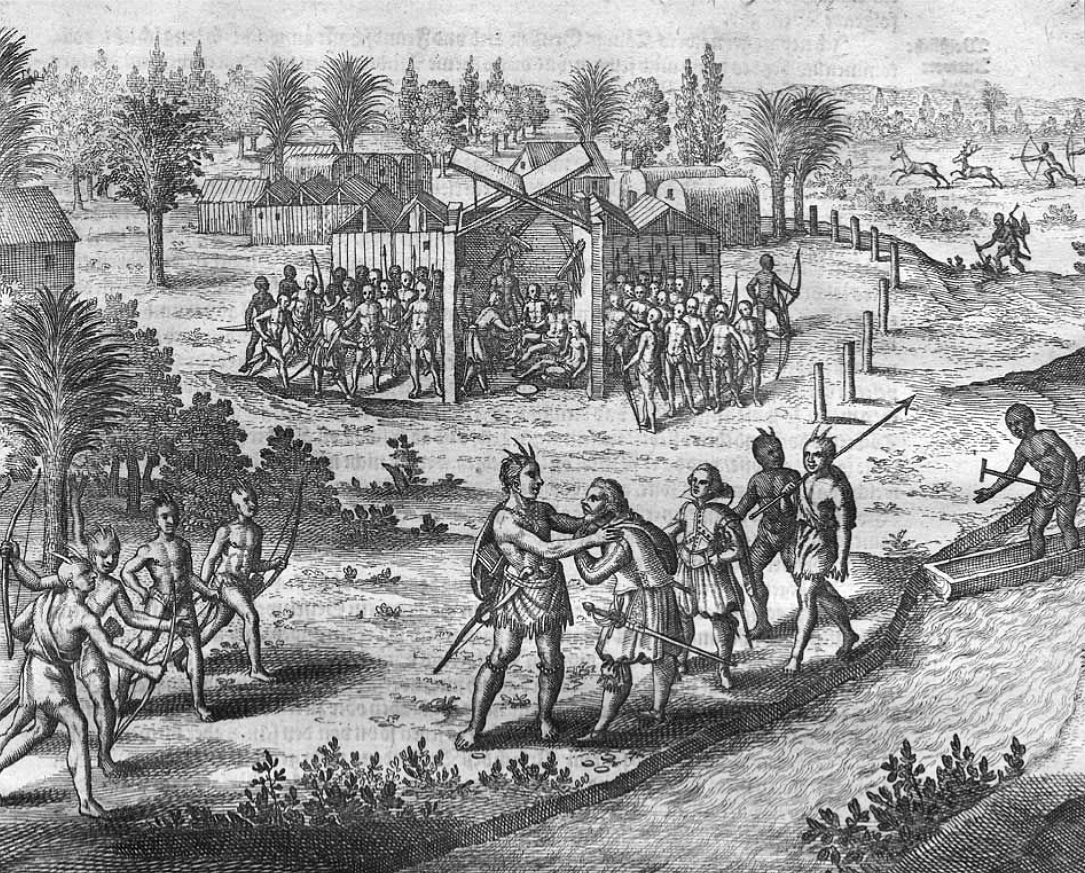
Ralph Hamor Visits Powhatan
Theodor de Bry · 1619
Free account
Read every Chief Powhatan (Wahunsenacawh) source
Sign up free →
Ready when you are
Start chatting with Chief Powhatan (Wahunsenacawh) now.
20 messages free · No credit card · Available in 50+ languages.