


Secondary sourceArtifact1851
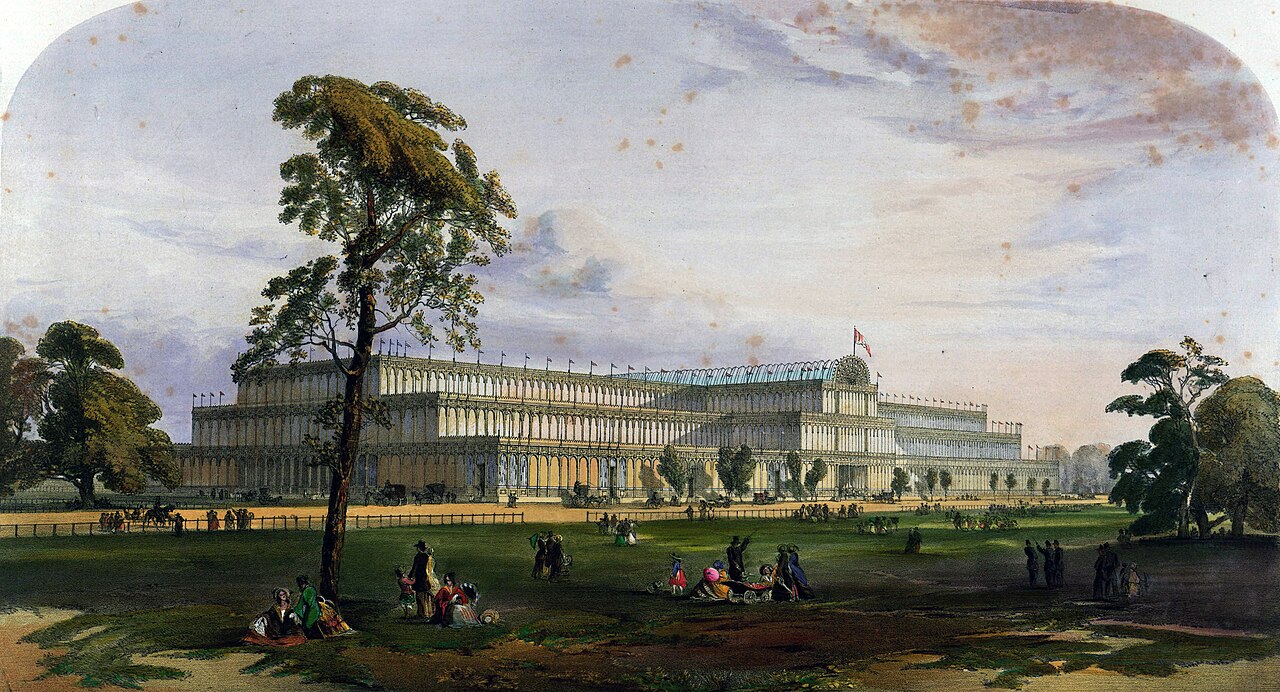
The Crystal Palace
Joseph Paxton · 1851
The glass-and-iron exhibition hall built for the 1851 Great Exhibition, a project Prince Albert championed as president of the Royal Commission.
Albert championed the Great Exhibition as president of the Royal Commission, making this building central to his public legacy.
Free Humy account · No credit card · 118,535 sources to read
About this source
What it is
The Crystal Palace was a huge cast-iron and glass structure designed by Joseph Paxton, built in Hyde Park, London, to house the Great Exhibition of 1851. It covered an enormous area and used thousands of panes of glass made by Chance Brothers. After the exhibition it was moved to Sydenham in South London, where it stood until it burned down in 1936.
Why it matters
The building and the exhibition it housed were driven forward by Prince Albert, who chaired the Royal Commission that organised the event. For Albert, the Great Exhibition was a chance to show how industry, science and trade from around the world could be brought together under one roof. The project reveals his belief in progress and international cooperation, ideas that shaped how he used his position as consort.
Look closer
- Why might organisers have wanted a building made almost entirely of glass?
- What does the choice to hold a world exhibition in London say about Britain's role at the time?
- What is missing from this image that you might want to know about the people who built it?
This artifact is part of the curated material that grounds the AI version of Prince Albert of Saxe-Coburg and Gotha on Humy.ai — when students ask about related events, the AI can quote it and cite it.
More Prince Albert of Saxe-Coburg and Gotha sources
Browse all 94 →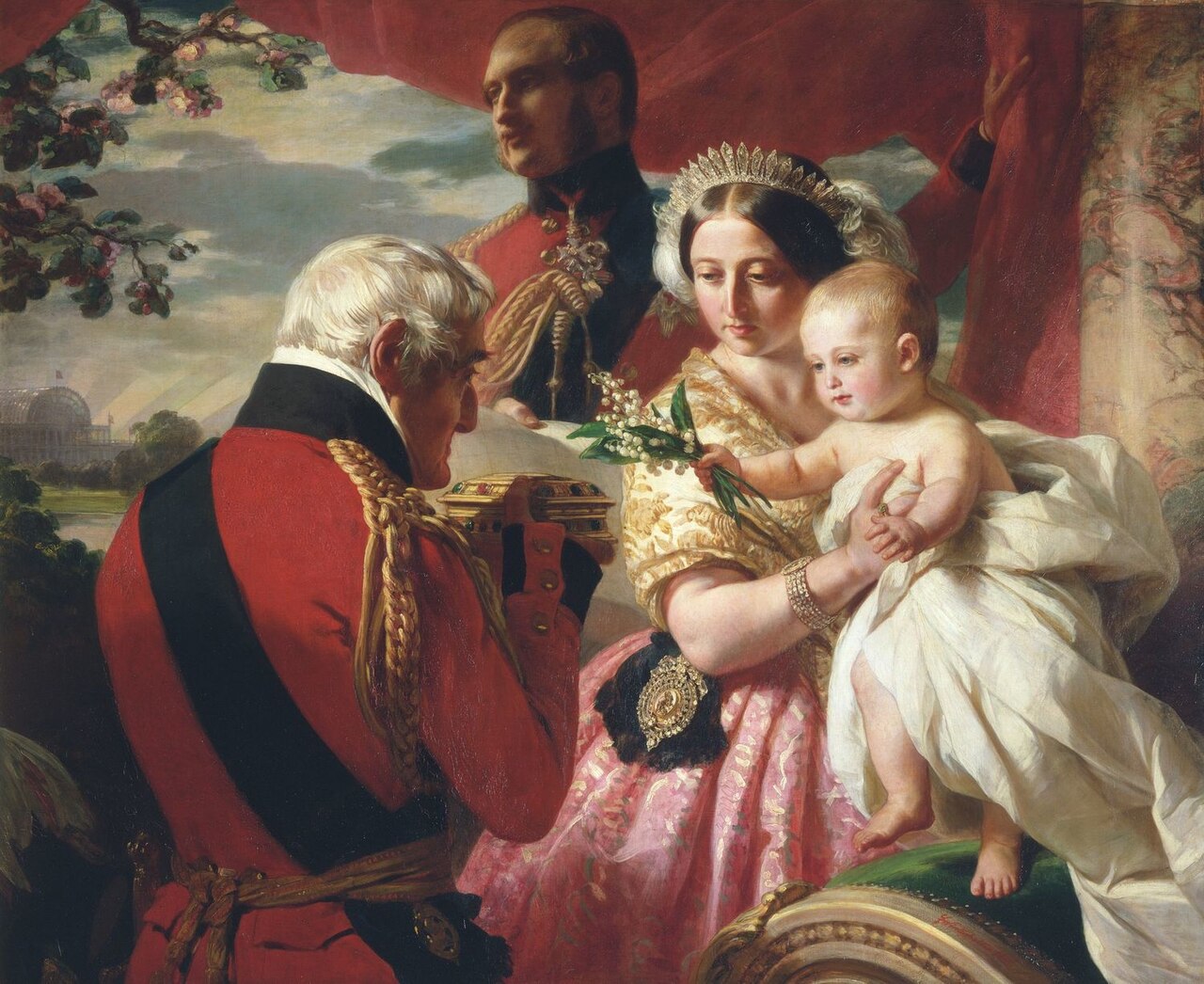 Painting
Primary source
The First of May 1851
Franz Xaver Winterhalter · 1851
 Painting
Primary source
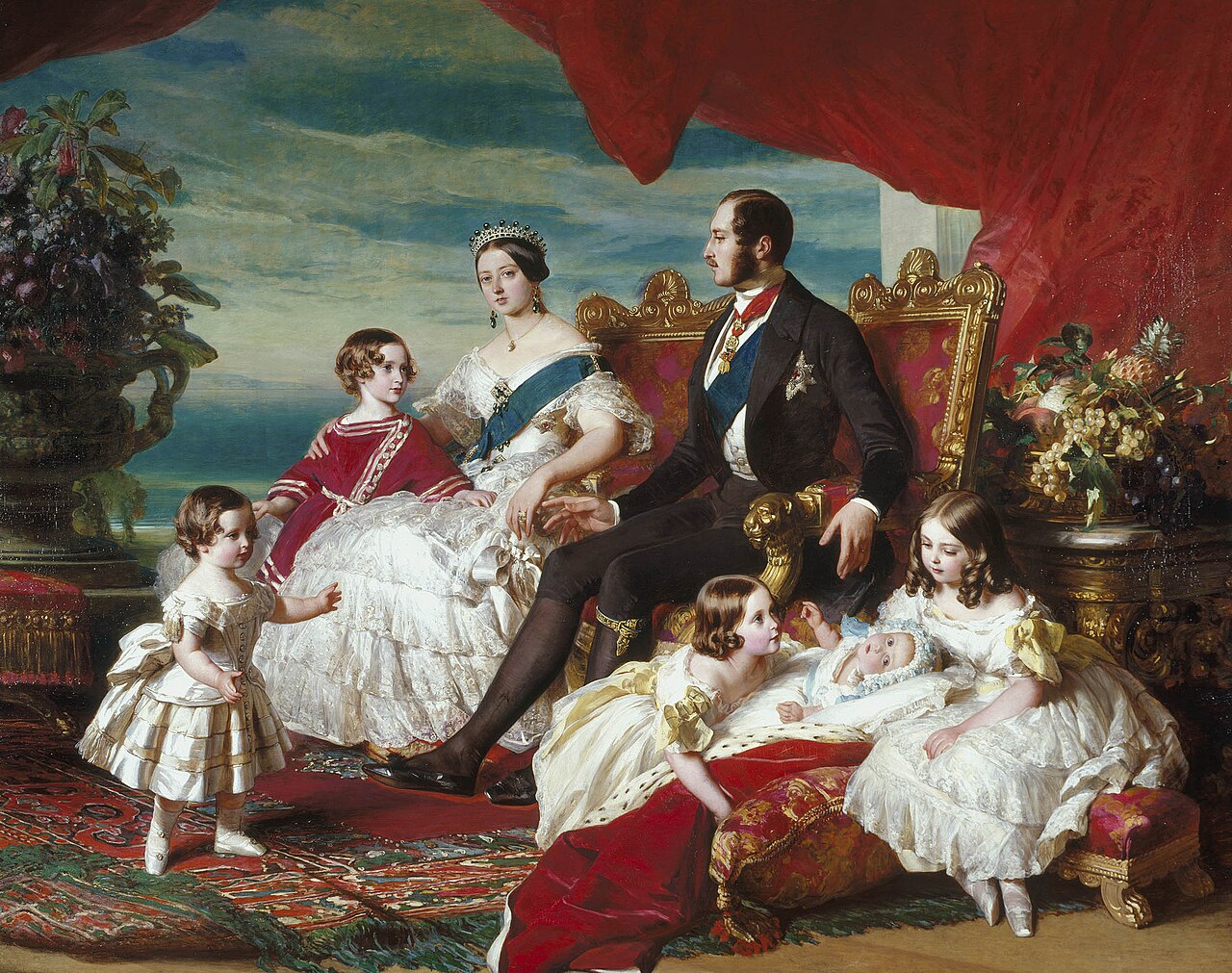
The Royal Family in 1846
Franz Xaver Winterhalter · 1846-1847
 Artifact
Primary source
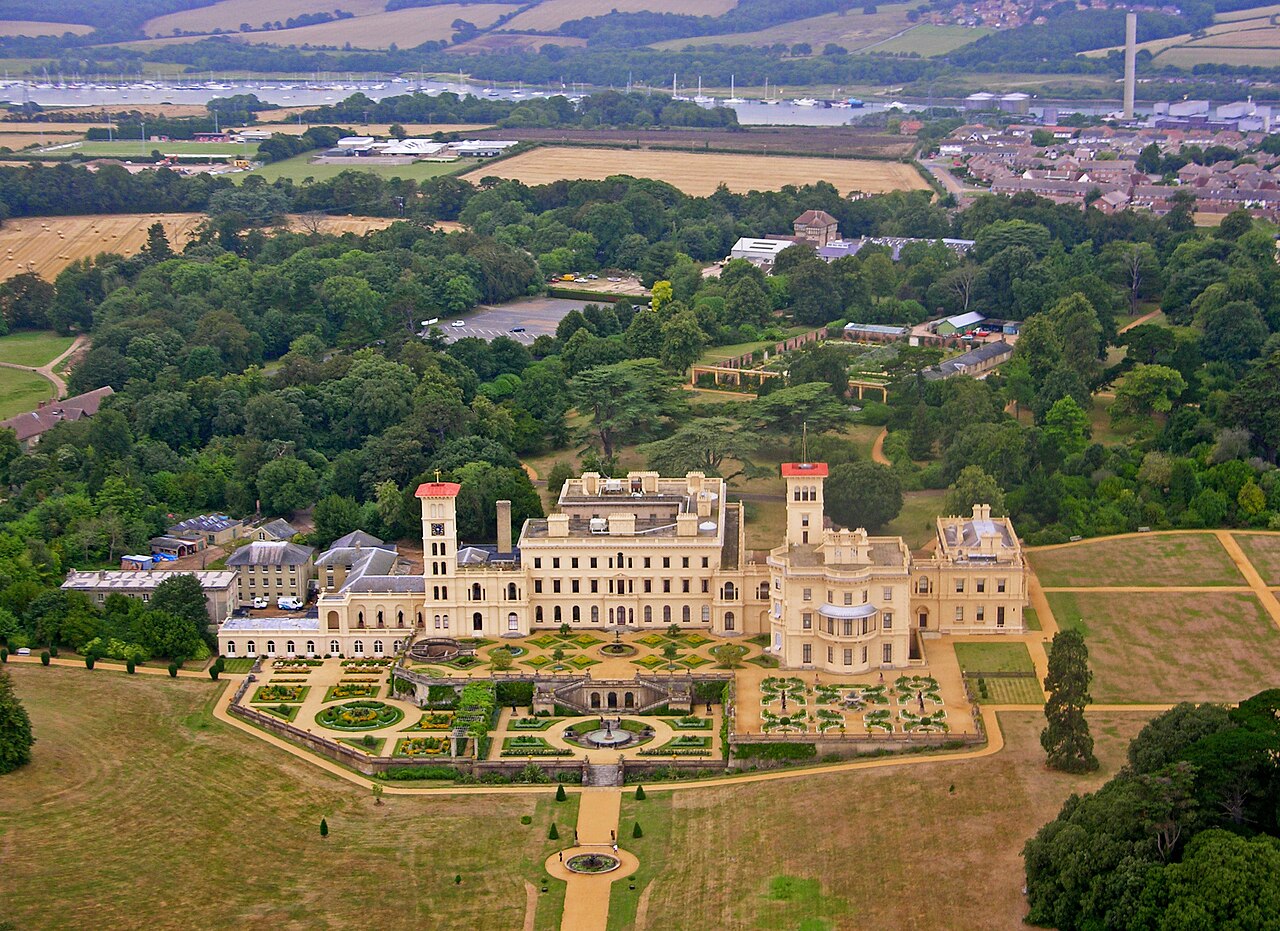
Osborne House
Thomas Cubitt · 1845–1851
 Painting
Primary source
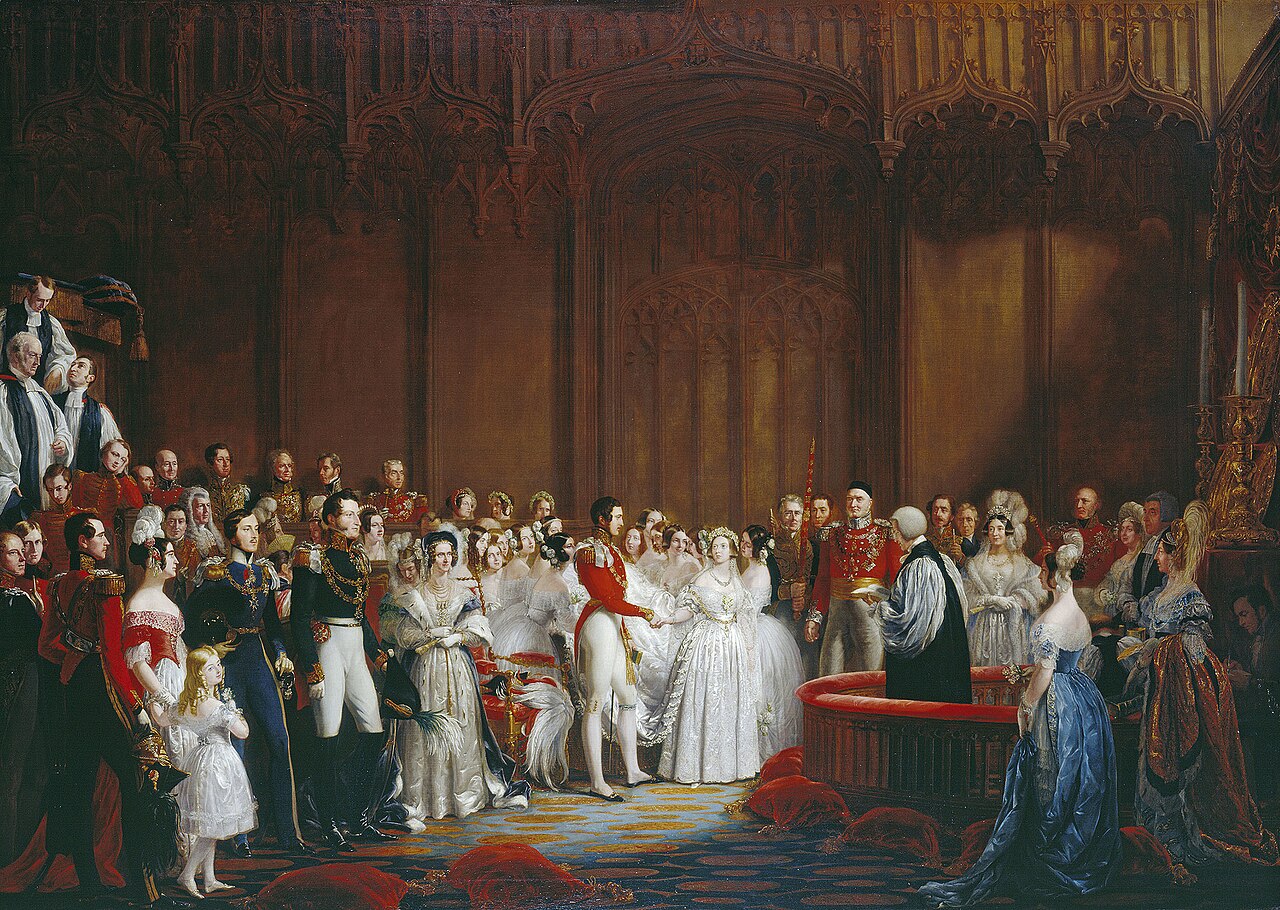
The Marriage of Queen Victoria, 10 February 1840
George Hayter · 1841–1842
Free account
Read every Prince Albert of Saxe-Coburg and Gotha source
Sign up free →
Ready when you are
Start chatting with Prince Albert of Saxe-Coburg and Gotha now.
20 messages free · No credit card · Available in 50+ languages.