


Primary sourcePhotograph10 November 1938
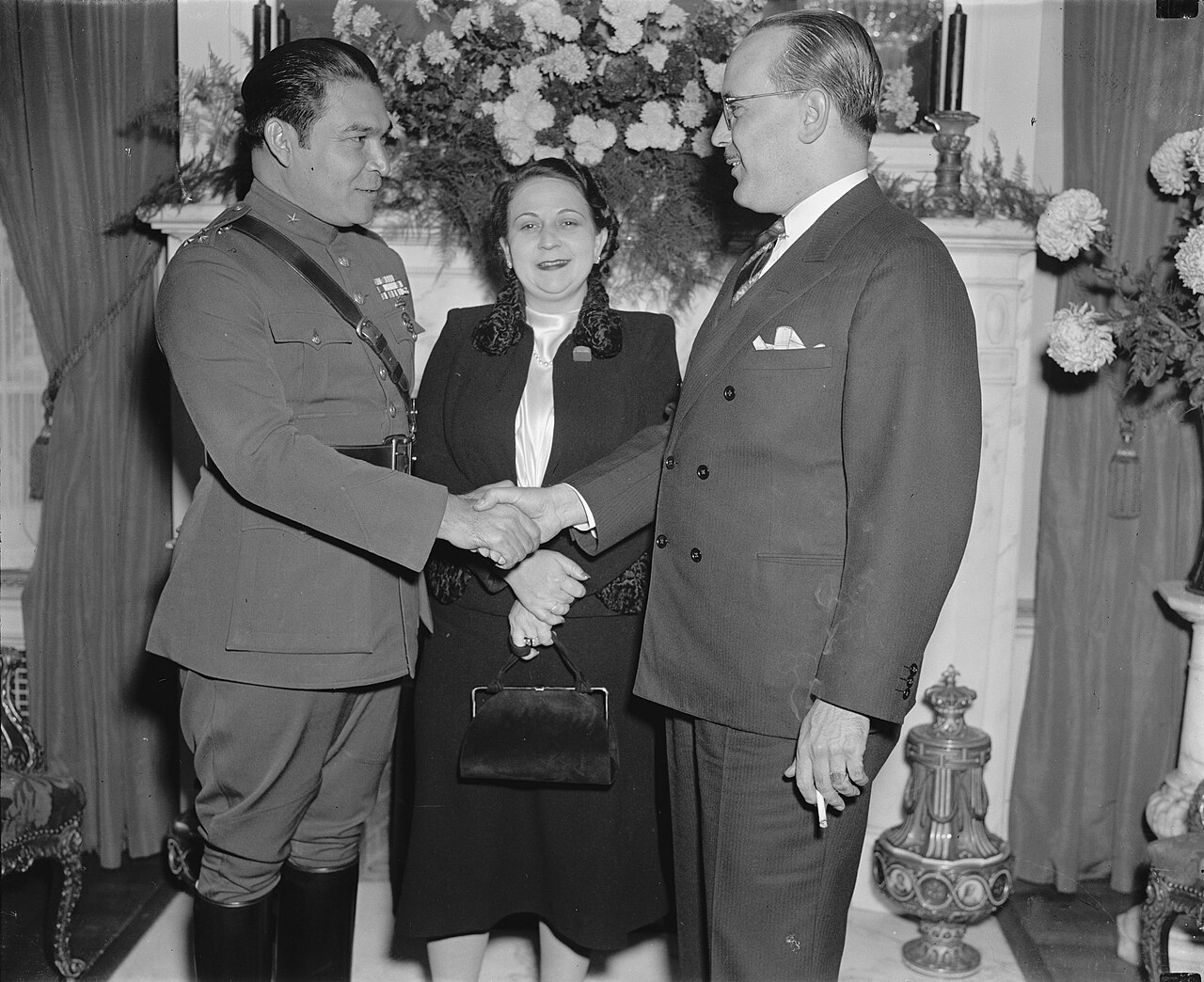
"The Cuban Dictator and the Mrs."
Harris & Ewing · 10 November 1938
A 1938 press photo of Colonel Batista and his wife Elisa Godínez at the Cuban Embassy in Washington, captioned by U.S. media as 'The Cuban Dictator.'
Shows Batista with his first wife during his 1938 Washington visit, when U.S. press already called him 'the Cuban Dictator.'
About this source
What it is
A photograph by Harris & Ewing from 10 November 1938, showing Colonel Fulgencio Batista shaking hands with a man in a suit, with his wife Elisa Godínez-Gómez standing between them, at the Cuban Embassy in Washington, D.C.
Why it matters
The original press caption, "The Cuban Dictator and the Mrs.," shows that American journalists already described Batista as a dictator in 1938, long before his 1952 coup, noting his rapid rise from army sergeant to national power at age 37. It also offers a rare image of his first wife, described in the caption as "seldom photographed."
Look closer
- Why does the caption call Batista a "dictator" even in 1938, years before he seized total power?
- What might it mean that his wife was described as "seldom photographed"?
- What does a formal embassy photo like this reveal, and what does it hide, about Batista's power?
This photograph is part of the curated material that grounds the AI version of Fulgencio Batista on Humy.ai — when students ask about related events, the AI can quote it and cite it.
More Fulgencio Batista sources
Browse all 36 →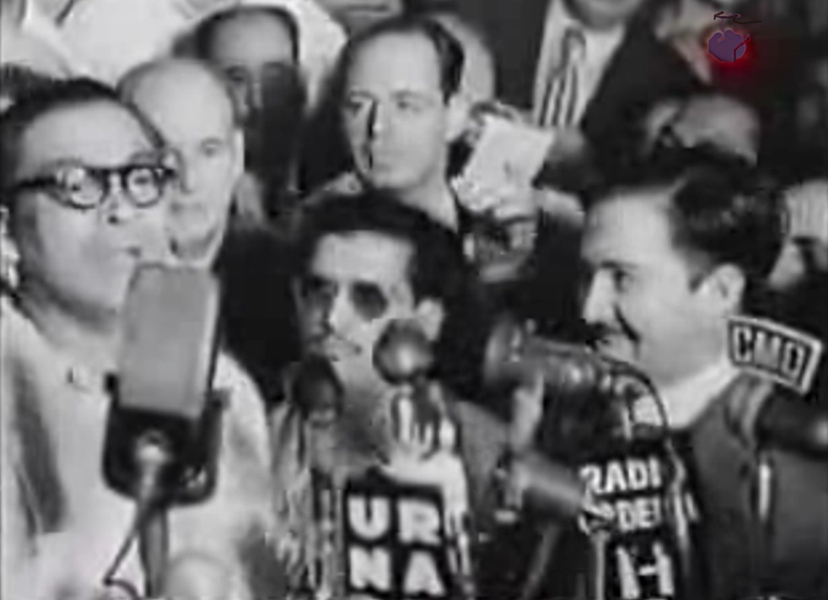 Photograph
Primary source
Camp Columbia Press Conference, 10 March 1952
Unknown · 10 March 1952
 Photograph
Primary source
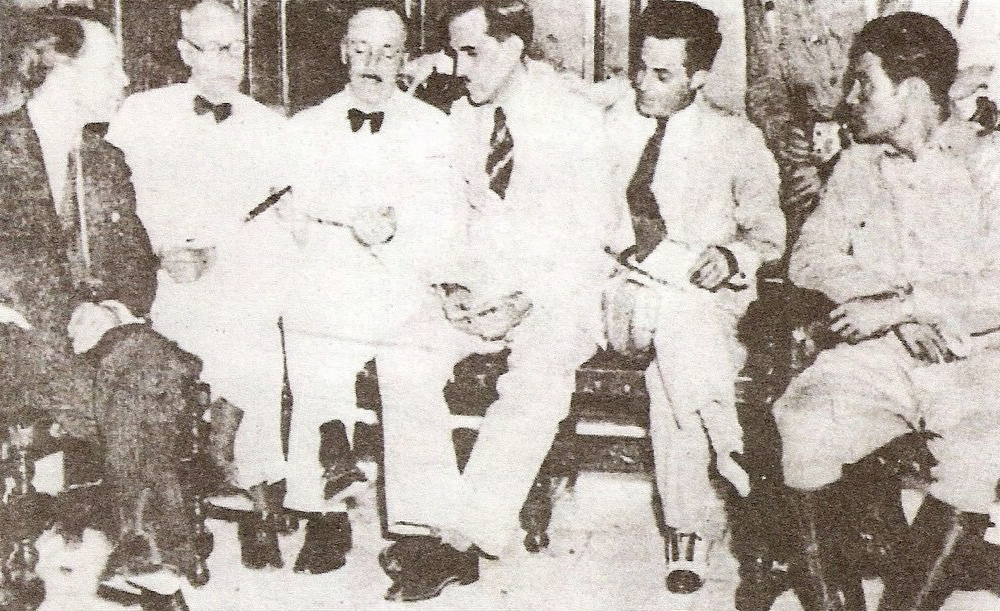
Pentarchy of 1933 Group Photograph
Juan Joaquin Otero · 1933
 Photograph
Primary source
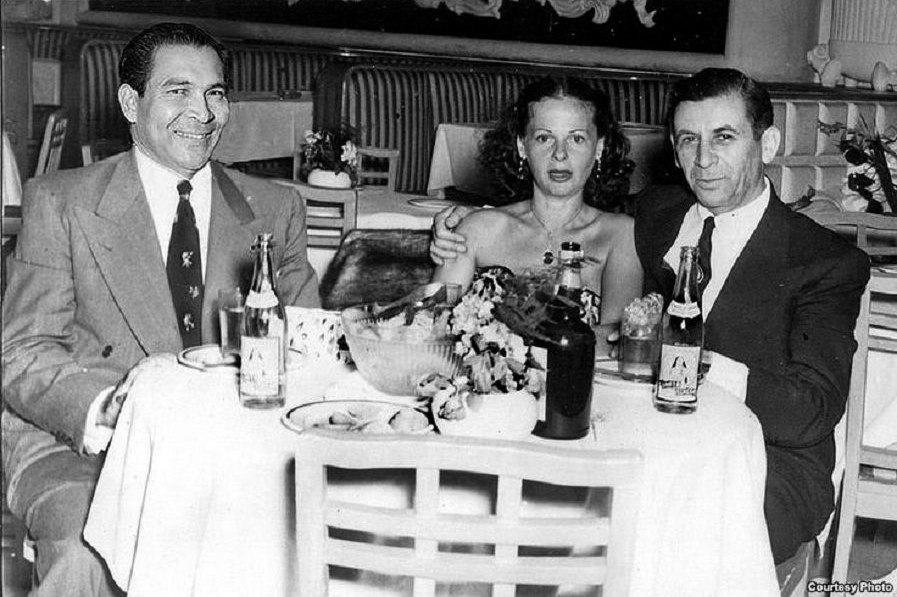
Fulgencio Batista with Meyer Lansky and His Wife
Unknown
 Photograph
Primary source
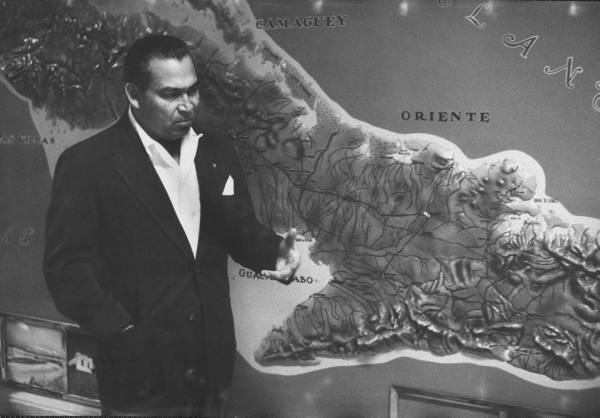
Batista with Map of the Sierra Maestra, March 1957
Batista's personal photographer · March 1957



Free account
Read every Fulgencio Batista source
Sign up free →
Ready when you are
Start chatting with Fulgencio Batista now.
20 messages free · No credit card · Available in 50+ languages.