


Secondary sourceBook
The Cyclops
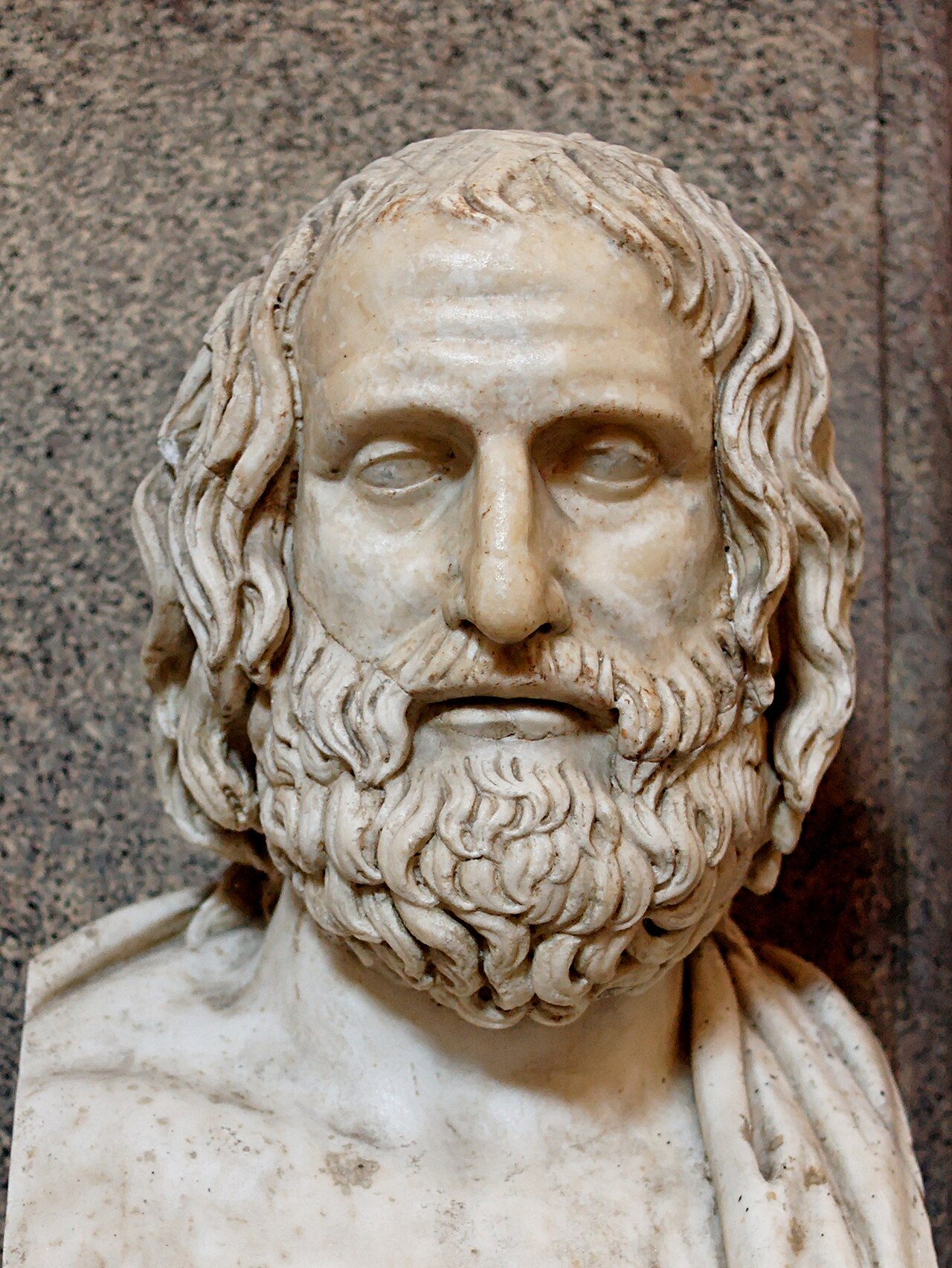
Euripides
Percy Bysshe Shelley's English translation of Euripides' satyr play about Silenus, the satyrs, and the Cyclops Polyphemus.
This is a later translation of Euripides' own satyr play, showing its continued literary life.
Free Humy account · No credit card · 120,288 sources to read
About this source
What it is
This is an English translation by the Romantic poet Percy Bysshe Shelley of Euripides' satyr play The Cyclops. The play follows Silenus and a chorus of satyrs trapped in service to the Cyclops Polyphemus, drawing on the same story as Odysseus' encounter with the Cyclops.
Why it matters
This translation shows how Euripides' work was still being read, admired, and reinterpreted over two thousand years later by major literary figures of the Romantic era. Shelley's interest in Euripides reflects the broader fascination of 18th- and 19th-century writers with Greek drama and mythology.
Look closer
- What changes might happen to a play's meaning when it is translated centuries later into a different language?
- Why might a Romantic poet like Shelley have been drawn to translate this particular play?
- This text is a translation, not Euripides' original words—how should that affect how we read it?
This book is part of the curated material that grounds the AI version of Euripides on Humy.ai — when students ask about related events, the AI can quote it and cite it.

Ready when you are
Start chatting with Euripides now.
20 messages free · No credit card · Available in 50+ languages.