


Primary sourceBook1926
The Dancing Girl of Izu
Yasunari Kawabata · 1926
Kawabata's 1926 breakthrough novella about a student's encounter with a troupe of travelling performers in Izu.
Kawabata's own breakthrough novella, central to his literary reputation and personal history.
Free Humy account · No credit card · 120,912 sources to read
About this source
What it is
A short novella by Yasunari Kawabata, first published in 1926 in a literary magazine and later in book form. It follows a lonely student travelling the Izu Peninsula who becomes drawn to a troupe of itinerant musicians, especially a young dancer.
Why it matters
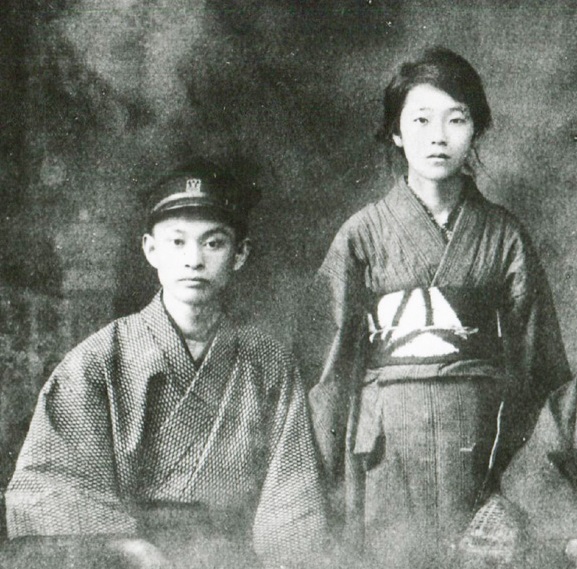
This story made Kawabata's name and remains one of the most widely read works of modern Japanese literature. It drew on his own travels in Izu as a young man and, some scholars suggest, on his broken engagement to Hatsuyo Itō. Critics have called it an autobiographical evocation of first love and a story about loneliness, purity, and social exclusion in early twentieth-century Japan.
Look closer
- Why might Kawabata have set the story during his own student years?
- How does the narrator's loneliness shape what he notices about the people he meets?
- What does the story suggest about class and social status in 1920s Japan?
This book is part of the curated material that grounds the AI version of Yasunari Kawabata on Humy.ai — when students ask about related events, the AI can quote it and cite it.
More Yasunari Kawabata sources
Browse all 59 →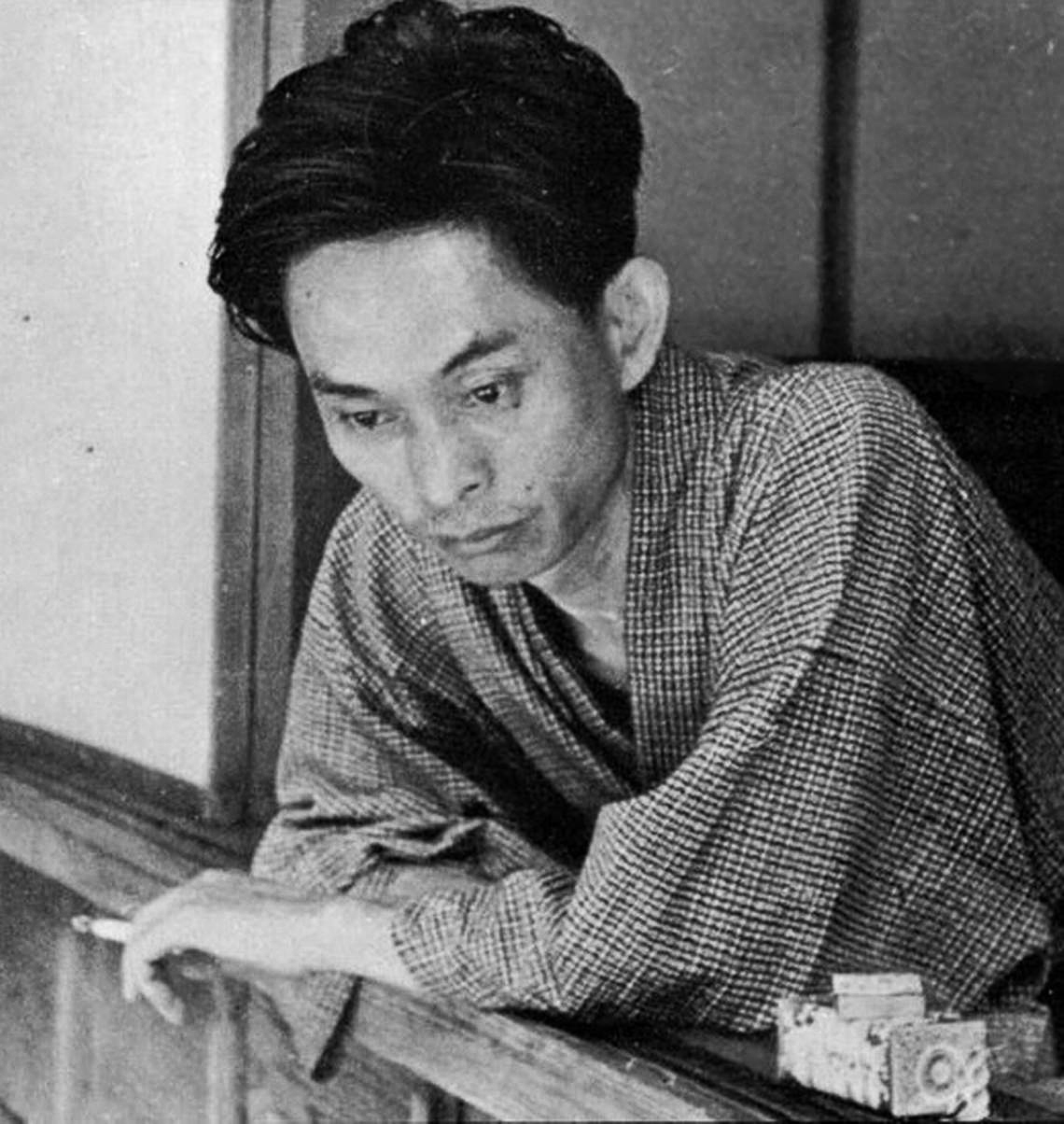 Photograph
Primary source
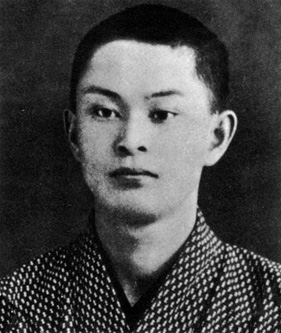
Portrait of Yasunari Kawabata, 1938
1938
 Photograph
Primary source
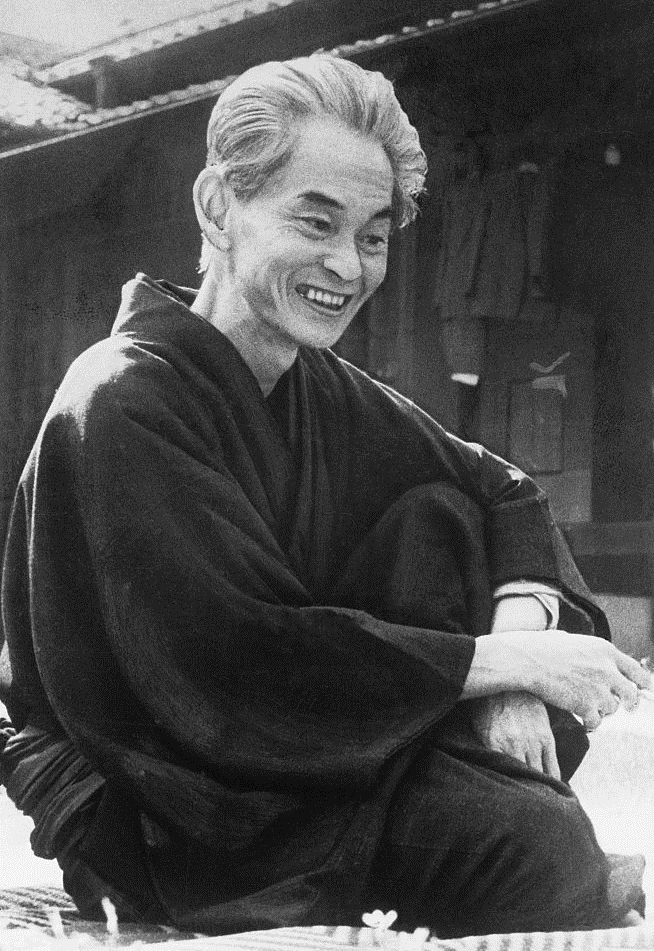
Kawabata Yasunari 1968 Nobel Wire Photo
UPI · 1968
 Documentary
Primary source
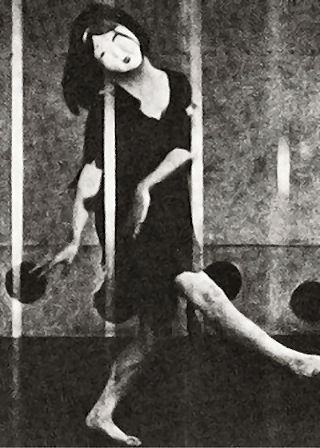
A Page of Madness
Teinosuke Kinugasa · 1926
 Photograph
Primary source
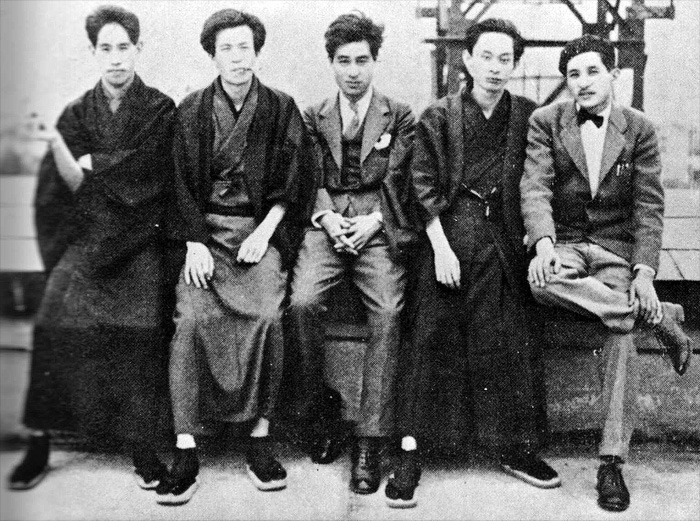
Photograph of Kawabata and Hatsuyo Itō
1921
Free account
Read every Yasunari Kawabata source
Sign up free →
Ready when you are
Start chatting with Yasunari Kawabata now.
20 messages free · No credit card · Available in 50+ languages.