


Primary sourceBook1881
The Dawn of Day
Friedrich Nietzsche · 1881
Nietzsche's 1881 book of aphorisms, which he later said began his 'campaign against morality'.
This is Nietzsche's own 1881 book, written during his wandering years after leaving his post at Basel.
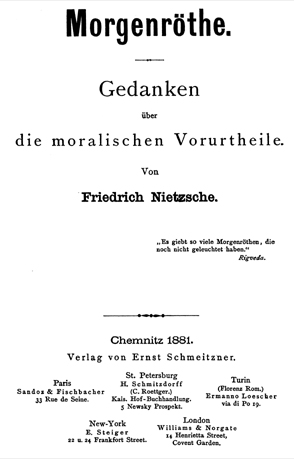
About this source
What it is
This is the title page of Morgenröthe (The Dawn of Day, also translated as Daybreak), written by Friedrich Nietzsche and published in 1881 by Ernst Schmeitzner in Chemnitz. The book opens with an epigraph from the Rigveda.
Why it matters
Nietzsche himself later called this the book where his 'campaign against morality begins'. In it he questions the role of pleasure as a human motive, develops his idea of a 'feeling of power', and sharpens his criticism of Christianity and of traditional moral values. It was written during Nietzsche's years of wandering after leaving his professorship at Basel, and shows the restless, searching character of his middle period.
Look closer
- What might it mean for a philosopher to describe his own work as a 'campaign' against morality?
- Why do you think Nietzsche chose an epigraph from an ancient Indian text?
- This book is described as one of the least studied of Nietzsche's works—why might that be?
This book is part of the curated material that grounds the AI version of Friedrich Nietzsche on Humy.ai — when students ask about related events, the AI can quote it and cite it.
More Friedrich Nietzsche sources
Meet the AI Friedrich Nietzsche →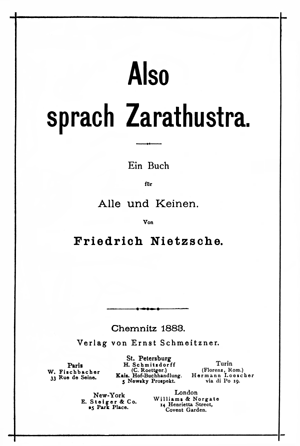 Book
Primary source
Thus Spoke Zarathustra
Friedrich Nietzsche · 1883-1885
 Book
Primary source
On the Genealogy of Morality
Friedrich Nietzsche · 1887
 Book
Primary source
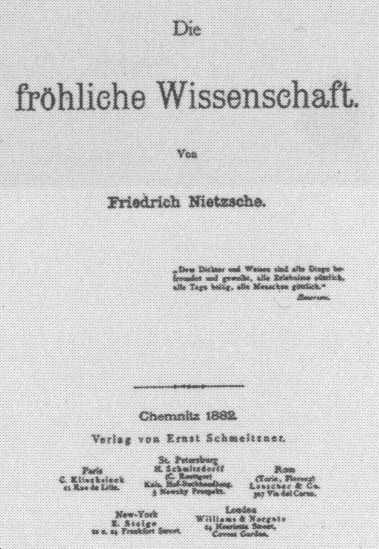
The Gay Science
Friedrich Nietzsche · 1882
 Book
Primary source
Beyond Good and Evil
Friedrich Nietzsche · 1886
 Book
Primary source
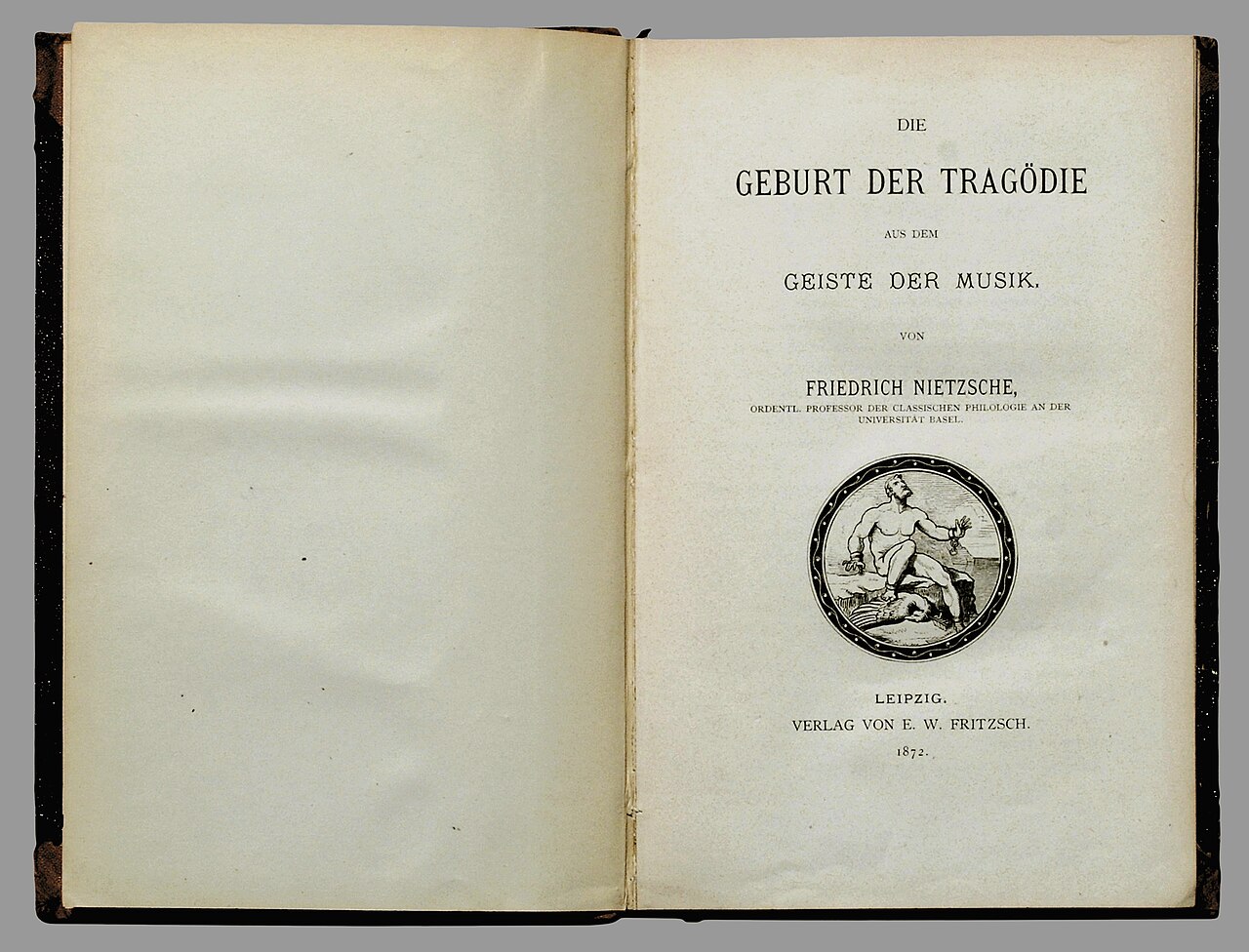
The Birth of Tragedy
Friedrich Nietzsche · 1872
Ready when you are
Start chatting with Friedrich Nietzsche now.
20 messages free · No credit card · Available in 50+ languages.