


Primary sourceBook
The Dead Babe
Eugene Field
An elegy by Eugene Field on the death of a small child, in which a grieving parent questions God and then accepts the loss.
Field wrote this elegy about a child's death, which the curator's note links to his personal grief and shows a more serious side of his verse.
About this source
What it is
"The Dead Babe" is an elegy by Eugene Field about the death of a child. The text here comes from a transcription on Wikisource, so it is a modern digital copy rather than a scan of an original printed page. The poem is written in the voice of a parent who kneels beside a dead baby, asks God why this happened, and then describes a vision of a shepherd and a lamb. In its last stanza the speaker says they are content and bow to God's wisdom. A footnote in the transcription glosses the term "Cooing Dove."
Why it matters
The curator's note describes the poem as reflecting Field's personal grief. Elegies on the deaths of children were a common form of writing in Field's time, and this poem shows how a grieving parent could turn sorrow into religious faith. It reveals the emotional and religious thinking of its period and the personal loss that shaped some of Field's writing.
Look closer
- How does the speaker move from anger and questioning to acceptance, and what changes between the stanzas?
- Why might the poem use the image of a shepherd and a lamb to describe the dead child?
- What does the poem leave out about the speaker's grief and how it might have been felt by others in the household?
This book is part of the curated material that grounds the AI version of Eugene Field on Humy.ai — when students ask about related events, the AI can quote it and cite it.
More Eugene Field sources
Meet the AI Eugene Field →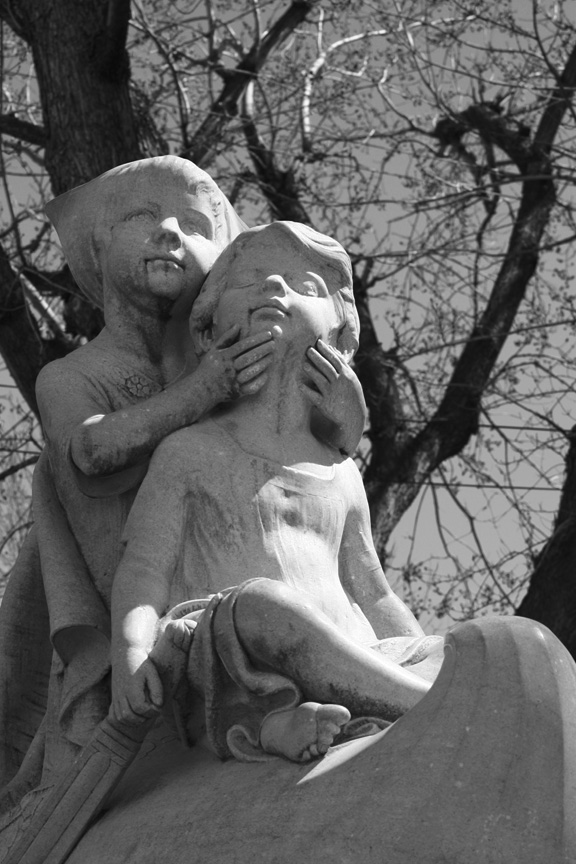 Book
Primary source
Wynken, Blynken, and Nod
Eugene Field · 1889
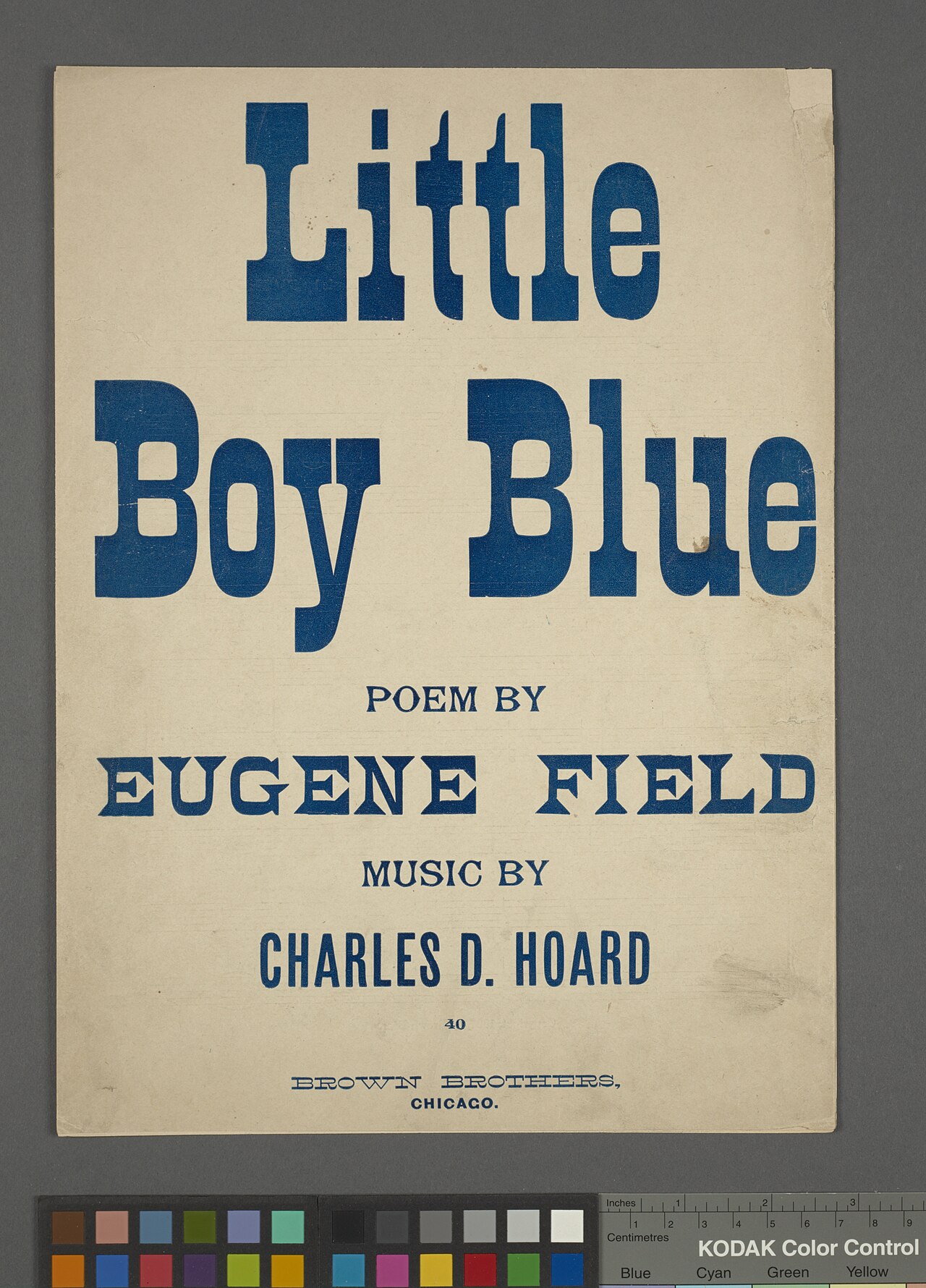 Book
Primary source
Little Boy Blue
Eugene Field · 1888
Primary source
The Duel
Eugene Field · c. 1892-1895
Primary source
A Little Book of Western Verse
Eugene Field · 1889
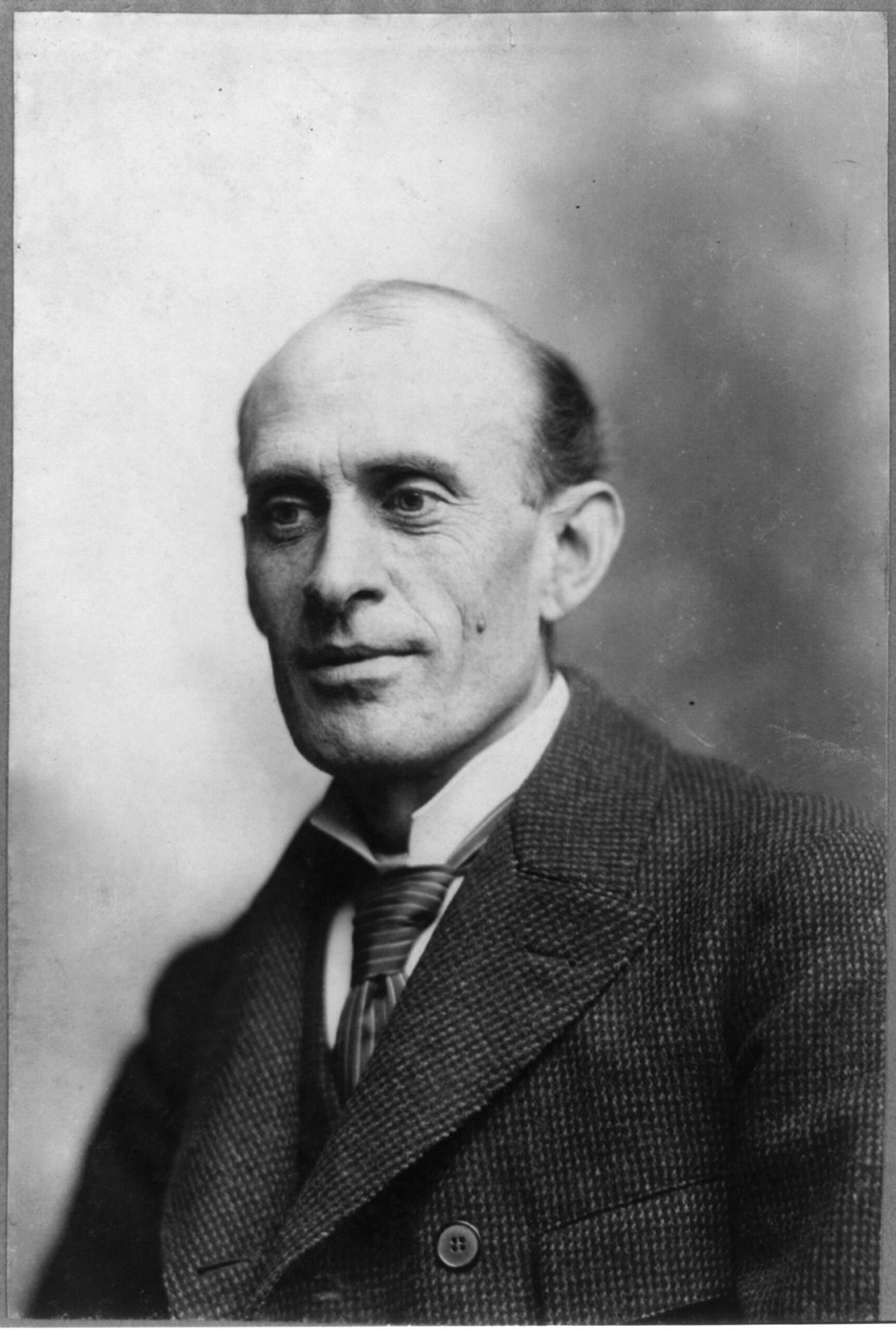 Photograph
Primary source
Eugene Field, 1850-1895, head-and-shoulders portrait, facing left
1850-1895
Ready when you are
Start chatting with Eugene Field now.
20 messages free · No credit card · Available in 50+ languages.