


Secondary sourcePainting1780-1785
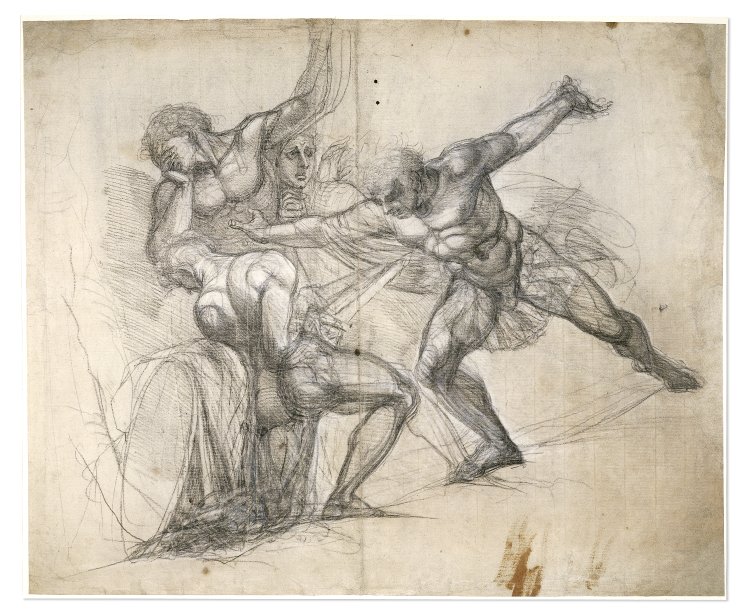
The Death of Brutus
Henry Fuseli · 1780-1785
A charcoal drawing by Henry Fuseli illustrating Brutus's suicide in Shakespeare's Julius Caesar, Act V.
This drawing illustrates Shakespeare's dramatized version of Brutus's suicide, shaping his later popular image.
About this source
What it is
This is a charcoal drawing, touched with white chalk, made between 1780 and 1785 by the Swiss-British artist Henry Fuseli. It illustrates the final scene of Shakespeare's play Julius Caesar, in which Brutus runs upon his own sword, held by his servant Strato, while other companions look on.
Why it matters
This drawing is not a record of the real Brutus but of a scene invented by Shakespeare centuries after his death. It shows how the playwright's version of events shaped the imagery and reputation of Brutus for later audiences, turning his death into a dramatic, theatrical moment rather than a strict historical account.
Look closer
- How does the artist use the figures' poses and expressions to show emotion in this moment?
- Why might an artist choose to illustrate a scene from a play rather than from a historical account?
- What does this image leave out that a historian might want to know about Brutus's actual death?
This painting is part of the curated material that grounds the AI version of Marcus Junius Brutus on Humy.ai — when students ask about related events, the AI can quote it and cite it.
More Marcus Junius Brutus sources
Browse all 87 →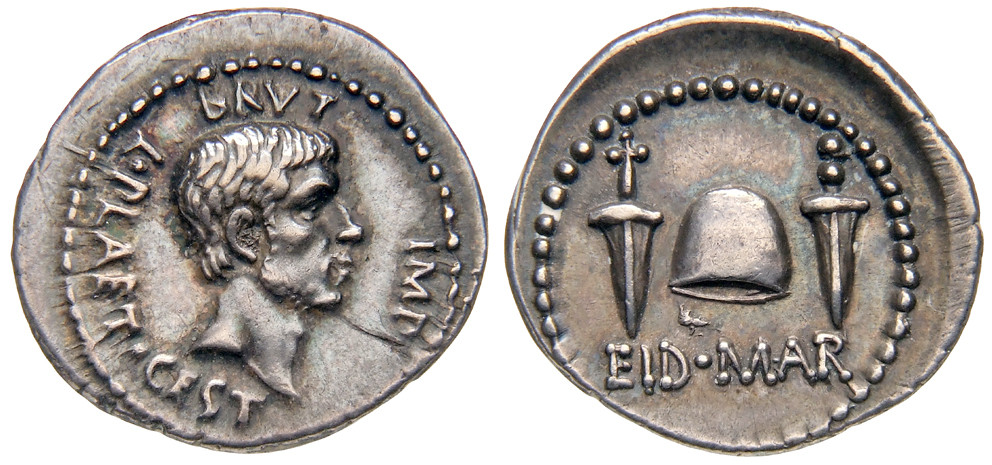 Artifact
Primary source
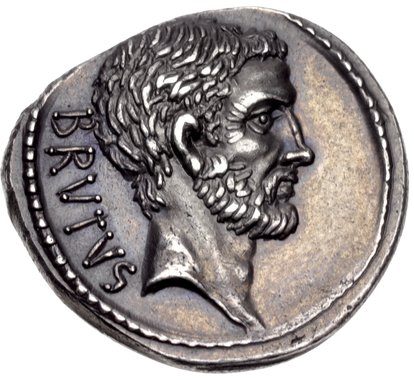
Ides of March coin
Lucius Plaetorius Cestianus · 43-42 BCE
Secondary source
Life of Brutus
Plutarch
Primary source
Epistulae ad Brutum
Cicero and Marcus Junius Brutus · 43 BC
 Book
Secondary source
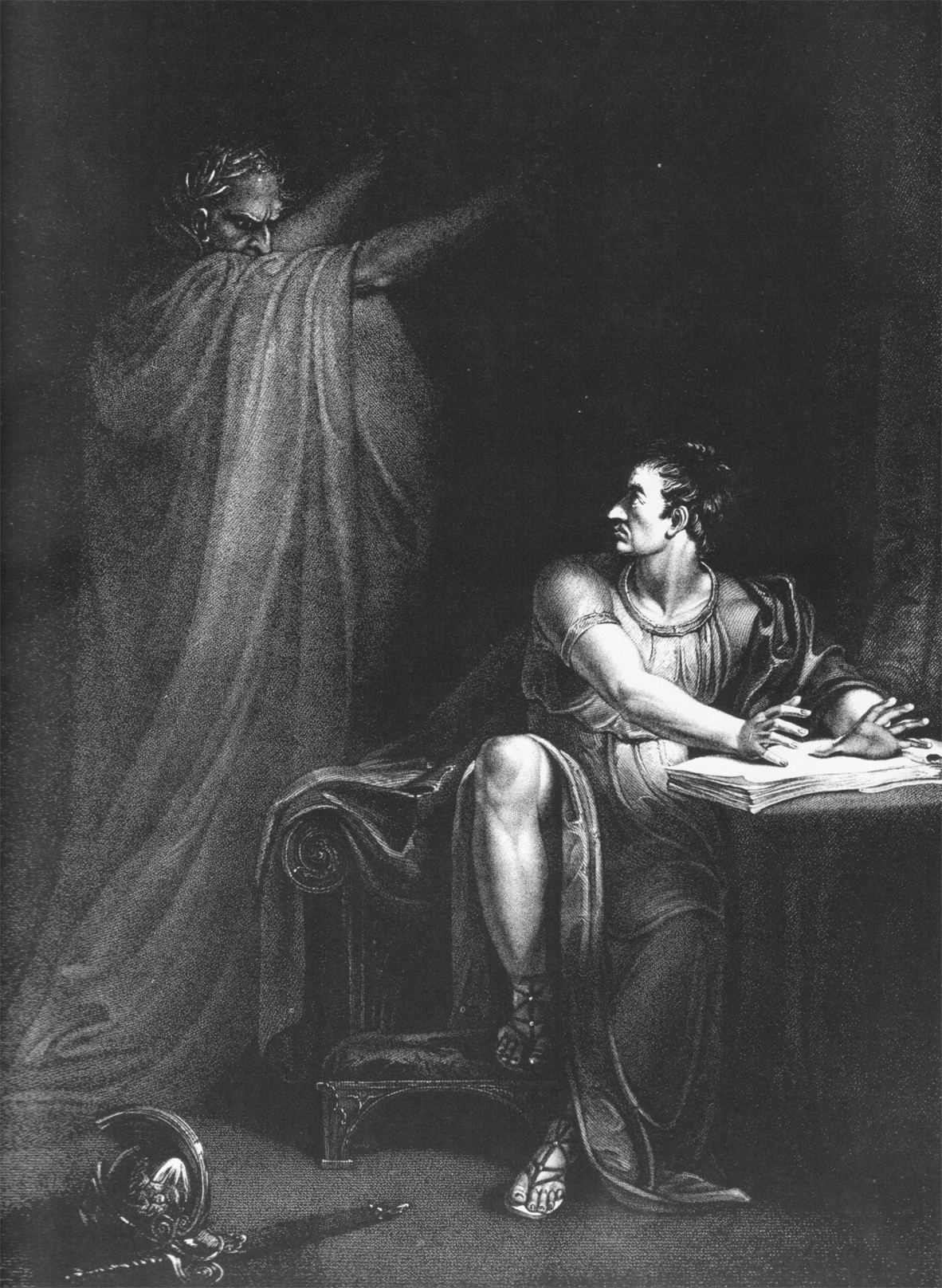
Julius Caesar
William Shakespeare · 1599
Free account
Read every Marcus Junius Brutus source
Sign up free →
Ready when you are
Start chatting with Marcus Junius Brutus now.
20 messages free · No credit card · Available in 50+ languages.