


Primary sourcePainting1793
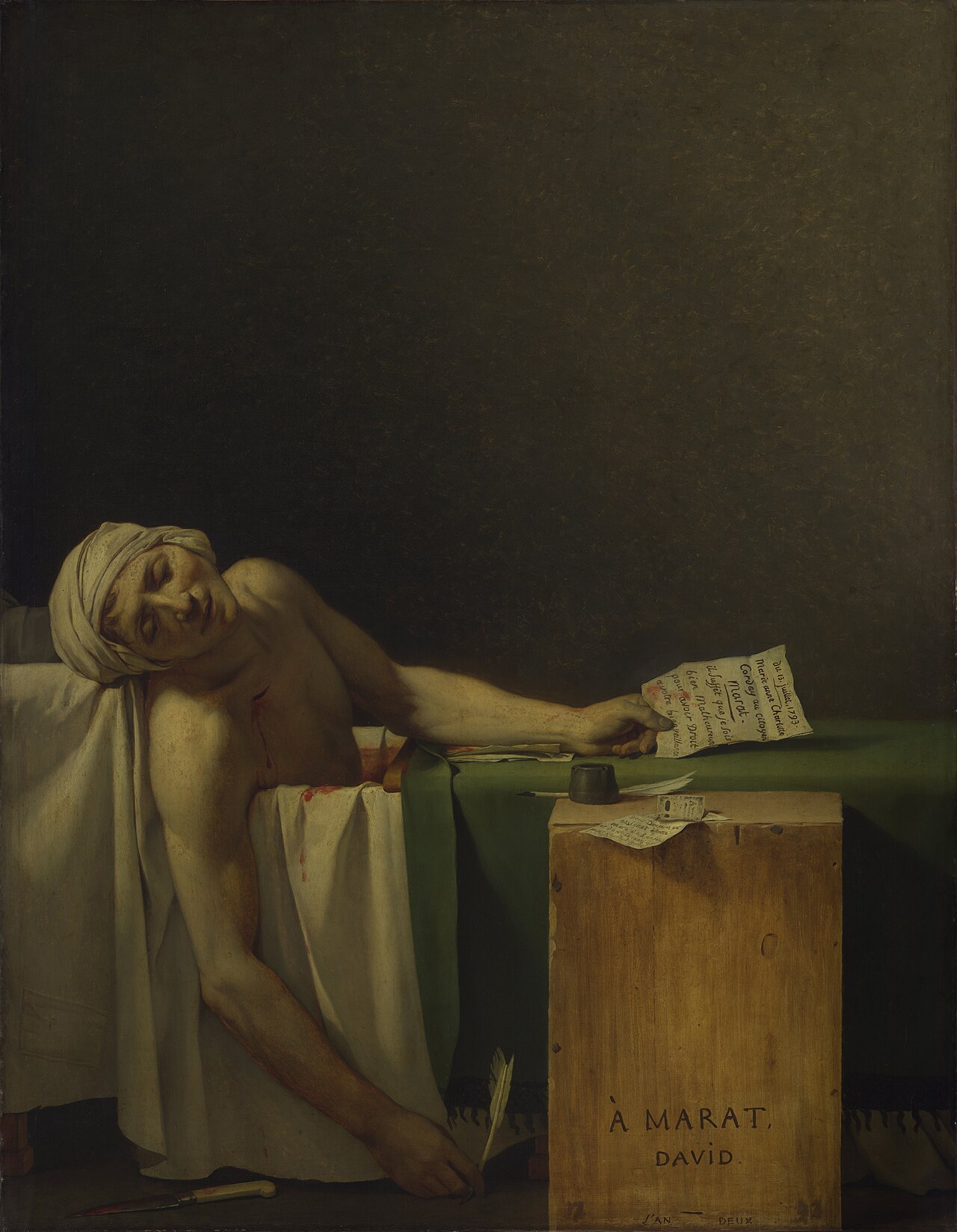
The Death of Marat
Jacques-Louis David · 1793
David's 1793 painting of the murdered revolutionary Jean-Paul Marat, painted by his friend and fellow Jacobin as a piece of revolutionary propaganda.
David painted this tribute to his murdered friend and fellow Jacobin, using art as revolutionary propaganda.
About this source
What it is
This 1793 painting by Jacques-Louis David shows the revolutionary leader Jean-Paul Marat lying dead in his bathtub, soon after his assassination by Charlotte Corday. It is held by the Royal Museums of Fine Arts of Belgium; a copy made in David's studio is in the Louvre.
Why it matters
David was a friend of Marat and a committed Jacobin politician himself, and he painted this image within months of the murder as a piece of revolutionary propaganda, turning Marat into a martyr in a pose echoing Christian religious art. It is considered one of the most famous images of the French Revolution and has influenced artists ever since.
Look closer
- What details make Marat look like a martyr rather than simply a murdered man?
- Why might David, as Marat's friend and political ally, have chosen to paint him this way?
- What does the painting leave out about the reasons for Marat's death?
This painting is part of the curated material that grounds the AI version of Jacques-Louis David on Humy.ai — when students ask about related events, the AI can quote it and cite it.
More Jacques-Louis David sources
Browse all 98 →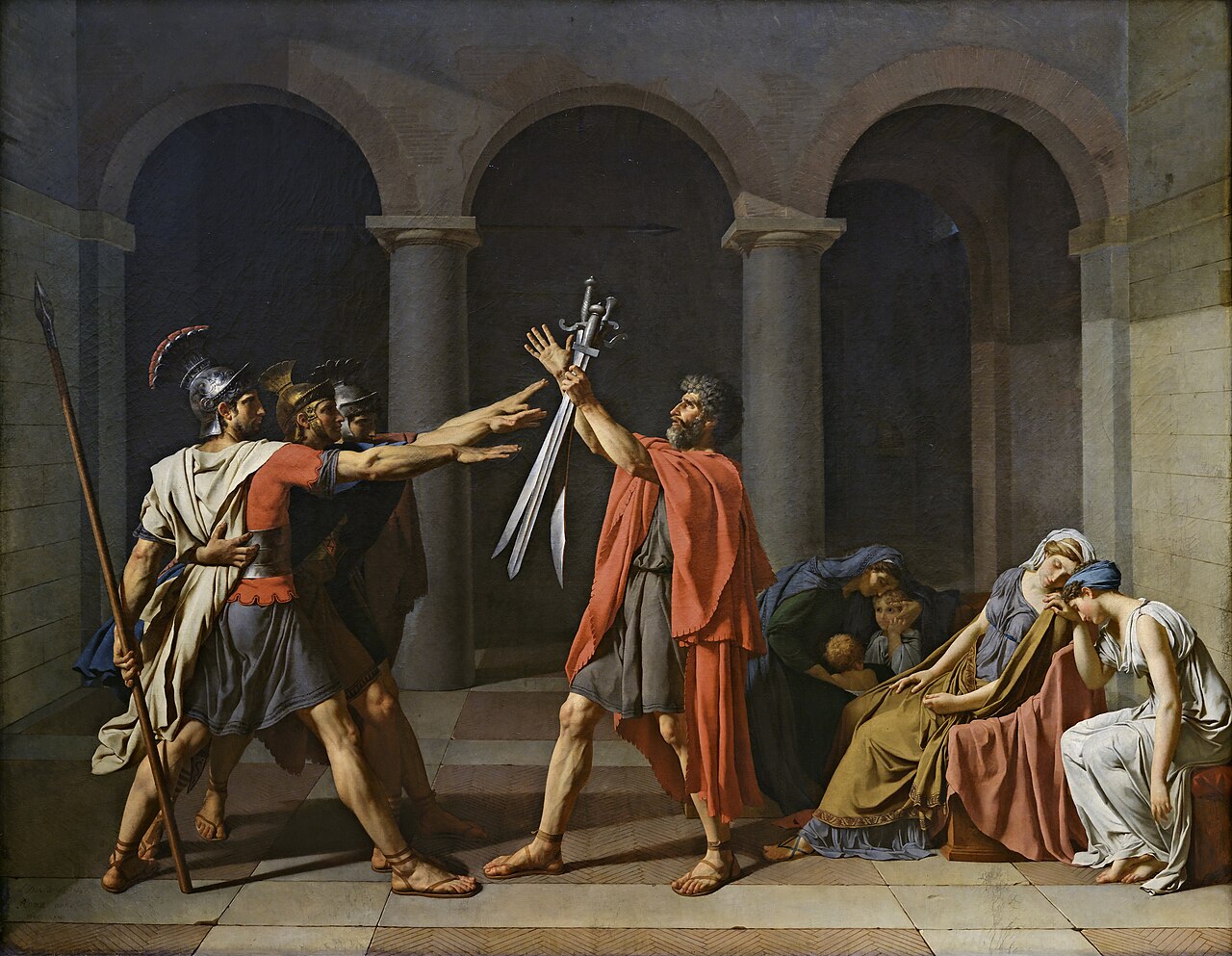 Painting
Primary source
The Oath of the Horatii
Jacques-Louis David · 1784-1785
 Painting
Primary source
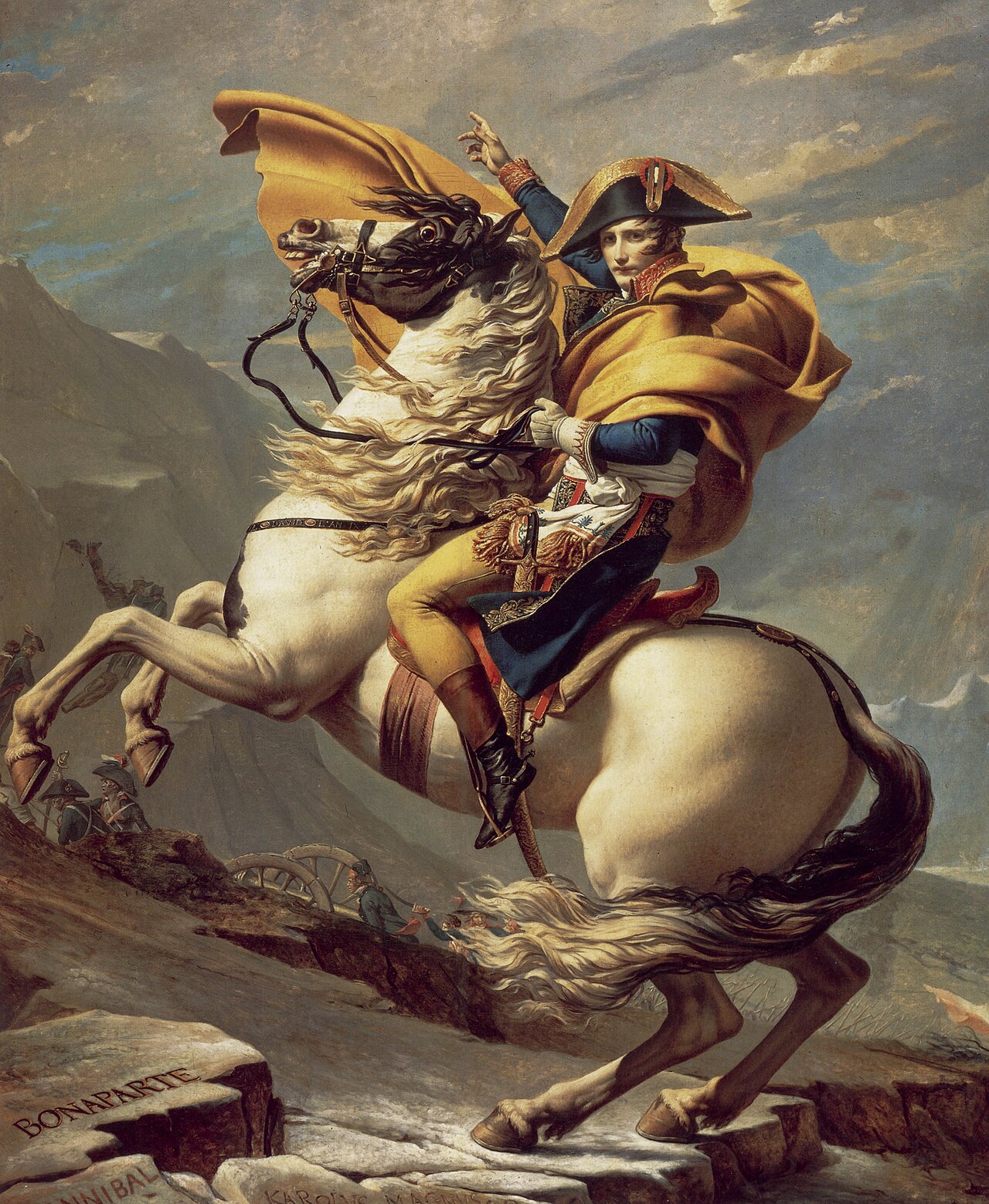
Napoleon Crossing the Alps
Jacques-Louis David · 1801
 Painting
Primary source
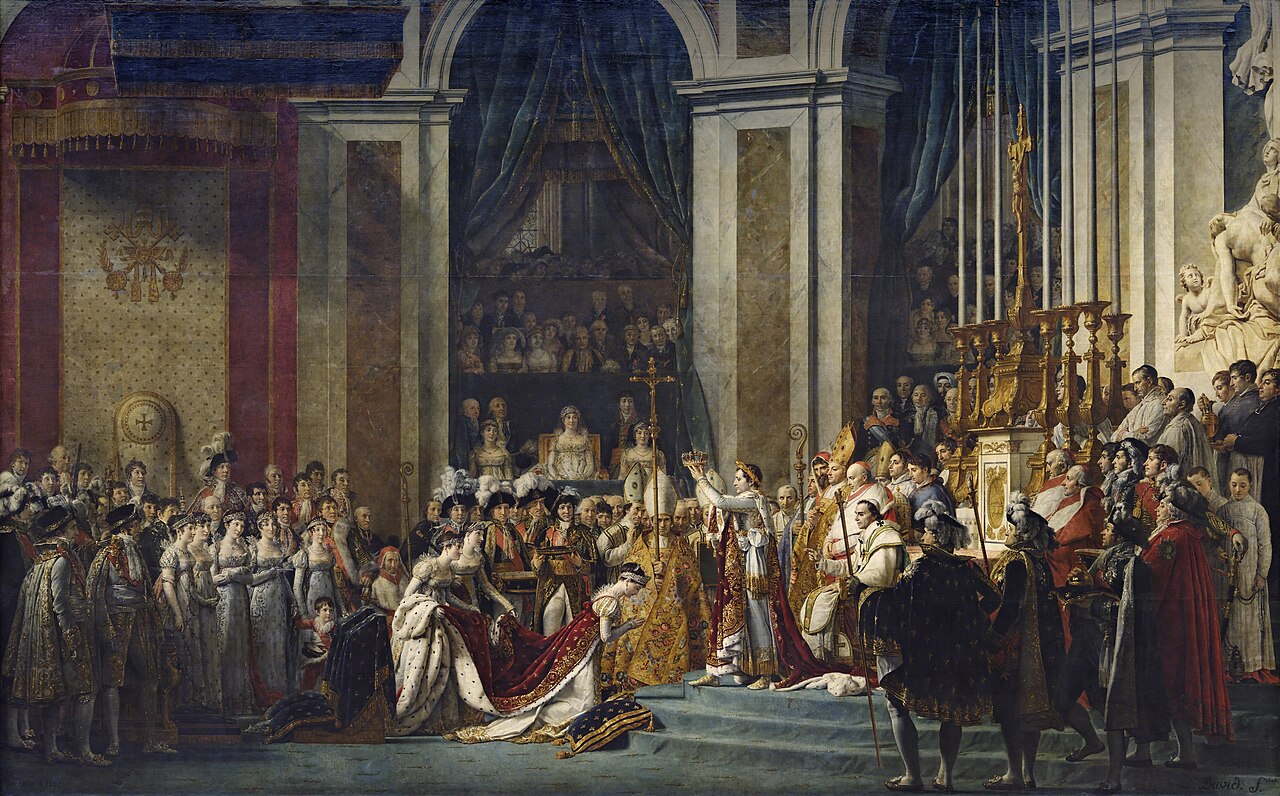
The Coronation of Napoleon
Jacques-Louis David · 1807
 Painting
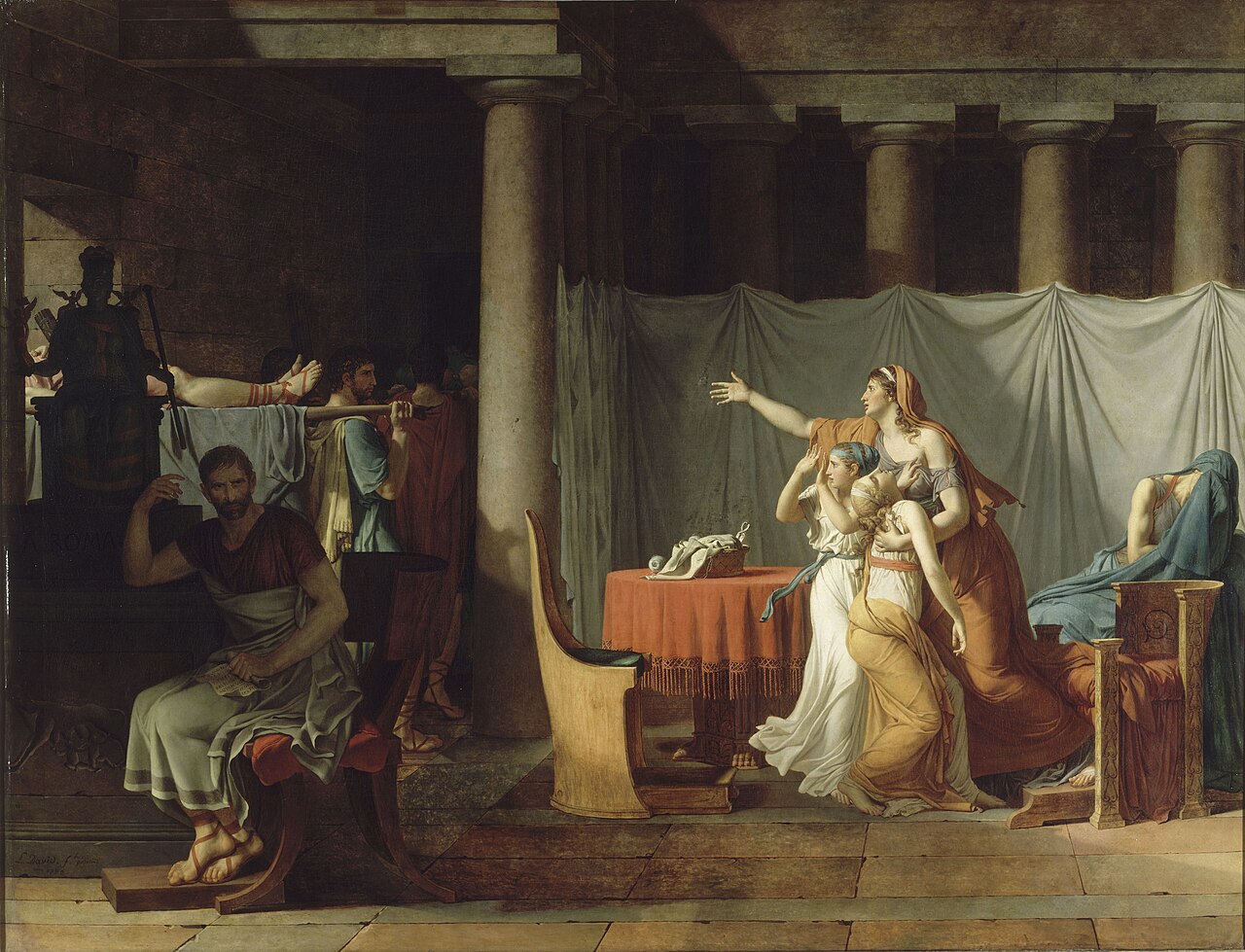
Primary source
The Lictors Bring to Brutus the Bodies of His Sons
Jacques-Louis David · 1789
Free account
Browse every Jacques-Louis David source
Sign up free →
Ready when you are
Start chatting with Jacques-Louis David now.
20 messages free · No credit card · Available in 50+ languages.