


Secondary sourcePainting1840
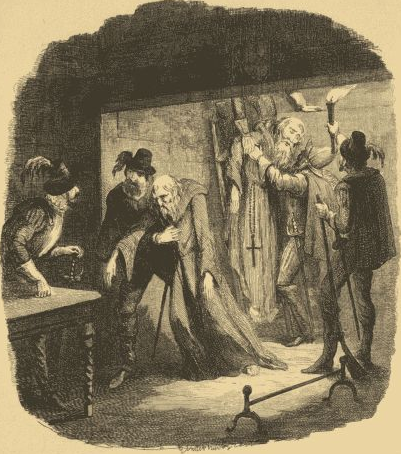
The Discovery of Garnet and Oldcorne at Hendlip
George Cruikshank · 1840
George Cruikshank's 1840 engraving, made for Ainsworth's novel, showing the capture of other conspirators of the Gunpowder Plot.
Depicts other conspirators of the plot in a Victorian novel, so it shows how the story was retold rather than Fawkes himself.
About this source
What it is
This is a black and white engraving by George Cruikshank (1792-1878), made in 1840 as an illustration for William Harrison Ainsworth's novel. It shows a dark interior with a man in a feathered hat leaning over a table, an older bearded man in a long cloak stooping forward, and men holding a torch near a wall. The scene shows the discovery of Henry Garnet and John Oldcorne at Hendlip, not Guy Fawkes.
Why it matters
The engraving is a Victorian fictional depiction of the Gunpowder Plot. It shows how the story was retold for popular readers more than two centuries after the events. Students can compare it with the historical record to see where a novel adds drama and invention.
Look closer
- Who is shown in the centre, and how do the figures' poses suggest their roles?
- What might the artist have added to make the scene dramatic?
- How could a novelist's version differ from a court record of the same events?
This painting is part of the curated material that grounds the AI version of Guy Fawkes on Humy.ai — when students ask about related events, the AI can quote it and cite it.
More Guy Fawkes sources
Browse all 75 →Primary source
Monteagle Letter
1605
 Document
Primary source
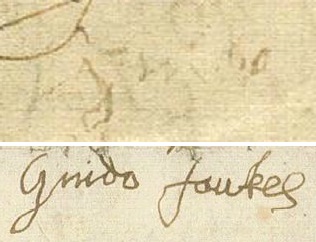
Guy Fawkes's Torture Signatures
Guy Fawkes · 1605
 Document
Primary source
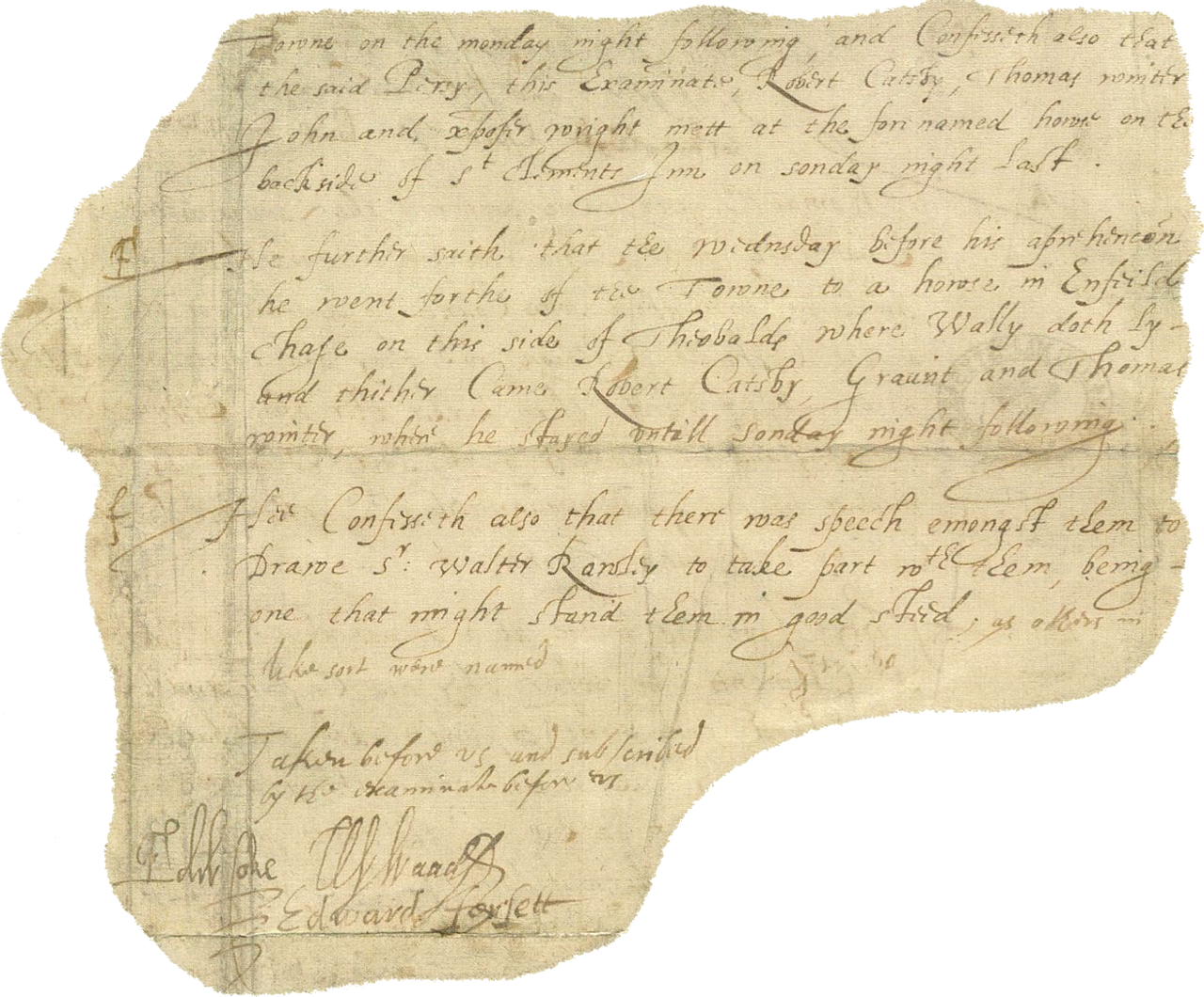
Guy Fawkes's Confession
The interrogators of Guy Fawkes · 1605
 Artifact
Primary source
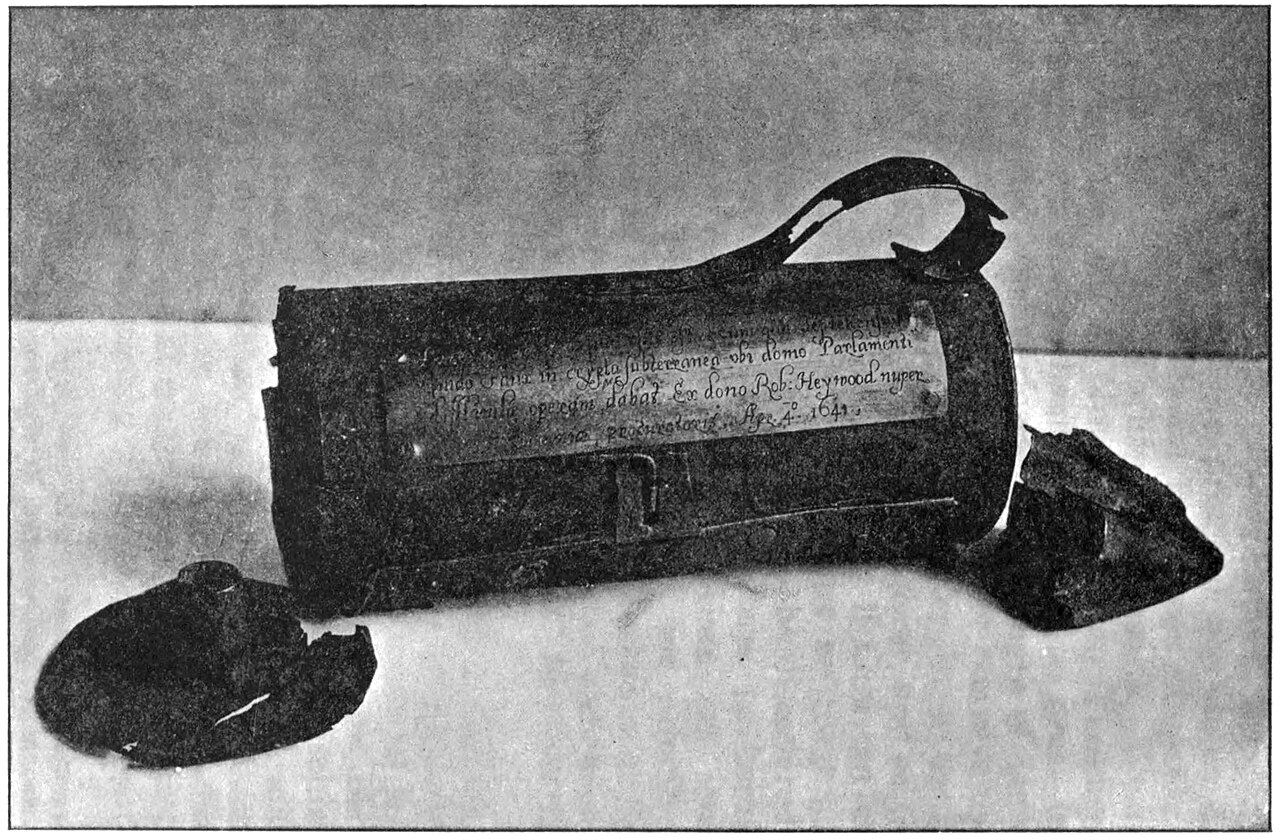
Guy Fawkes's Lantern
1605 (given to Oxford in 1641)
Free account
Read every Guy Fawkes source
Sign up free →
Ready when you are
Start chatting with Guy Fawkes now.
20 messages free · No credit card · Available in 50+ languages.