


Secondary sourcePainting1843
The Divorce of the Empress Josephine
Henri Frédéric Schopin · 1843
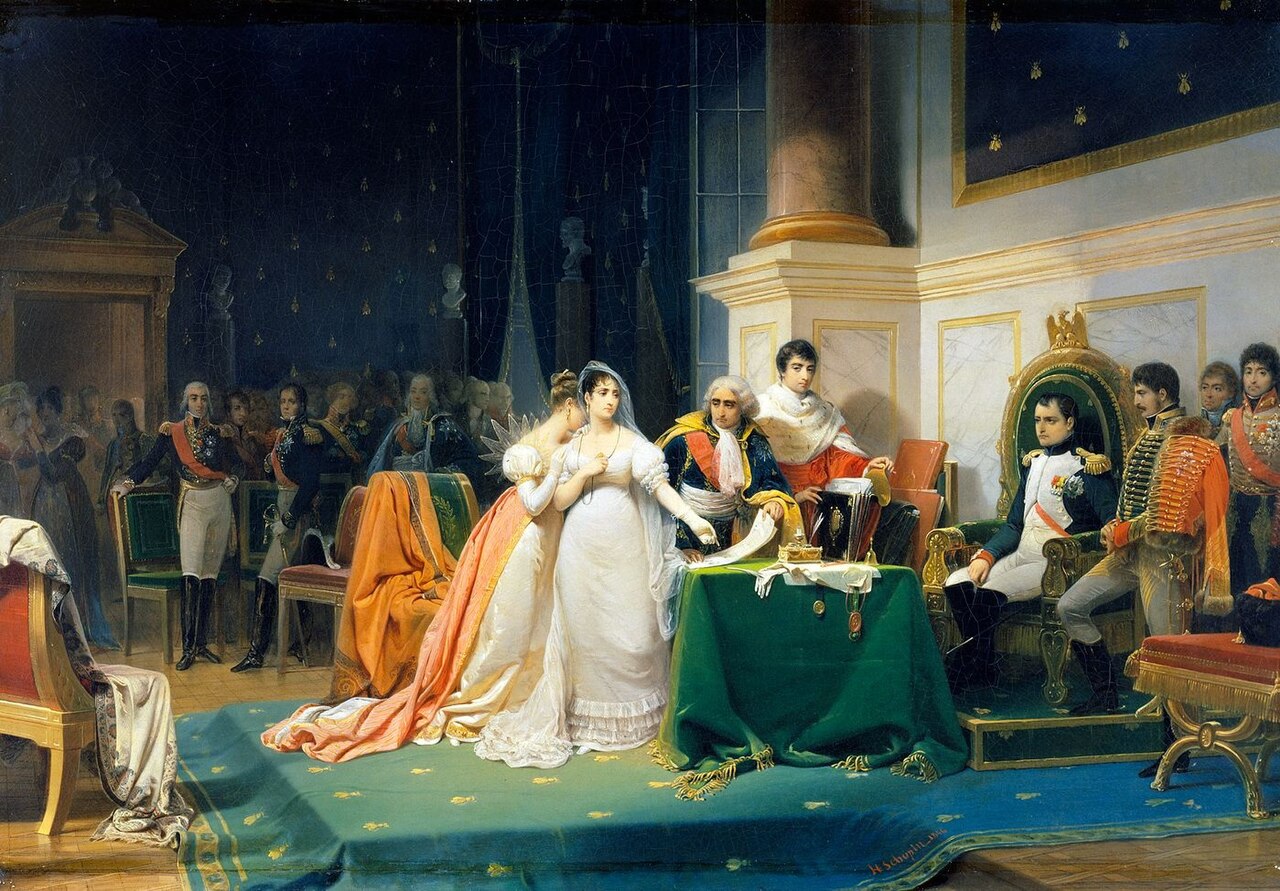
An 1843 history painting by Henri Frédéric Schopin showing a dramatic scene of Joséphine's divorce, painted about thirty years after the events.
A later painting of the scene of Joséphine's divorce, showing how it was imagined about thirty years after the events.
About this source
What it is
This is a painting by Henri Frédéric Schopin, dated 1843, titled The Divorce of the Empress Josephine. It shows an elegant palace room with dark blue drapery. Two women in white gowns embrace, and one kneels near an orange chair. A man in a blue coat stands at a green-draped table holding a document. A seated man in military uniform watches from a gilded throne at right, and uniformed courtiers stand in the background.
Why it matters
The curator's note says this is a later history painting, made about 30 years after the events it shows. It is therefore not a record made at the time. It shows how a 19th-century artist imagined this moment of Joséphine's life, with formal settings, rich colour and a clear arrangement of power. Historians use such paintings to study how people remembered the past, not as direct evidence of what was said or felt.
Look closer
- Who is kneeling, who holds the document, and how does the painter show who has power in the room?
- Why might an artist painting in 1843 choose this scene, and what did he want viewers to feel?
- What does the painting leave out, such as the voices of the people involved or the documents that were really signed?
This painting is part of the curated material that grounds the AI version of Joséphine de Beauharnais on Humy.ai — when students ask about related events, the AI can quote it and cite it.
More Joséphine de Beauharnais sources
Browse all 94 →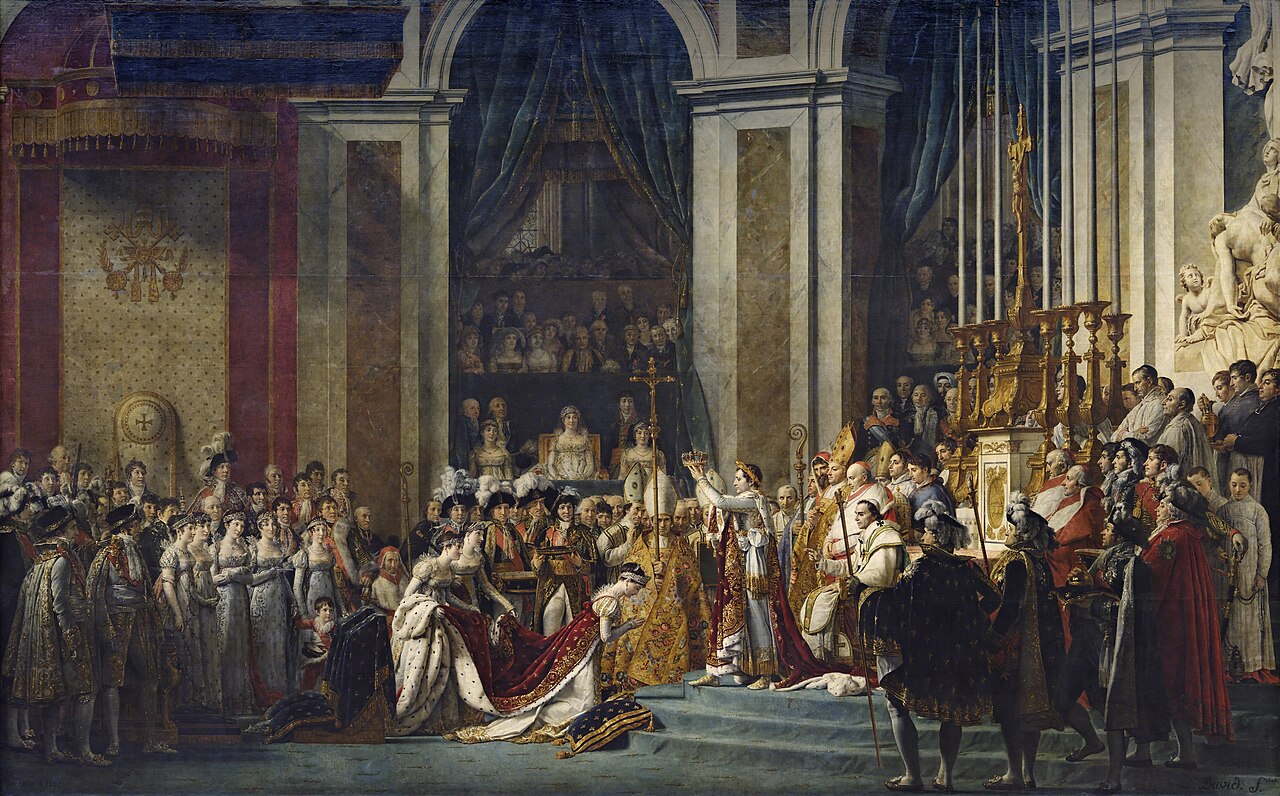 Painting
Primary source
The Coronation of Napoleon
Jacques-Louis David · 1807
 Letter
Primary source
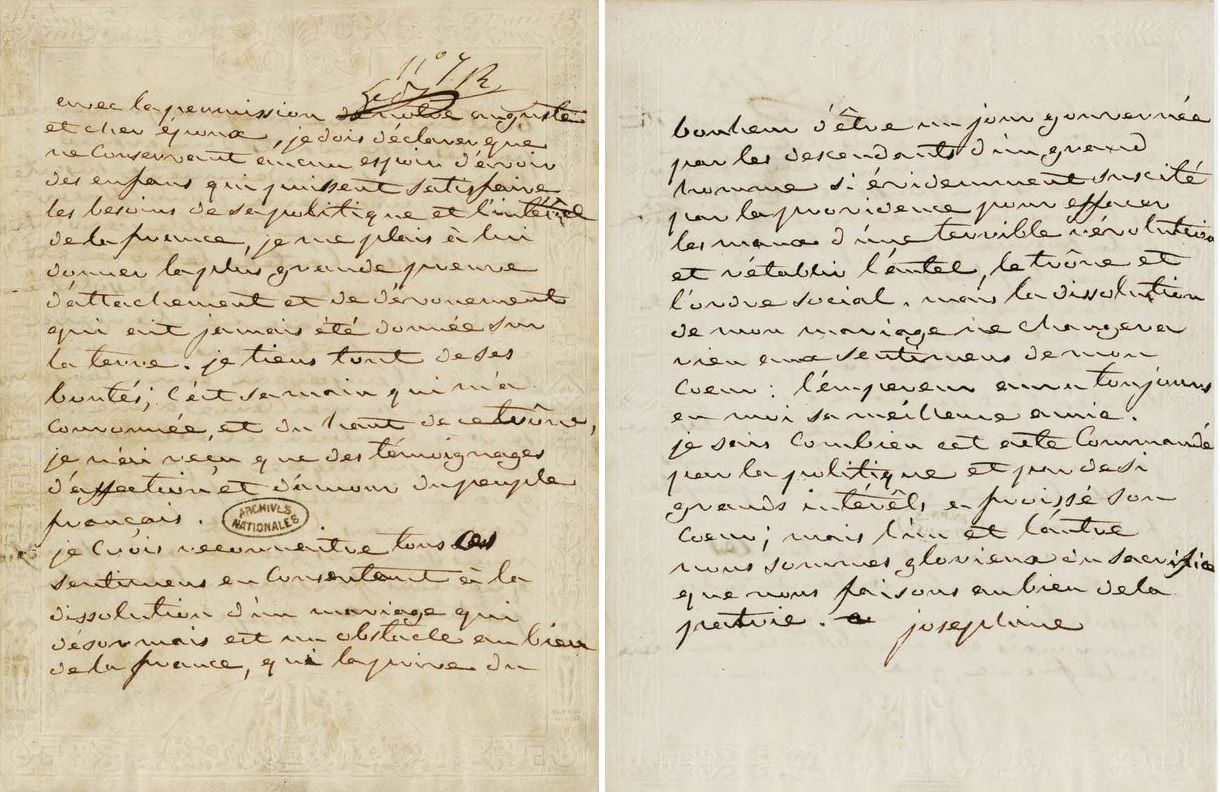
Letter of Consent to the Dissolution of Her Marriage
Joséphine de Beauharnais · 15 December 1809
 Artifact
Primary source
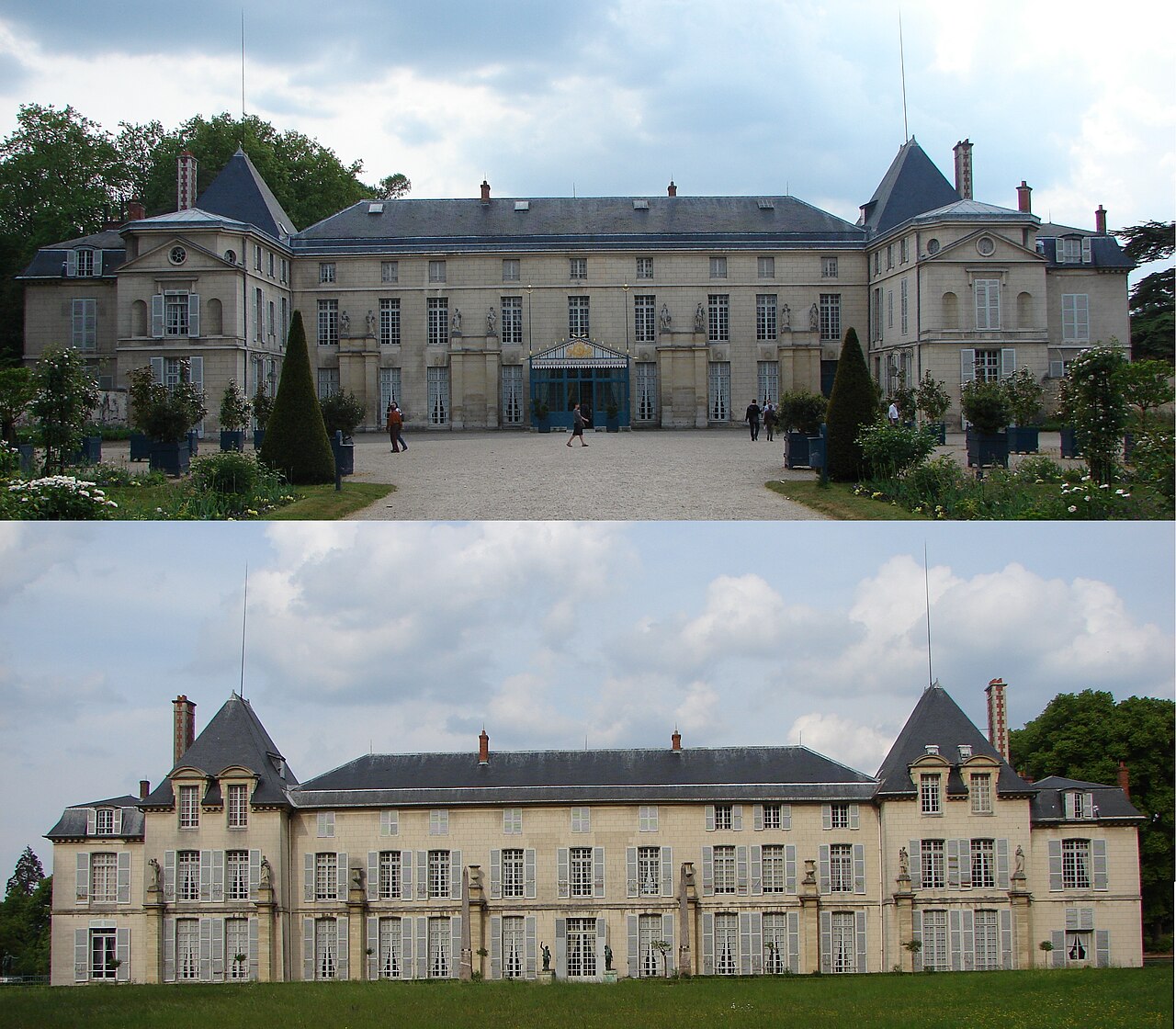
Château de Malmaison
1700 (purchased 1799)
 Painting
Primary source
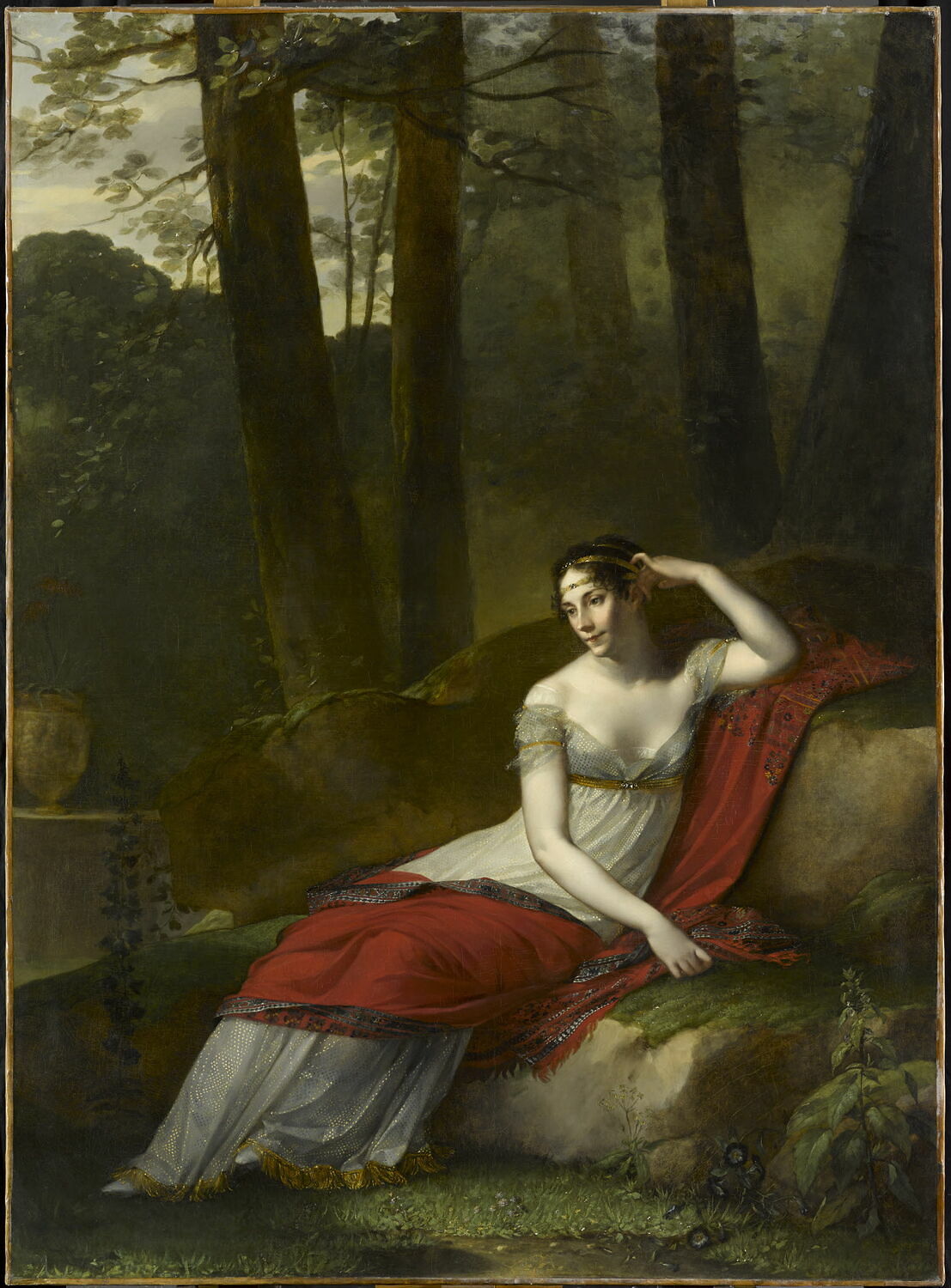
The Empress Joséphine
Pierre-Paul Prud'hon · 1805
Free account
Read every Joséphine de Beauharnais source
Sign up free →
Ready when you are
Start chatting with Joséphine de Beauharnais now.
20 messages free · No credit card · Available in 50+ languages.