


Primary sourcePainting1814
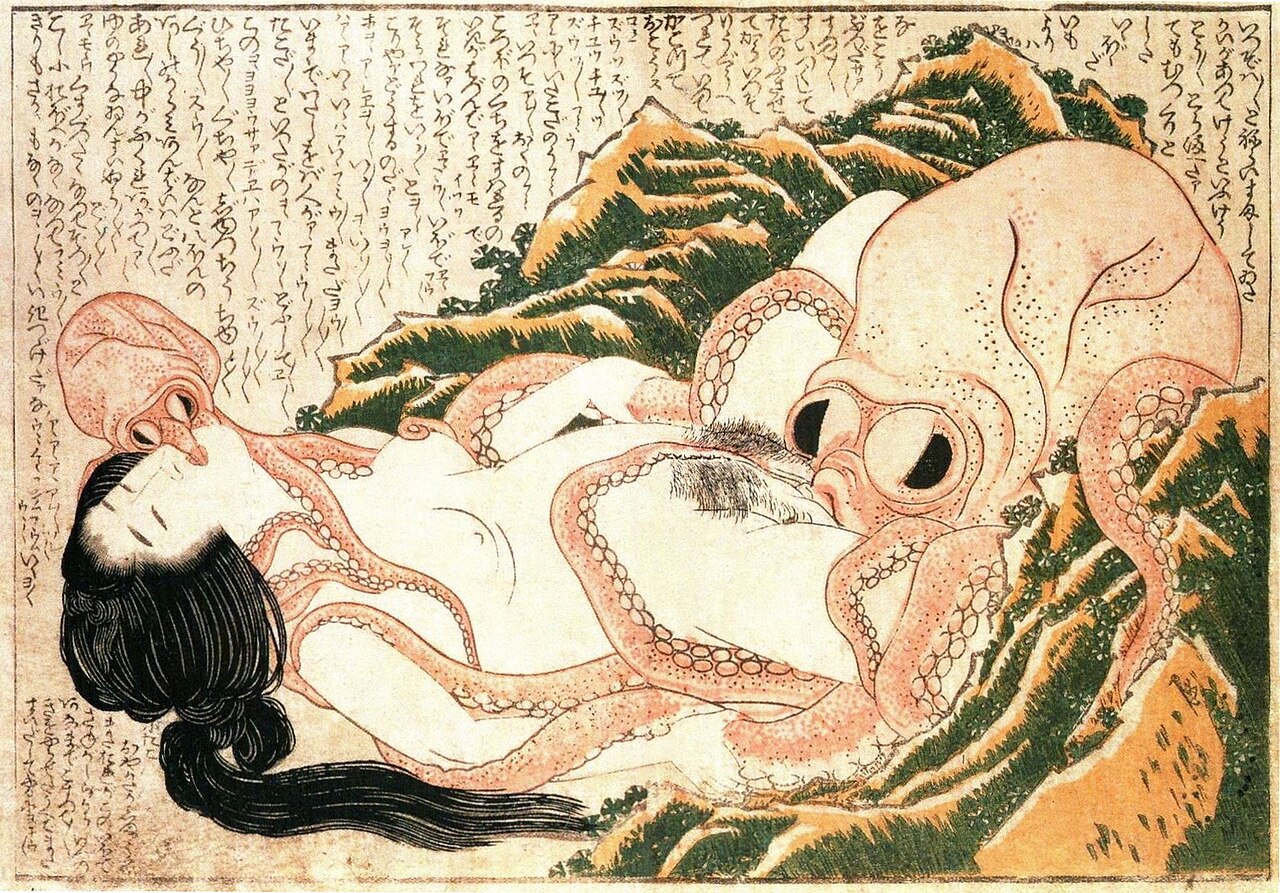
The Dream of the Fisherman's Wife
Katsushika Hokusai · 1814
Hokusai's most famous erotic print, showing a woman diver entwined with two octopuses, from the 1814 shunga book Kinoe no Komatsu.
This is Hokusai's most famous erotic print, showing the breadth of his output beyond landscapes.
About this source
What it is
This woodblock print by Hokusai appears in Kinoe no Komatsu, a three-volume book of erotic shunga art first published in 1814. It depicts an ama (shell diver) in a sexual encounter with two octopuses, with dialogue printed around the image.
Why it matters
Erotic prints formed a large part of ukiyo-e output, and this image became Hokusai's most famous shunga work, drawing on a popular legend of a diver pursued by sea creatures. Later Western critics, lacking the original text and context, often misread the scene; scholars note this shows how images can be distorted when viewed in isolation.
Look closer
- Why might understanding the surrounding text change how we read this image?
- What earlier Japanese legend might this print be referencing?
- How did Western viewers' interpretations differ from the original Japanese context, and why?
This painting is part of the curated material that grounds the AI version of Hokusai on Humy.ai — when students ask about related events, the AI can quote it and cite it.
More Hokusai sources
Meet the AI Hokusai →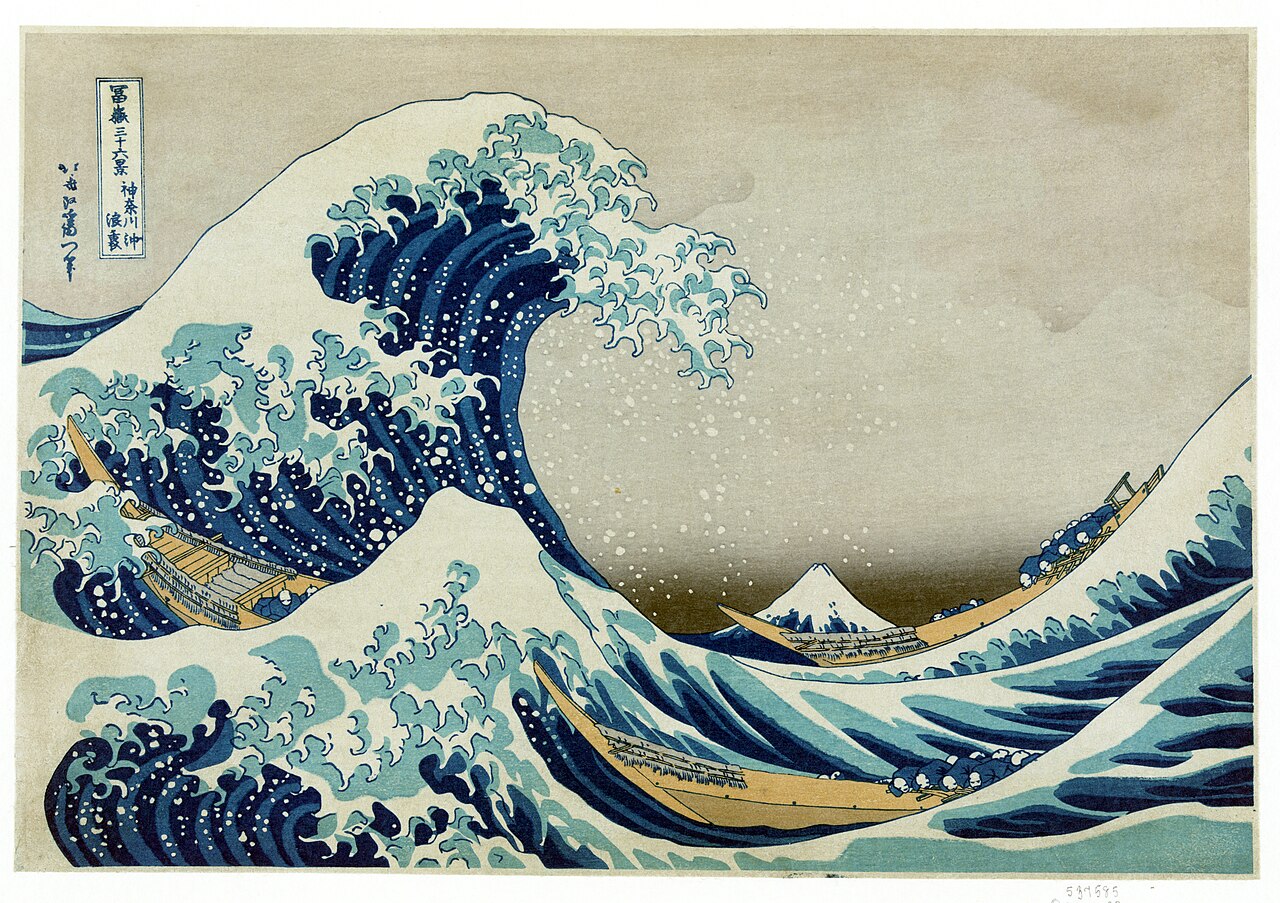 Painting
Primary source
The Great Wave off Kanagawa
Katsushika Hokusai · 1830
 Painting
Primary source
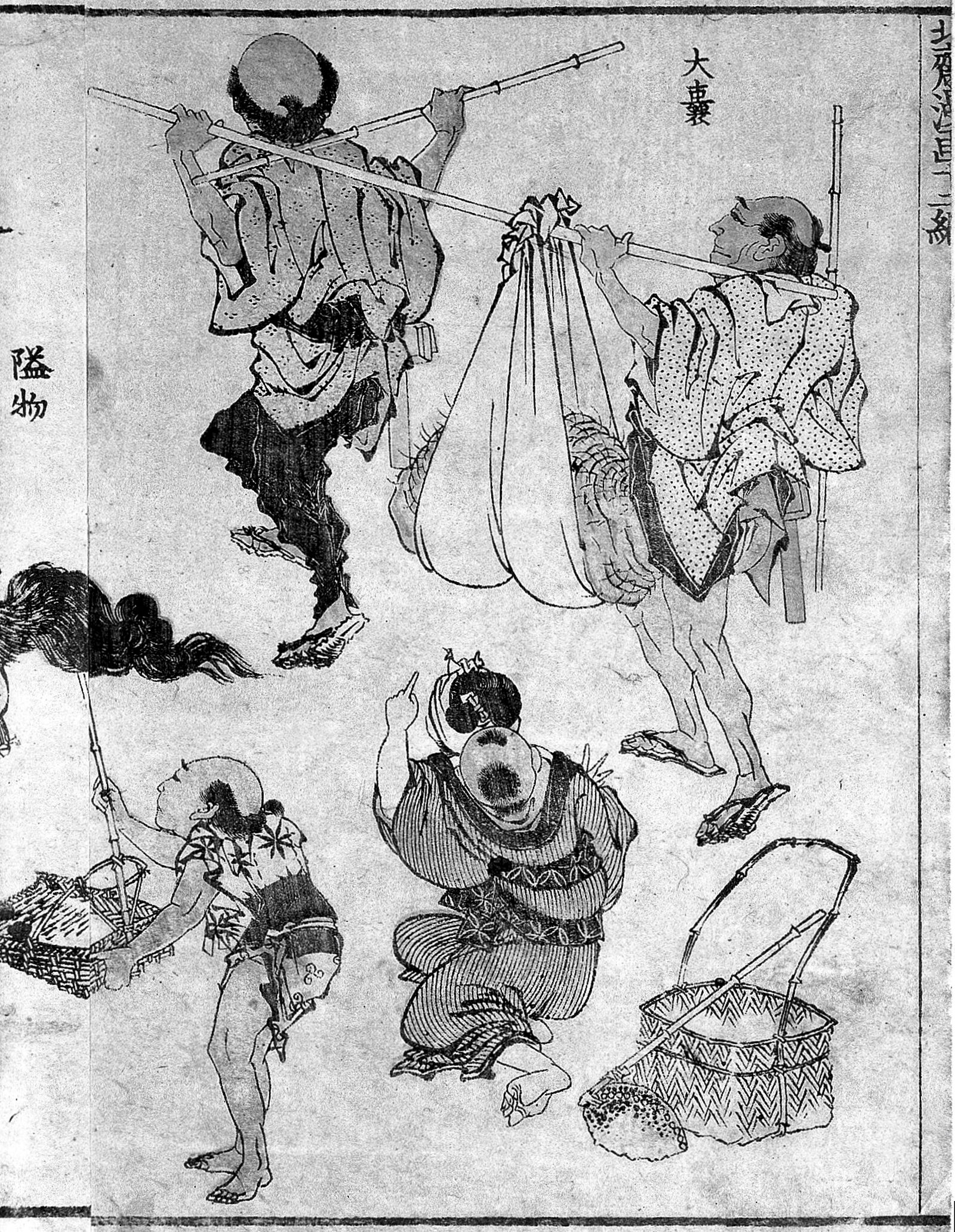
Man with Filarial Elephantiasis
Katsushika Hokusai · 1834
 Painting
Primary source
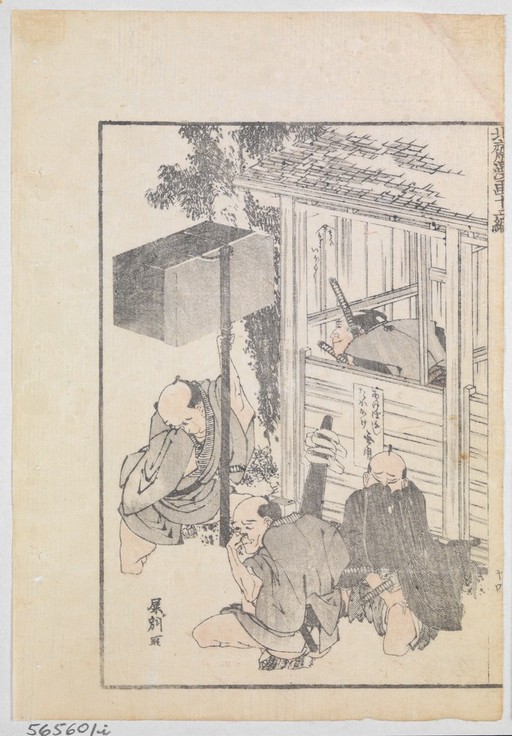
Samurai Visiting a Latrine
Hokusai Katsushika · 1834
 Painting
Primary source
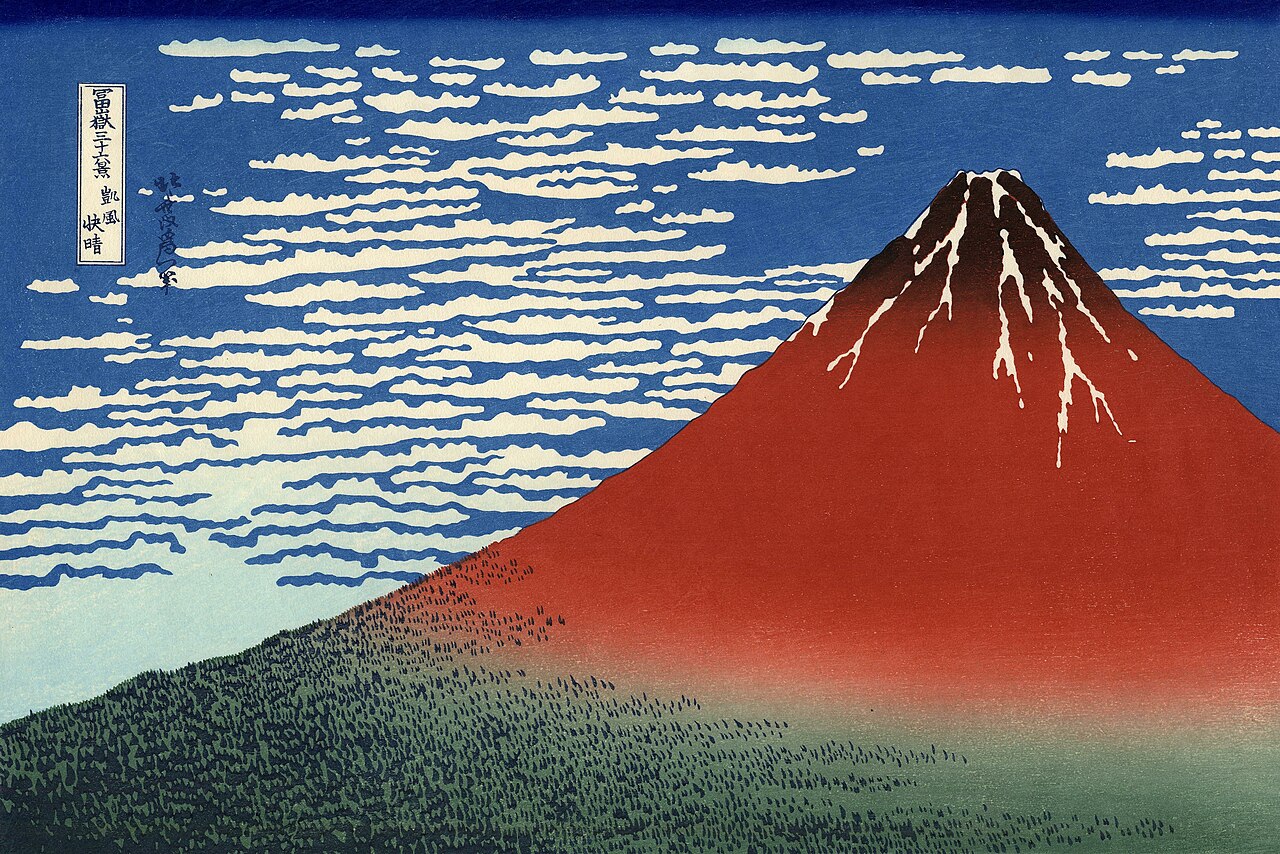
Thirty-six Views of Mount Fuji
Katsushika Hokusai · c. 1830-1832
 Painting
Primary source
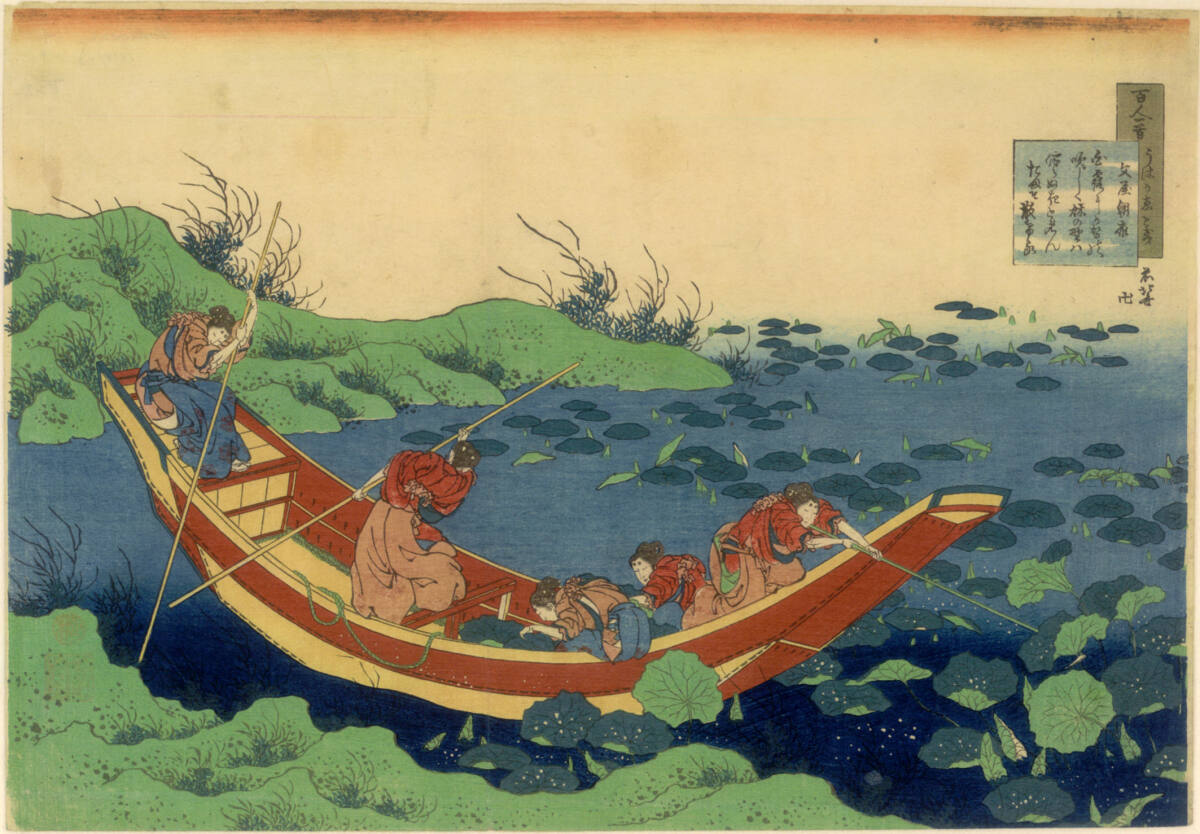
Women in a Rowing Boat on a Lotus Pond
Hokusai Katsushika
Ready when you are
Start chatting with Hokusai now.
20 messages free · No credit card · Available in 50+ languages.