


Primary sourcePainting1903
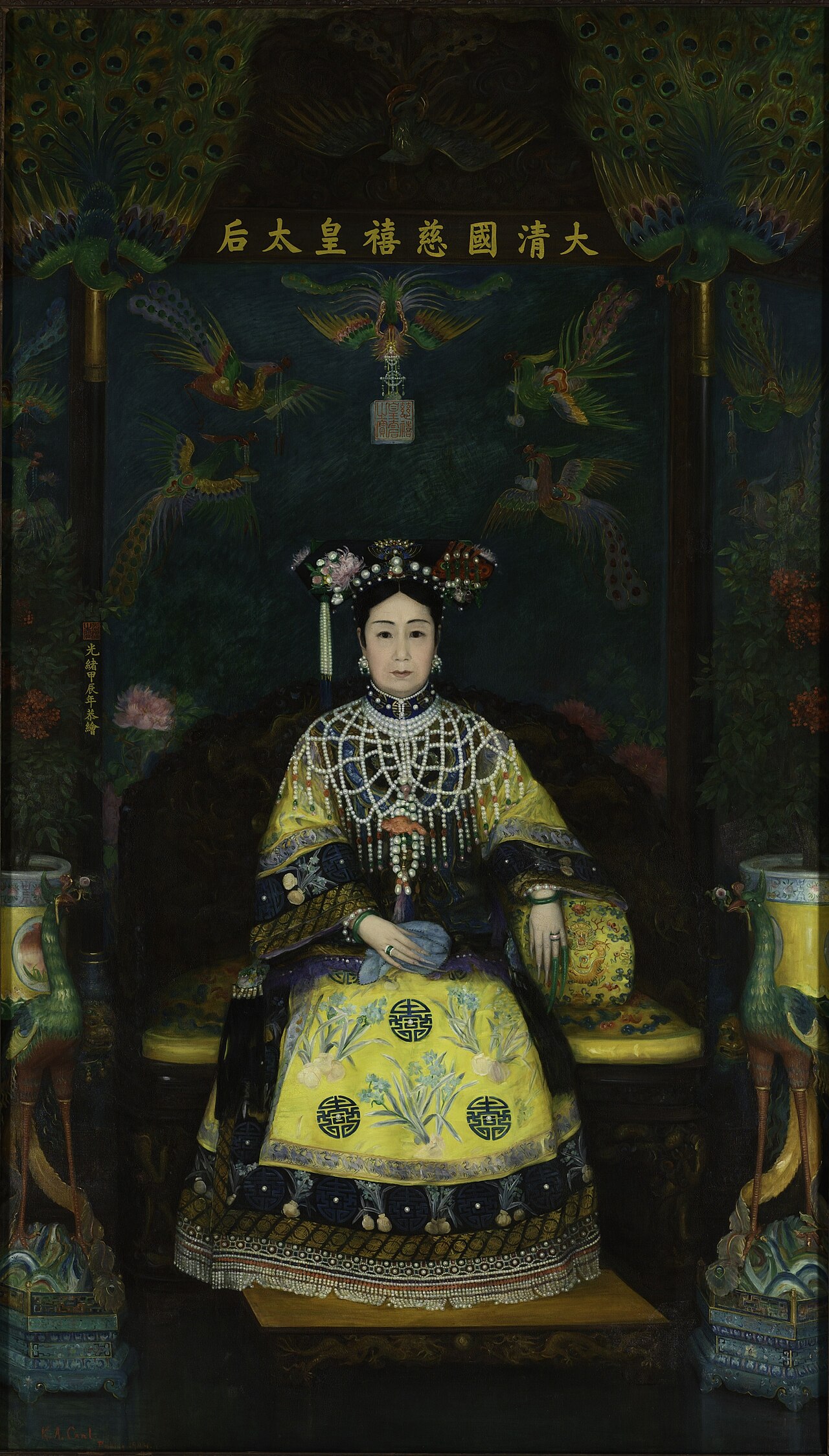
The Empress Dowager, Tze Hsi, of China
Katharine Augusta Carl · 1903
A life-painted oil portrait of Cixi commissioned to improve her image in the West after the Boxer War, shown at the 1904 St. Louis World's Fair.
Cixi commissioned this portrait of herself to repair her reputation abroad after the Boxer War.
About this source
What it is
This full-length oil portrait of Empress Dowager Cixi was painted from life by the American artist Katharine Carl in 1903 and sent to the St. Louis World's Fair in 1904. It is now held by the National Museum of Asian Art.
Why it matters
After the Boxer War damaged China's reputation abroad, Cixi arranged for an American painter to create this image for international audiences. It shows her effort to present herself as a refined, legitimate ruler rather than the hostile figure described in Western press.
Look closer
- What symbols in the painting (robe, throne, birds, Chinese characters) suggest status and power?
- Why might Cixi have chosen a Western artist to paint this portrait rather than a Chinese court painter?
- How might the purpose of this painting - to be shown at an American fair - have shaped what the artist included?
This painting is part of the curated material that grounds the AI version of Empress Dowager Cixi on Humy.ai — when students ask about related events, the AI can quote it and cite it.
More Empress Dowager Cixi sources
Browse all 90 →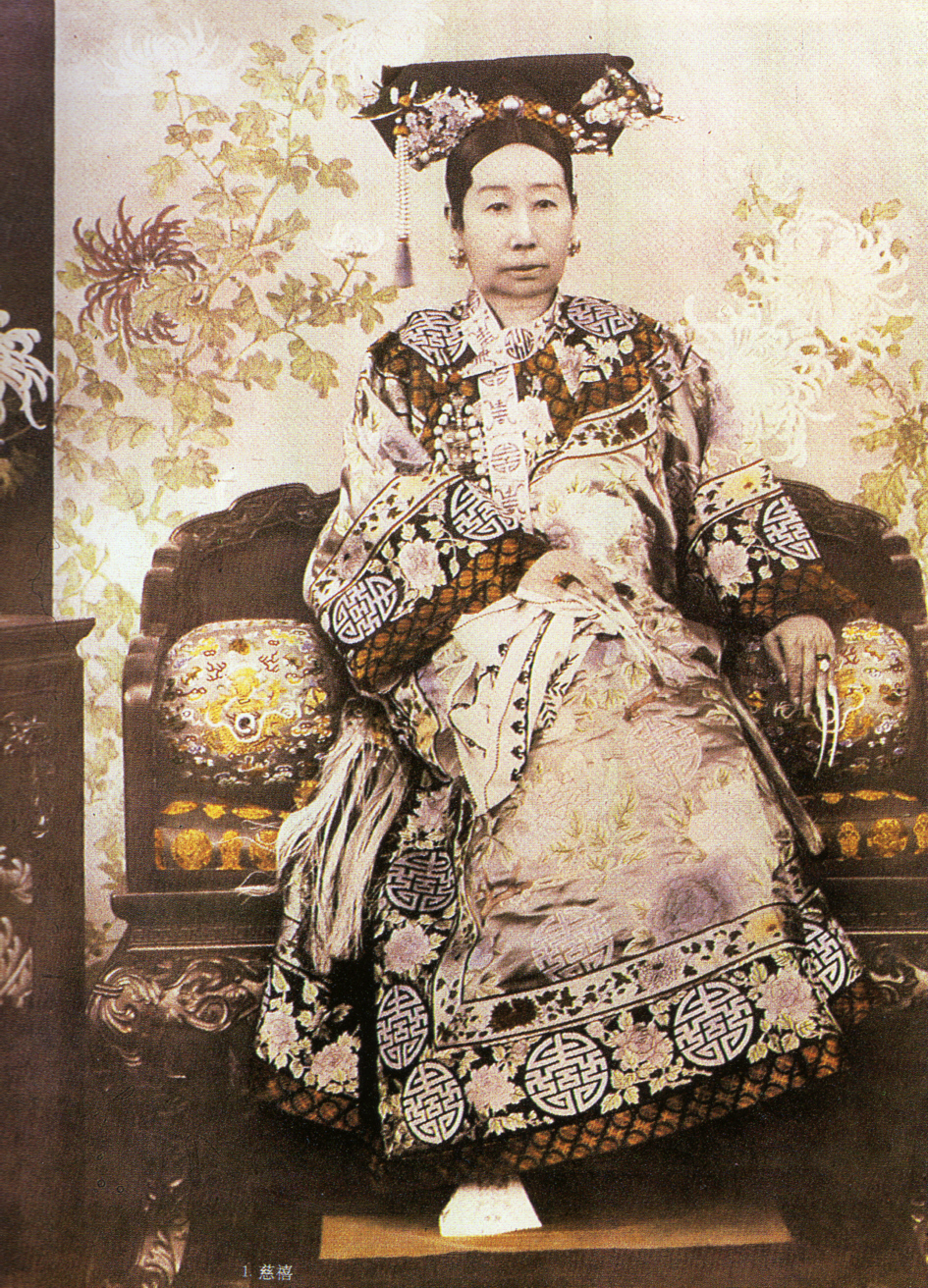 Photograph
Primary source
Empress Dowager Cixi
Yu Xunling · c. 1903-04
Primary source
Imperial Decree of Declaration of War Against Foreign Powers
Guangxu Emperor · 21 June 1900
 Document
Primary source
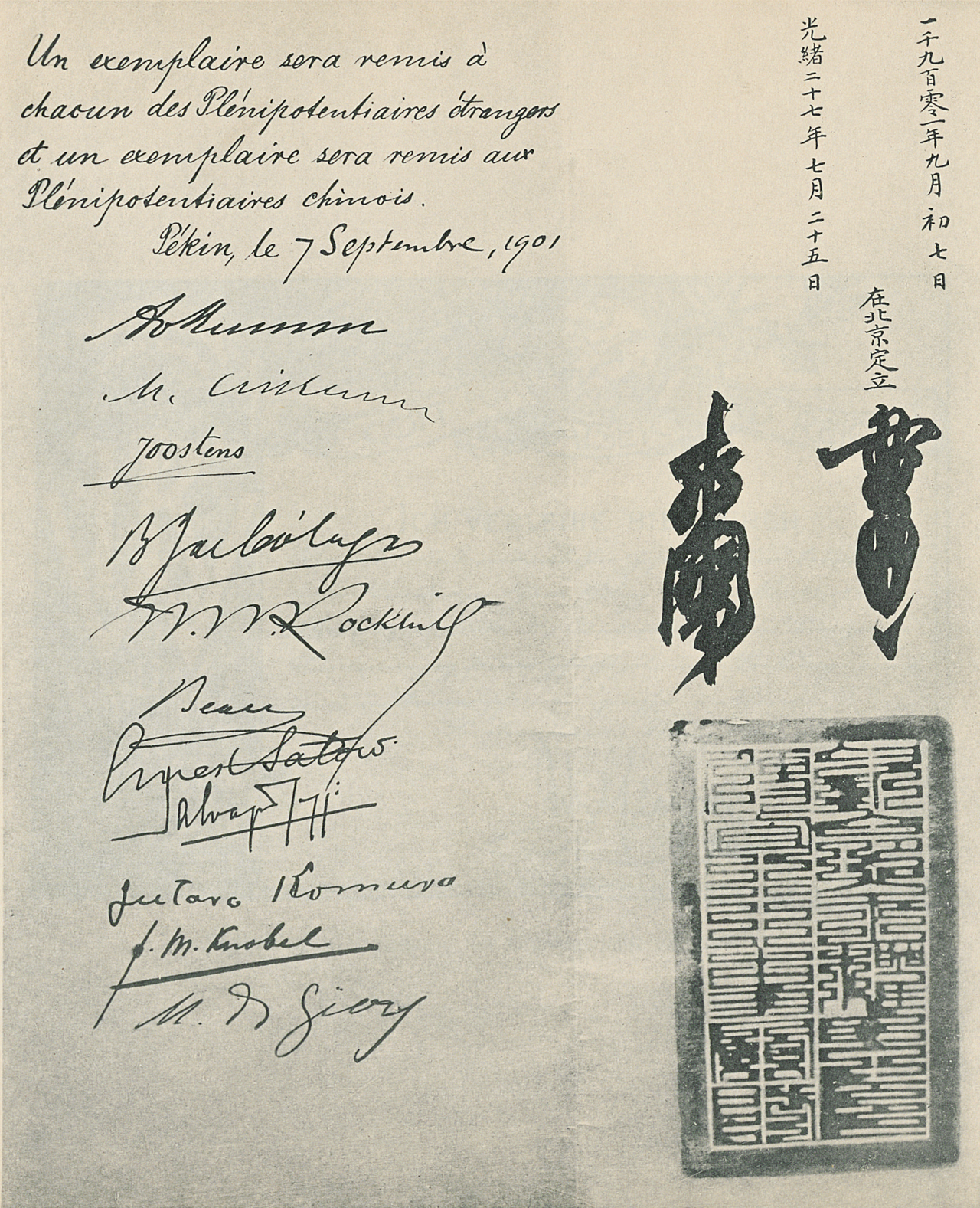
Boxer Protocol
7 September 1901
 Photograph
Primary source
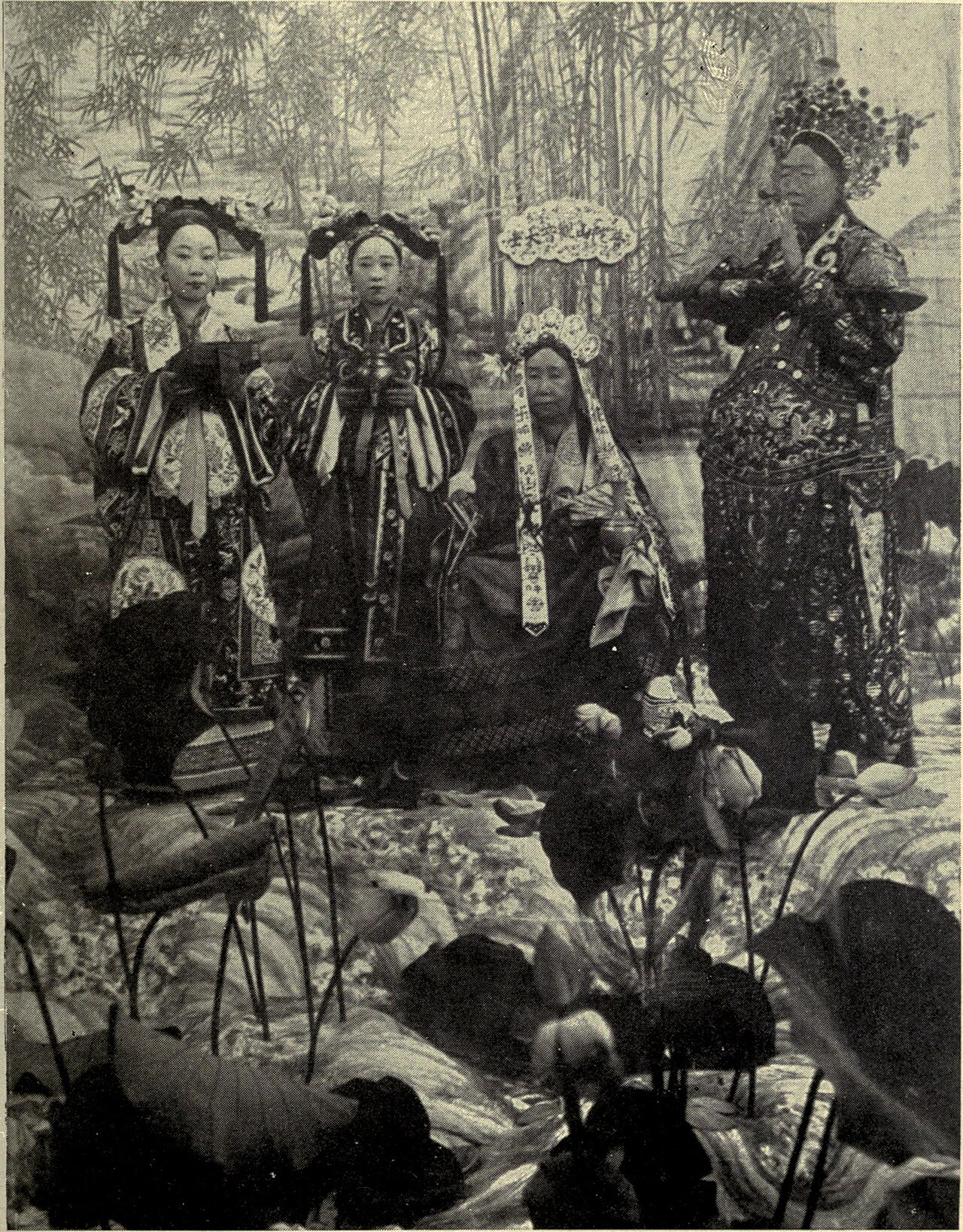
Empress Dowager as Goddess of Mercy
Yu Xunling
Free account
Read every Empress Dowager Cixi source
Sign up free →
Ready when you are
Start chatting with Empress Dowager Cixi now.
20 messages free · No credit card · Available in 50+ languages.