


Secondary sourcePaintingvers 1864
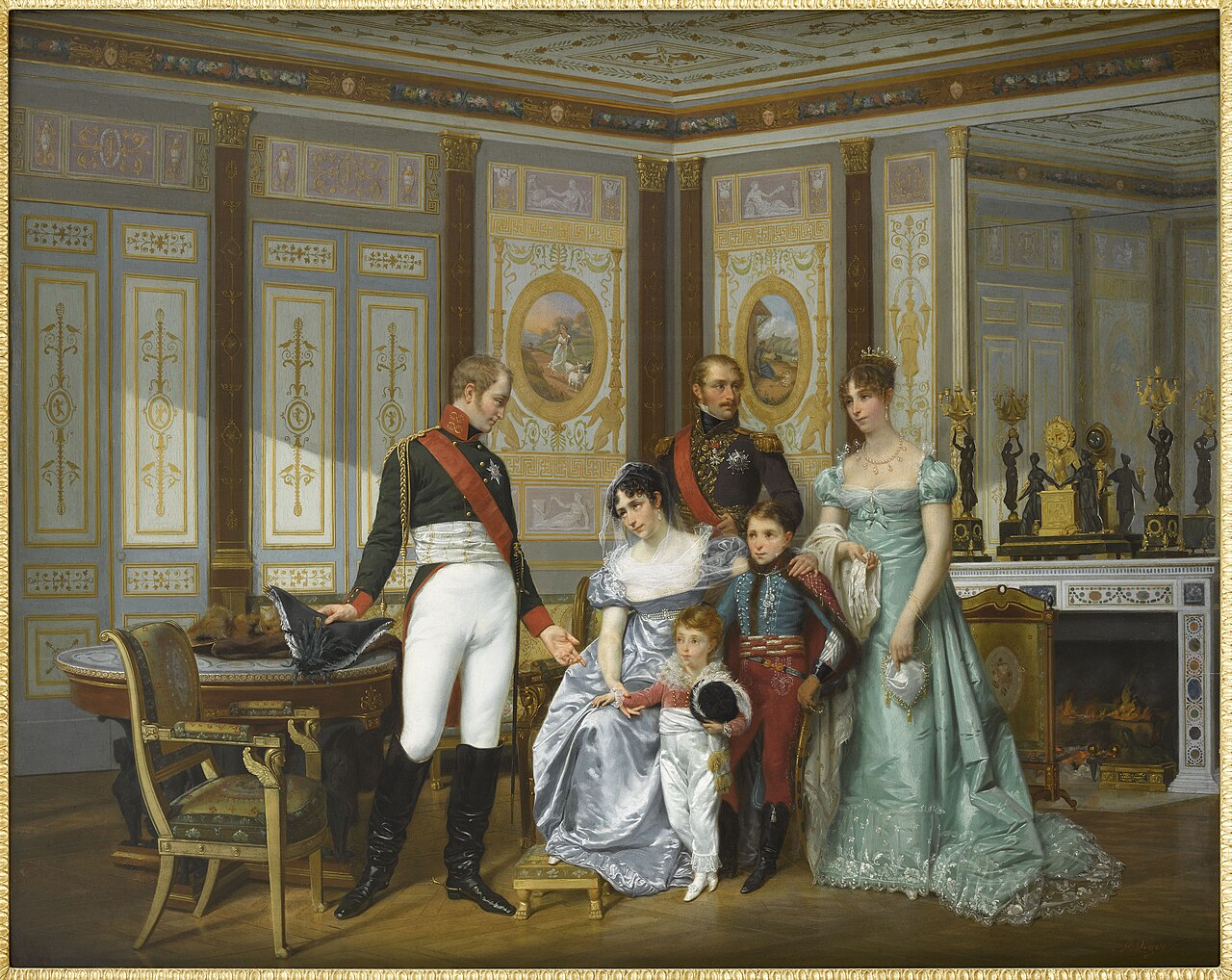
The Empress Joséphine receives Tsar Alexander I at Malmaison
Hector Viger · vers 1864
A later nineteenth-century painting by Hector Viger showing Joséphine hosting Tsar Alexander I at her home of Malmaison. It was painted long after her death.
Shows Joséphine hosting a visitor at Malmaison, a later painted memory of her life there rather than a source from her own time.
About this source
What it is
This is a painting by Hector Viger, titled in English as The Empress Joséphine receives Tsar Alexander I at Malmaison. It shows an elegant interior with gilded paneled walls, an ornate ceiling and a fireplace. A man in a dark military uniform with a red sash stands at left, holding a hat. A woman in a pale blue gown sits with a child in white, and a boy in red uniform stands beside her. A woman in a pale green gown with a tiara stands at right near the fireplace. The collection dates the painting to around 1864.
Why it matters
Joséphine died in 1814, so this painting was made decades after the events it shows. It is a later interpretation of her life at Malmaison, the home where she received visitors. Paintings like this one show how people in a later century remembered Joséphine and the Tsar. Students should compare it with sources made in her own time.
Look closer
- Who is shown in the painting, and how are they dressed and positioned in the room?
- Why might a painter from about 1864 choose to show this meeting, and what does that say about how the past was remembered?
- What would a source made by someone who was in the room during the visit add to this picture?
This painting is part of the curated material that grounds the AI version of Joséphine de Beauharnais on Humy.ai — when students ask about related events, the AI can quote it and cite it.
More Joséphine de Beauharnais sources
Browse all 94 →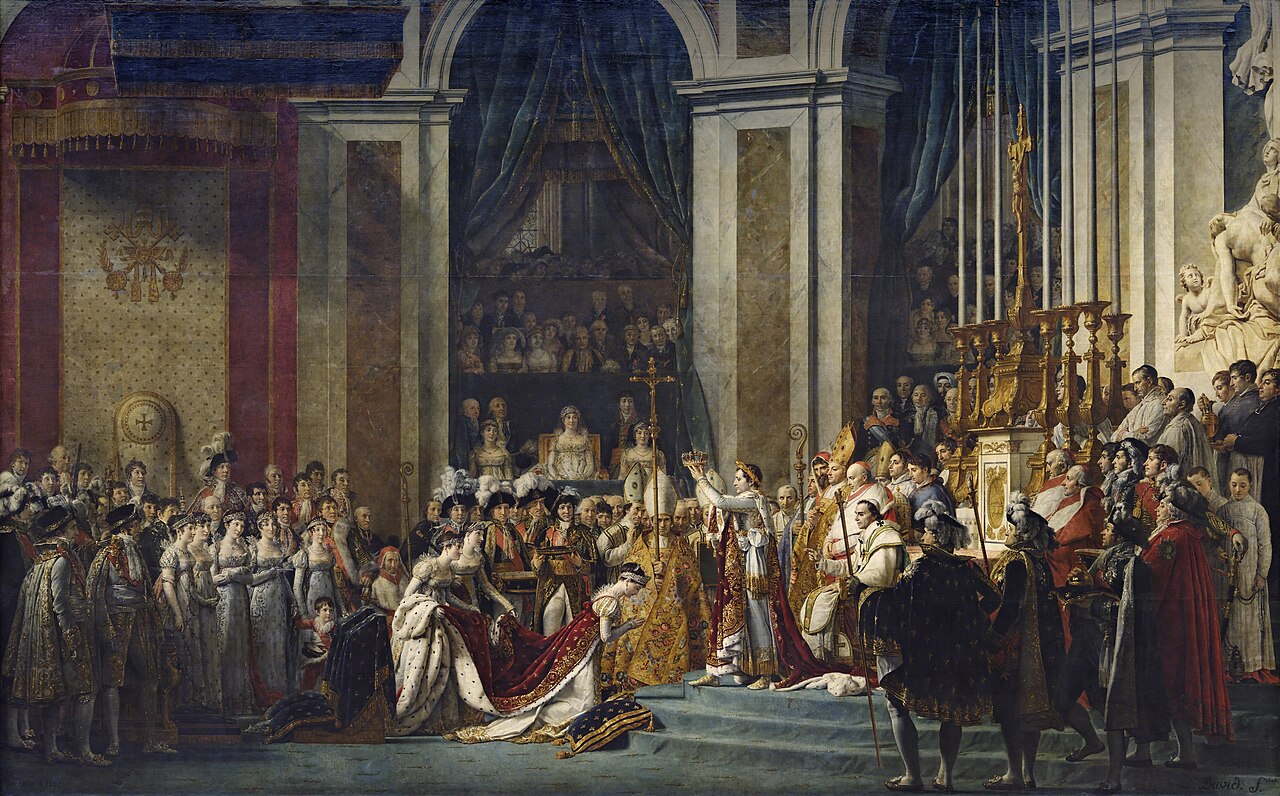 Painting
Primary source
The Coronation of Napoleon
Jacques-Louis David · 1807
 Letter
Primary source
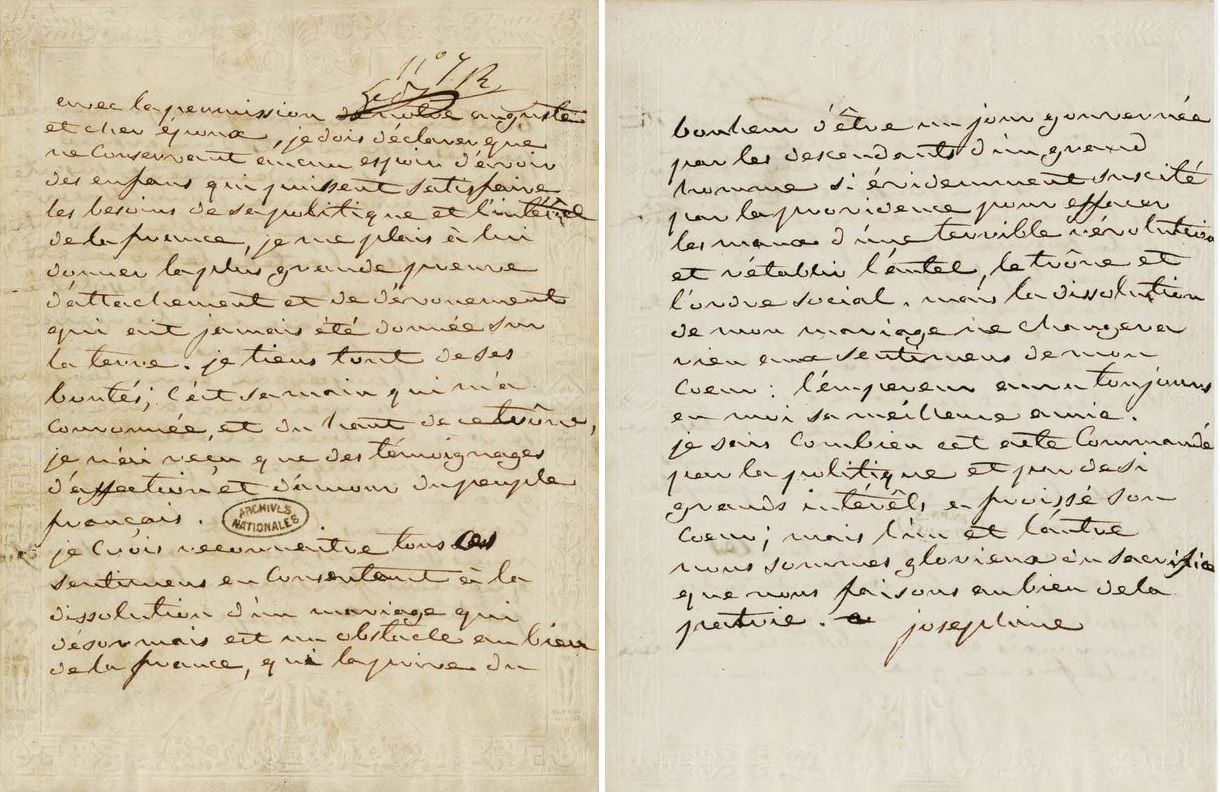
Letter of Consent to the Dissolution of Her Marriage
Joséphine de Beauharnais · 15 December 1809
 Artifact
Primary source
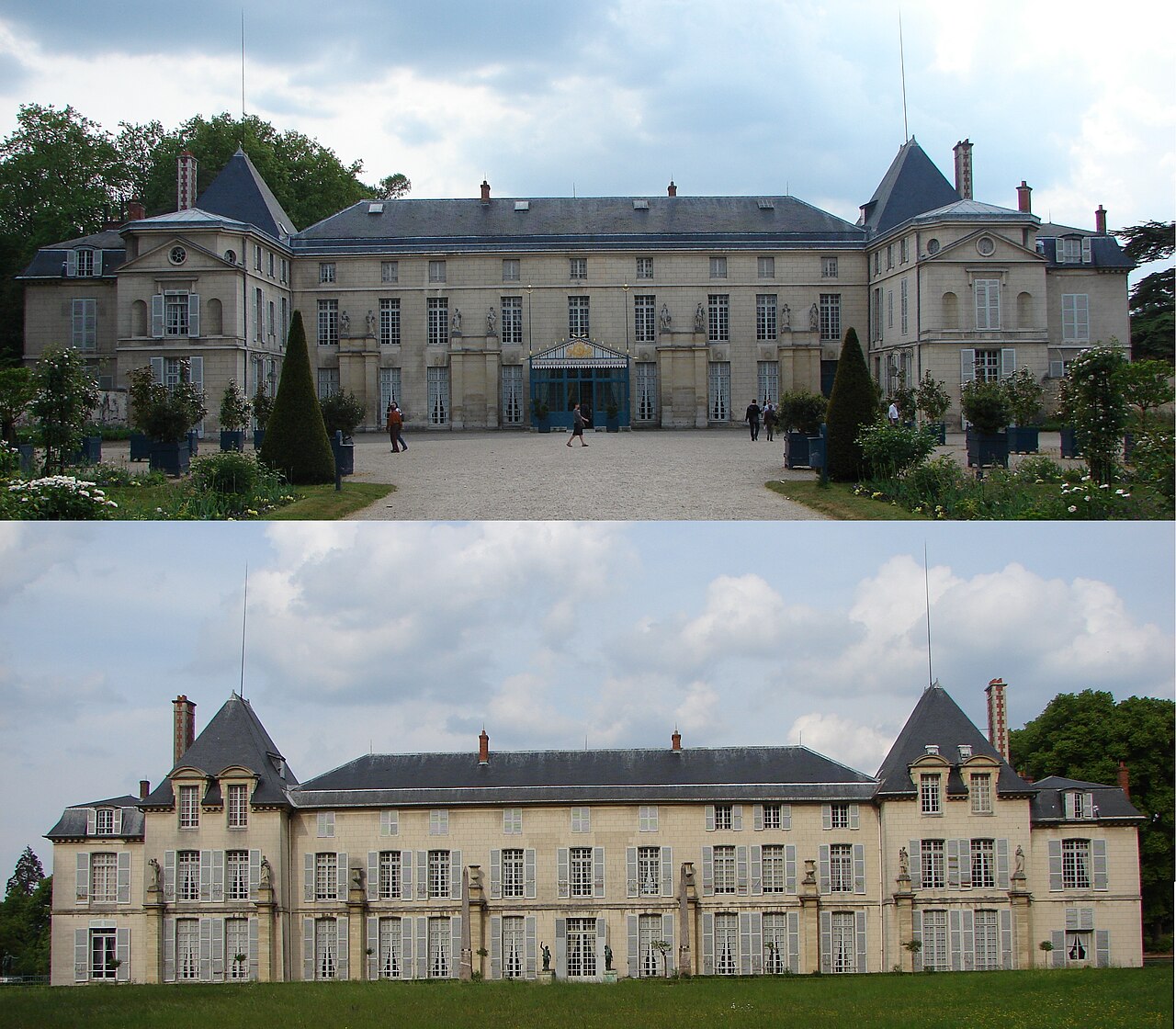
Château de Malmaison
1700 (purchased 1799)
 Painting
Primary source
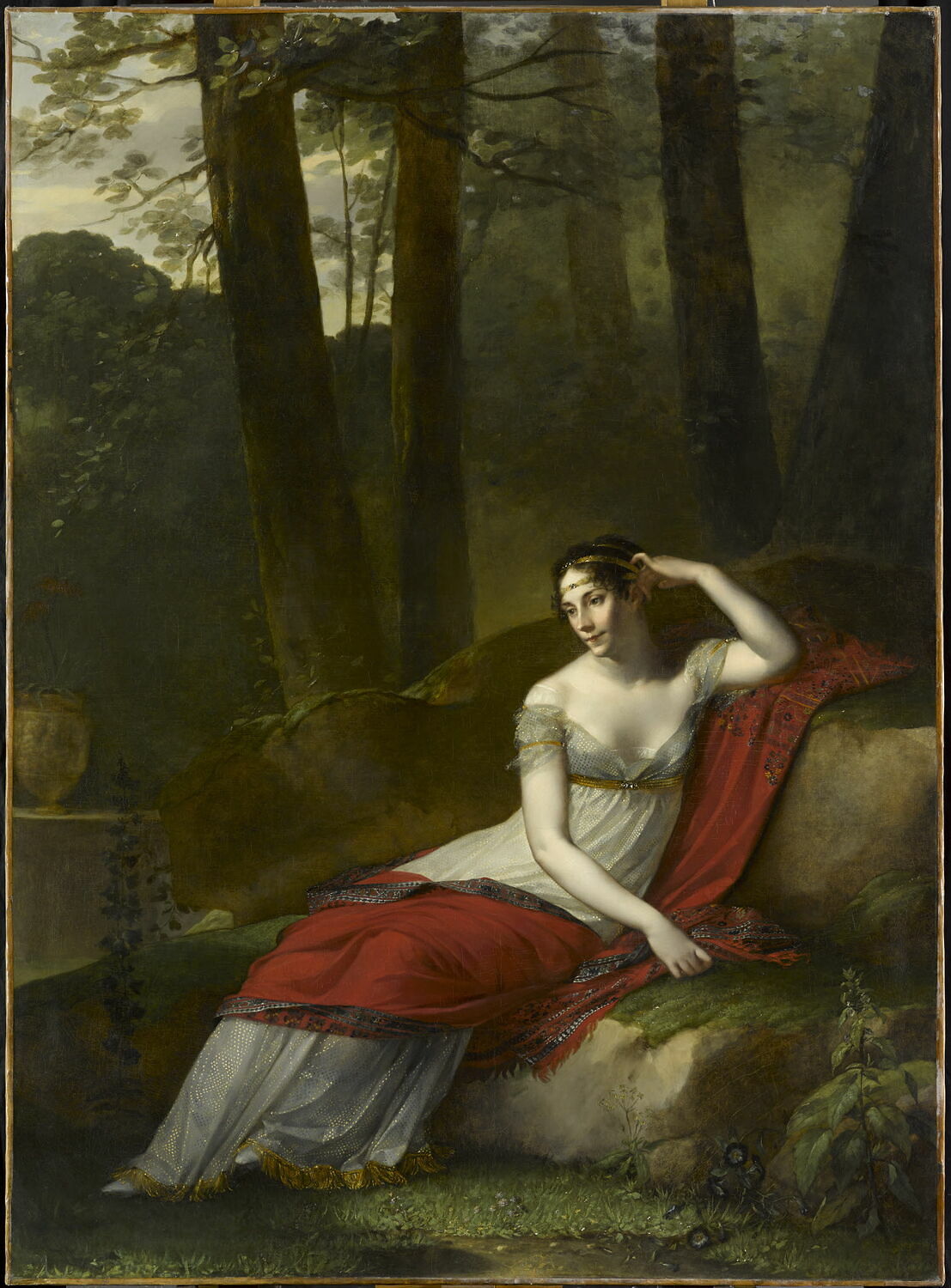
The Empress Joséphine
Pierre-Paul Prud'hon · 1805
Free account
Read every Joséphine de Beauharnais source
Sign up free →
Ready when you are
Start chatting with Joséphine de Beauharnais now.
20 messages free · No credit card · Available in 50+ languages.