


Tertiary sourceDocument1920
The Encyclopedia Americana: Oberlin Theology
1920
A 1920 encyclopedia entry explaining 'Oberlin theology,' the system of doctrine associated with Finney's teaching.
This entry explains the theological system built on Finney's teaching, named 'Oberlin theology' after the college he led.
Free Humy account · No credit card · 120,912 sources to read
About this source
What it is
This entry from The Encyclopedia Americana, published in 1920, defines 'Oberlin theology' as the system of doctrine taught at Oberlin College through Charles Grandison Finney, who became professor of theology there in 1835 and president from 1851 to 1866. It describes Finney as a teacher and preacher who broke from Calvinism and led revivals in several American and British cities.
Why it matters
The entry shows that by the early 20th century, Finney's teaching was treated not just as personal preaching style but as a distinct theological school, called 'New School Calvinism.' It explains core ideas, such as the belief that sin and holiness depend on individual choice rather than being inherited, showing how Finney reshaped religious thinking of his time.
Look closer
- How does this entry's description of Finney's ideas differ from simply describing his preaching?
- Why might a theological system be named after a college rather than after the person who developed it?
- What does it mean that this summary was written decades after Finney's death?
This document is part of the curated material that grounds the AI version of Charles Grandison Finney on Humy.ai — when students ask about related events, the AI can quote it and cite it.
More Charles Grandison Finney sources
Browse all 54 → Book
Primary source
Lectures on Revivals of Religion
Charles Grandison Finney · 1835
 Book
Primary source
Sermons on Important Subjects
Charles Grandison Finney · 1836
 Book
Primary source
Memoirs of Rev. Charles G. Finney
Charles Grandison Finney · written c.1866-1868, published 1876
 Painting
Primary source
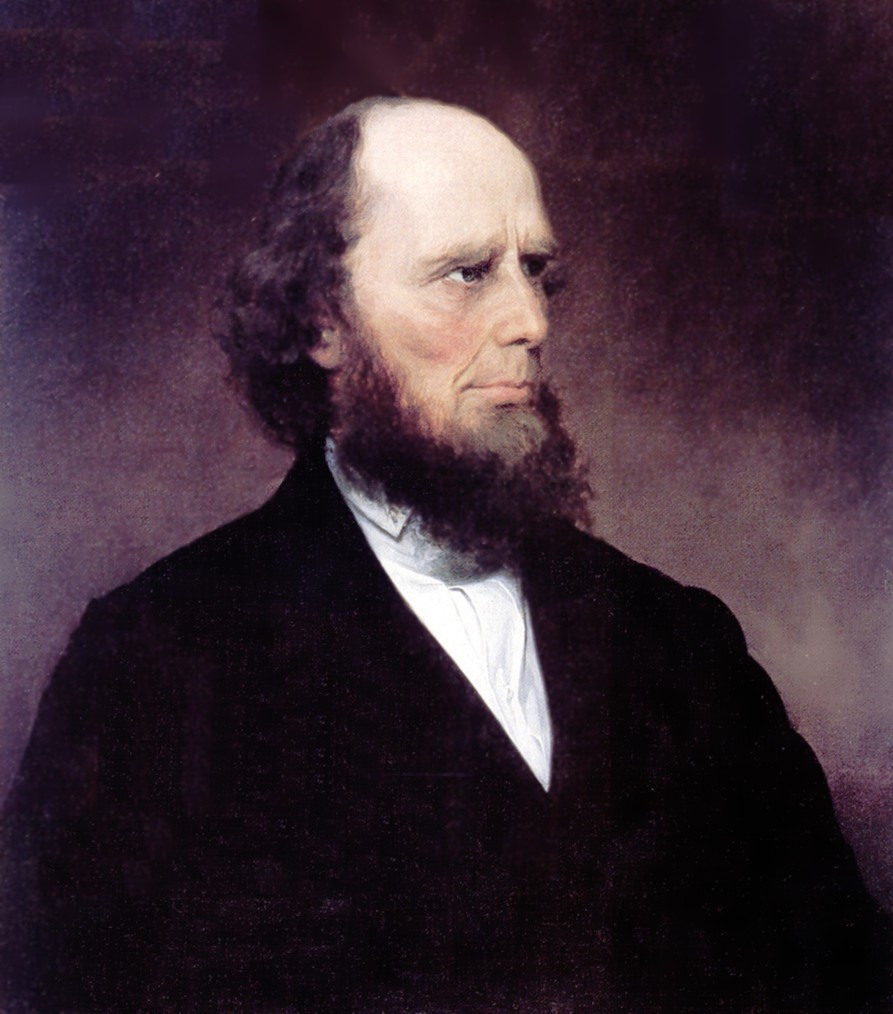
Portrait of Charles Grandison Finney

Free account
Read every Charles Grandison Finney source
Sign up free →
Ready when you are
Start chatting with Charles Grandison Finney now.
20 messages free · No credit card · Available in 50+ languages.