


Secondary sourcePainting19th century
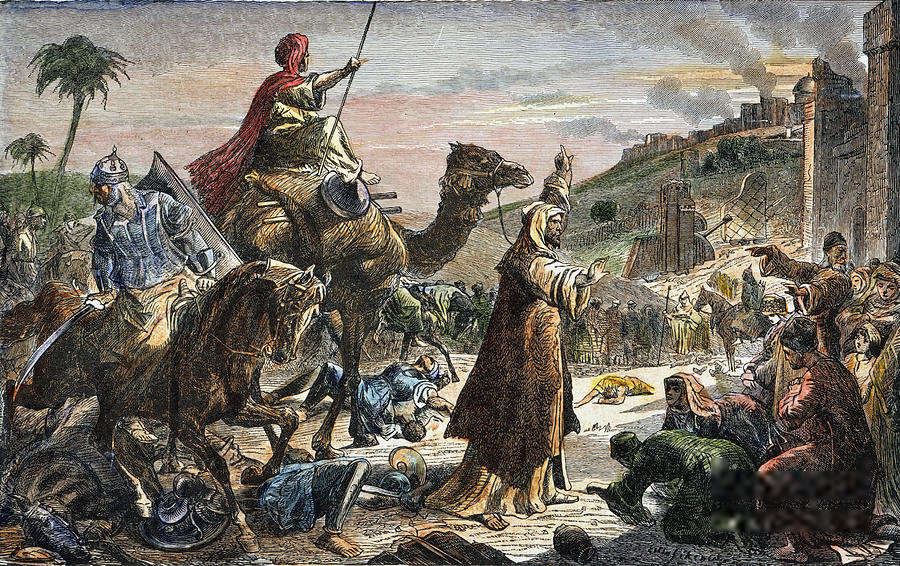
The entrance of Caliph Umar into Jerusalem, 638
Granger · 19th century
A 19th-century European colored engraving imagining Umar's entry into Jerusalem in 638.
This engraving depicts Umar himself, imagining his entry into Jerusalem in 638.
About this source
What it is
This is a 19th-century colored engraving by the Granger studio showing Caliph Umar entering Jerusalem in 638. It depicts a mounted rider raising a spear on a camel, an armored rider on horseback, and a robed figure pointing toward the walled city, with bodies and debris on the ground and a crowd watching.
Why it matters
The engraving shows how European artists of the 19th century imagined and romanticised Umar's famously humble entry into Jerusalem, a story often contrasted with more violent conquests of the period. It tells us less about the historical event itself and more about how Western audiences pictured Islamic history long after it happened.
Look closer
- What details in the image seem added for drama rather than accuracy?
- Why might a 19th-century European artist choose to depict this scene?
- What does the engraving suggest about the artist's assumptions about the event?
This painting is part of the curated material that grounds the AI version of Caliph Umar ibn al-Khattab on Humy.ai — when students ask about related events, the AI can quote it and cite it.
More Caliph Umar ibn al-Khattab sources
Browse all 54 →Secondary source
Umar's Assurance
637-638
 Book
Secondary source
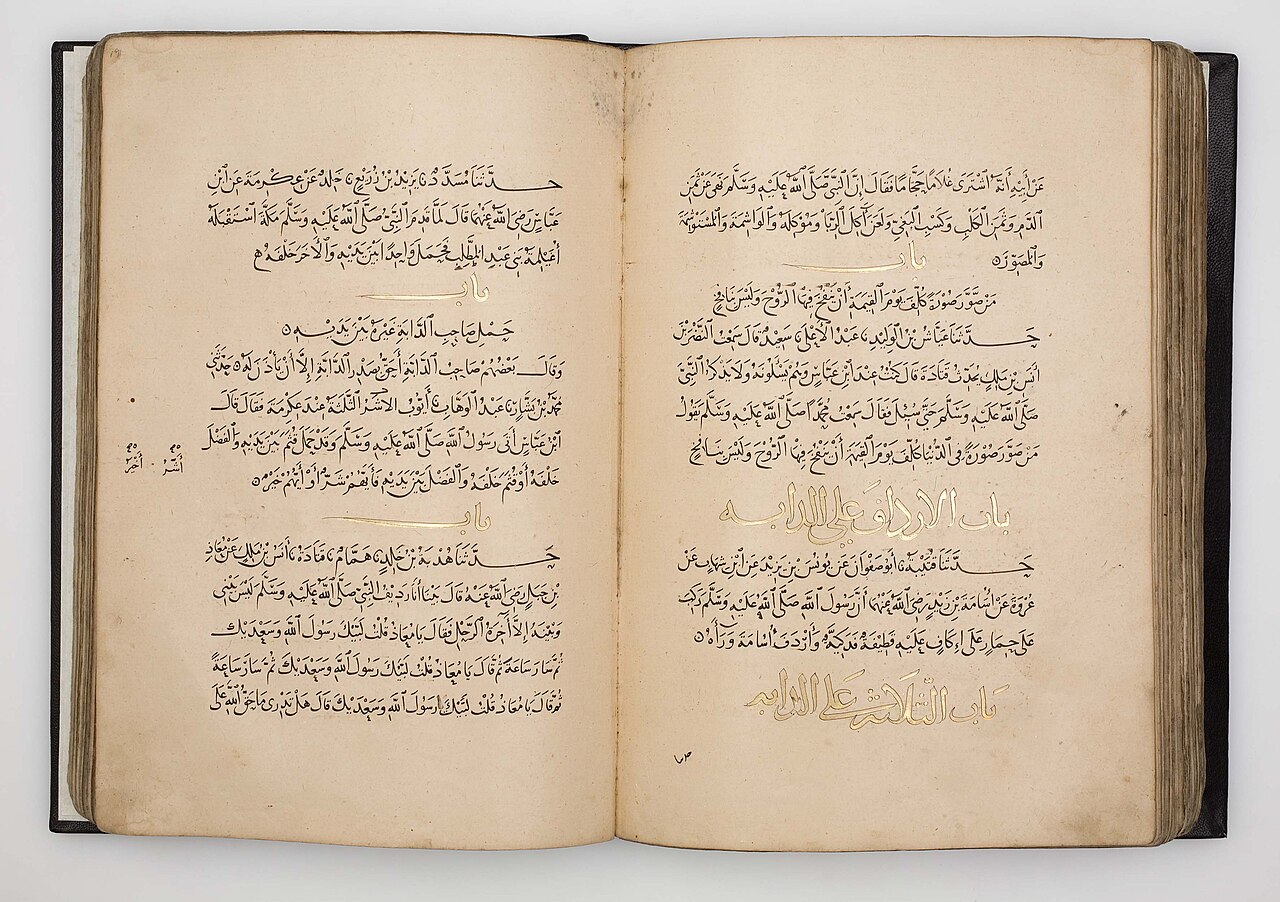
Sahih al-Bukhari
Muhammad ibn Isma'il al-Bukhari · c. 846 CE
 Book
Primary source
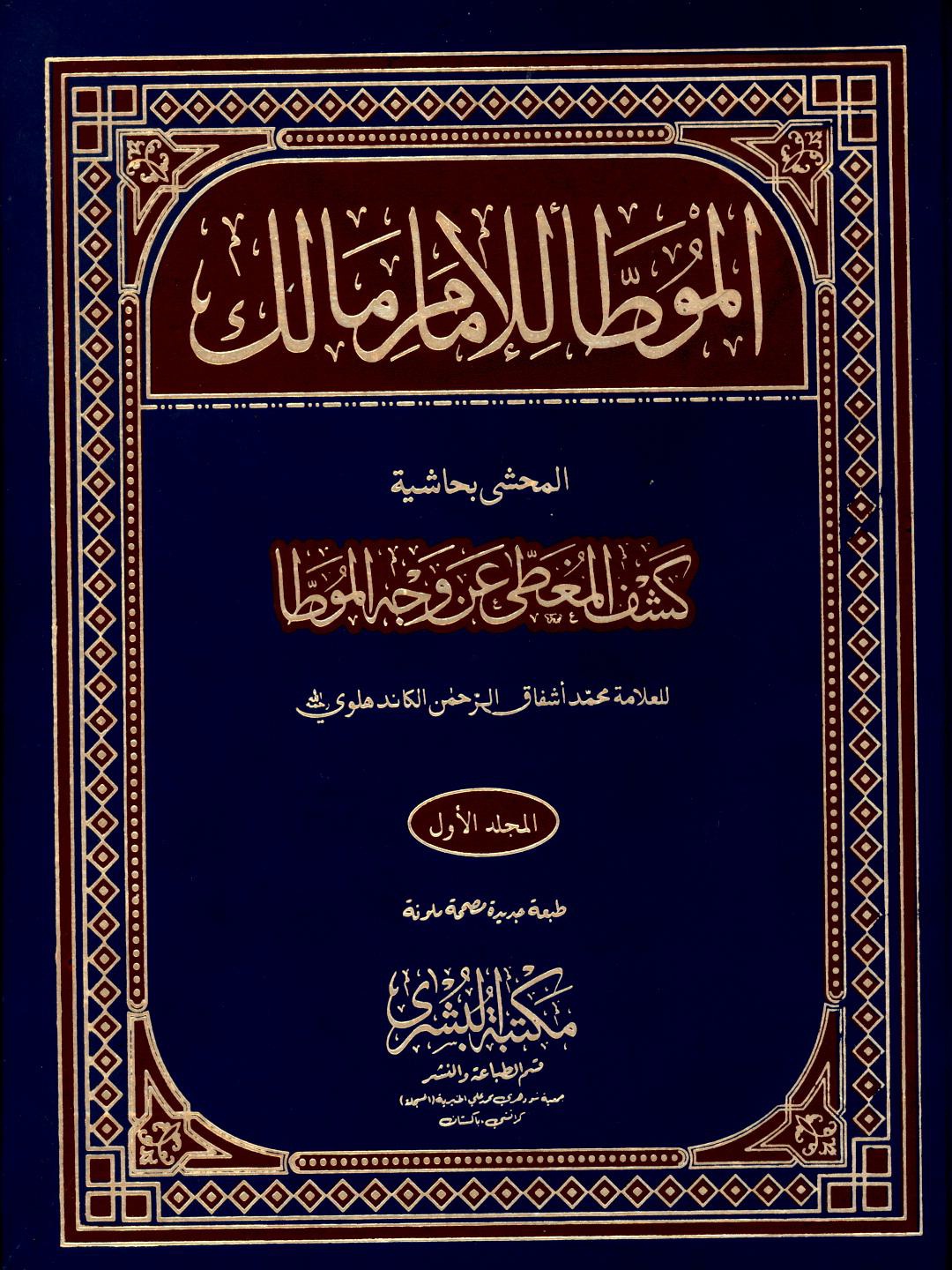
al-Muwatta
Malik ibn Anas · 8th century
 Book
Secondary source
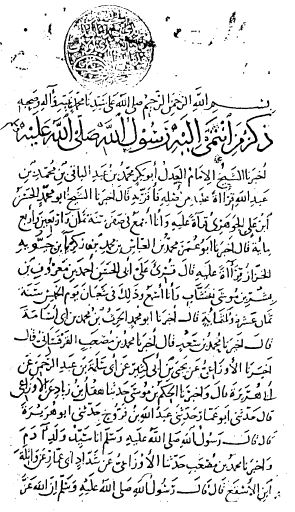
Futuh al-Buldan
Al-Baladhuri · 9th century
Free account
Read every Caliph Umar ibn al-Khattab source
Sign up free →
Ready when you are
Start chatting with Caliph Umar ibn al-Khattab now.
20 messages free · No credit card · Available in 50+ languages.