


Primary sourcePainting1585
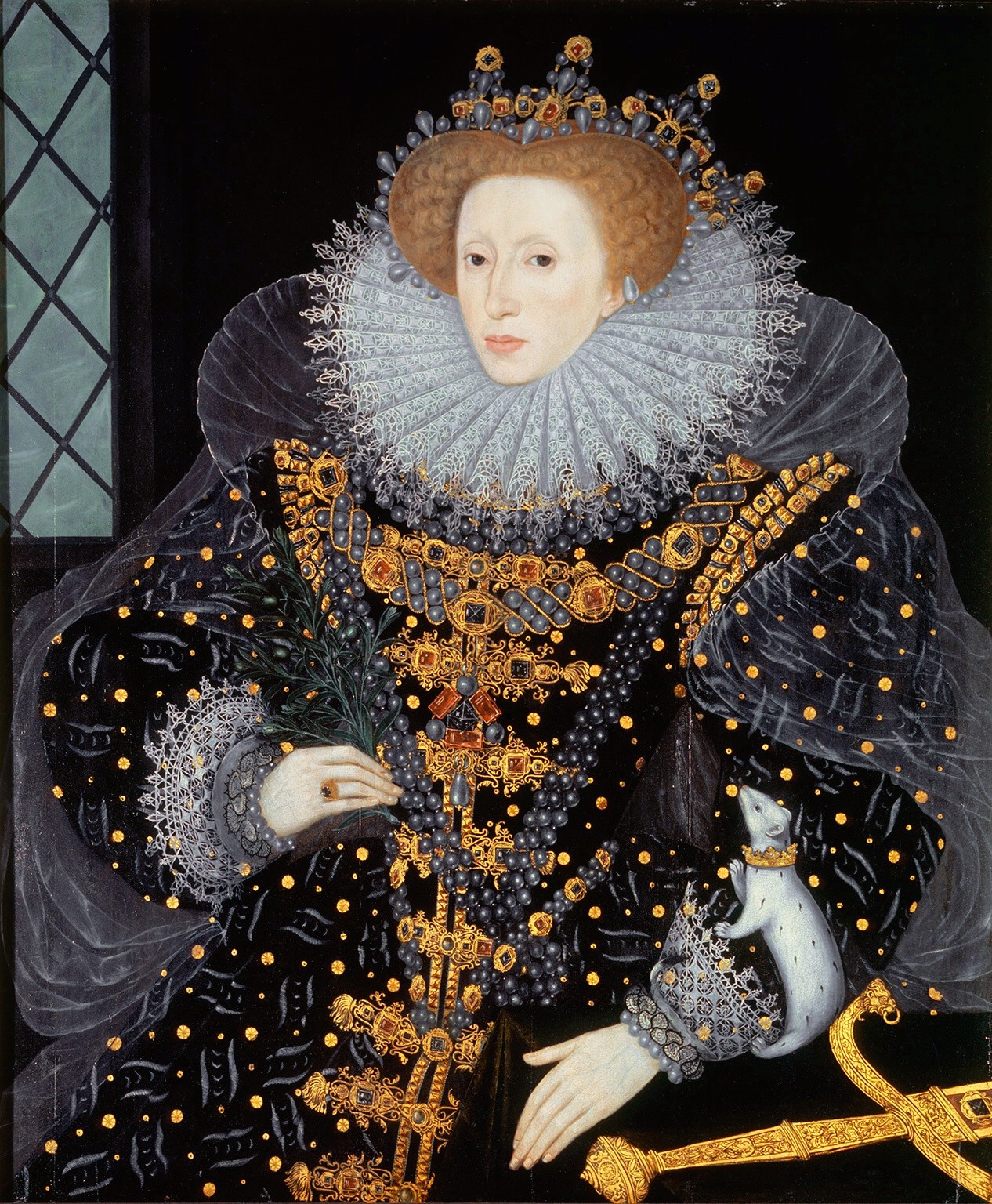
The Ermine Portrait of Elizabeth I
George Gower or William Segar · 1585
A portrait of Elizabeth I with an ermine on her arm, symbolising purity and sovereignty, owned by the Cecil family.
A symbolic portrait of Elizabeth I owned by the Cecil family, showing her image among her closest advisers.
About this source
What it is
A portrait of Elizabeth I dated 1585, attributed to George Gower or William Segar, held in the Marquess of Salisbury collection. It is known as the Ermine Portrait.
Why it matters
The ermine resting on her arm, wearing its own small crown, was a traditional symbol of purity and royal authority. The portrait's ownership by the Cecil family, closely tied to Elizabeth's government through William Cecil, shows how her image circulated among her closest advisers. The sword at her side may allude to justice and royal power.
Look closer
- Why might an animal like the ermine be chosen as a symbol for a queen?
- What does the sword suggest about the message the portrait was meant to send?
- Why would a leading courtier's family want to own such an image of the queen?
This painting is part of the curated material that grounds the AI version of Elizabeth I on Humy.ai — when students ask about related events, the AI can quote it and cite it.
More Elizabeth I sources
Meet the AI Elizabeth I →Primary source
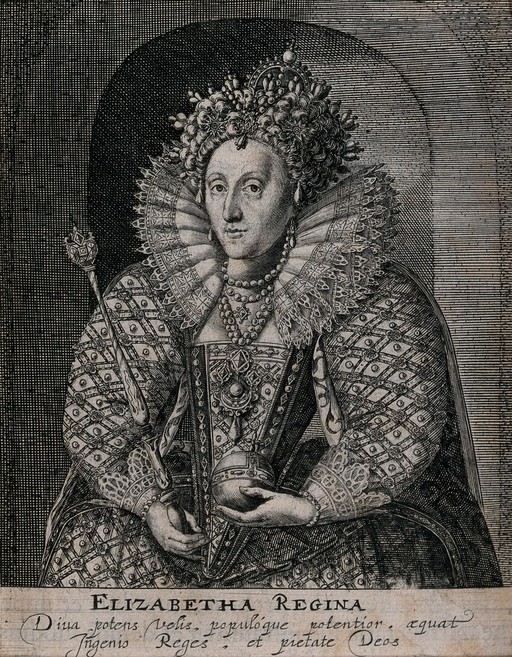
Speech to the Troops at Tilbury
Elizabeth I of England · 1588
 Painting
Secondary source
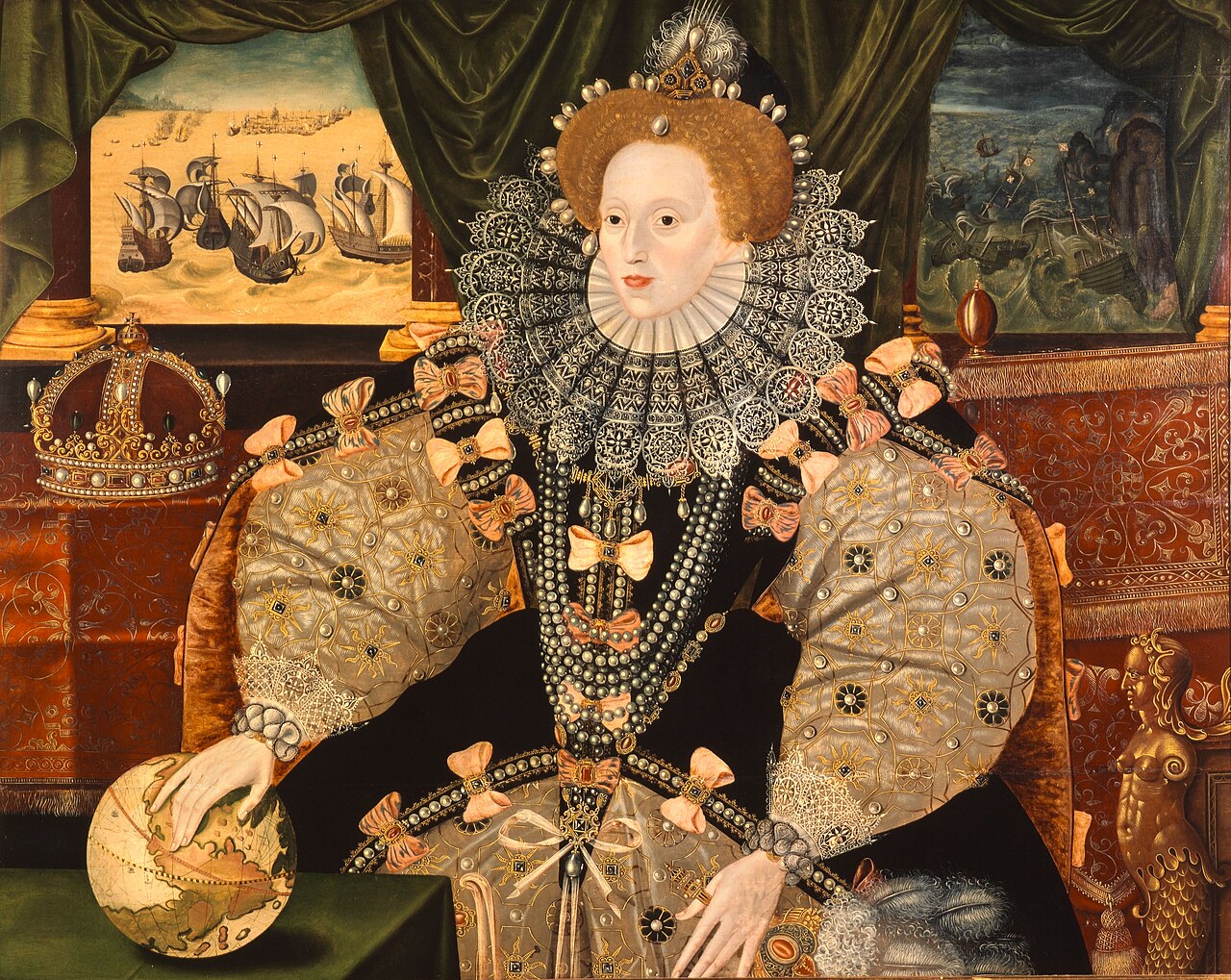
Queen Elizabeth I of England by Isaac Oliver
Isaac Oliver · 1620
 Painting
Primary source
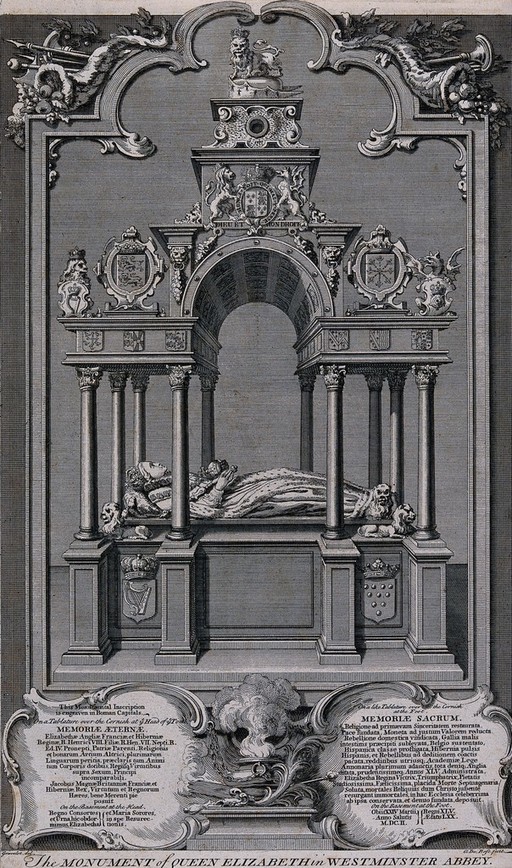
Armada Portrait
Unknown English artist · 1588
 Painting
Secondary source
Monument to Queen Elizabeth I in Westminster Abbey
Hubert Francois Bourguignon d'Anville Gravelot
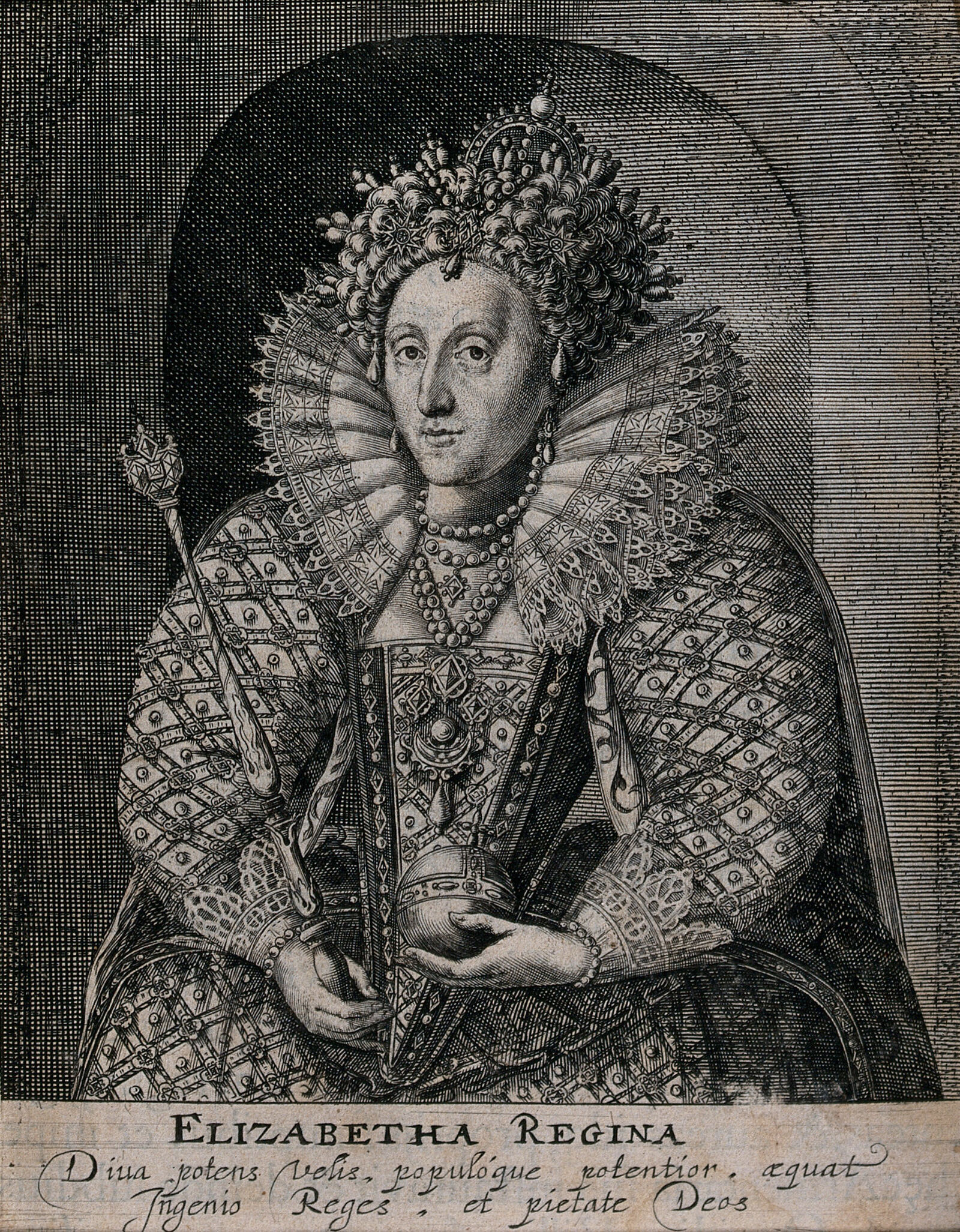 Painting
Secondary source
Queen Elizabeth I in parliamentary robes
Isaac Oliver · 1600-1699
Ready when you are
Start chatting with Elizabeth I now.
20 messages free · No credit card · Available in 50+ languages.