


Secondary sourcePainting1832 or 1833
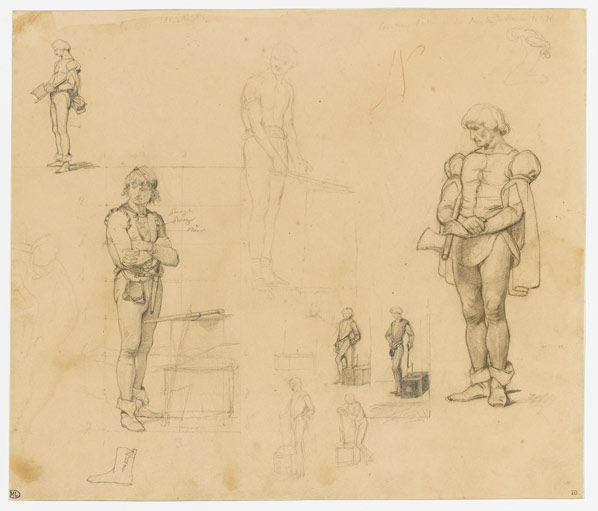
The Executioner, study for Execution of Lady Jane Grey
Paul Delaroche · 1832 or 1833
A pencil study by Paul Delaroche preparing the figure of the executioner for his famous 1833 painting of Jane Grey's execution.
A study for the famous later painting imagining the scene of Jane Grey's execution.
About this source
What it is
This is a pencil drawing made around 1832 or 1833 by the French painter Paul Delaroche. It is a preparatory study of the executioner figure, sketched in several poses, made while planning his large painting 'The Execution of Lady Jane Grey'.
Why it matters
Delaroche's finished painting became one of the most famous images of Jane Grey, shaping how generations imagined her death even though it was painted centuries after the event and is not historically accurate in its details. This study shows the artist's working process: testing poses and gestures before settling on the final composition.
Look closer
- Why might an artist make several sketches of just one figure before painting the final scene?
- What does the choice to focus a study on the executioner, rather than Jane herself, suggest about the mood the artist wanted?
- How might a dramatic 19th-century painting differ from the real events of Jane Grey's execution?
This painting is part of the curated material that grounds the AI version of Lady Jane Grey on Humy.ai — when students ask about related events, the AI can quote it and cite it.
More Lady Jane Grey sources
Browse all 80 →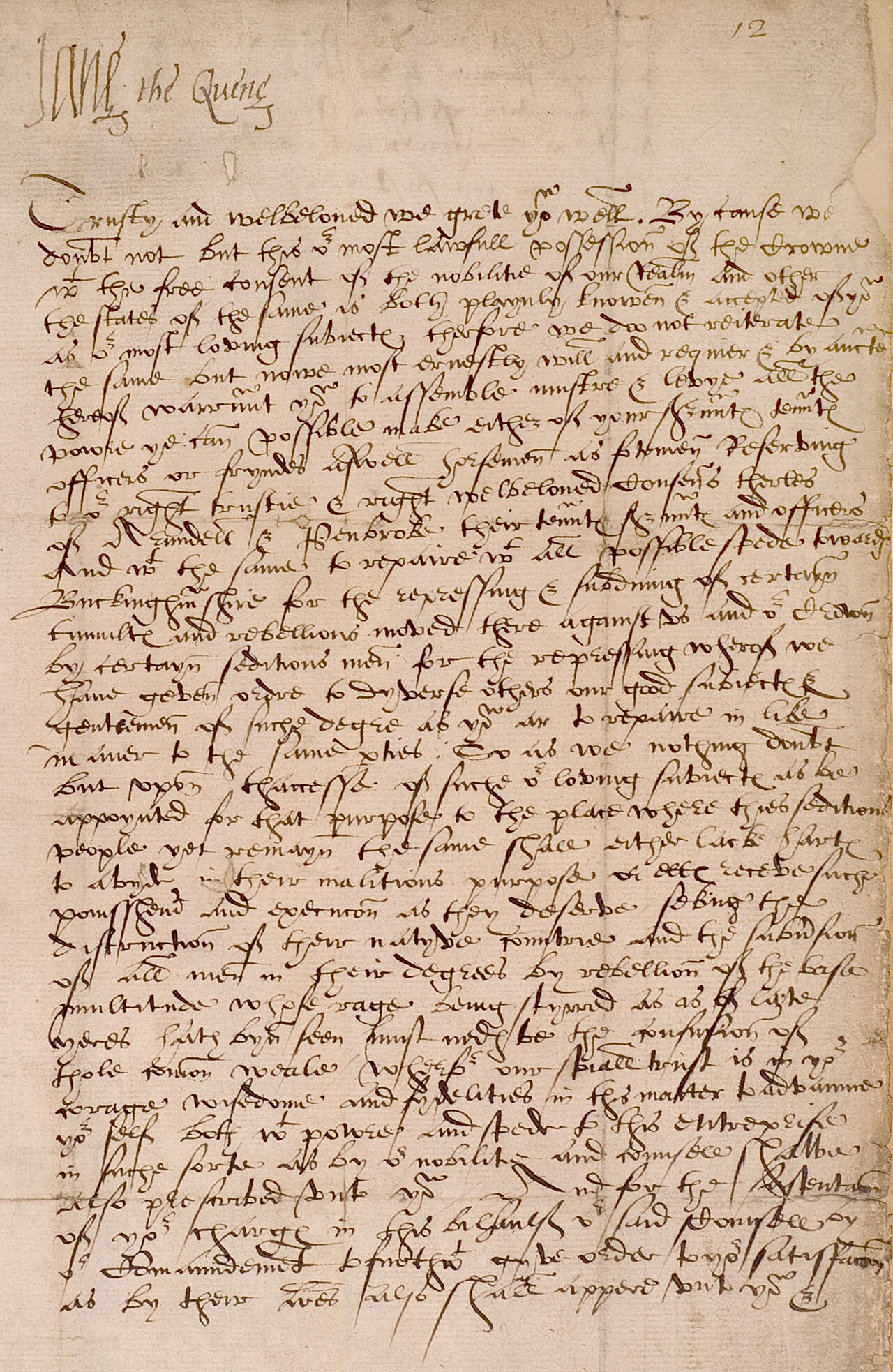 Letter
Primary source
Lady Jane Grey letter as Queen
Lady Jane Grey · July 1553
 Diary entry
Primary source
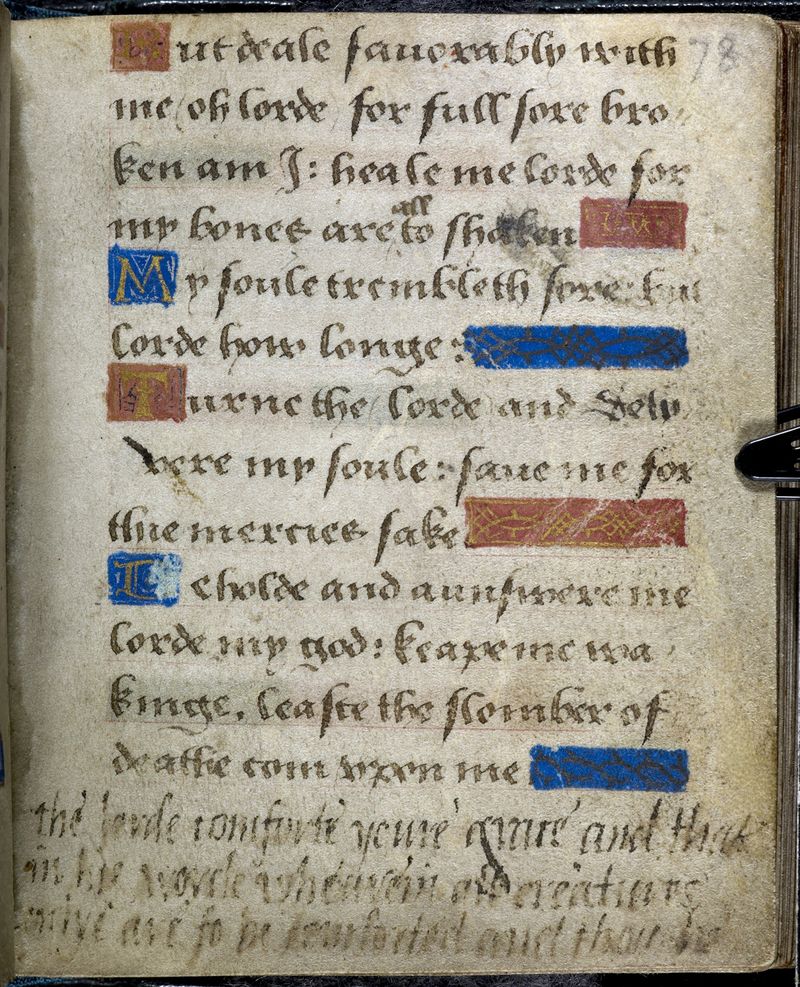
Jane Grey Prayerbook
Unknown (marginal notes believed to be Lady Jane Grey) · 16th century, before February 1554
 Painting
Secondary source
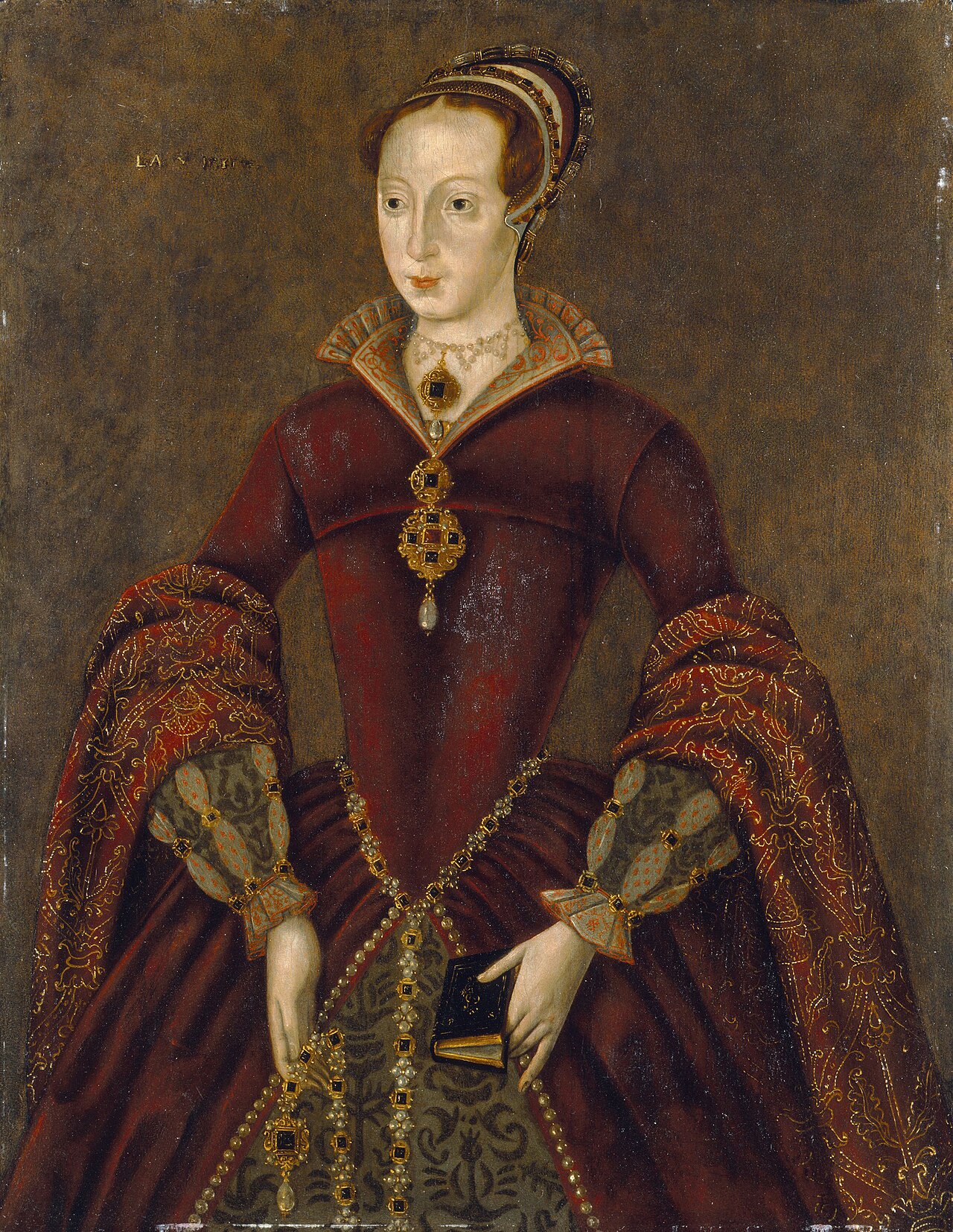
Lady Jane Dudley (née Grey), the Streatham Portrait
Unknown artist · 1590s
 Book
Secondary source
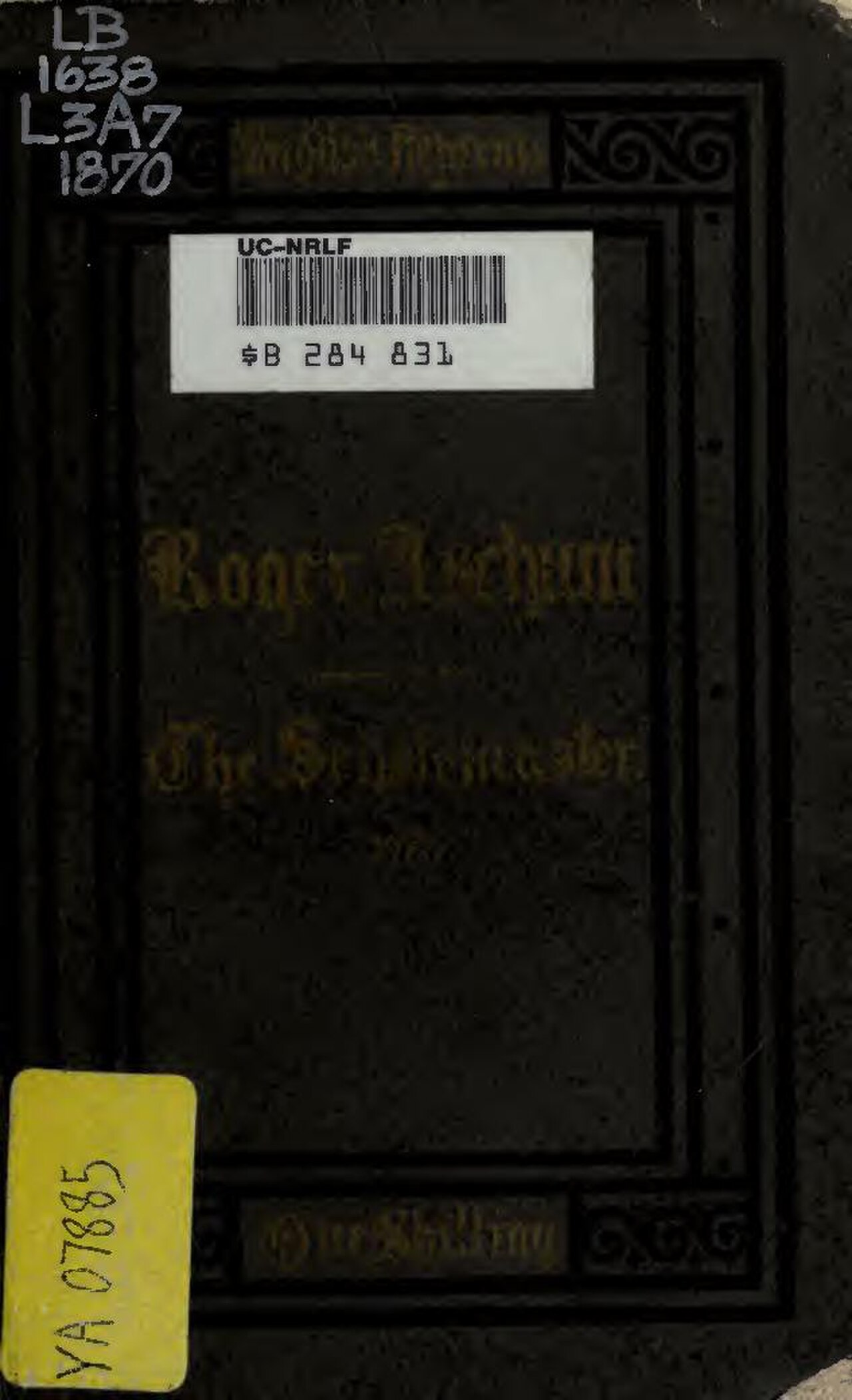
The Scholemaster
Roger Ascham · 1570
Free account
Read every Lady Jane Grey source
Sign up free →
Ready when you are
Start chatting with Lady Jane Grey now.
20 messages free · No credit card · Available in 50+ languages.