


Primary sourcePaintingc. 1580
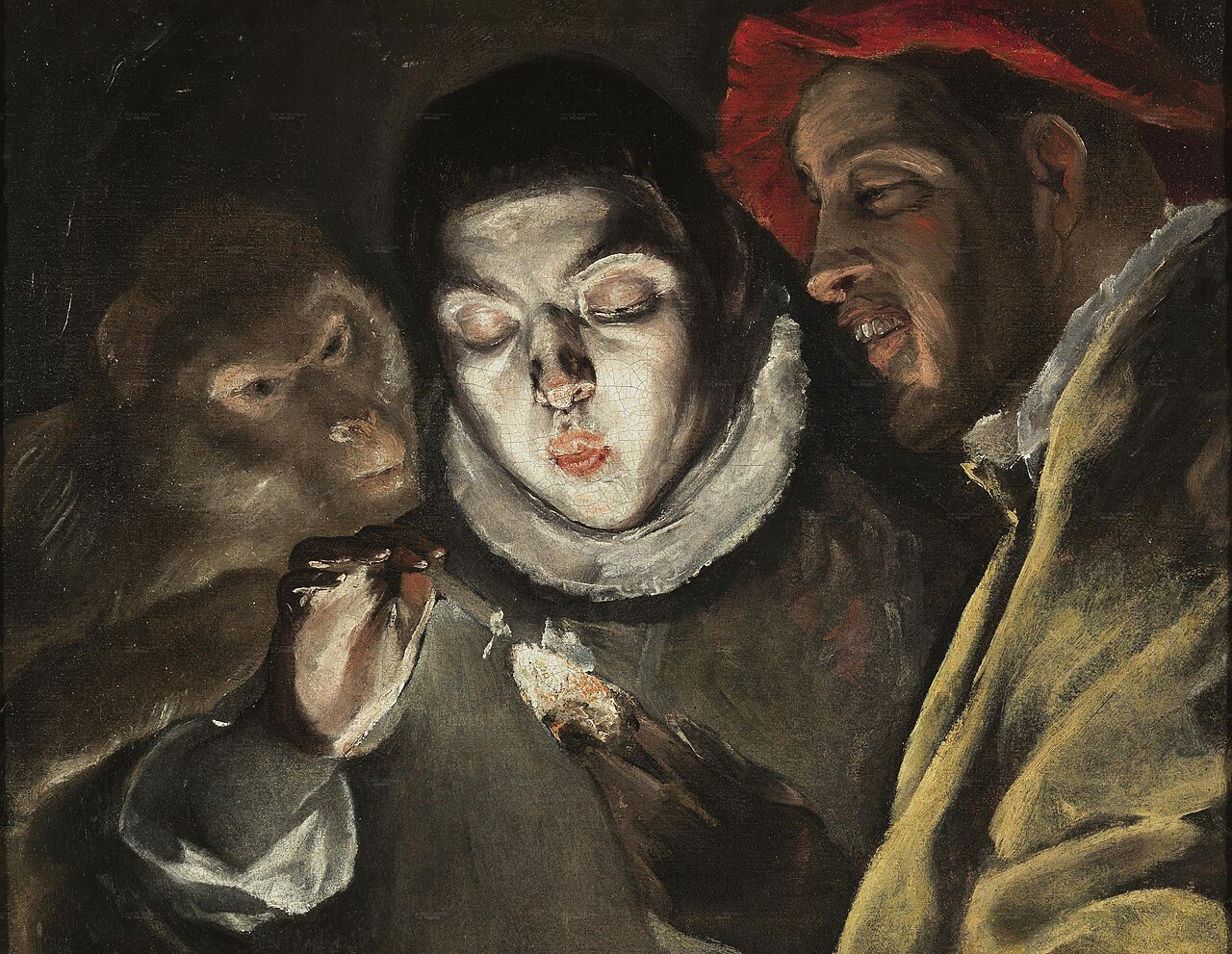
The Fable
El Greco · c. 1580
An early allegorical genre scene by El Greco with a monkey, a boy, and a man, likely a moral warning about vice.
An early allegorical work by El Greco, showing his use of symbolic genre scenes and Italian influence.
About this source
What it is
This allegorical oil painting was made by El Greco around 1580, early in his time in Toledo. It is now held at the Museo del Prado in Madrid.
It shows three figures around a glowing ember: a monkey, a young man blowing on the ember, and a grinning man. The theme, drawn from a story told by the Roman writer Pliny the Elder, was one El Greco painted more than once.
Why it matters
The painting's dramatic lighting shows the influence of Italian painter Jacopo Bassano, picked up while El Greco trained in Italy. Many art historians read it as a moral warning: the flaring ember symbolizing sexual temptation, with the monkey and clown representing the dangers of vice and foolishness.
Look closer
- What mood do the lighting and the characters' expressions create?
- Why might a monkey and a laughing man have been chosen as symbols?
- How might a viewer in El Greco's time have understood this scene differently than we do today?
This painting is part of the curated material that grounds the AI version of El Greco on Humy.ai — when students ask about related events, the AI can quote it and cite it.
More El Greco sources
Browse all 98 →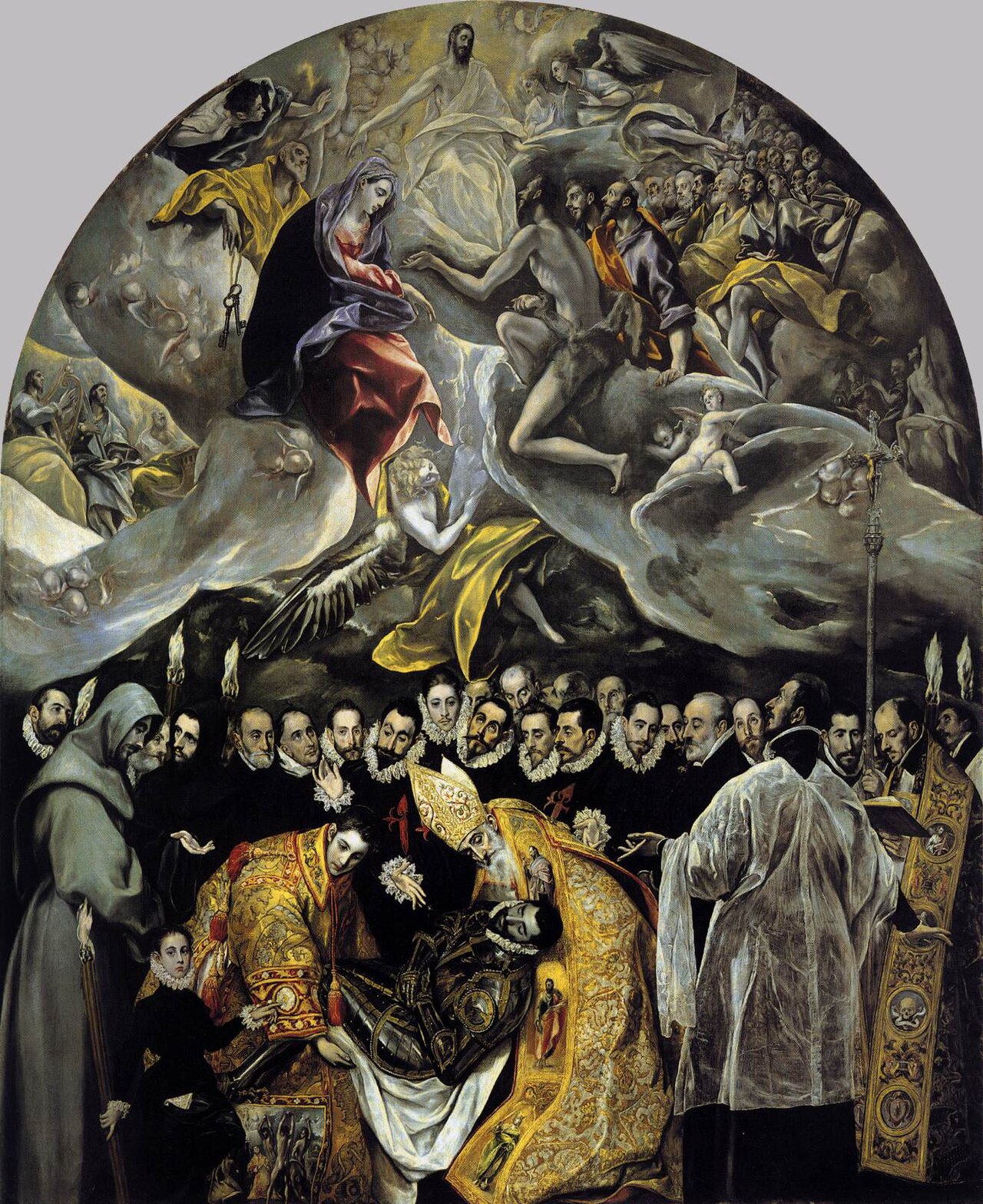 Painting
Primary source
The Burial of the Count of Orgaz
El Greco · 1586
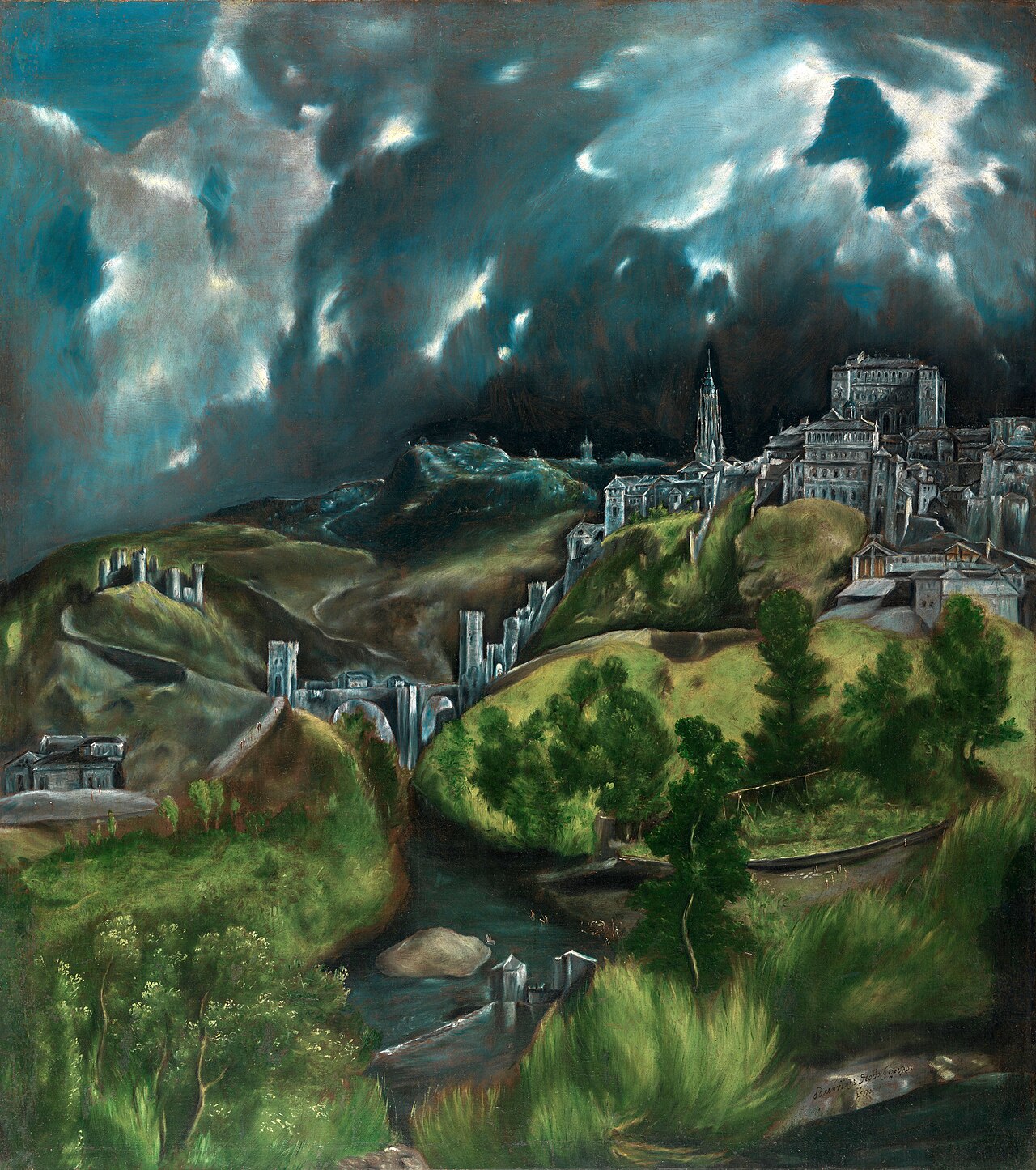 Painting
Primary source
View of Toledo
El Greco · c. 1595-1600
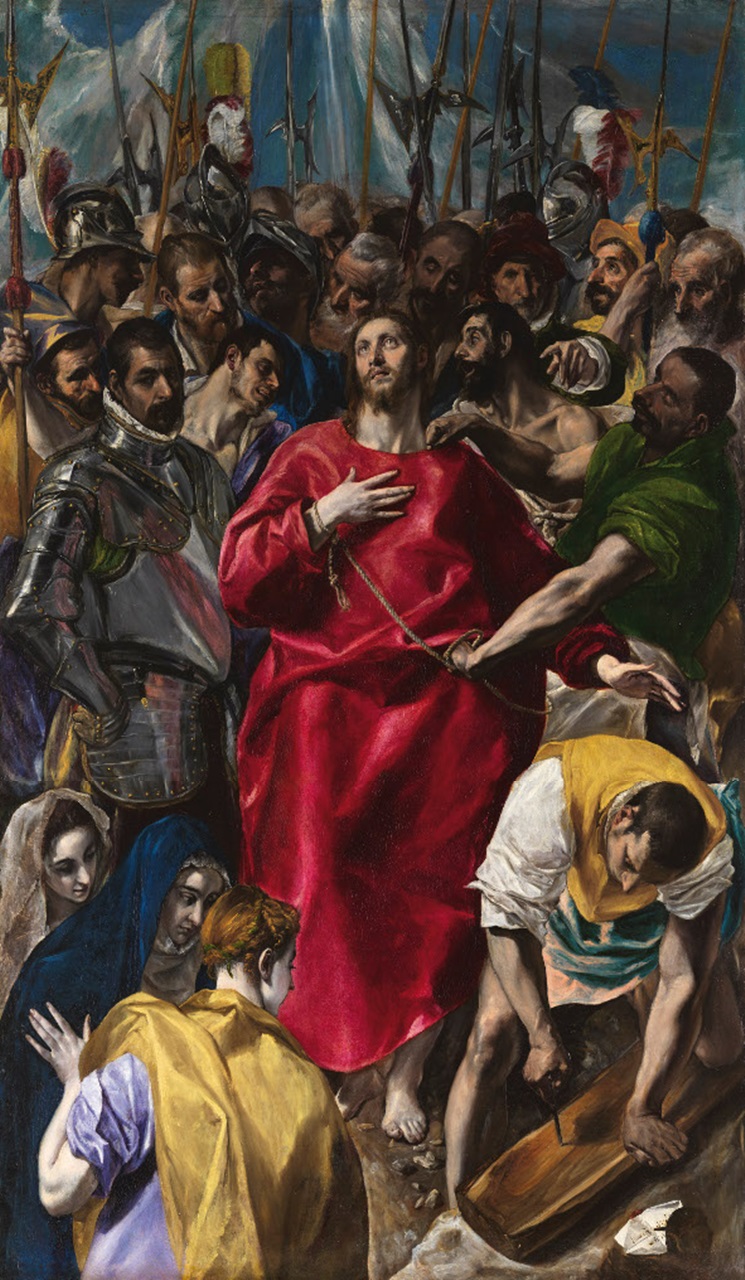 Painting
Primary source
The Disrobing of Christ
El Greco · 1577-1579
 Painting
Primary source
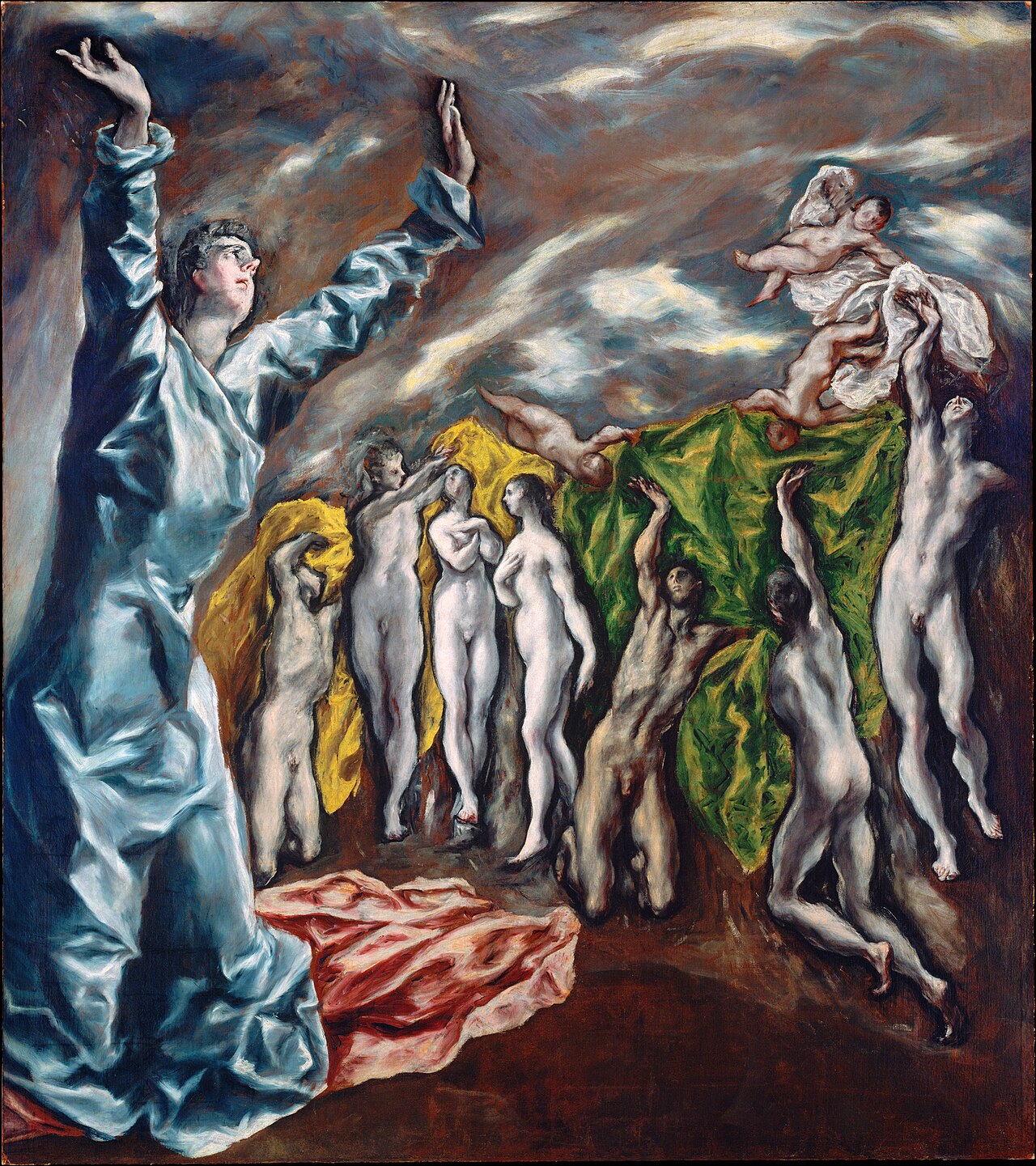
Opening of the Fifth Seal
El Greco · c. 1608-1614
Free account
Read every El Greco source
Sign up free →
Ready when you are
Start chatting with El Greco now.
20 messages free · No credit card · Available in 50+ languages.