


Primary sourcePainting1958
The Fall of Icarus
Pablo Picasso · 1958
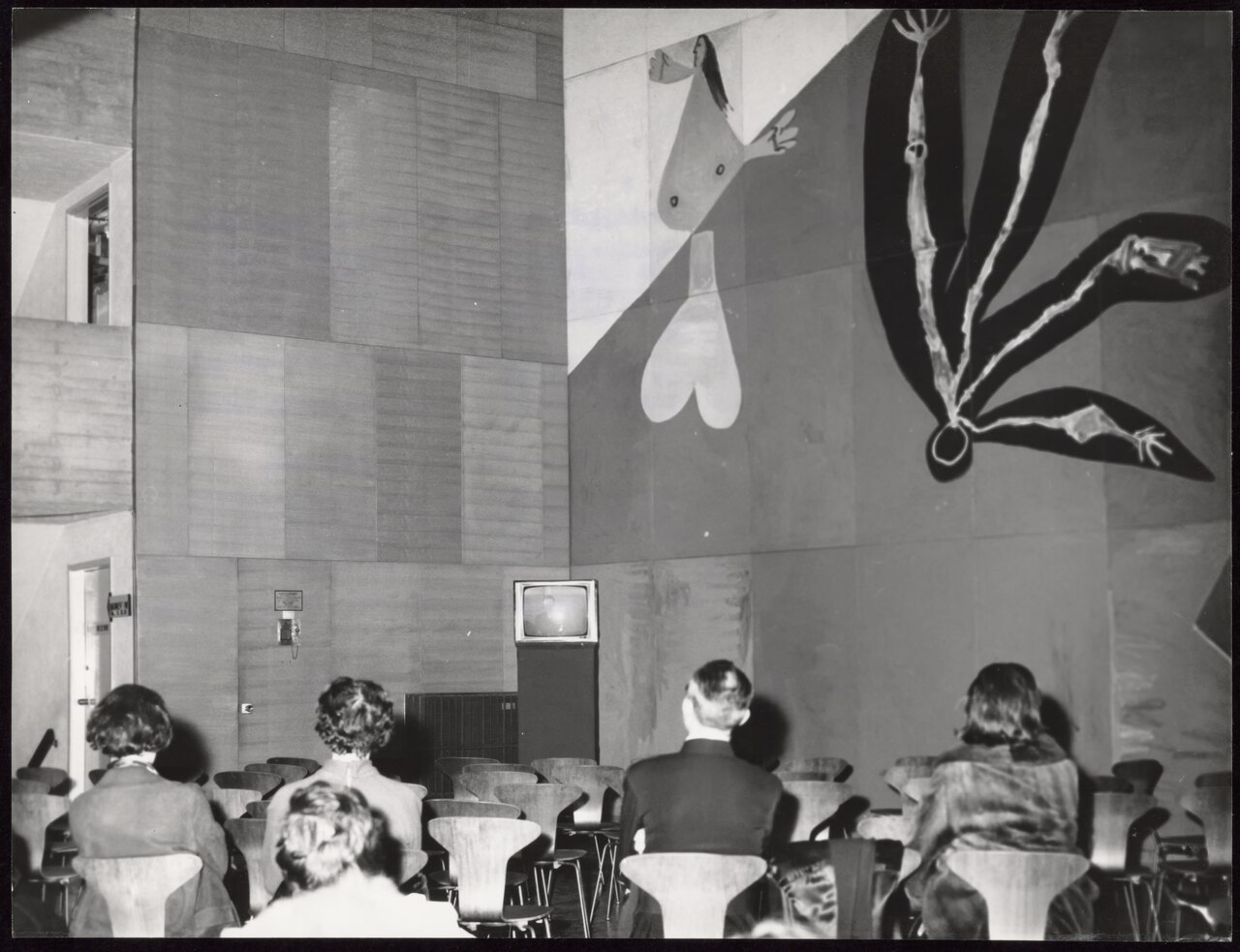
Picasso's largest work, a 1958 mural of 40 painted mahogany panels made for UNESCO's Paris headquarters.
This huge mural, Picasso's largest work, shows his postwar commissions for international institutions.
About this source
What it is
This mural, comprising 40 painted mahogany panels covering about 90 square meters, was created by Pablo Picasso in 1958 for the UNESCO headquarters in Paris. It was commissioned in 1957, based on his earlier Bathers series, and unveiled in 1958. It is Picasso's largest work.
Why it matters
The mural shows Picasso's engagement with major postwar international institutions and his continuing exploration of abstract figures drawn from his Bathers paintings. Originally titled The Forces of Life and the Spirit Triumphing over Evil, it was renamed by UNESCO official Georges Salles, who connected the falling central figure to the myth of Icarus. Picasso himself downplayed symbolic readings, insisting it was simply a beach scene.
Look closer
- Why might the same image be read as simple bathers by its creator but as a mythological scene by others?
- What does the renaming of the work tell us about who gets to decide what art means?
- Why would UNESCO want a major modern artist to decorate its headquarters?
This painting is part of the curated material that grounds the AI version of Pablo Picasso on Humy.ai — when students ask about related events, the AI can quote it and cite it.
More Pablo Picasso sources
Browse all 93 →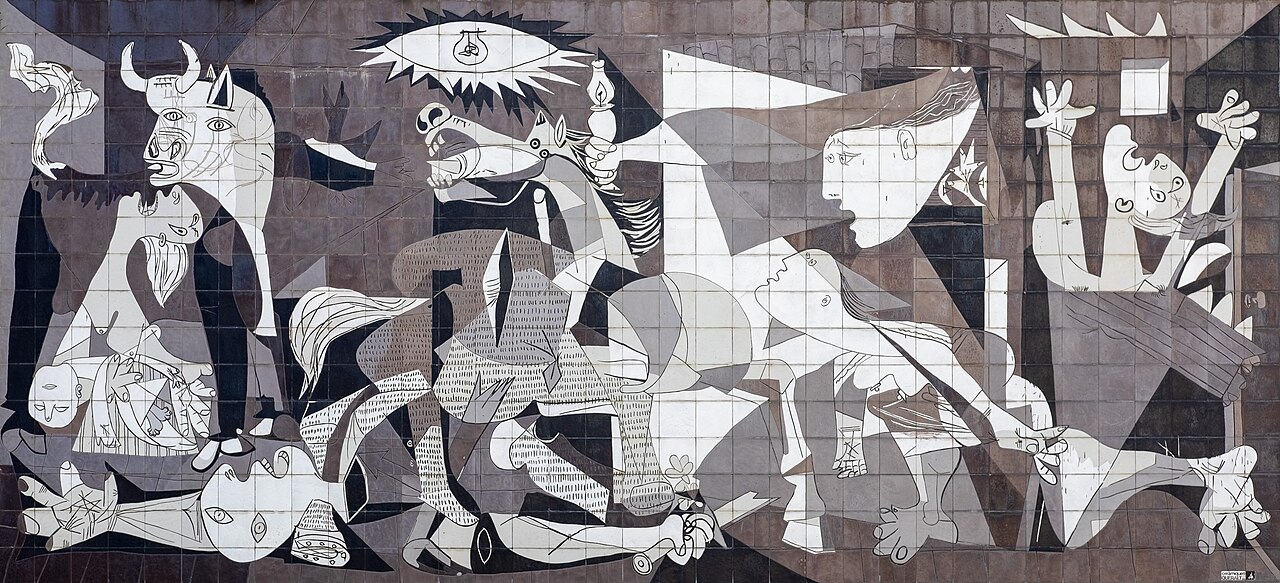 Painting
Primary source
Guernica
Pablo Picasso · 1937
 Photograph
Primary source
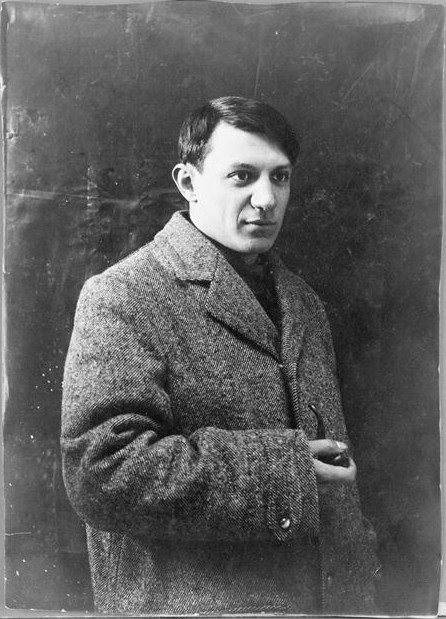
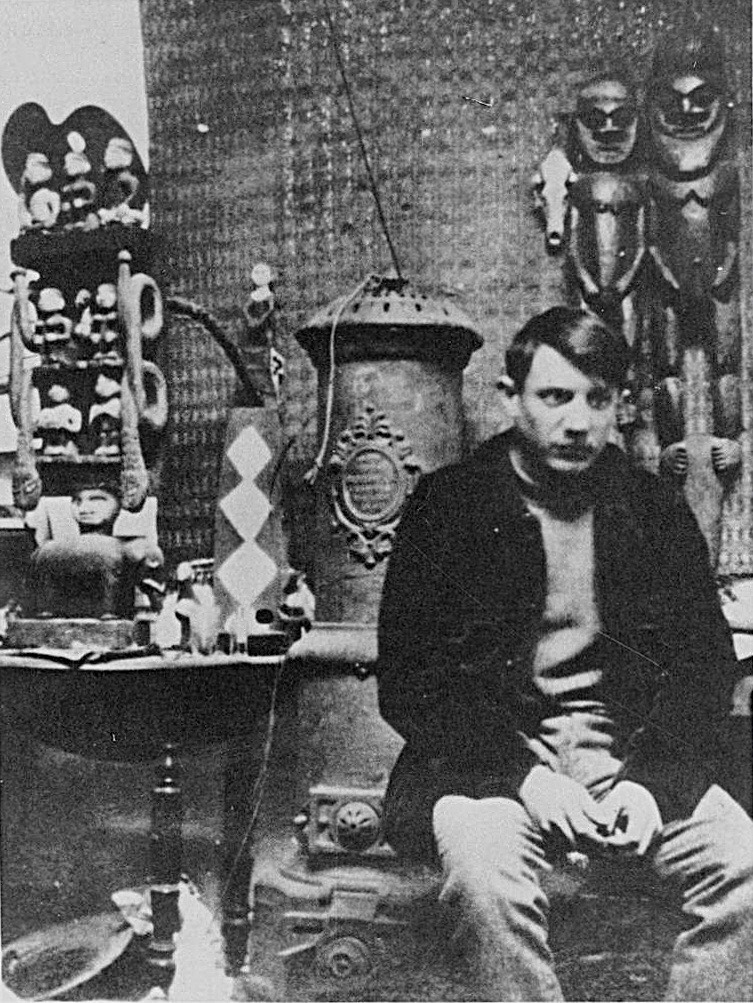
Portrait de Picasso, 1908
Anonymous Unknown author · 1908
Primary source
Recording of the voice of Pablo Picasso
Pablo Picasso
 Painting
Primary source
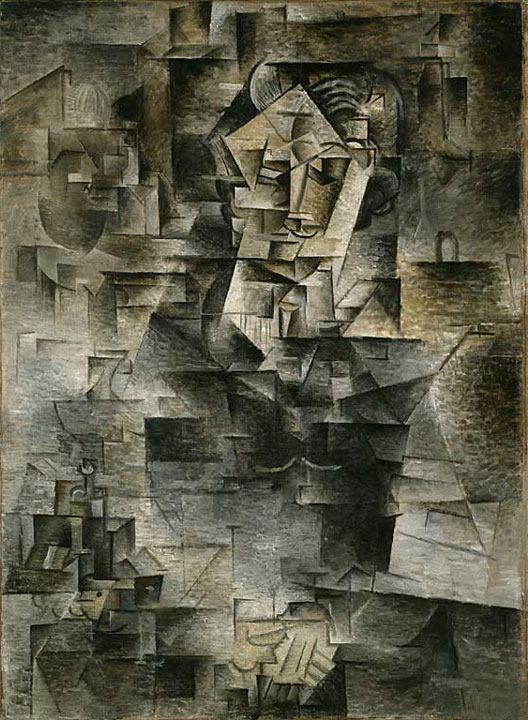
Portrait de Daniel Henry Kahnweiler
Pablo Picasso · 1910
Free account
Read every Pablo Picasso source
Sign up free →
Ready when you are
Start chatting with Pablo Picasso now.
20 messages free · No credit card · Available in 50+ languages.