


Primary sourcePainting1866
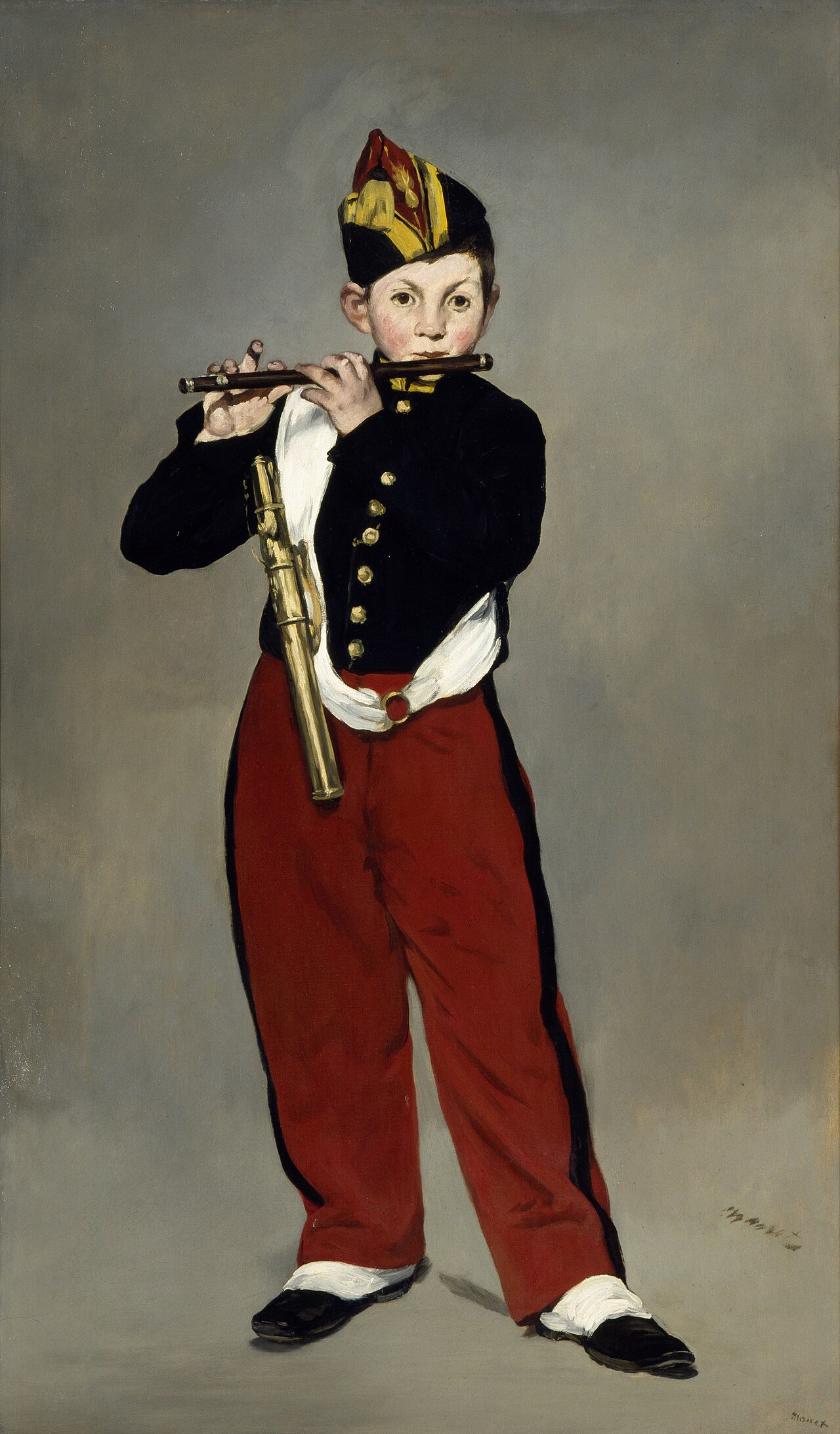
The Fifer
Édouard Manet · 1866
Manet's 1866 painting of a young regimental fifer, rejected by the Salon and defended in print by his friend Émile Zola.
This rejected painting shows Manet's Spanish-influenced style and the public controversy he faced, defended by his friend Zola.
About this source
What it is
A painting by Édouard Manet made in 1866, showing a young military fifer in uniform standing against a plain grey background. It is held at the Musée d'Orsay in Paris.
Why it matters
Inspired by Velázquez's work seen on a trip to Spain, Manet painted the figure flat and isolated against a bare background, breaking with traditional depth and perspective. The Salon jury rejected the painting in 1866, which angered the writer Émile Zola, who published newspaper articles defending Manet's realism. The work shows both Manet's debt to Spanish art and the public hostility his innovations faced.
Look closer
- Why might the flat background and lack of shadow have confused viewers used to traditional painting?
- What does Zola's public defence of this rejected painting tell you about friendship and art criticism at the time?
- Who do you think the boy might have been, and why did Manet choose an anonymous model?
This painting is part of the curated material that grounds the AI version of Édouard Manet on Humy.ai — when students ask about related events, the AI can quote it and cite it.
More Édouard Manet sources
Browse all 94 →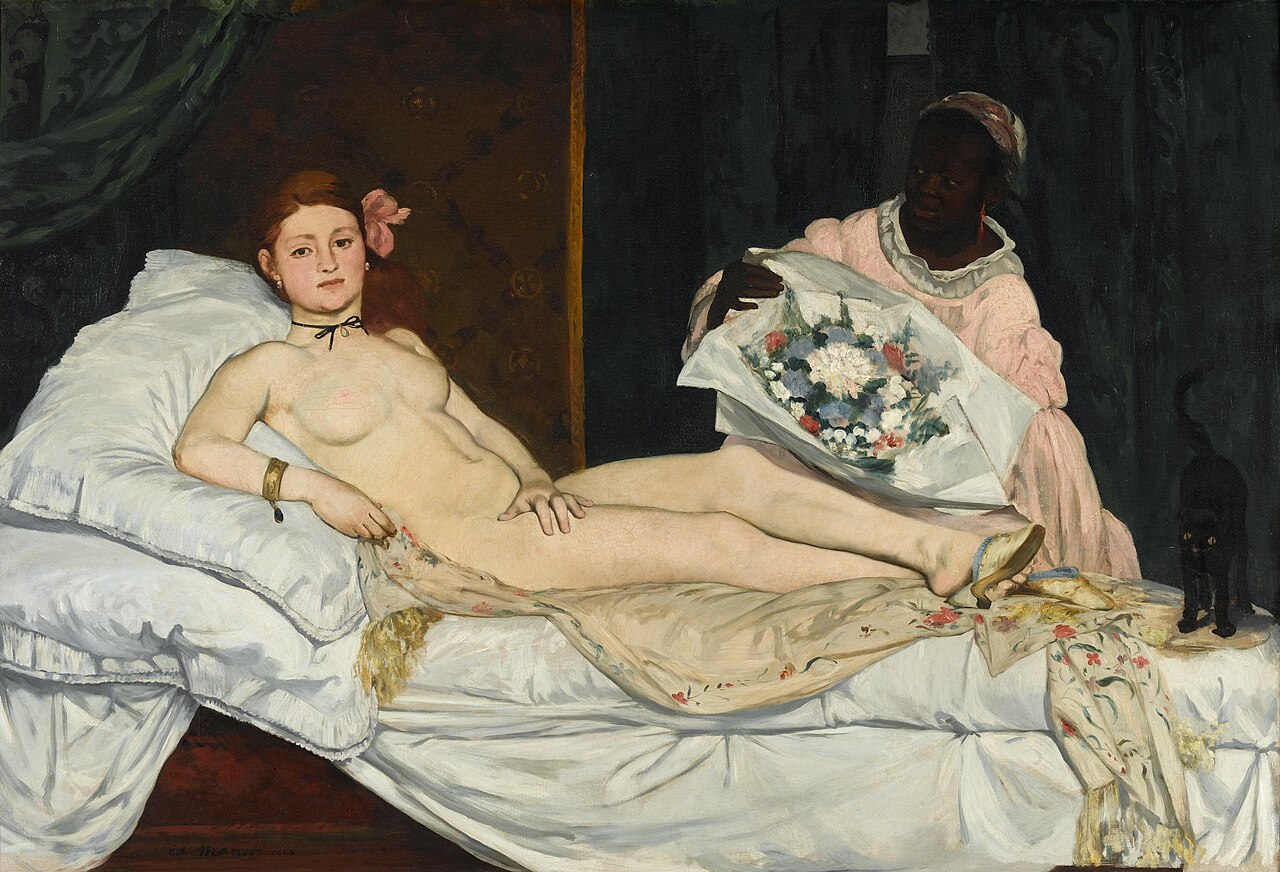 Painting
Primary source
Olympia
Édouard Manet · 1863
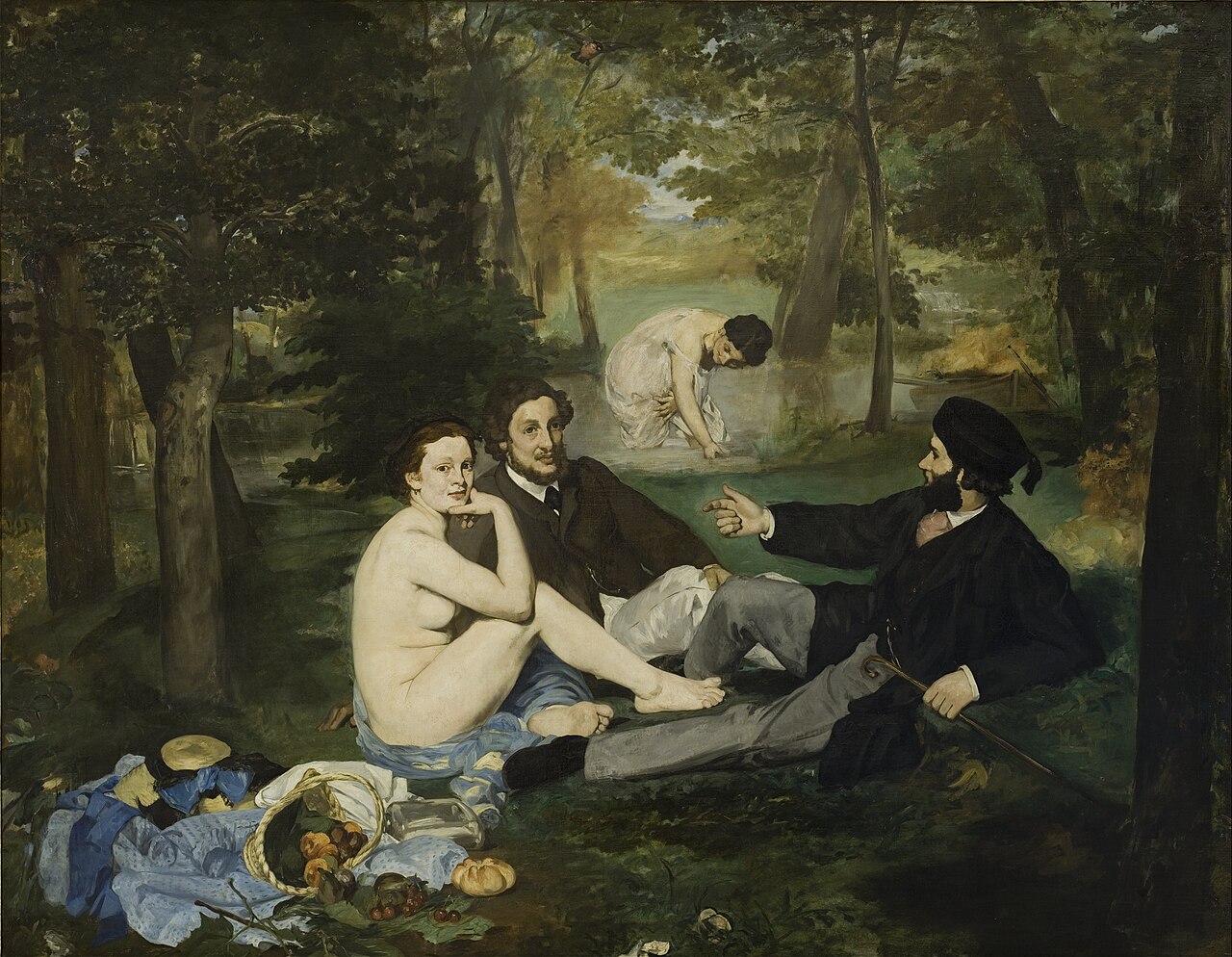 Painting
Primary source
Luncheon on the Grass
Édouard Manet · 1862-1863
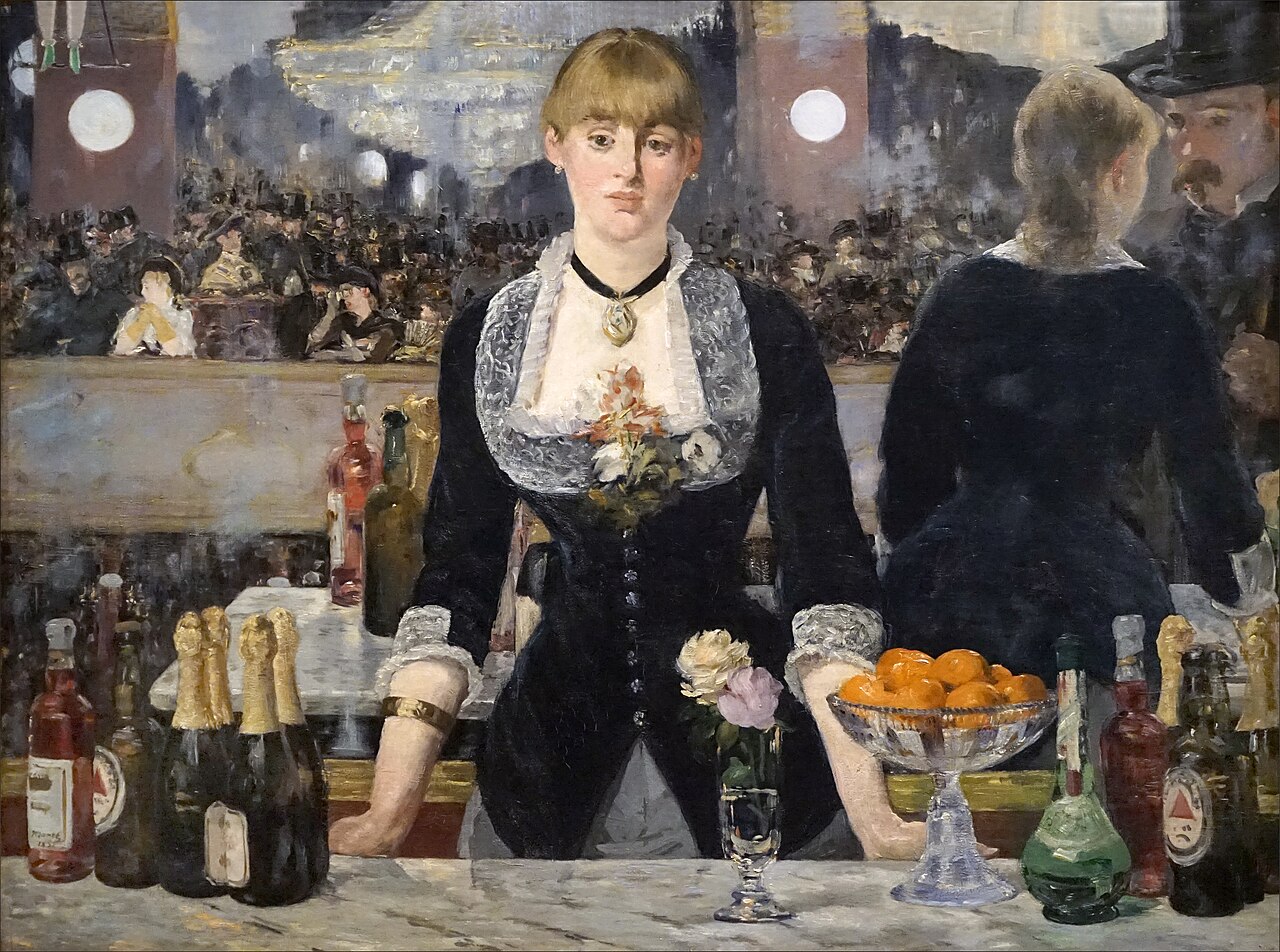 Painting
Primary source
A Bar at the Folies-Bergère
Édouard Manet · 1882
 Painting
Primary source
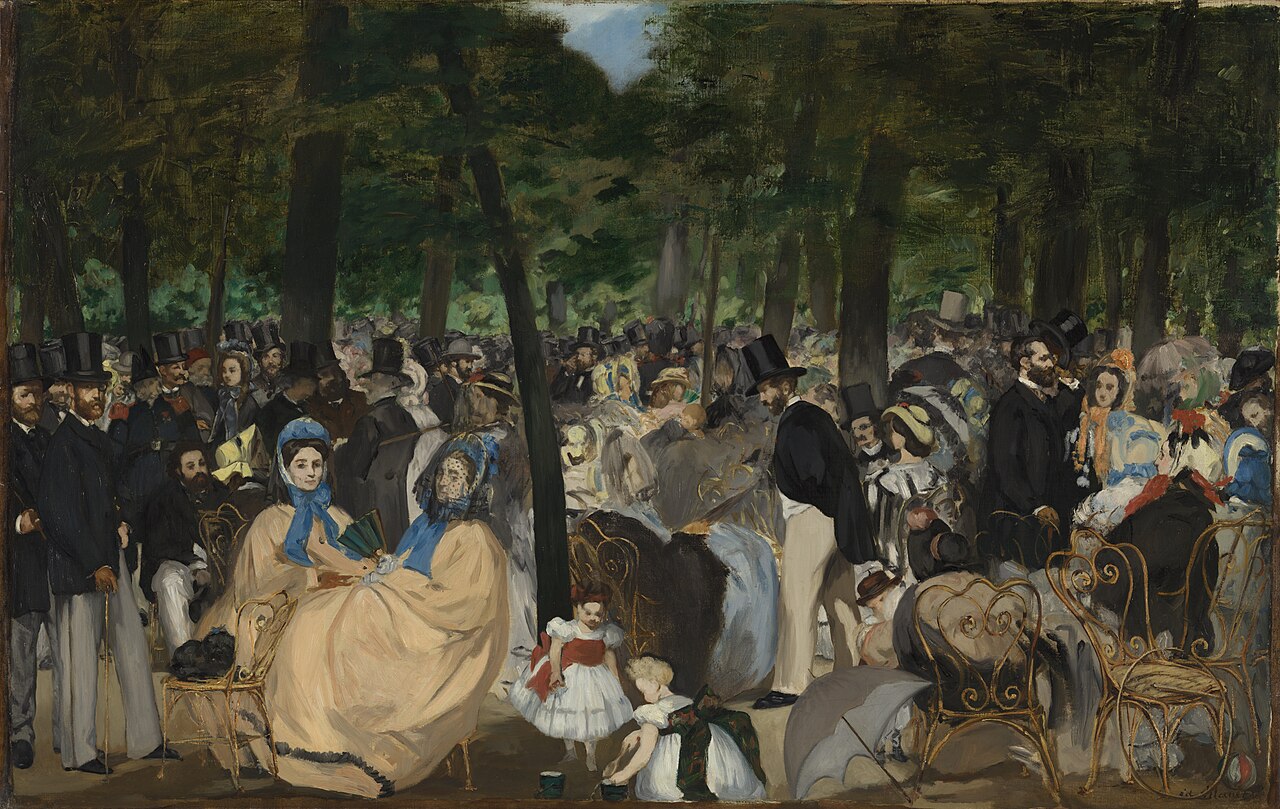
Music in the Tuileries
Édouard Manet · 1862
Free account
Read every Édouard Manet source
Sign up free →
Ready when you are
Start chatting with Édouard Manet now.
20 messages free · No credit card · Available in 50+ languages.