


Primary sourcePainting1839
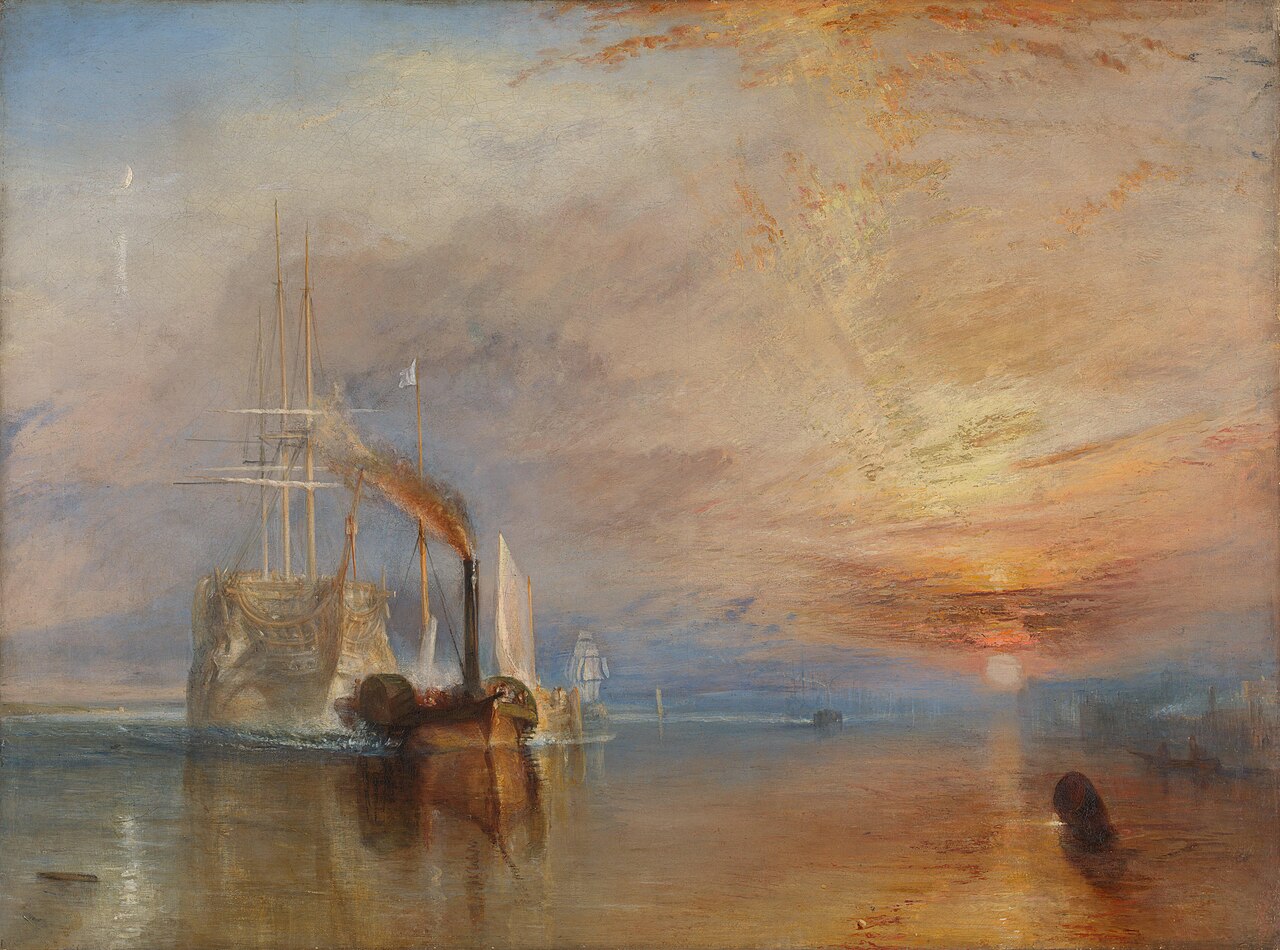
The Fighting Temeraire
J. M. W. Turner · 1839
Turner's painting of a Trafalgar warship being towed to the breakers by a steam tug, seen as his elegy for the end of the age of sail.
Painted and exhibited by Turner himself, this work is considered one of his most personal and celebrated paintings.
About this source
What it is
This oil painting was made by J. M. W. Turner in 1839. It shows the warship HMS Temeraire, a veteran of the Battle of Trafalgar, being towed up the Thames by a steam tug to be broken up for scrap. It hangs in the National Gallery, London, having been left to the nation by Turner himself.
Why it matters
The painting captures a moment when sailing ships were being replaced by steam power. Turner contrasts the glowing, ghostly old warship with the dark, smoke-belching tug, using light and colour to suggest the end of one era and the start of another. Some historians think the ship may even stand for Turner himself, growing old. It shows how Turner used real events to explore bigger ideas about change and time.
Look closer
- Why might Turner have placed the ship off-centre instead of in the middle of the painting?
- What do the colours of the sunset and the smoke suggest about old and new technology?
- Did Turner definitely see this event himself, and does that change how we read the painting?
This painting is part of the curated material that grounds the AI version of J. M. W. Turner on Humy.ai — when students ask about related events, the AI can quote it and cite it.
More J. M. W. Turner sources
Browse all 98 →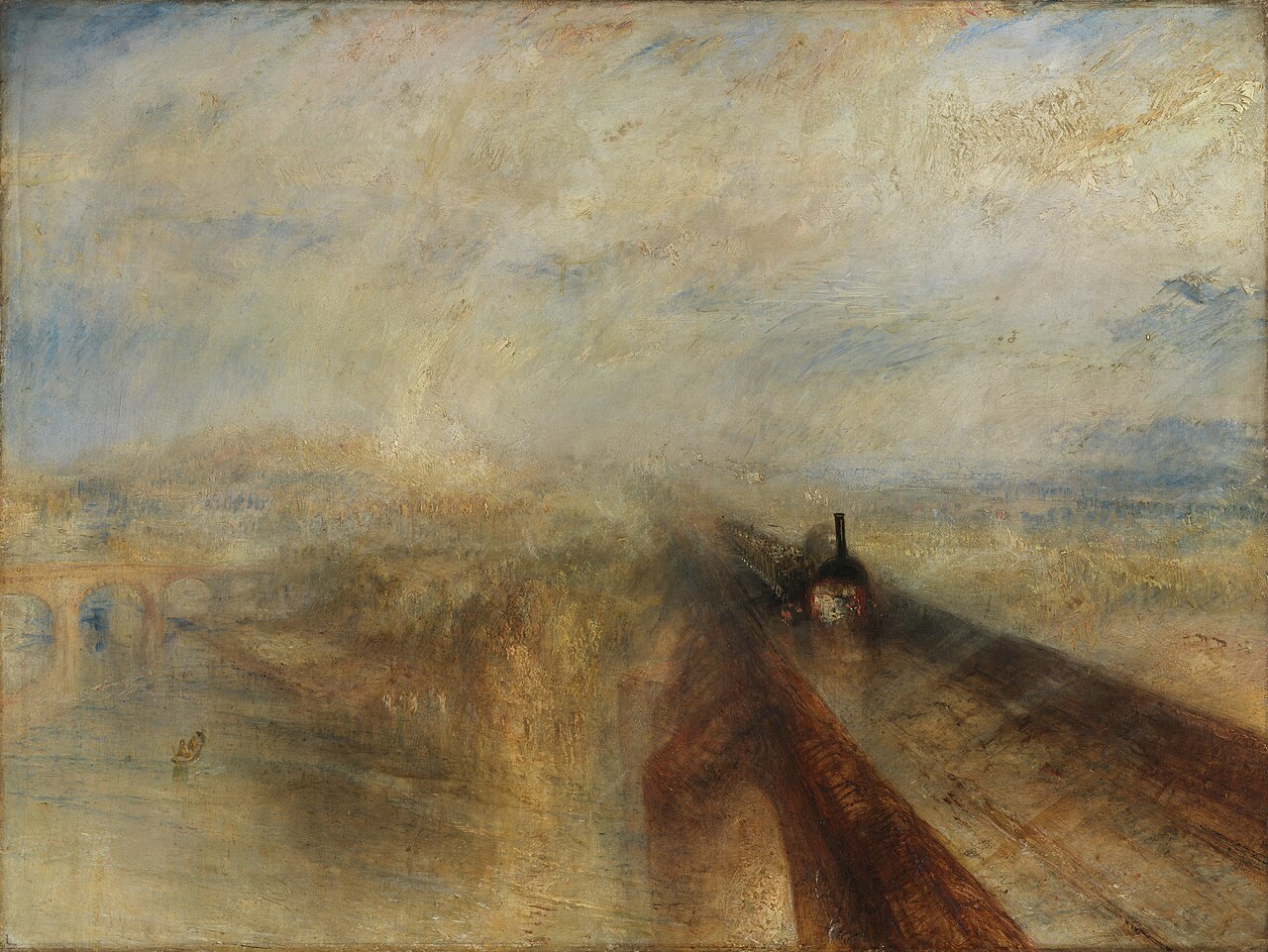 Painting
Secondary source
Rain, Steam and Speed – The Great Western Railway
J. M. W. Turner · 1844
 Painting
Secondary source
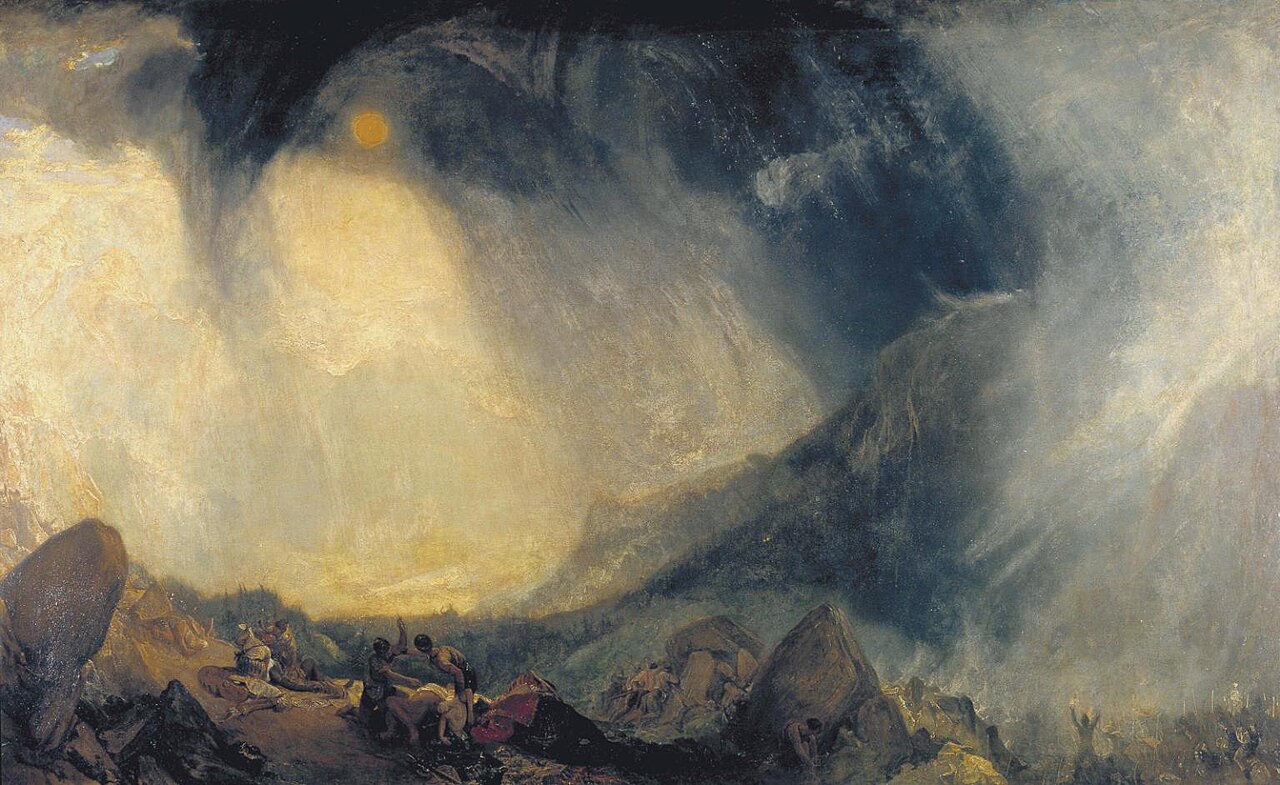
Snow Storm: Hannibal and his Army Crossing the Alps
J. M. W. Turner · 1812
 Painting
Primary source
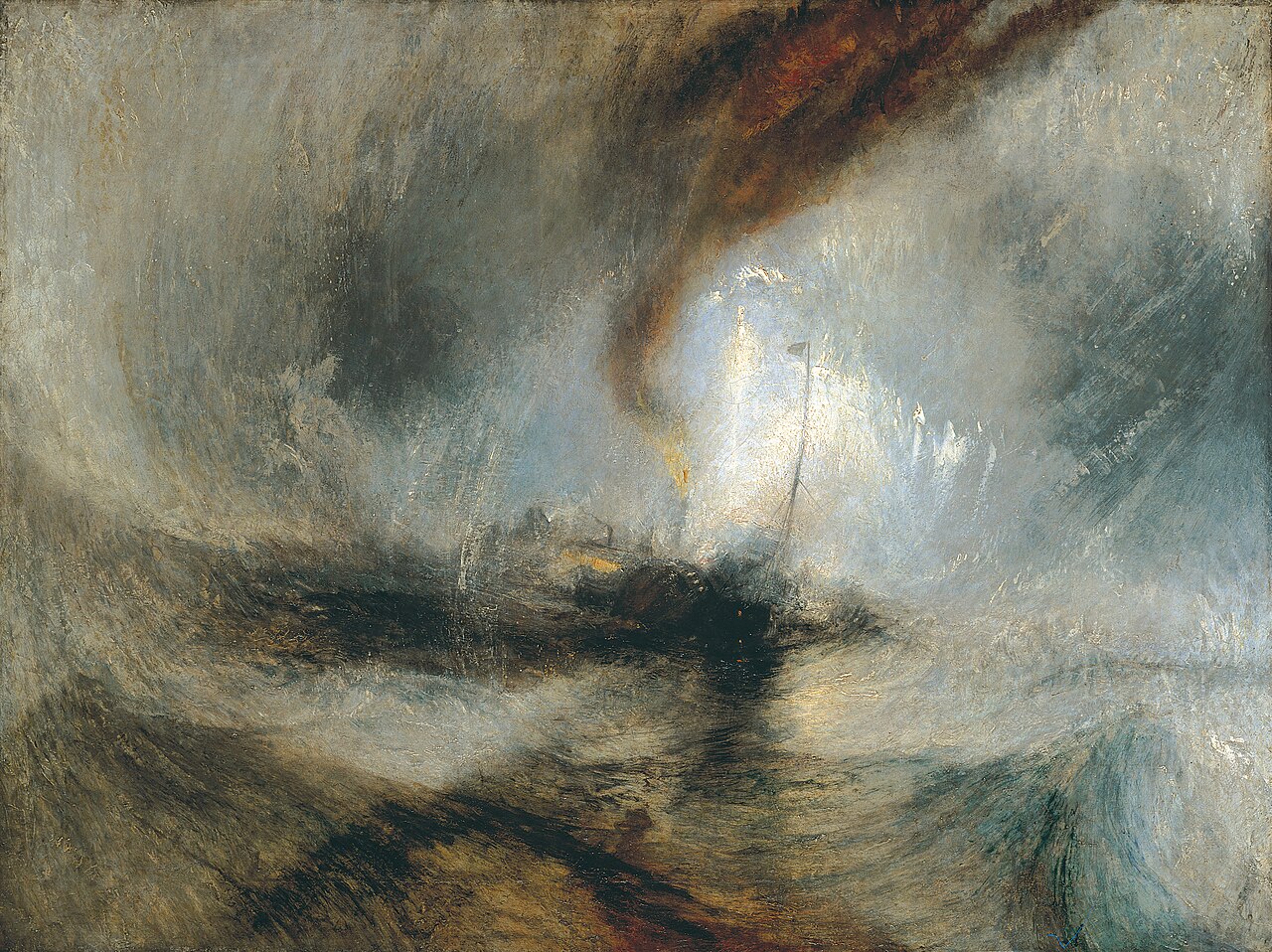
Snow Storm: Steam-Boat off a Harbour's Mouth
J. M. W. Turner · 1842
 Artifact
Primary source
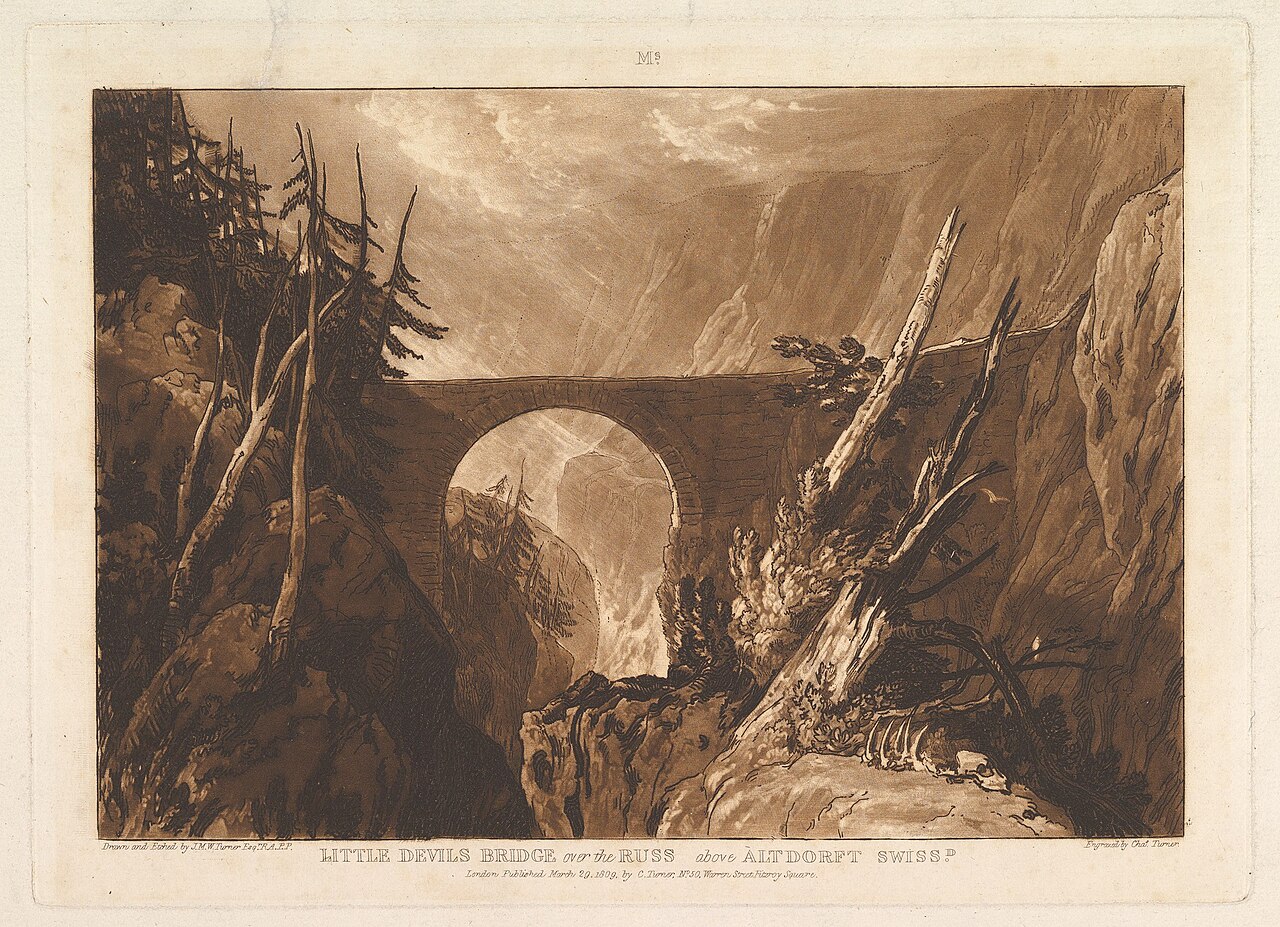
Liber Studiorum
J. M. W. Turner · 1807
Free account
Read every J. M. W. Turner source
Sign up free →
Ready when you are
Start chatting with J. M. W. Turner now.
20 messages free · No credit card · Available in 50+ languages.