


Primary sourceBook1901
The First Men in the Moon
H. G. Wells · 1901
Wells's 1901 science fiction novel about two Englishmen who travel to the Moon and discover an insect-like alien civilisation.
Wells's science fiction novel using a lunar voyage to satirise rigid specialisation in human society.
Free Humy account · No credit card · 120,288 sources to read
About this source
What it is
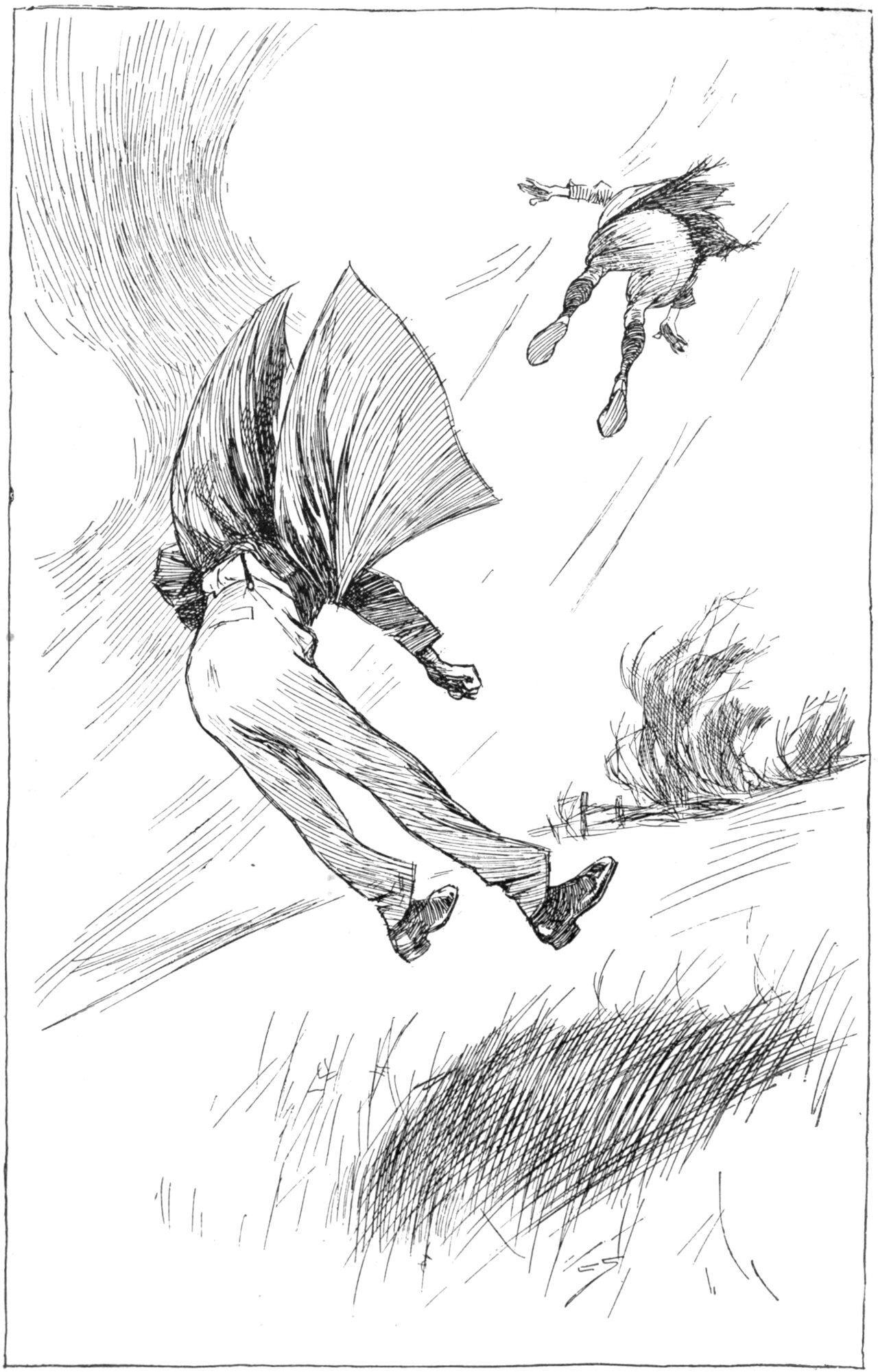
The First Men in the Moon is a 1901 science fiction novel by H. G. Wells, first serialised in magazines in Britain and the United States. It tells of businessman Mr. Bedford and scientist Mr. Cavor, who invent a gravity-blocking material and use it to travel to the Moon, where they find a hidden civilisation of insect-like beings called Selenites.
Why it matters
The novel is a major work in the history of science fiction about space travel, following in the tradition of Jules Verne. Beneath its adventure story lies a satire of rigid, specialised societies: the Selenites are strictly assigned to narrow roles for life. Wells later said he used the story to look at humanity from a distance and mock the effects of extreme specialisation, themes connected to his own political and social ideas.
Look closer
- What does the Selenite society suggest Wells feared or criticised about human social organisation?
- Why might Wells have chosen comic, ordinary characters like Bedford to tell such a fantastic story?
- How does this story compare with earlier tales of travel to the Moon?
This book is part of the curated material that grounds the AI version of H. G. Wells on Humy.ai — when students ask about related events, the AI can quote it and cite it.
More H. G. Wells sources
Browse all 88 → Book
Primary source
The Time Machine
H. G. Wells · 1895
 Book
Primary source
The Invisible Man
H. G. Wells · 1897
 Book
Primary source
The Island of Dr Moreau
H. G. Wells · 1895
 Documentary
Secondary source
The War of the Worlds (1938 radio broadcast)
Orson Welles / Mercury Theatre on the Air (CBS) · 30 October 1938


Free account
Read every H. G. Wells source
Sign up free →
Ready when you are
Start chatting with H. G. Wells now.
20 messages free · No credit card · Available in 50+ languages.