


Secondary sourceBook1924
The Gift of Black Folk, Chapter VI
W. E. B. Du Bois · 1924
A chapter from W. E. B. Du Bois's 1924 book describing Harriet Tubman's rescues and Civil War service.
Du Bois cites Tubman's rescues and wartime service as an example of Black women's historic resistance.
About this source
What it is
This is a chapter from The Gift of Black Folk, a 1924 book by W. E. B. Du Bois about the contributions of Black Americans to the nation. In it, Du Bois discusses Harriet Tubman as an example of Black women's resistance, noting that she was illiterate and worked from 1849 through the Civil War.
Why it matters
Written by a major Black scholar and activist, this passage places Tubman within a larger history of Black women's struggle and contribution to American democracy. It shows how her story was used to argue for the importance of Black Americans' role in shaping the nation.
Look closer
- Why does Du Bois mention that Tubman was illiterate?
- What point is Du Bois trying to make by including Tubman's story in a book about Black contributions to America?
- What does this passage suggest about how Tubman's legacy was being used decades after her rescues?
This book is part of the curated material that grounds the AI version of Harriet Tubman and Sojourner Truth on Humy.ai — when students ask about related events, the AI can quote it and cite it.
More Harriet Tubman sources
Meet the AI Harriet Tubman →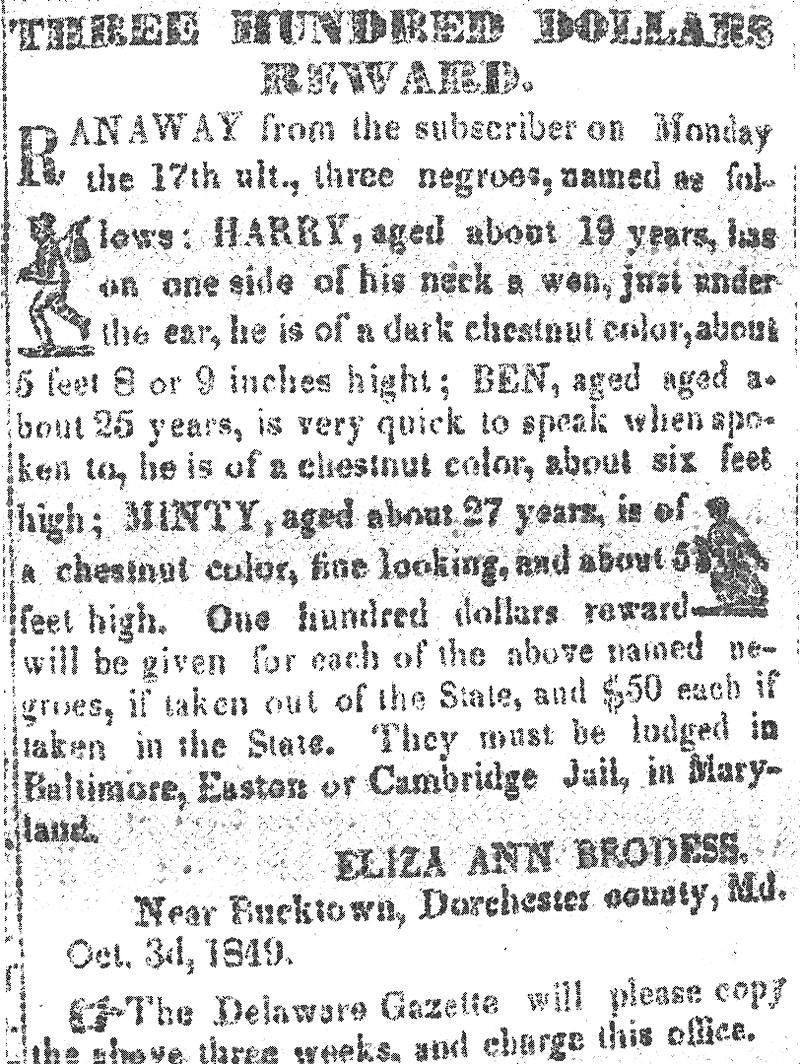 Newspaper article
Primary source
Three Hundred Dollars Reward Notice
Eliza Ann Brodess · 3 October 1849
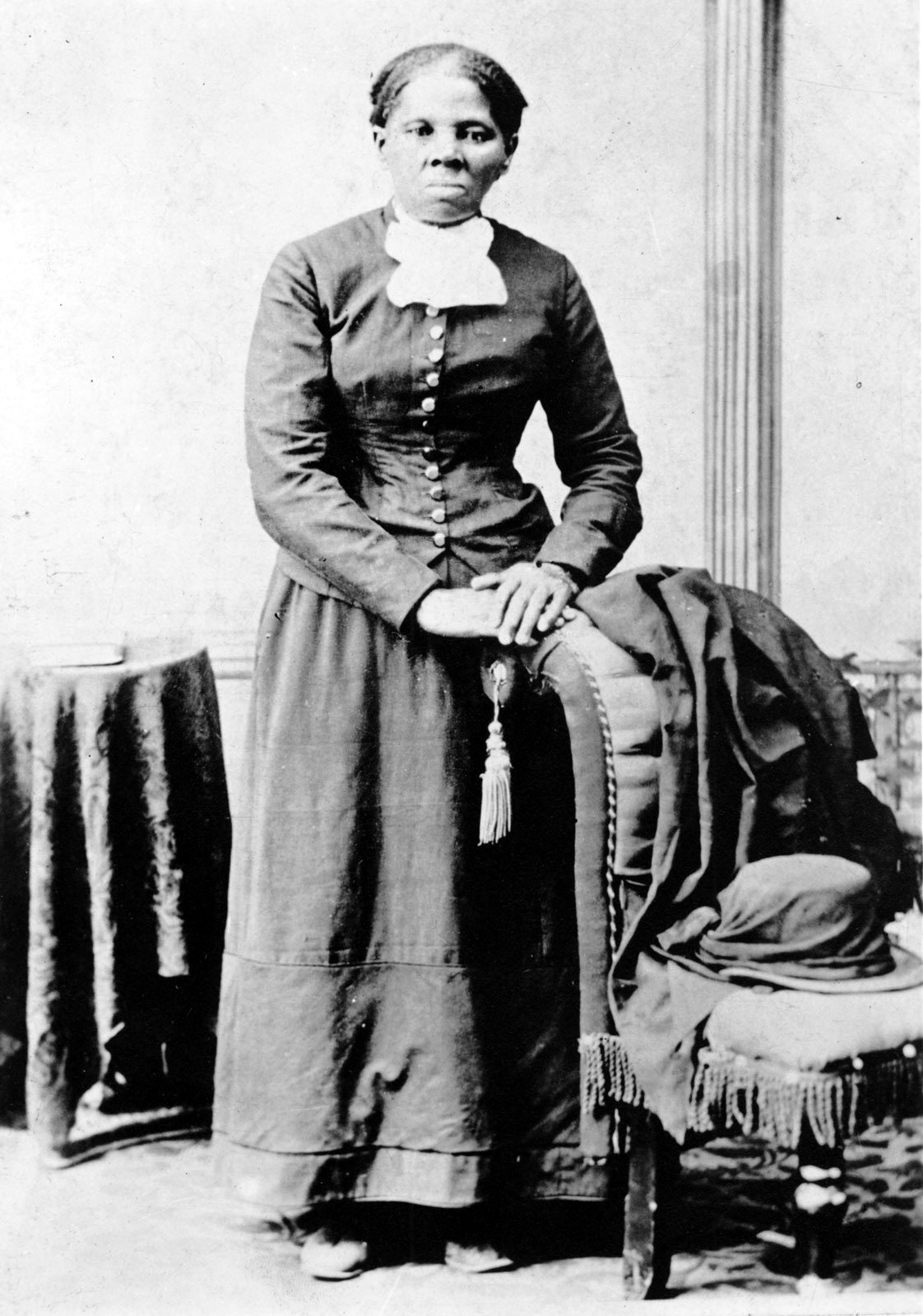 Photograph
Primary source
Harriet Tubman
Harvey B. Lindsley · c. 1871-1876
 Book
Secondary source
Harriet, the Moses of Her People
Sarah Bradford · 1886
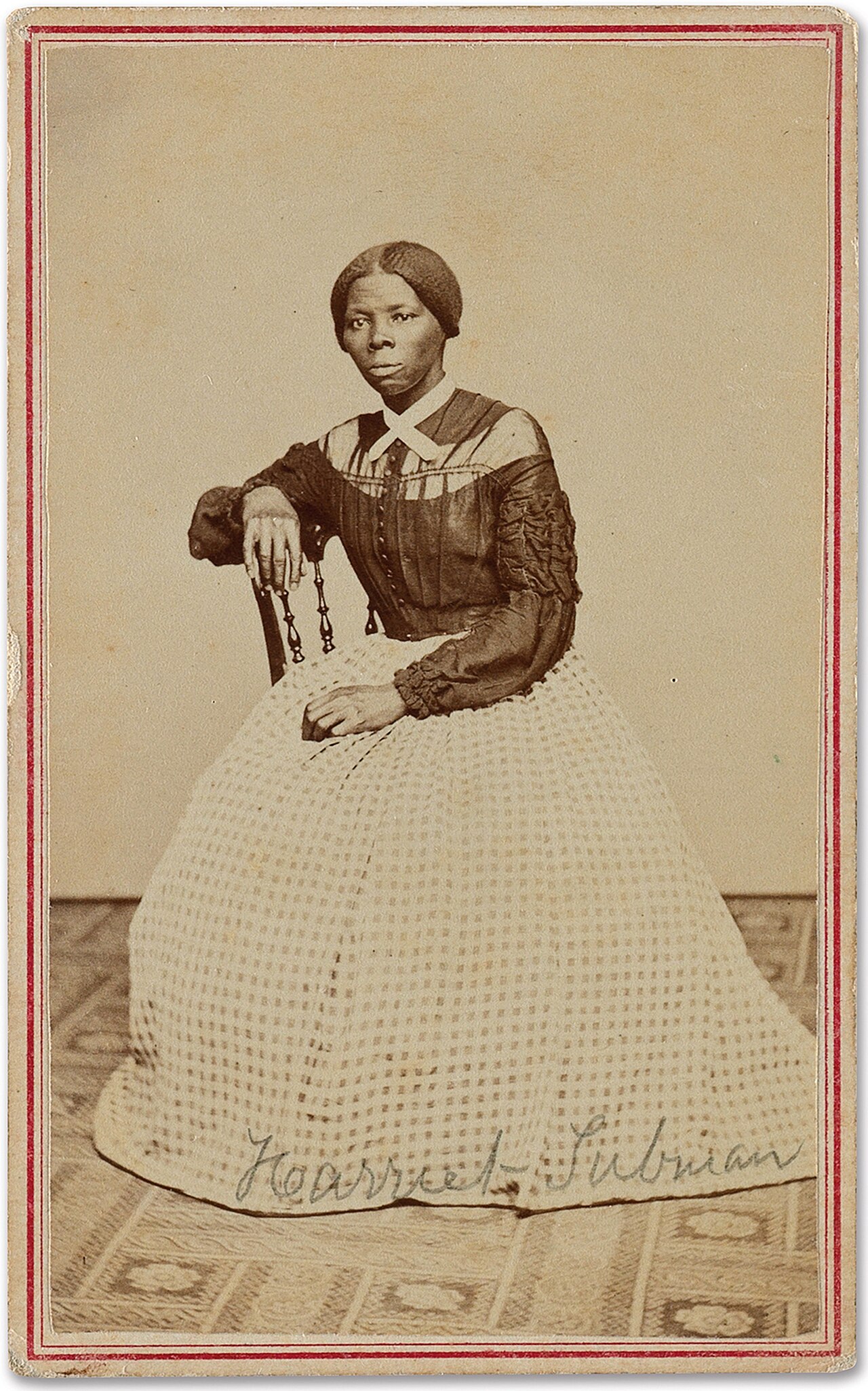 Photograph
Primary source
Carte-de-visite Portrait of Harriet Tubman
Benjamin Powelson · c. 1868-1869
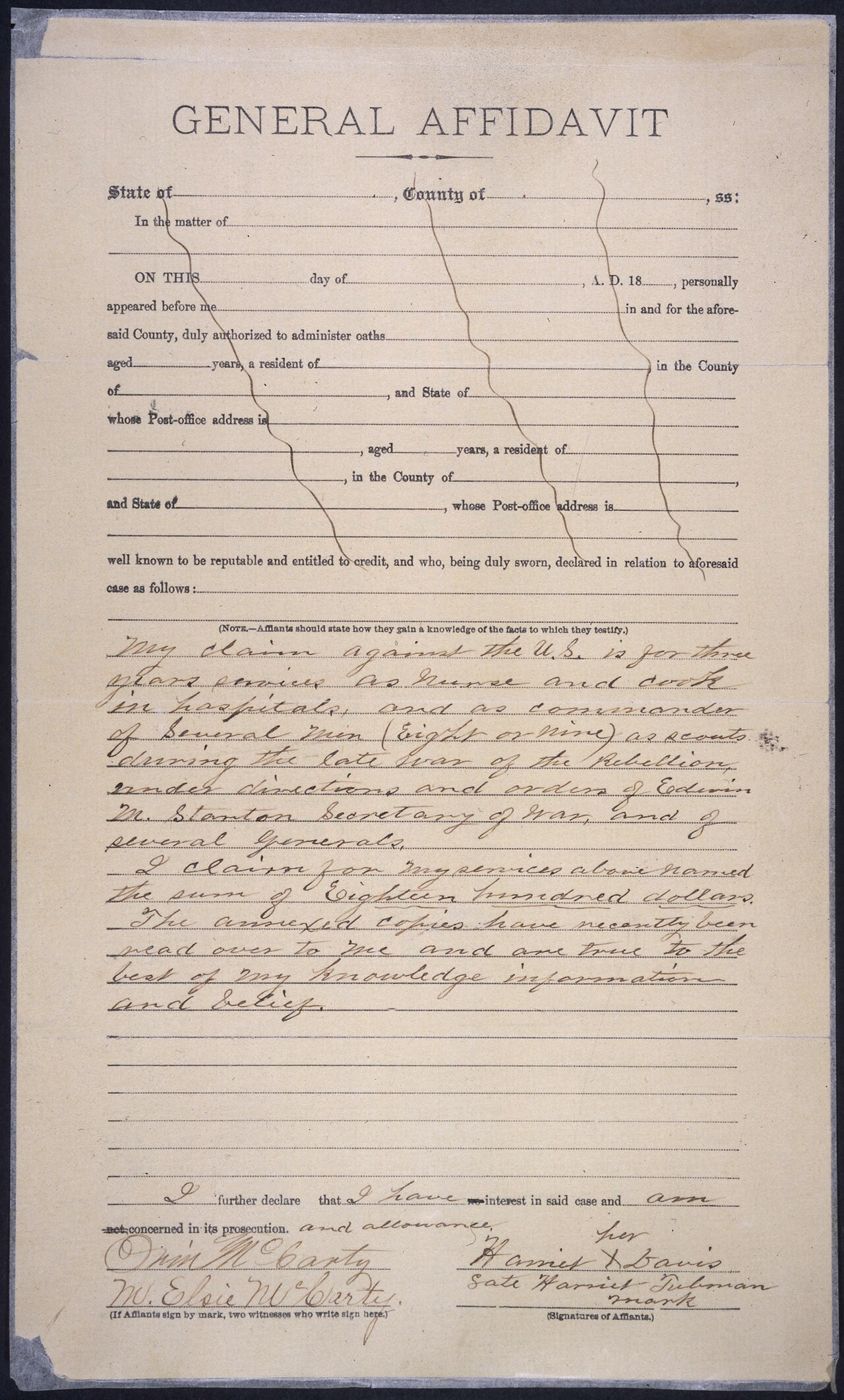 Document
Primary source
General Affidavit of Harriet Tubman
Harriet Tubman · 1898
Ready when you are
Start chatting with Harriet Tubman now.
20 messages free · No credit card · Available in 50+ languages.