


Primary sourceBook26 October 1919
The Gods of the Copybook Headings
Rudyard Kipling · 26 October 1919
A 1919 poem by Kipling expressing disillusionment after the First World War, contrasting old proverbial wisdom with modern political fashions.
Kipling wrote this poem in 1919, reflecting his conservative disillusionment after the First World War.
Free Humy account · No credit card · 120,912 sources to read
About this source
What it is
The Gods of the Copybook Headings is a poem by Rudyard Kipling, first published in the Sunday Pictorial in London on 26 October 1919. It contrasts the 'Gods of the Copybook Headings' — eternal truths once copied as proverbs by schoolchildren — with the 'Gods of the Market-Place', representing fashionable but, in Kipling's view, naïve modern ideas.
Why it matters
Written after the First World War, the poem reflects Kipling's souring view of European society and politics, touching on disarmament, feminism and socialism through veiled references. It has remained widely quoted in political argument ever since, admired by later writers such as T. S. Eliot, who included it in a 1941 collection of Kipling's verse.
Look closer
- What does Kipling mean by 'copybook headings', and why does he use them as a symbol?
- Why might a poem about old proverbs be read as a political statement?
- How does the poem's tone reveal Kipling's feelings about the years after the war?
This book is part of the curated material that grounds the AI version of Rudyard Kipling on Humy.ai — when students ask about related events, the AI can quote it and cite it.
More Rudyard Kipling sources
Browse all 93 →
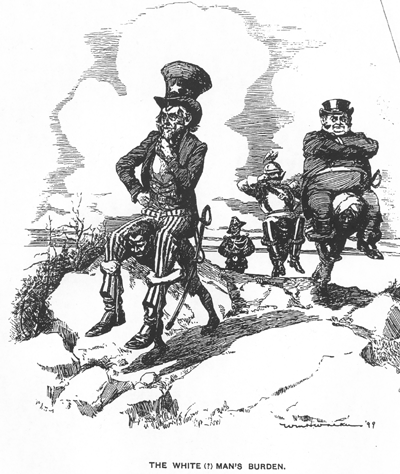
Ready when you are
Start chatting with Rudyard Kipling now.
20 messages free · No credit card · Available in 50+ languages.