


Primary sourceBook1931
The Good Earth
Pearl S. Buck · 1931
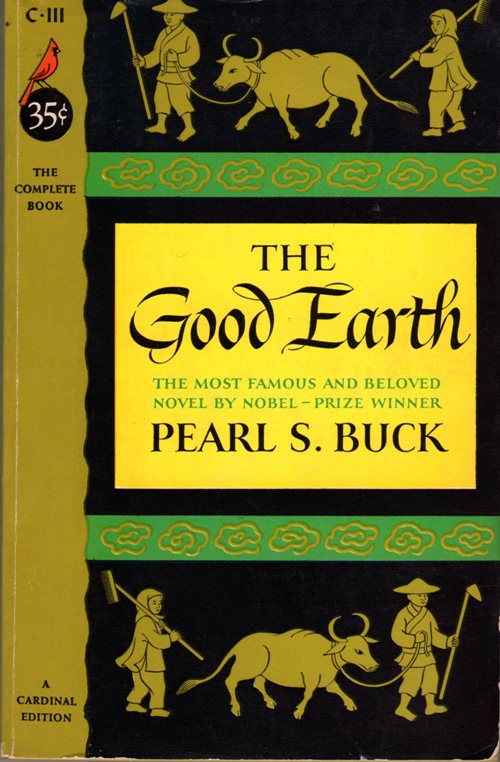
Pearl S. Buck's 1931 Pulitzer-winning novel about a Chinese peasant family, which shaped how many Americans pictured rural China.
This is Buck's best-known novel, the work that made her famous and helped win her the Nobel Prize.
About this source
What it is
The Good Earth is a novel by Pearl S. Buck, published in 1931. It tells the story of the farmer Wang Lung and his wife O-Lan across good years and famine. It was the best-selling American novel of 1931 and 1932 and won the Pulitzer Prize for Fiction in 1932.
Why it matters
Buck grew up in China as the child of American missionaries and drew on what she had seen of village life there. The book gave American readers a sympathetic view of Chinese farmers at a time when few had any direct knowledge of China, and it helped build the reputation that led to her winning the Nobel Prize in Literature in 1938. It later inspired a Broadway play and a Hollywood film.
Look closer
- What does the cover illustration choose to show, and what impression does it create of China?
- Why might an American writer's picture of a Chinese village have shaped public opinion so strongly?
- What might this story leave out about the realities of Chinese life at the time?
This book is part of the curated material that grounds the AI version of Pearl S. Buck on Humy.ai — when students ask about related events, the AI can quote it and cite it.
More Pearl S. Buck sources
Meet the AI Pearl S. Buck → Documentary
Secondary source
Dragon Seed
Herbert Stothart · 1944
 Photograph
Primary source
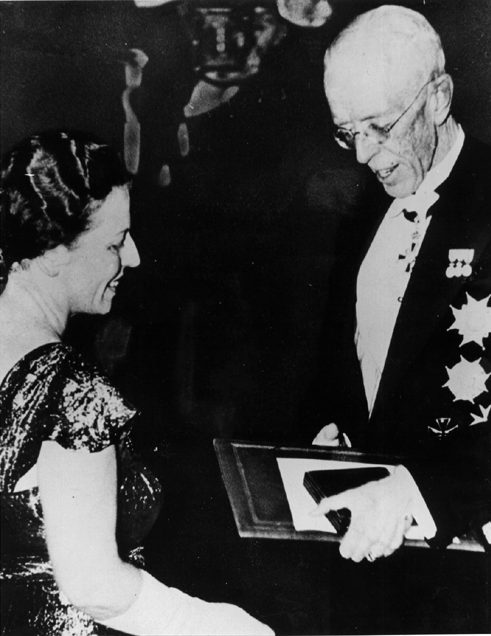
Pearl Buck Receiving the Nobel Prize from King Gustav V
Unknown author · 1938
 Photograph
Primary source
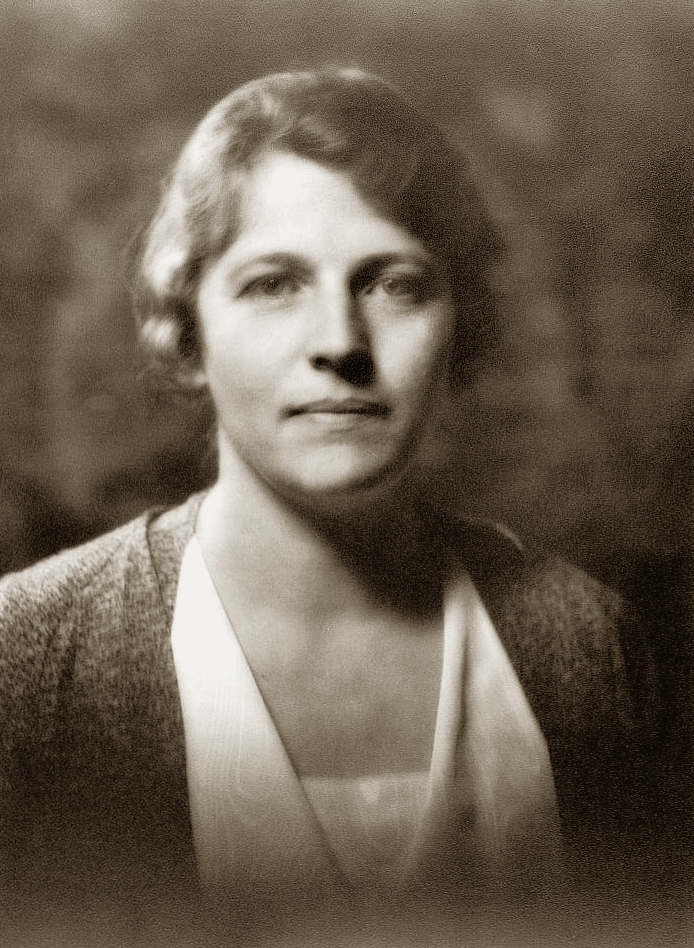
Portrait of Pearl Buck by Arnold Genthe
Arnold Genthe · early 1930s
 Book
Primary source
The Big Wave
Pearl S. Buck · 1948
 Photograph
Primary source
Portrait of Pearl S. Buck (Library of Congress)
Arnold Genthe · early 1930s
Ready when you are
Start chatting with Pearl S. Buck now.
20 messages free · No credit card · Available in 50+ languages.