


Primary sourceDocumentJune 1889
The Gospel of Wealth
Andrew Carnegie · June 1889
Carnegie's 1889 essay arguing the rich must responsibly give away their fortunes for the public good.
Carnegie's own essay laying out his philosophy that the rich should give away their fortunes while alive.
About this source
What it is
"Wealth," better known as The Gospel of Wealth, is an essay written by Andrew Carnegie in June 1889 and published in the North American Review, later reprinted in The Pall Mall Gazette.
Why it matters
Carnegie argues that surplus fortunes should be administered by the wealthy themselves during their lifetimes, rather than left to heirs or even charities, to best benefit society. Written at the height of Gilded Age inequality, it became the founding text of modern philanthropy and shaped how later rich Americans thought about giving.
Look closer
- Why does Carnegie think inherited wealth is dangerous?
- How does he justify extreme inequality while also criticizing it?
- What does the essay leave out about the workers who created his fortune?
This document is part of the curated material that grounds the AI version of Andrew Carnegie on Humy.ai — when students ask about related events, the AI can quote it and cite it.
More Andrew Carnegie sources
Meet the AI Andrew Carnegie → Book
Primary source
The Autobiography of Andrew Carnegie
Andrew Carnegie · 1920 (published posthumously)
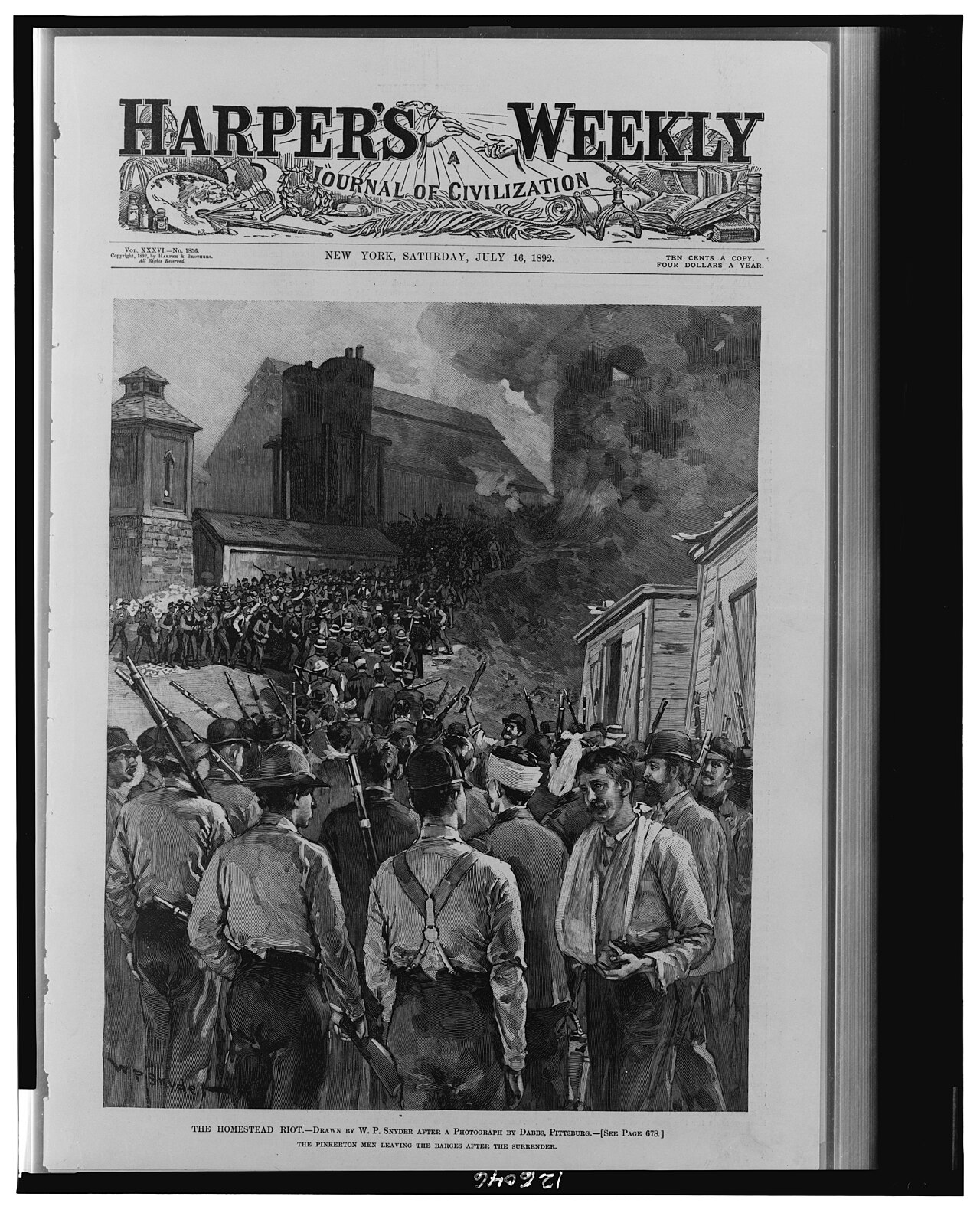 Newspaper article
Primary source
The Homestead Riot
W. P. Snyder · 16 July 1892
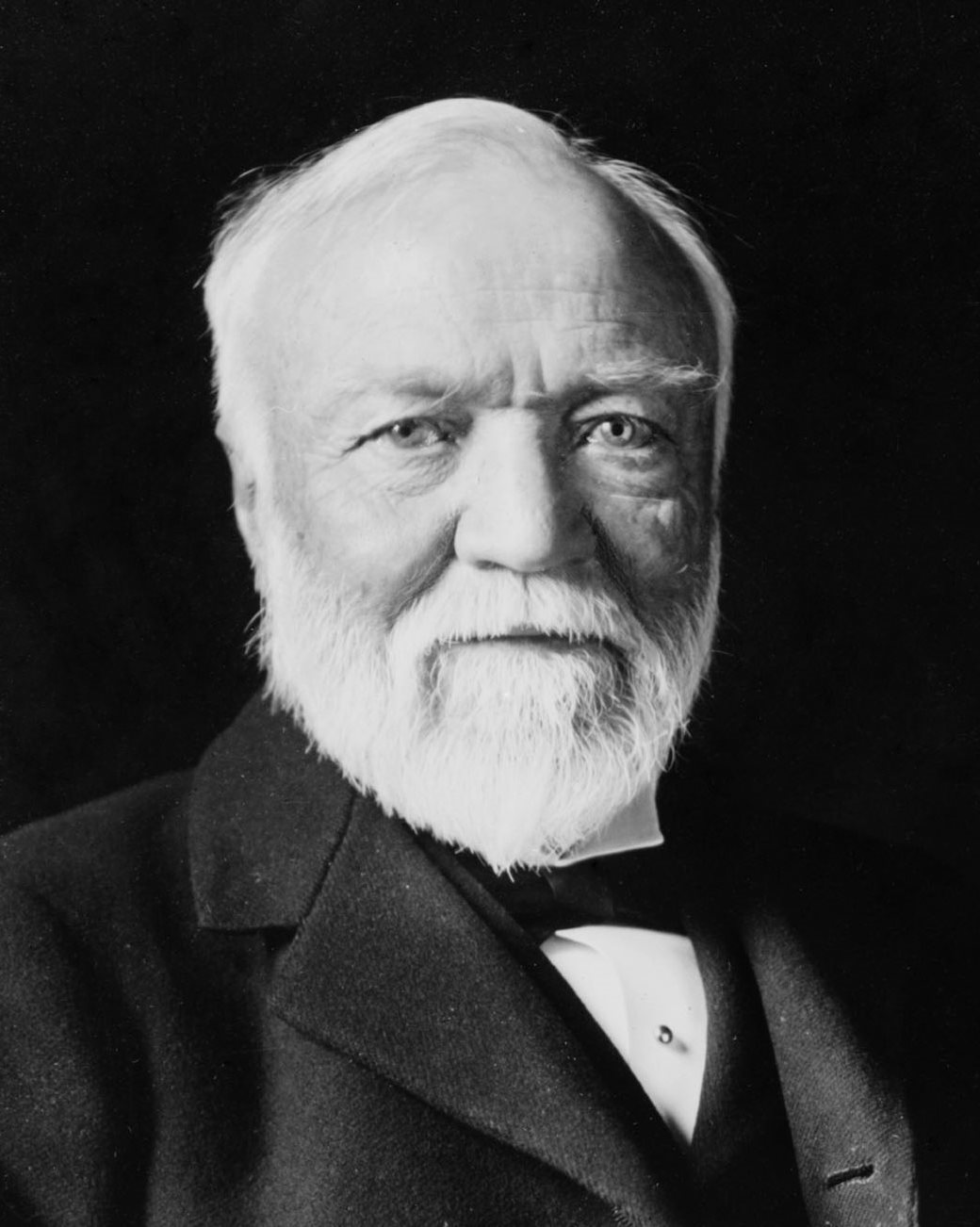 Photograph
Primary source
Portrait of Andrew Carnegie
1913
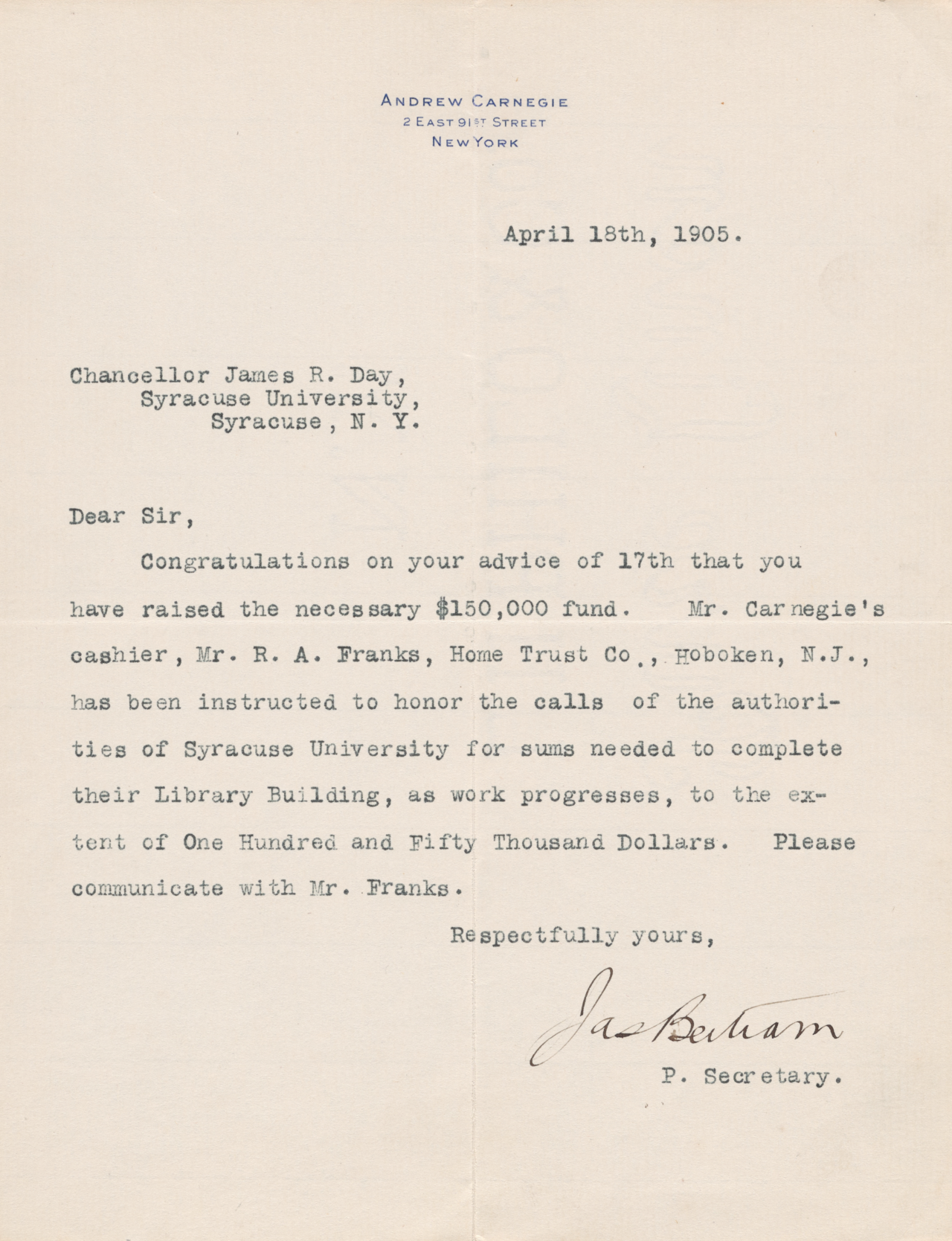 Letter
Primary source
Andrew Carnegie Papers
Andrew Carnegie · 18 April 1905
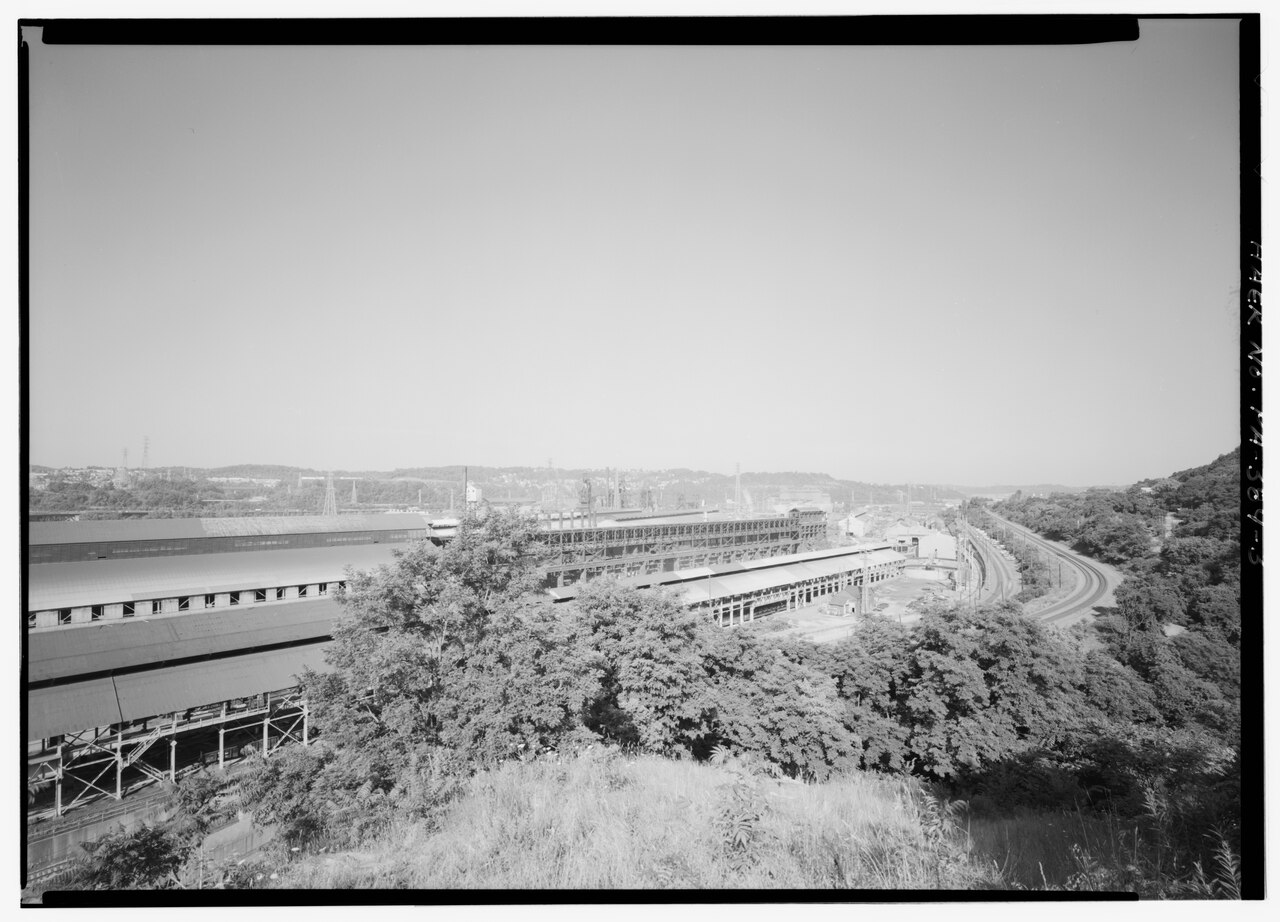 Artifact
Primary source
Edgar Thomson Steel Works
Carnegie, McCandless & Co. · 1872–1875
Ready when you are
Start chatting with Andrew Carnegie now.
20 messages free · No credit card · Available in 50+ languages.