


Primary sourceBook1835
The Gray Champion
Nathaniel Hawthorne · 1835
An 1835 short story by Nathaniel Hawthorne set in Boston in 1689, in which a mysterious old Puritan confronts the hated governor Edmund Andros.
Hawthorne used this patriotic-style legend of colonial resistance to reflect on New England's past and its heroes.
About this source
What it is
'The Gray Champion' is a short story published in 1835 by Nathaniel Hawthorne. It is set in Boston in 1689, when rumors of a coup in England encouraged colonists to resist Sir Edmund Andros, the royal governor. An old man in Puritan dress steps into the path of Andros's soldiers and prophesies the end of his rule. The next day Andros is overthrown. The story draws on the Boston Uprising of 1689 and on the legend of the 'Angel of Hadley'.
Why it matters
Readers disagree about the story. Many have read it as a patriotic tale that praises both Puritans of the 1600s and revolutionaries of the 1700s as heroic freedom fighters. Since the 1960s, a growing number of critics have argued that Hawthorne meant it ironically, as a critique of Puritanism and of uncritical devotion to ancestors in American history writing. The tale connects New England resistance to royal power with later events such as the Boston Massacre and the battles of Lexington and Bunker Hill.
Look closer
- Who does the Gray Champion stand for, and how does the narrator want readers to feel about him?
- Does the story praise the Puritans, or does it hint at their faults?
- What does the story leave out about the people who were harmed by the colonists' own actions?
This book is part of the curated material that grounds the AI version of Nathaniel Hawthorne on Humy.ai — when students ask about related events, the AI can quote it and cite it.
More Nathaniel Hawthorne sources
Meet the AI Nathaniel Hawthorne →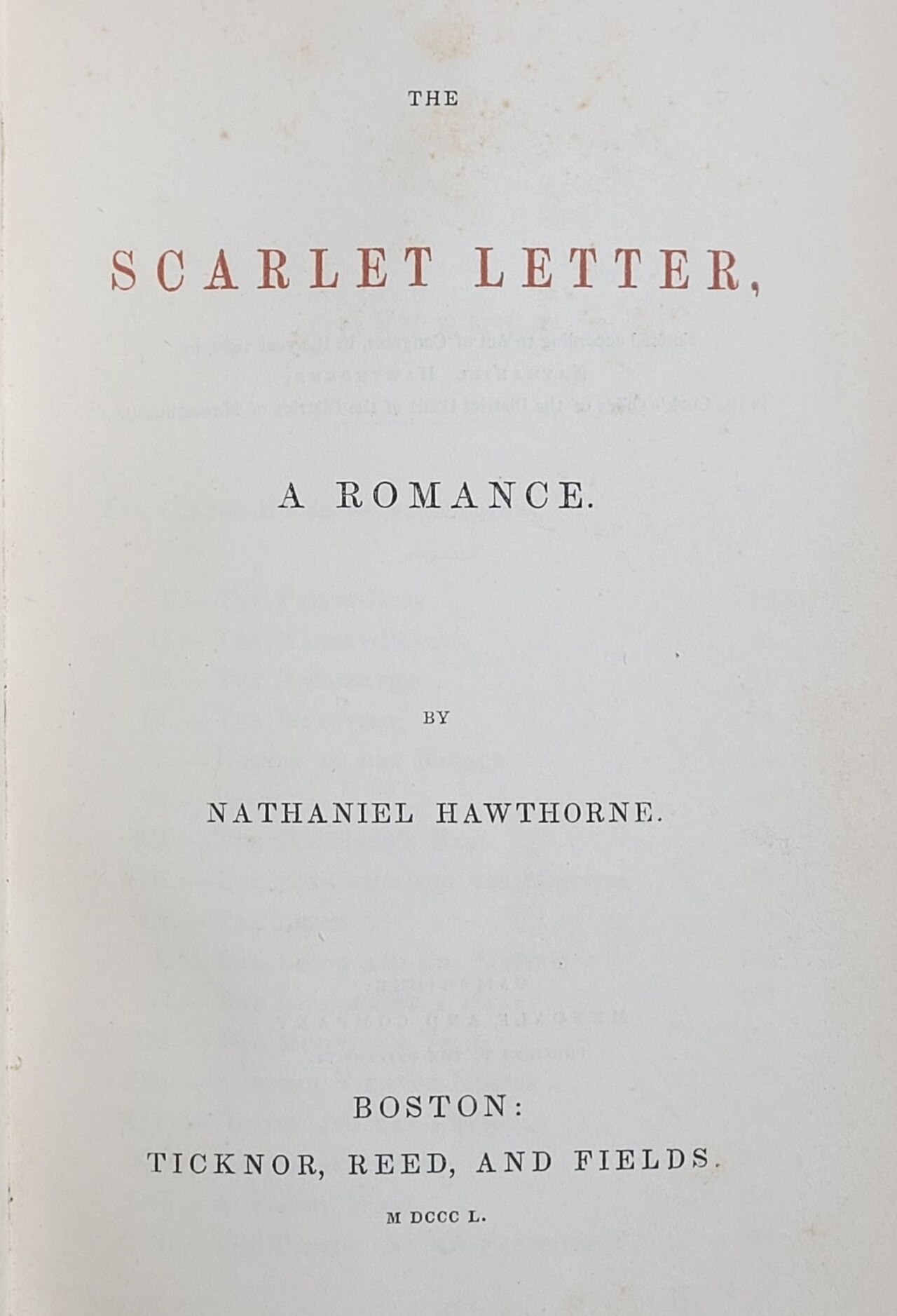 Book
Primary source
The Scarlet Letter
Nathaniel Hawthorne · 1850
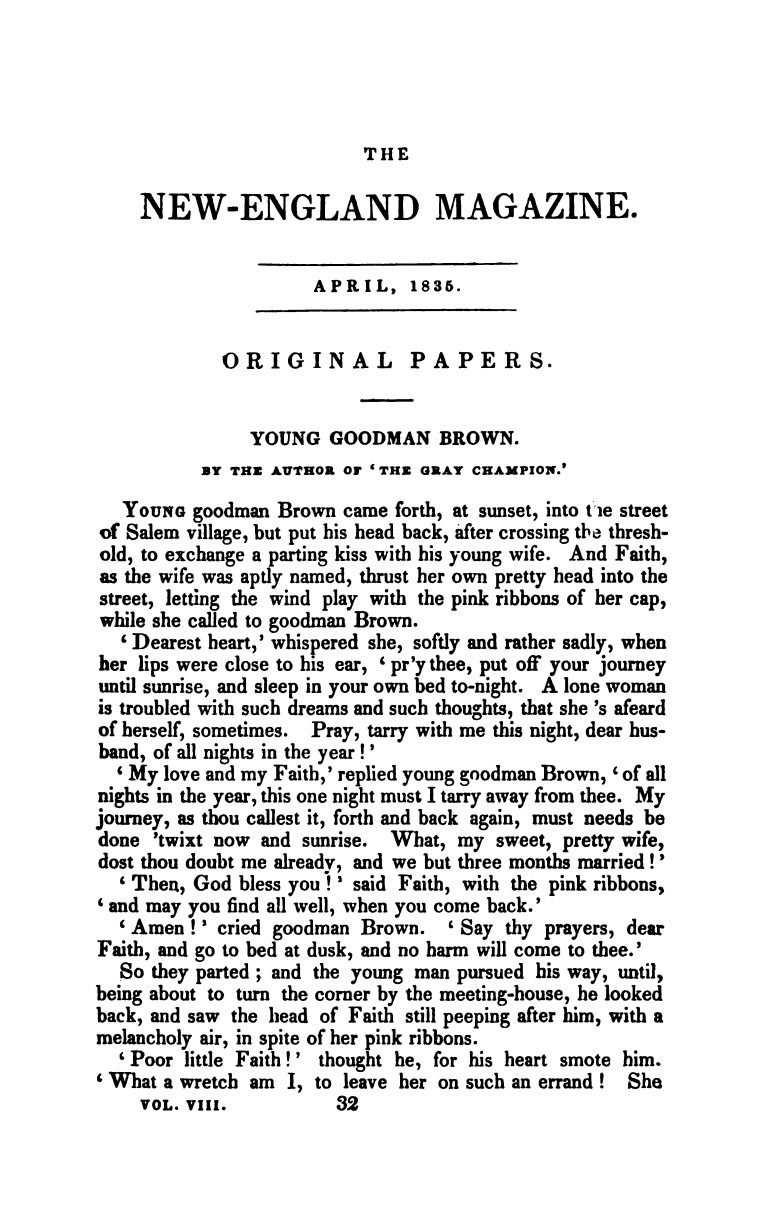 Book
Primary source
Young Goodman Brown
Nathaniel Hawthorne · 1835
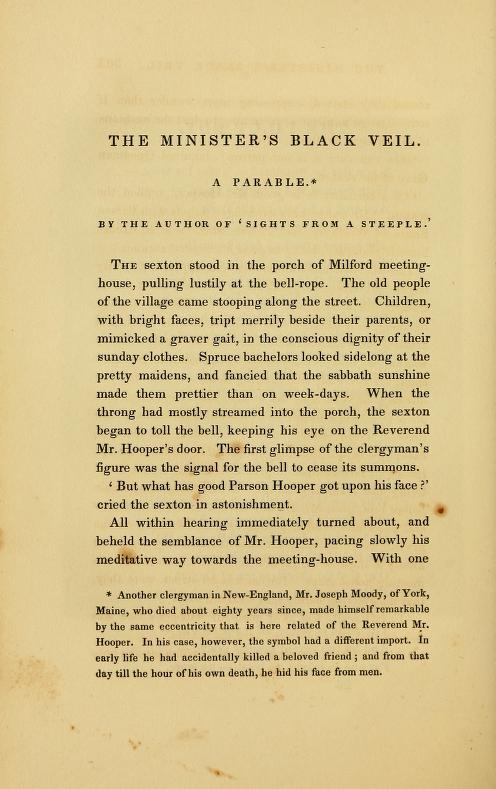 Book
Primary source
The Minister's Black Veil
Nathaniel Hawthorne · 1836
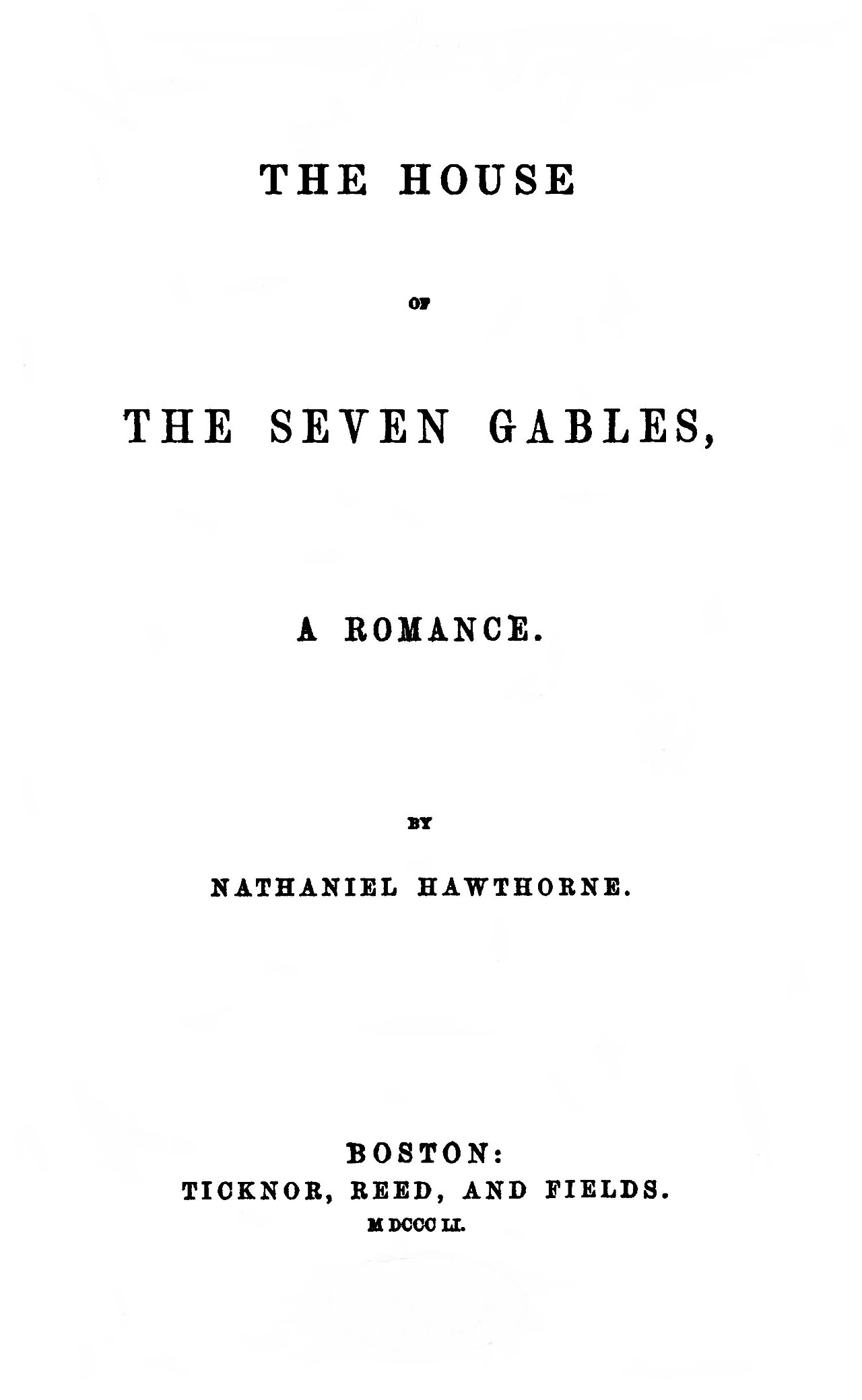 Book
Primary source
The House of the Seven Gables
Nathaniel Hawthorne · 1851
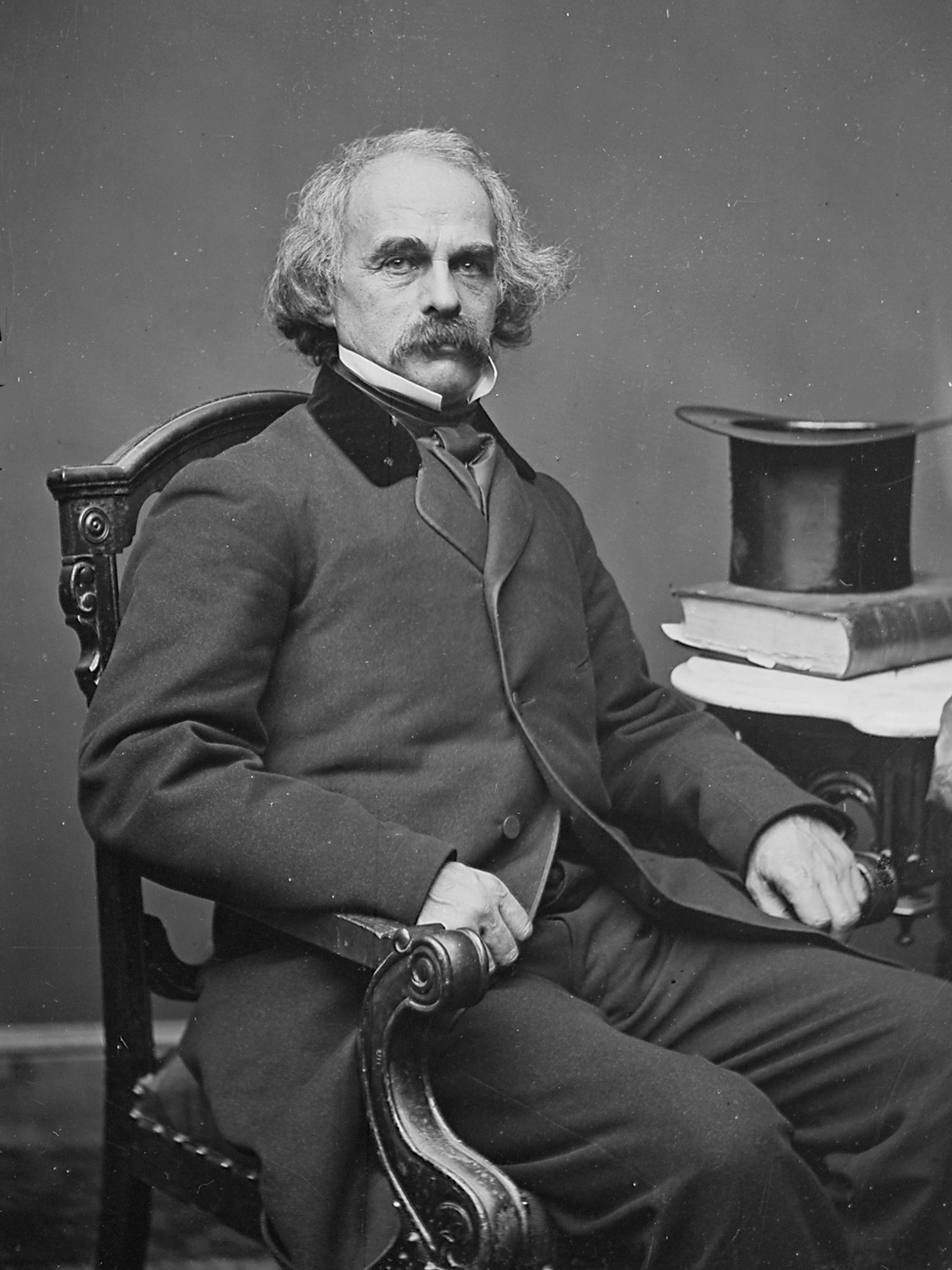 Photograph
Primary source
Portrait of Nathaniel Hawthorne
Ready when you are
Start chatting with Nathaniel Hawthorne now.
20 messages free · No credit card · Available in 50+ languages.