


Primary sourceBook1670
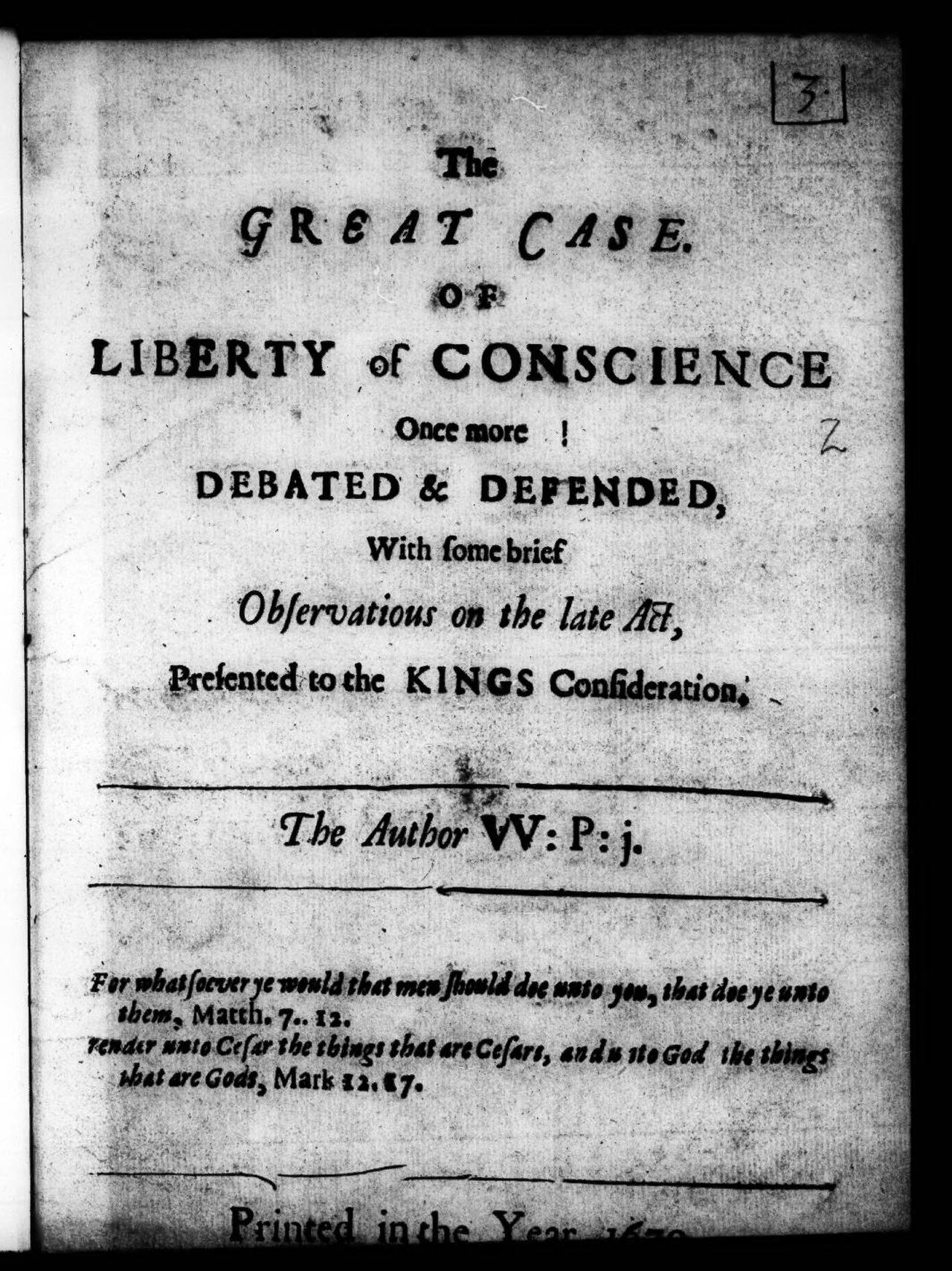
The Great Case of Liberty of Conscience
William Penn · 1670
William Penn's 1670 argument for religious toleration, laying the groundwork for the liberty of conscience later guaranteed in Pennsylvania.
Penn's own argument for religious toleration, which shaped the principles he later applied in founding Pennsylvania.
About this source
What it is
The Great Case of Liberty of Conscience is a work written by William Penn and published in 1670. In it, Penn argues against laws that persecute people for their religious beliefs.
Why it matters
Penn wrote this text at a time when dissenters like the Quakers faced legal persecution for their beliefs and worship. His arguments here laid the theoretical foundation for the guarantees of religious liberty he later built into the government of Pennsylvania. It shows how Penn connected his personal experience of persecution to a broader political philosophy.
Look closer
- What reasons does Penn give for why people should not be persecuted for their beliefs?
- Why might Penn have published this work at that particular moment?
- How does this text connect to Penn's later founding of Pennsylvania?
This book is part of the curated material that grounds the AI version of William Penn on Humy.ai — when students ask about related events, the AI can quote it and cite it.
More William Penn sources
Meet the AI William Penn →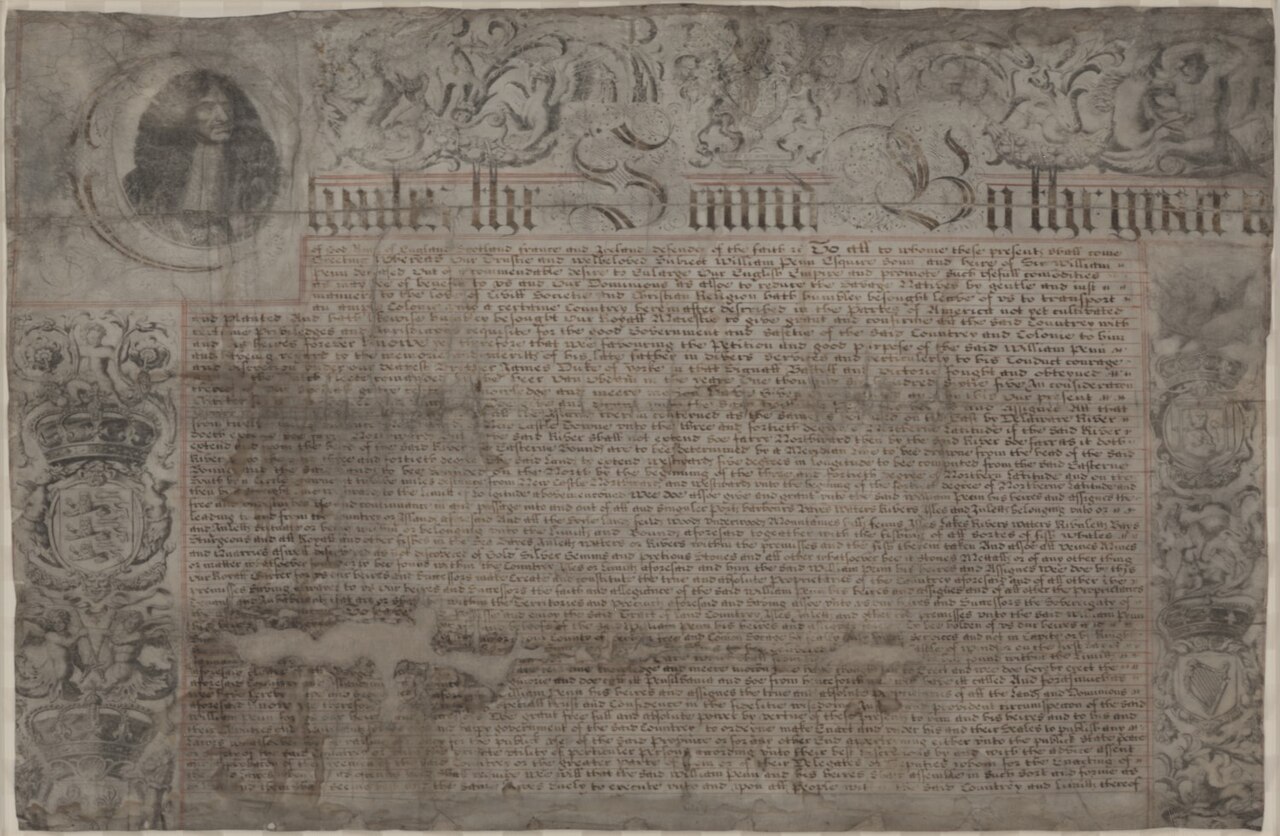 Document
Primary source
Charter for the Province of Pennsylvania
King Charles II of England · 4 March 1681
 Document
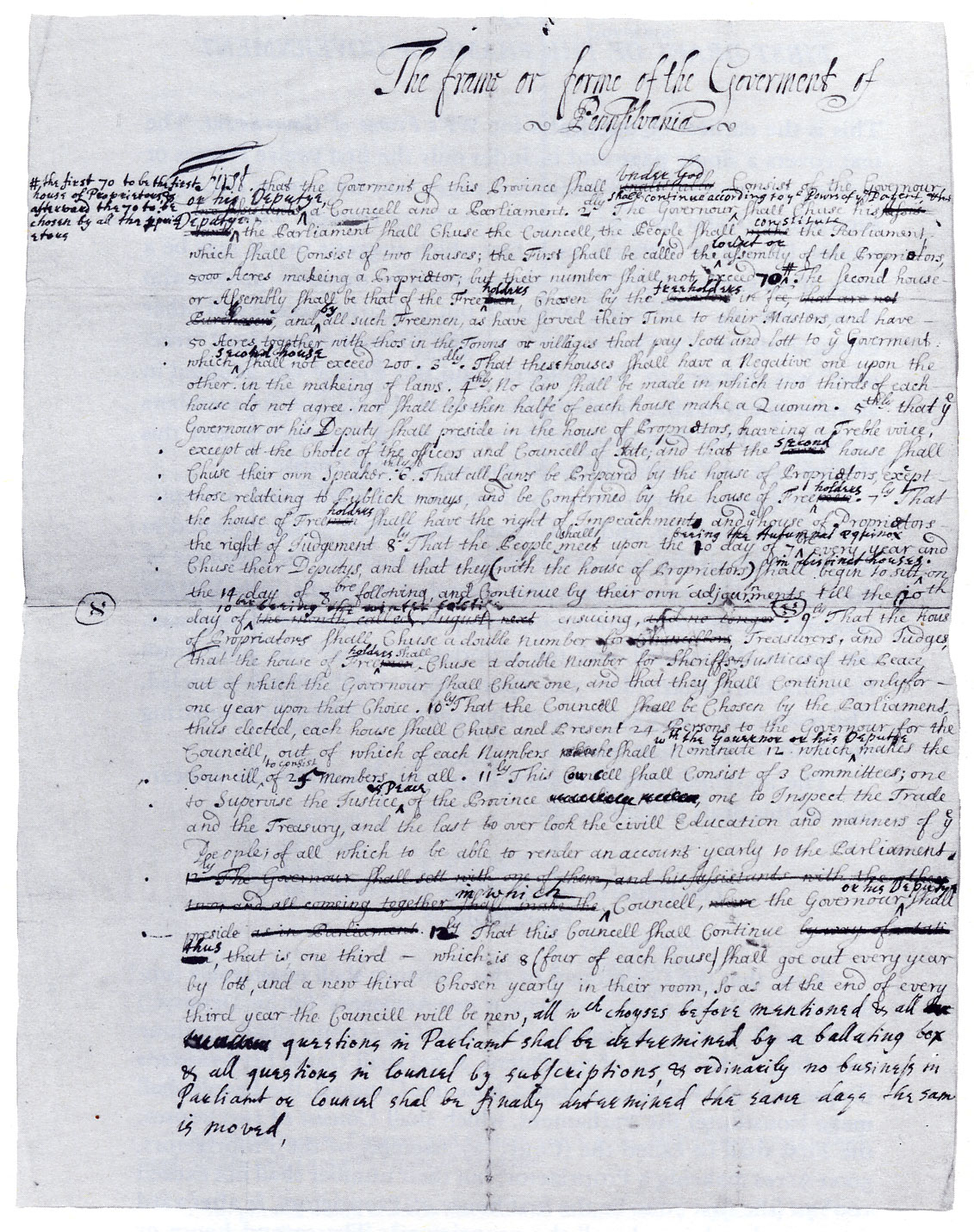
Primary source
Frame of Government of Pennsylvania
William Penn · 1682
 Document
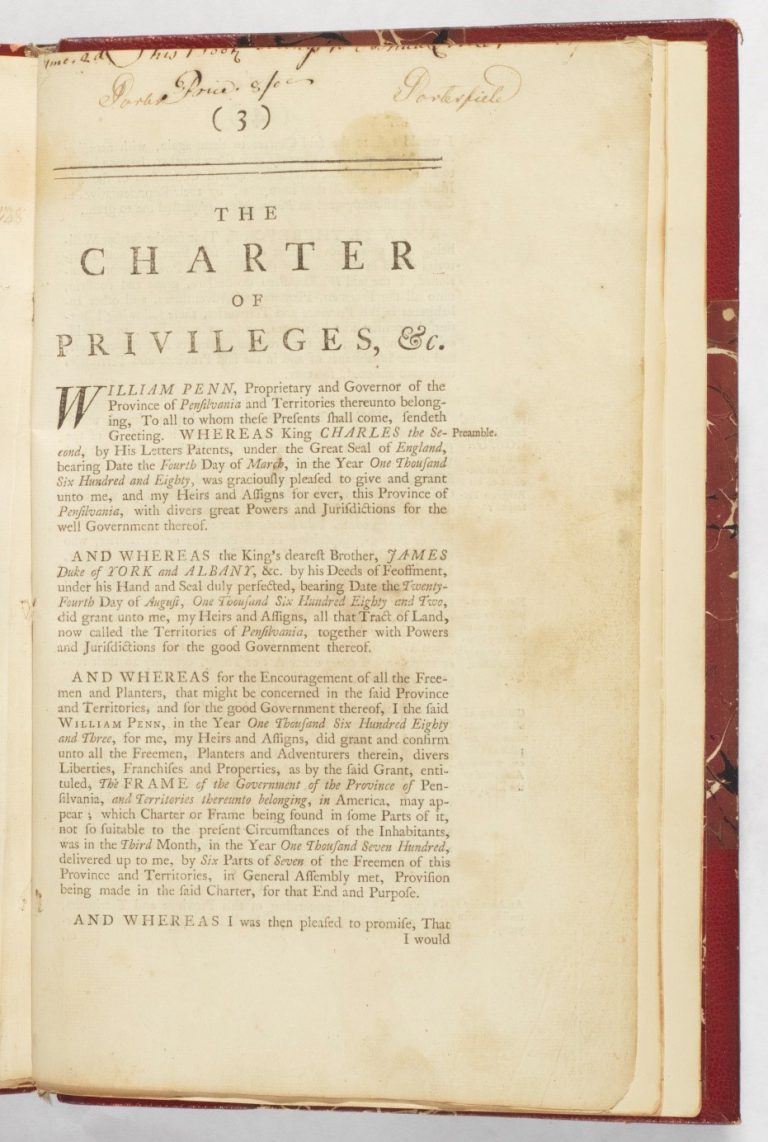
Primary source
Charter of Privileges
William Penn · 28 October 1701
 Artifact
Primary source
Wampum Belt Presented to William Penn at the Great Treaty
 Artifact
Primary source
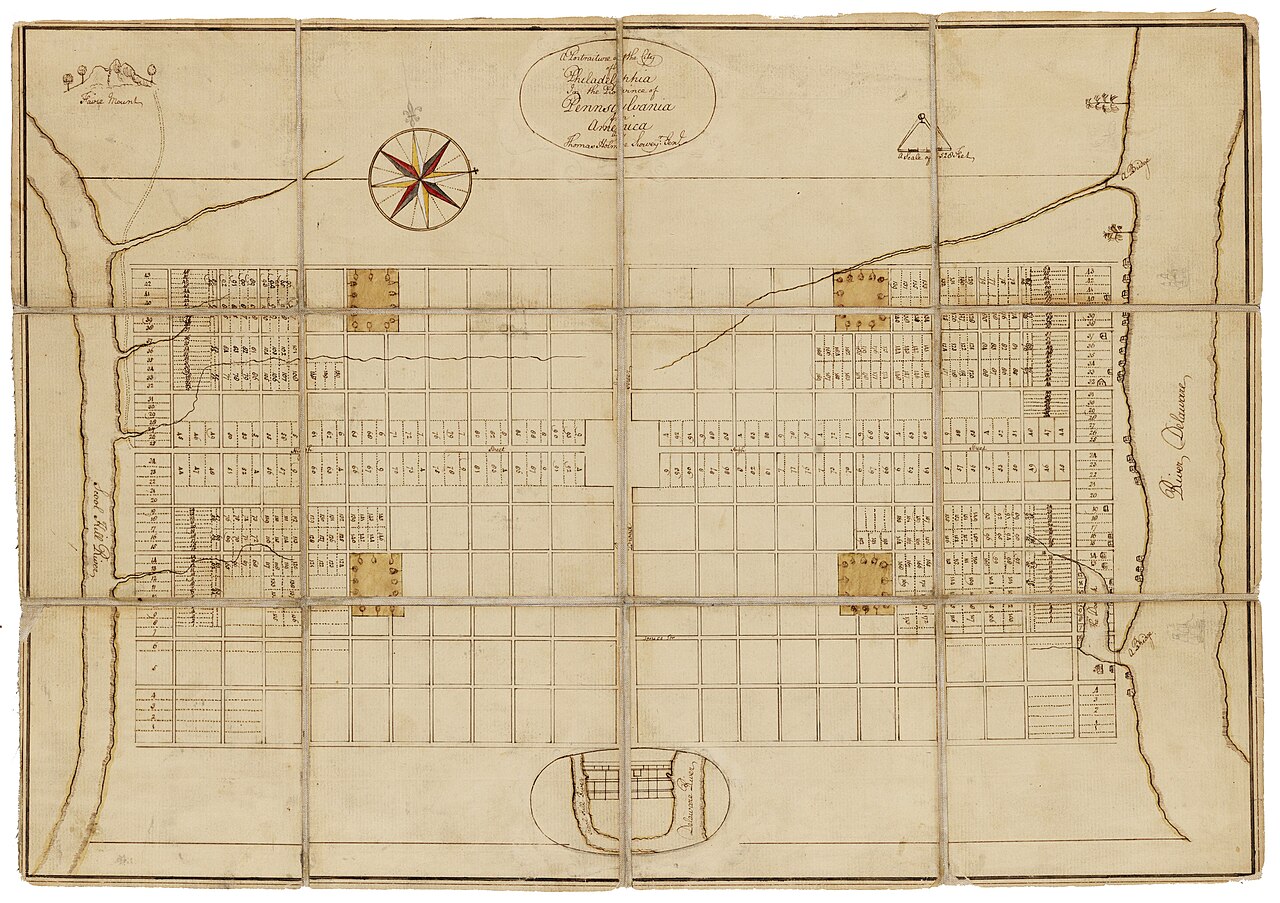
A Portraiture of the City of Philadelphia
Thomas Holme · 1683
Ready when you are
Start chatting with William Penn now.
20 messages free · No credit card · Available in 50+ languages.