


Secondary sourcePainting1817
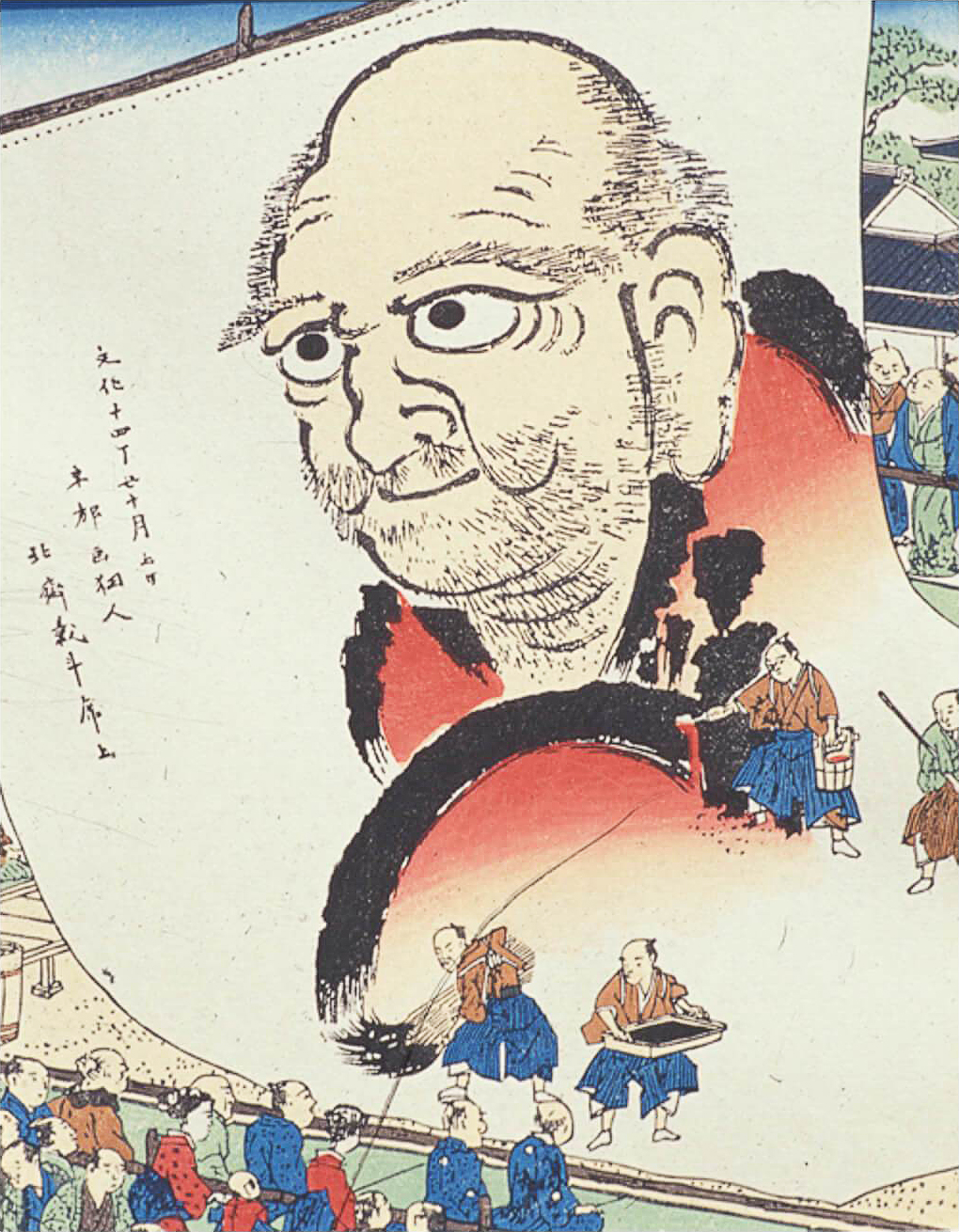
The Great Daruma
Katsushika Hokusai · 1817
A giant drawing of the Buddhist monk Daruma that Hokusai painted before a crowd in Nagoya in 1817; the original was later destroyed, but handbills survive.
Hokusai created this enormous public drawing of Daruma himself, showing his talent for dramatic spectacle.
About this source
What it is
In 1817 Hokusai created an enormous portrait of the monk Bodhidharma, known in Japan as Daruma, in a courtyard in Nagoya. The huge paper drawing measured many metres across and was hoisted up like a giant hanging scroll for the crowd to see. The original artwork was destroyed in the bombing of Nagoya in 1945, but promotional handbills survive, and the image here is a printed reproduction of the event.
Why it matters
This spectacle shows Hokusai's skill at public self-promotion as well as artistic ambition. The event brought him fame as 'Daruma-sen' and boosted sales of his prints, revealing how Edo-period artists needed showmanship as well as talent to build a career.
Look closer
- Why would Hokusai choose to paint in public rather than privately?
- What does the surviving reproduction tell us, since the original no longer exists?
- How did this event help Hokusai's reputation and business?
This painting is part of the curated material that grounds the AI version of Hokusai on Humy.ai — when students ask about related events, the AI can quote it and cite it.
More Hokusai sources
Meet the AI Hokusai →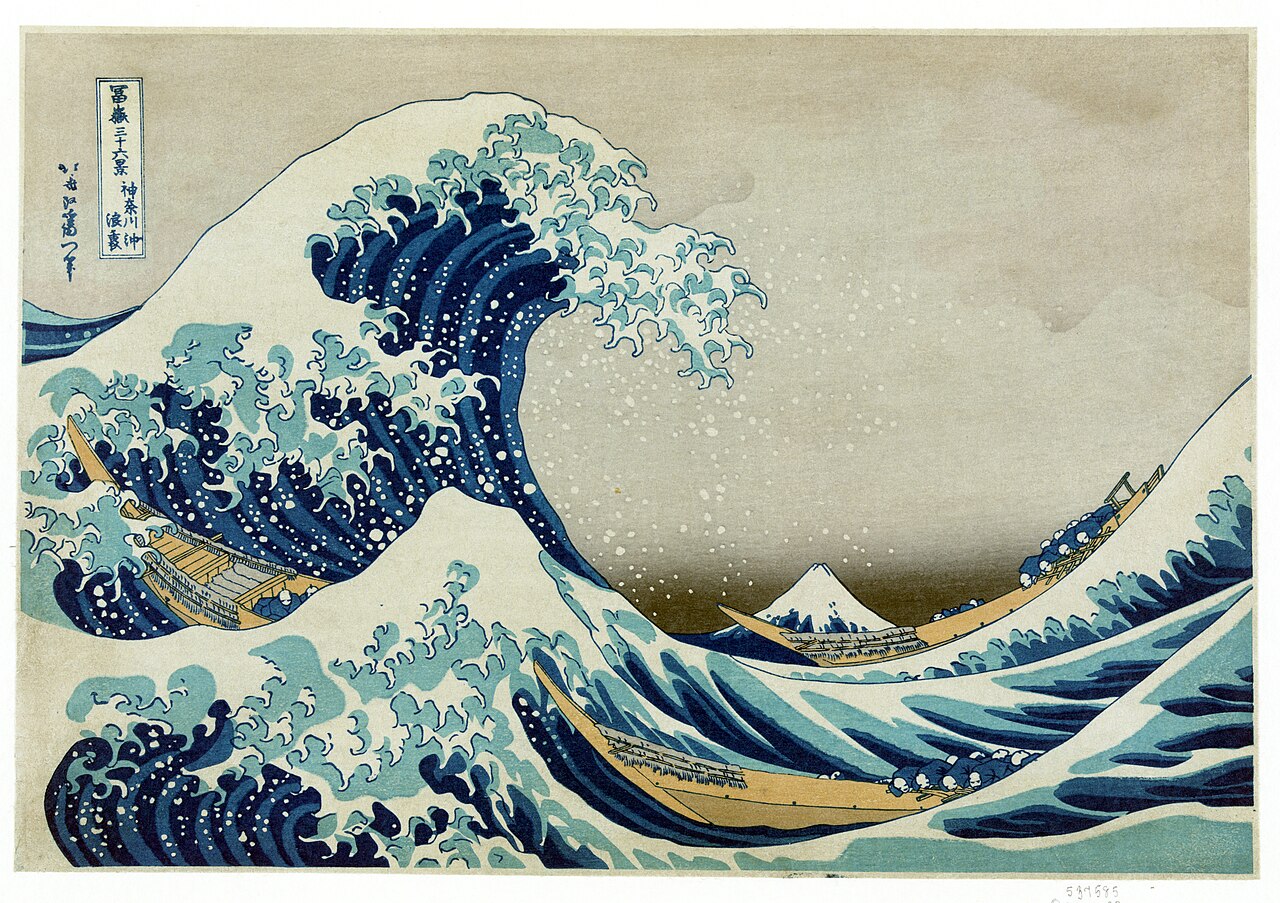 Painting
Primary source
The Great Wave off Kanagawa
Katsushika Hokusai · 1830
 Painting
Primary source
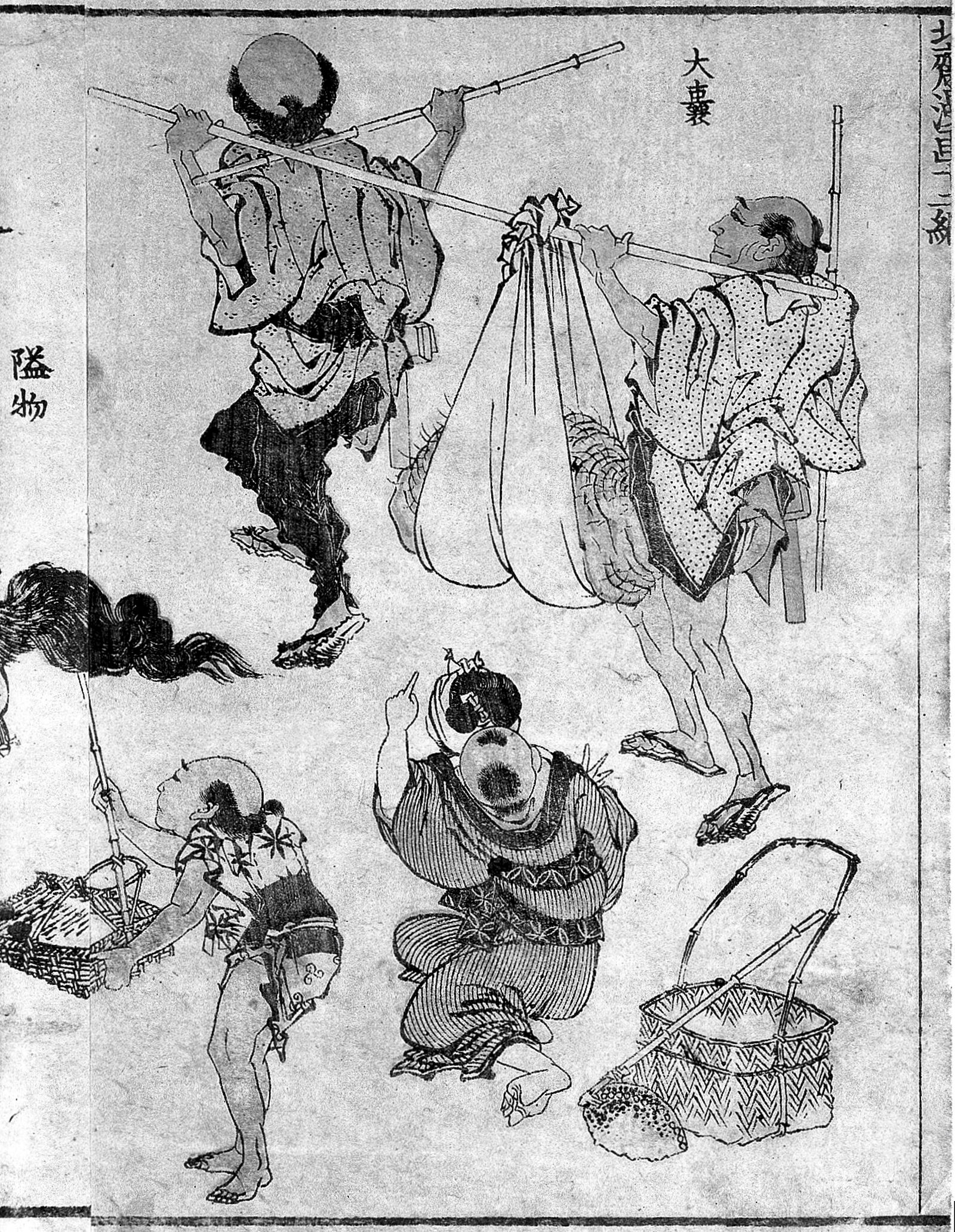
Man with Filarial Elephantiasis
Katsushika Hokusai · 1834
 Painting
Primary source
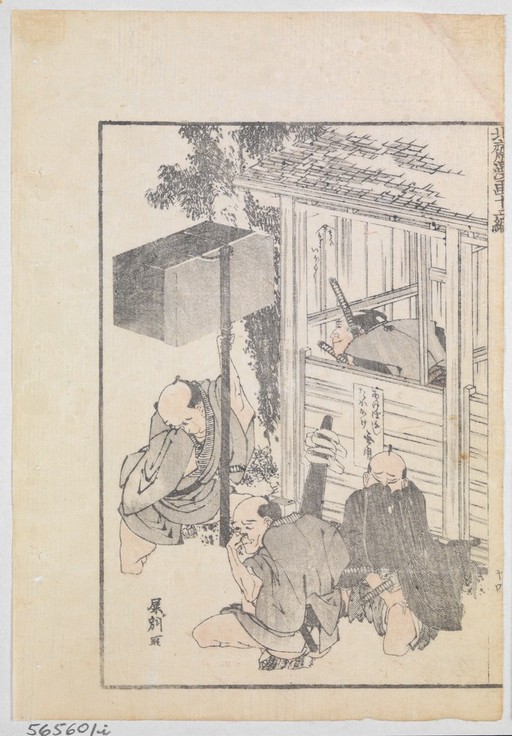
Samurai Visiting a Latrine
Hokusai Katsushika · 1834
 Painting
Primary source
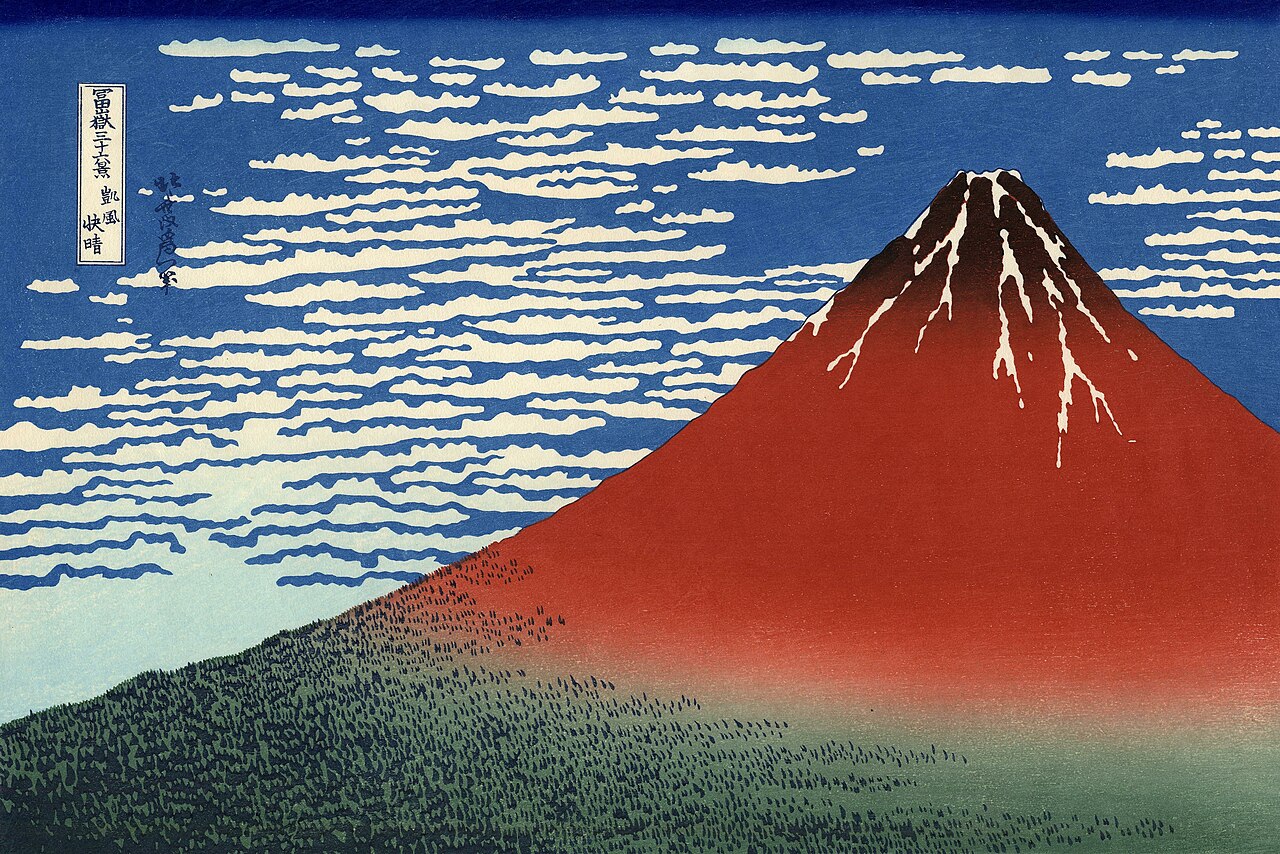
Thirty-six Views of Mount Fuji
Katsushika Hokusai · c. 1830-1832
 Painting
Primary source
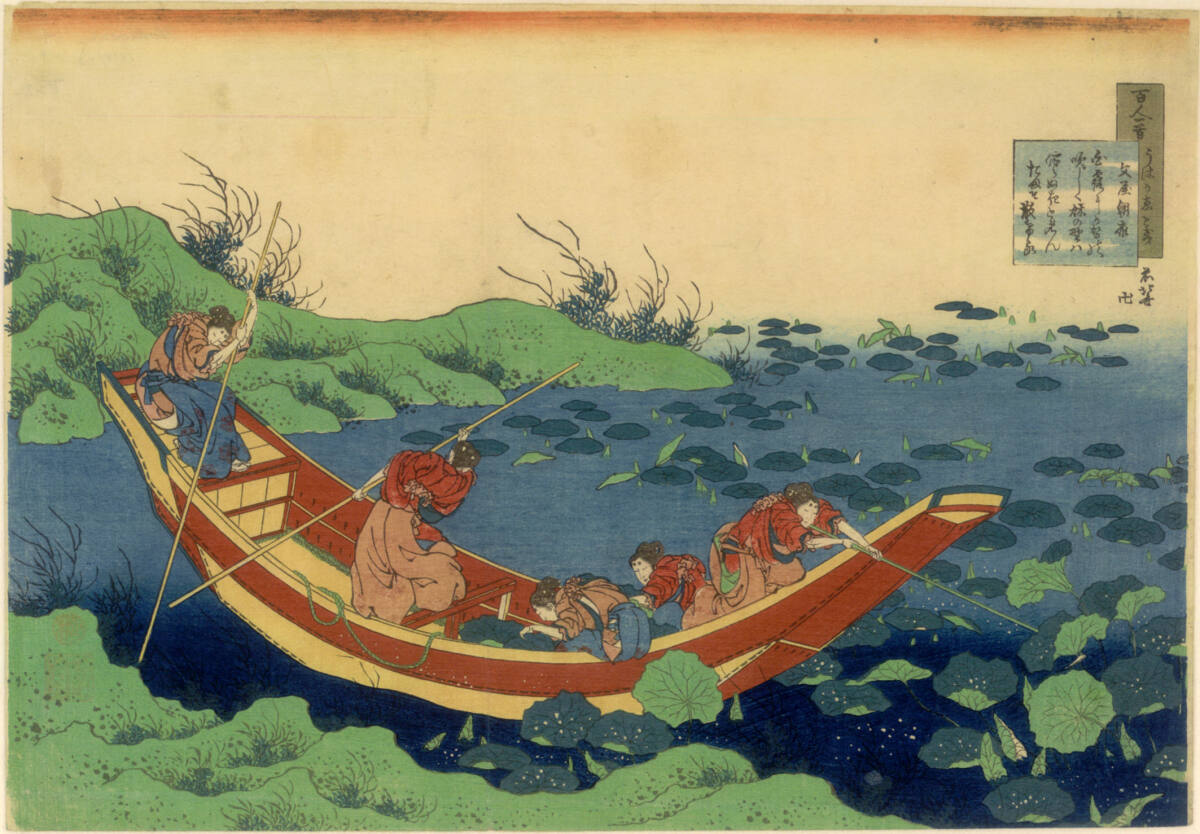
Women in a Rowing Boat on a Lotus Pond
Hokusai Katsushika
Ready when you are
Start chatting with Hokusai now.
20 messages free · No credit card · Available in 50+ languages.